
Why Asymmetry Works Best in Cottage Garden Style
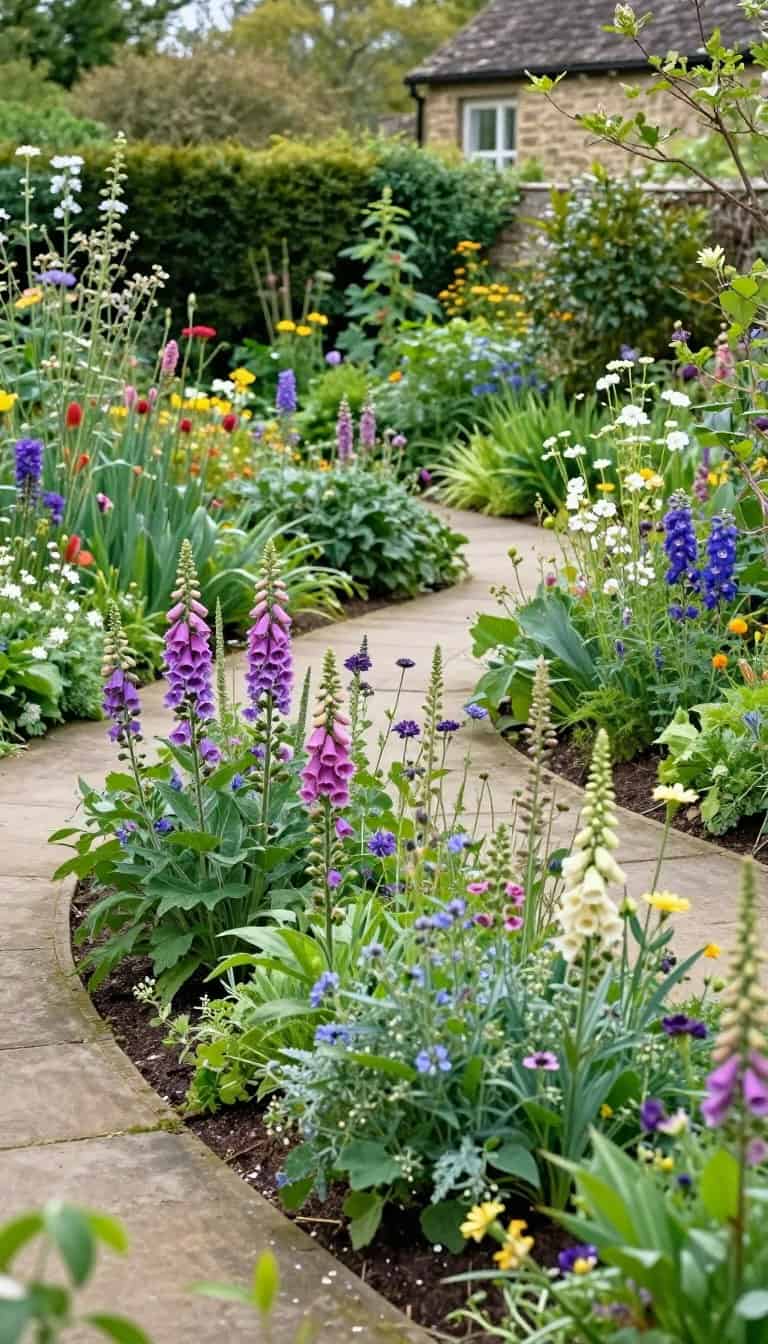
There is a reason cottage gardens feel so effortlessly beautiful. They do not follow rigid lines or perfectly matched layouts. Instead, they lean into a softer, more natural rhythm that feels relaxed, romantic, and quietly full of life.
Asymmetry is at the heart of that charm. It lets a garden feel as though it has grown over time rather than being carefully staged all at once. The result is a space that feels layered, inviting, and full of little surprises.
1. It Mimics Nature’s Own Design
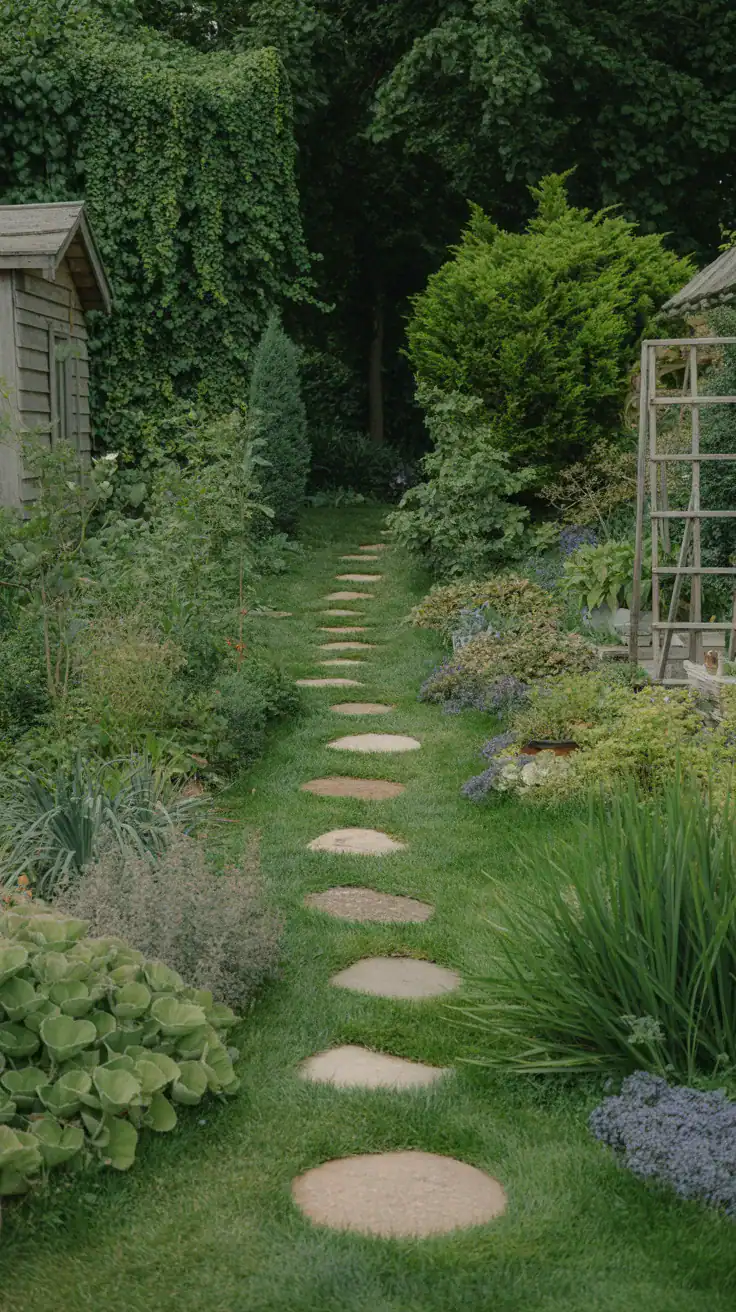
Nature rarely grows in perfect pairs or straight lines. Plants lean, spread, cluster, and soften into each other in ways that feel organic rather than overly planned.
When you bring that same relaxed rhythm into a cottage garden, the whole space feels more authentic. It gives your borders, paths, and planting pockets that naturally gathered look cottage gardens are loved for.
- Key idea: organic growth patterns
- Best for: a natural, relaxed look
- Accent idea: let plants gently spill into pathways
2. It Creates a Softer, More Relaxed Feel
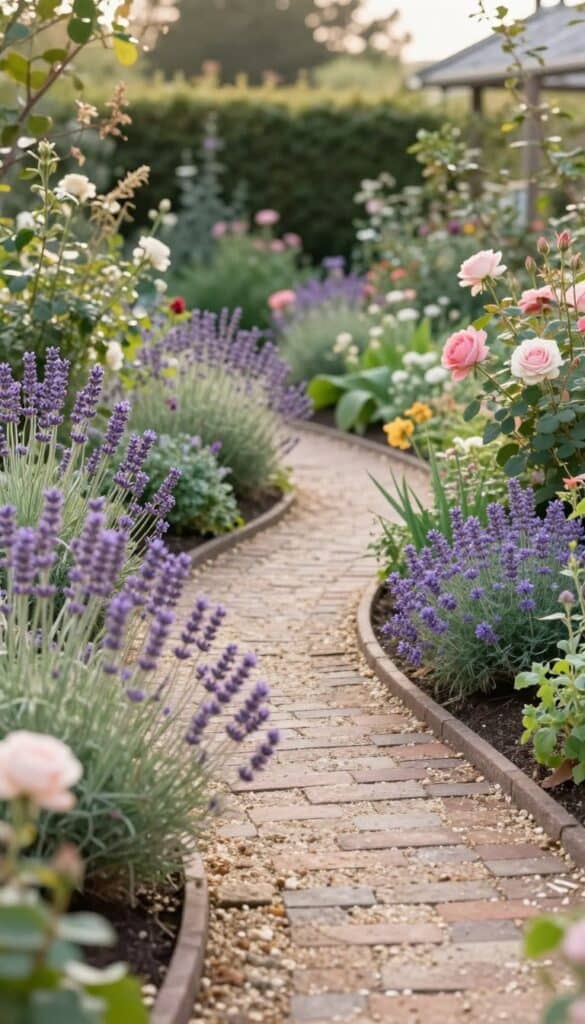
Perfect symmetry can feel formal, which is lovely in the right setting, but cottage gardens usually want something gentler. They work best when the eye can wander rather than land on everything at once.
Asymmetry softens the whole space. Curved edges, uneven planting groups, and relaxed borders make the garden feel welcoming instead of overly controlled.
- Key effect: relaxed atmosphere
- Best for: cozy, informal gardens
- Accent idea: use curved edges instead of straight lines
3. It Allows for Layering Without Clutter
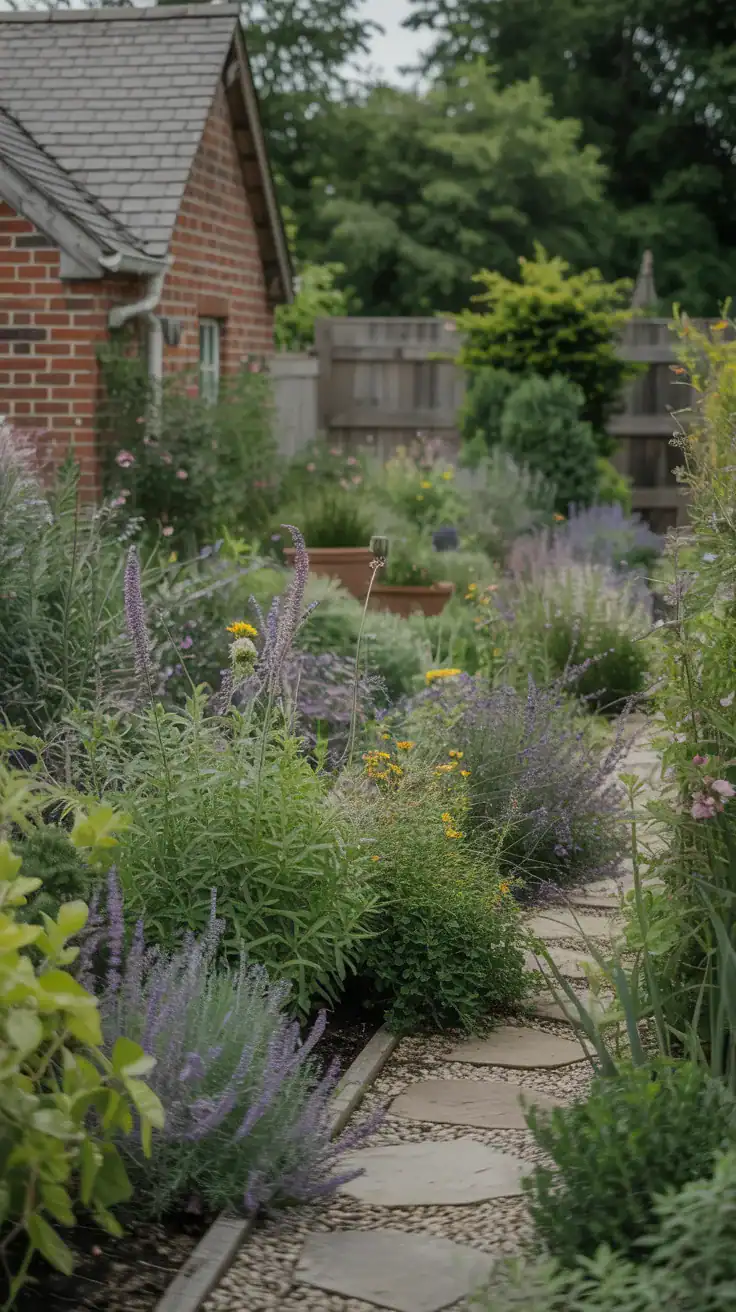
Cottage gardens thrive on layers. The charm comes from mixing soft blooms, airy grasses, trailing plants, and fuller shrubs so everything feels abundant but still natural.
Asymmetry helps those layers feel balanced without looking too arranged. You can stagger heights and textures so the garden feels full, but not crammed.
- Key benefit: balanced layering
- Best for: depth and dimension
- Accent idea: stagger plant heights naturally
4. It Feels Collected Over Time
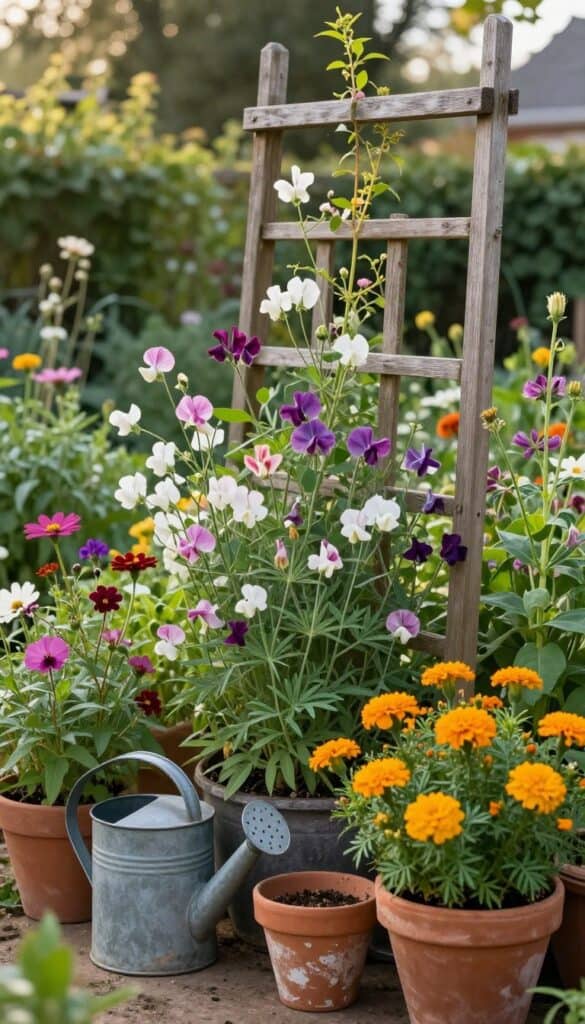
One of the most appealing things about cottage gardens is that they feel as if they have evolved slowly. A plant added here, a bench tucked there, a few flowers self seeded where they pleased.
An asymmetrical layout supports that feeling beautifully. It makes each part of the garden feel discovered rather than placed with a ruler and a clipboard. Nobody wants clipboard energy in a cottage garden.
- Key feeling: timeless charm
- Best for: a lived in garden aesthetic
- Accent idea: mix old and new elements
5. It Highlights Focal Points Naturally
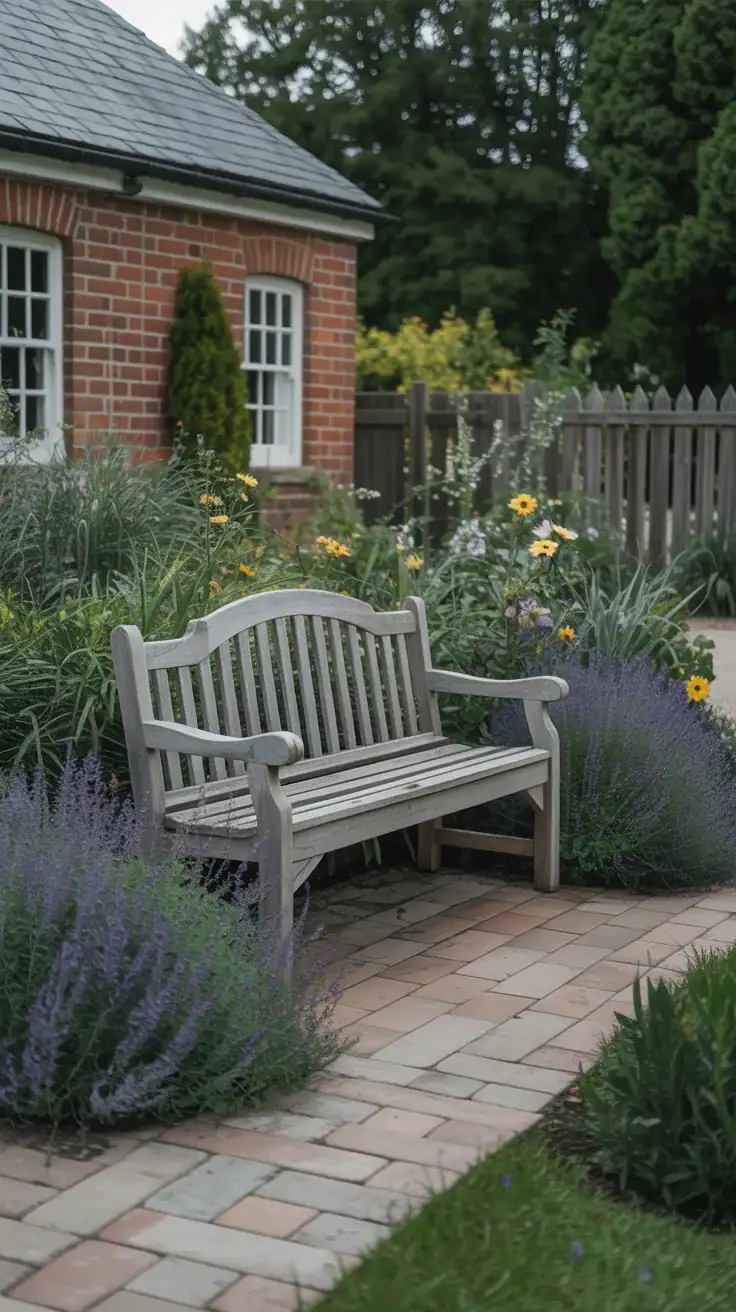
Not every focal point needs to sit perfectly in the middle. In fact, a bench, arch, urn, or cluster of flowers often feels more interesting when placed slightly off center.
This gives the garden a more natural visual pull. Your eye moves toward the feature, but it also notices the planting, textures, and little details around it.
- Key feature: off center focal points
- Best for: visual interest
- Accent idea: place features where the eye naturally travels
6. It Encourages Movement Through the Space
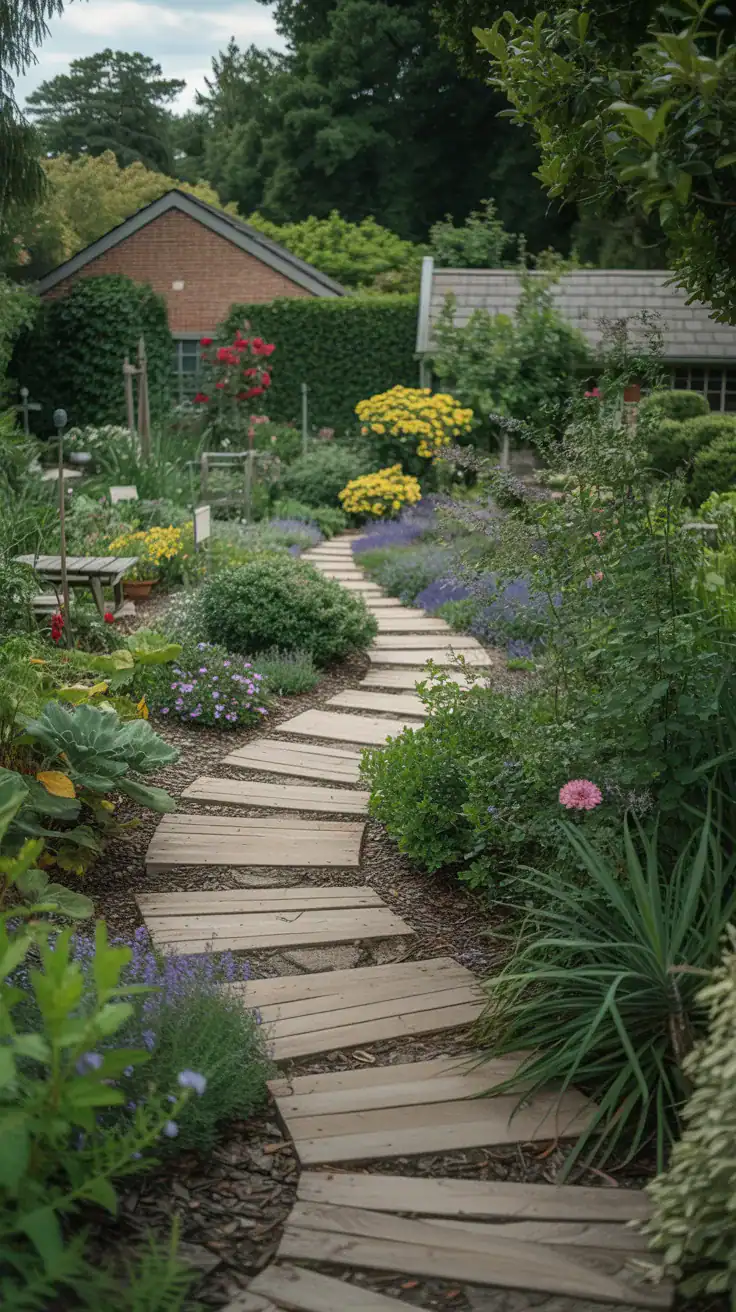
Asymmetry naturally leads the eye to wander. Instead of taking in the whole garden at once, you discover it bit by bit.
A winding path, a planting pocket tucked to one side, or a taller flower cluster near a corner all create movement. This makes the garden feel more immersive and much more inviting to explore.
- Key effect: visual flow
- Best for: an immersive garden experience
- Accent idea: add winding paths or stepping stones
7. It Makes Small Spaces Feel Bigger
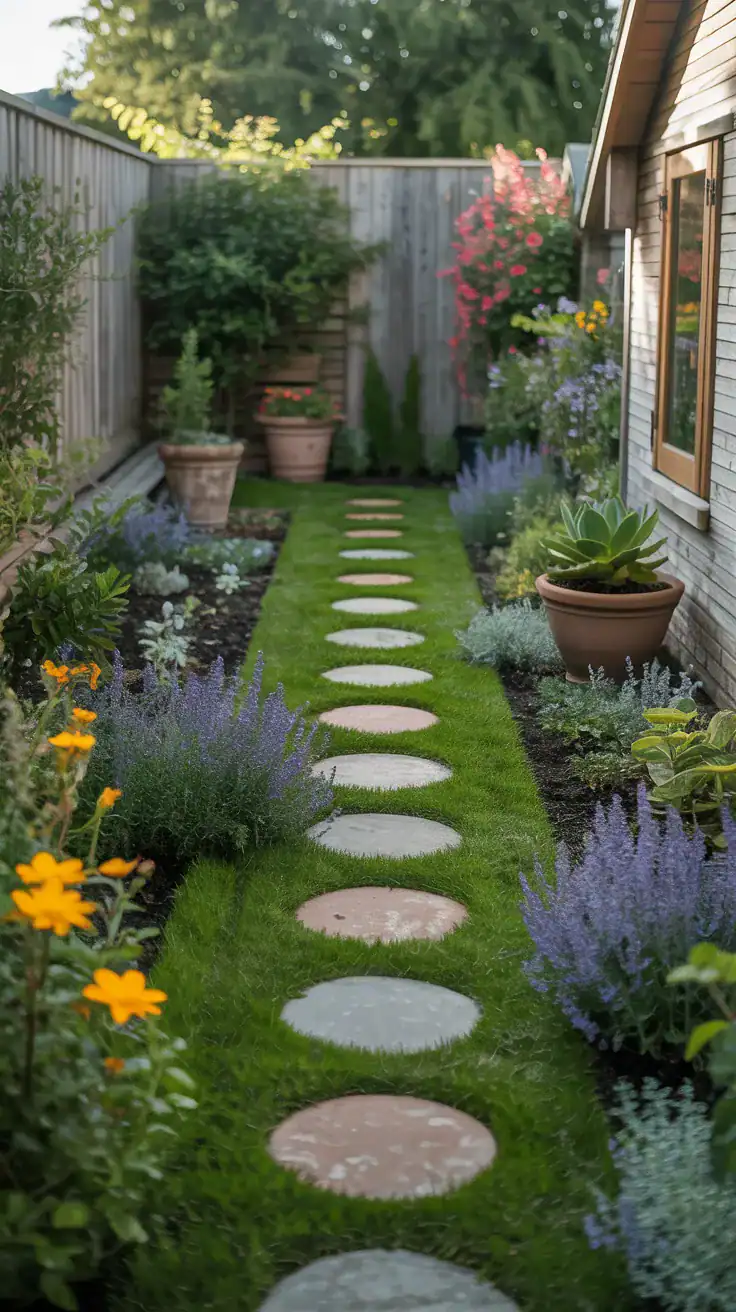
When everything is symmetrical, the eye understands the space quickly. That can make a small garden feel even smaller because there is nowhere for the gaze to linger.
Asymmetry slows things down. By varying planting zones, heights, and focal points, you create the feeling of depth, even in a compact cottage garden or small patio border.
- Key benefit: illusion of space
- Best for: small gardens, patios, and balconies
- Accent idea: vary planting zones instead of mirroring them
8. It Blends Structure with Freedom
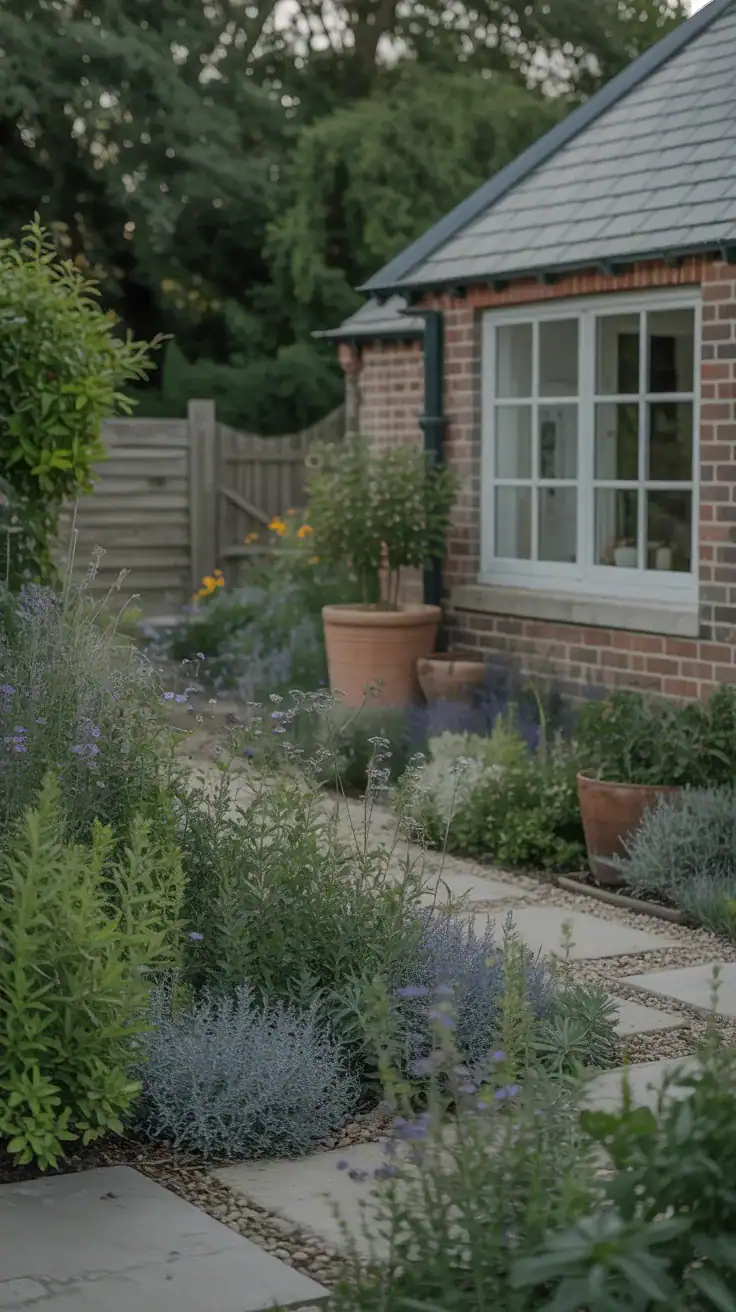
Cottage gardens are relaxed, but they are not completely chaotic. The best ones have just enough structure to hold everything together.
Asymmetry lets you balance neat elements with looser planting. A tidy path can sit beside frothy flowers. A clipped shrub can anchor a border full of softer, wilder growth.
- Key balance: structure and softness
- Best for: a controlled but natural look
- Accent idea: combine neat edges with loose planting
9. It Adds Personality and Uniqueness
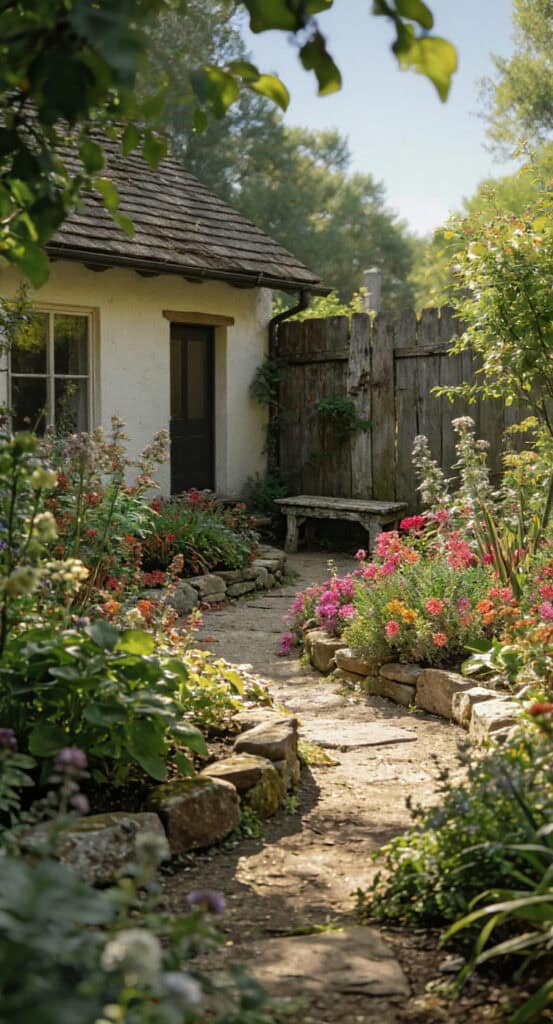
No two asymmetrical gardens look exactly the same. That is part of the charm. You are not trying to recreate a perfect formula.
This gives you room to experiment with unexpected plant pairings, vintage pieces, winding edges, and little corners that feel entirely personal to your space.
- Key benefit: individuality
- Best for: creative garden styling
- Accent idea: try unexpected plant pairings
10. It Feels Effortless Even When It Is Planned
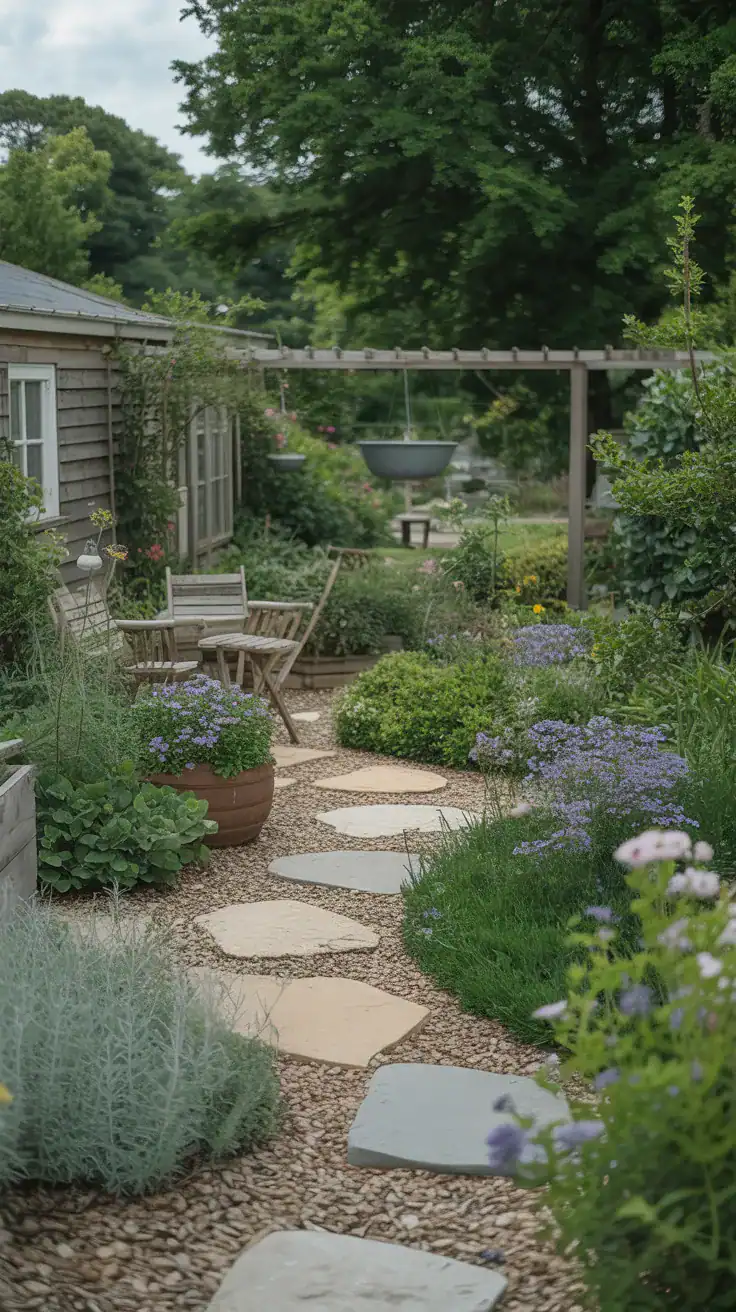
The lovely trick with asymmetry is that it looks effortless, even when there is thought behind it. You can plan the flow, balance the plant heights, and choose focal points carefully, while still letting the garden feel relaxed.
That is what makes cottage gardens so appealing. They are designed, but they do not announce it too loudly. Very polite of them, really.
- Key effect: relaxed elegance
- Best for: low pressure garden design
- Accent idea: avoid spacing everything too perfectly
Simple Ways to Use Asymmetry in Your Garden
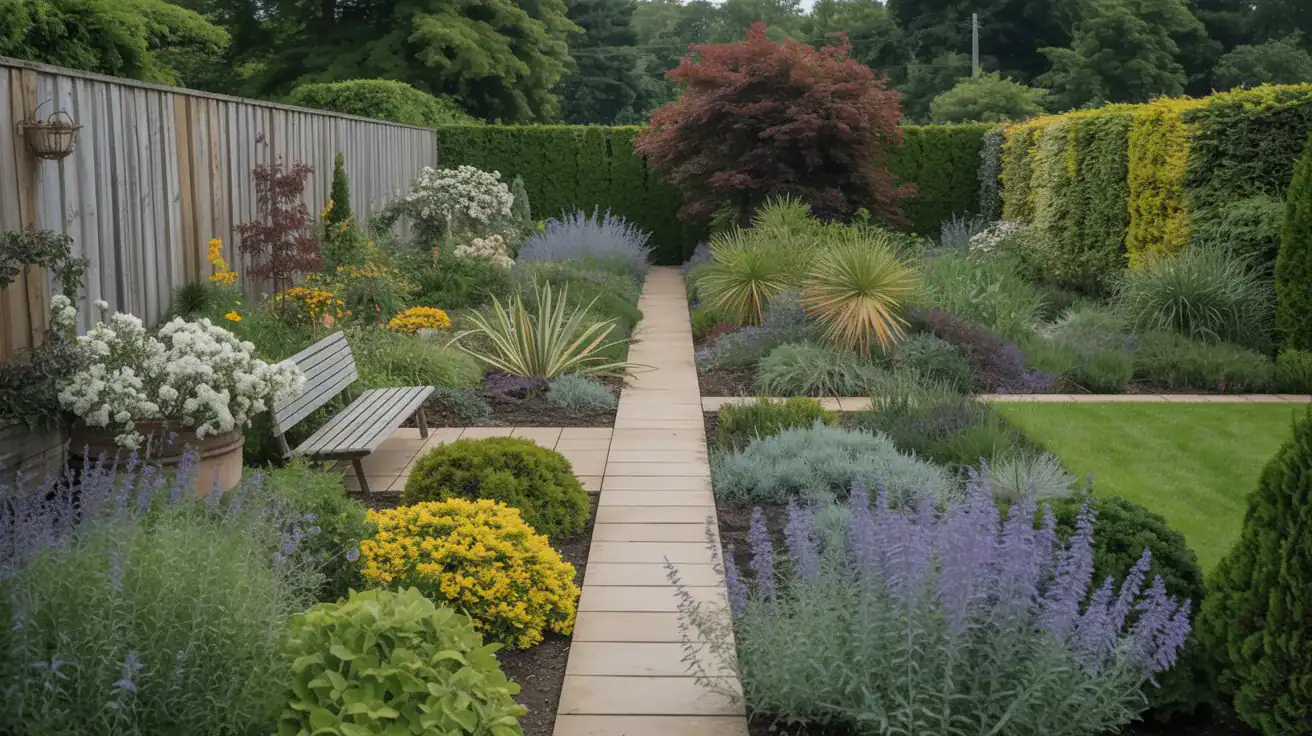
Creating asymmetry in a cottage garden does not mean throwing plants around and hoping for the best. It is more about creating a natural balance that feels easy on the eye.
Start by planting in uneven clusters instead of straight rows. Try three plants on one side of a path and five on the other. Place a bench slightly off center. Let a border curve gently instead of forcing it into a straight edge.
- Plant in uneven clusters instead of straight rows
- Offset focal points like benches, arches, or pots
- Use curved paths instead of rigid lines
- Vary plant heights across the border
- Balance fuller areas with quieter open spaces
The goal is not messiness. It is softness, rhythm, and movement. When the layout feels natural rather than forced, the whole garden becomes more inviting.
Why Asymmetry Works So Well in Cottage Gardens
Asymmetry works because it captures what makes cottage gardens so loved in the first place. They feel personal, relaxed, and full of life. Nothing is too perfect, yet everything still feels beautifully connected.
By letting plants spill, paths curve, and focal points sit slightly off center, you create a garden that feels as if it has grown into place over time.
That is the real charm of cottage garden style. It does not need to be flawless. It just needs to feel alive, welcoming, and gently layered, like a space that has been loved for years.