
15 Perennials for a Low-Maintenance English Cottage Garden
An English cottage garden may look effortlessly soft and romantic, but the real secret is choosing plants that do a lot of the work for you.
The right perennials come back year after year, filling borders with colour, texture, and that slightly untamed charm cottage gardens do so well. If you want a garden that feels full without becoming high maintenance, these are the plants worth making space for.
1. Lavender for structure and scent
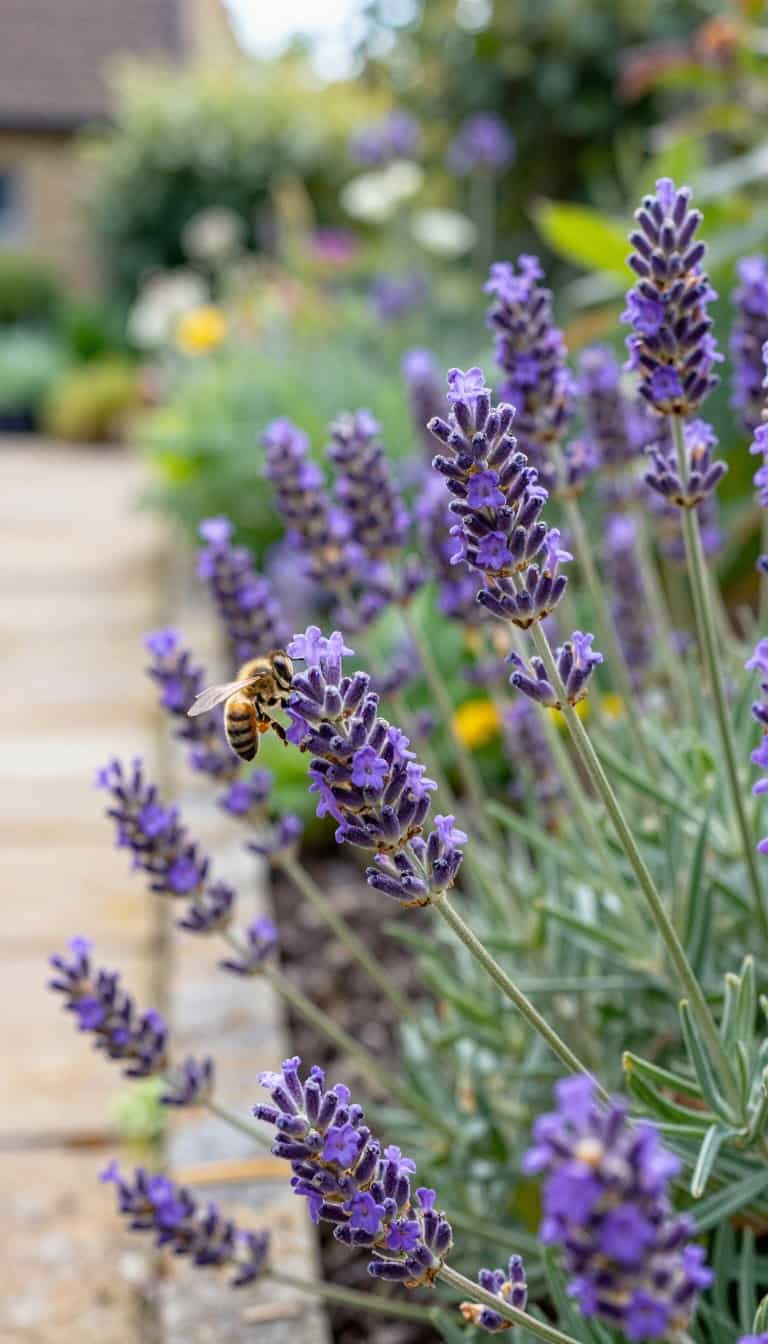
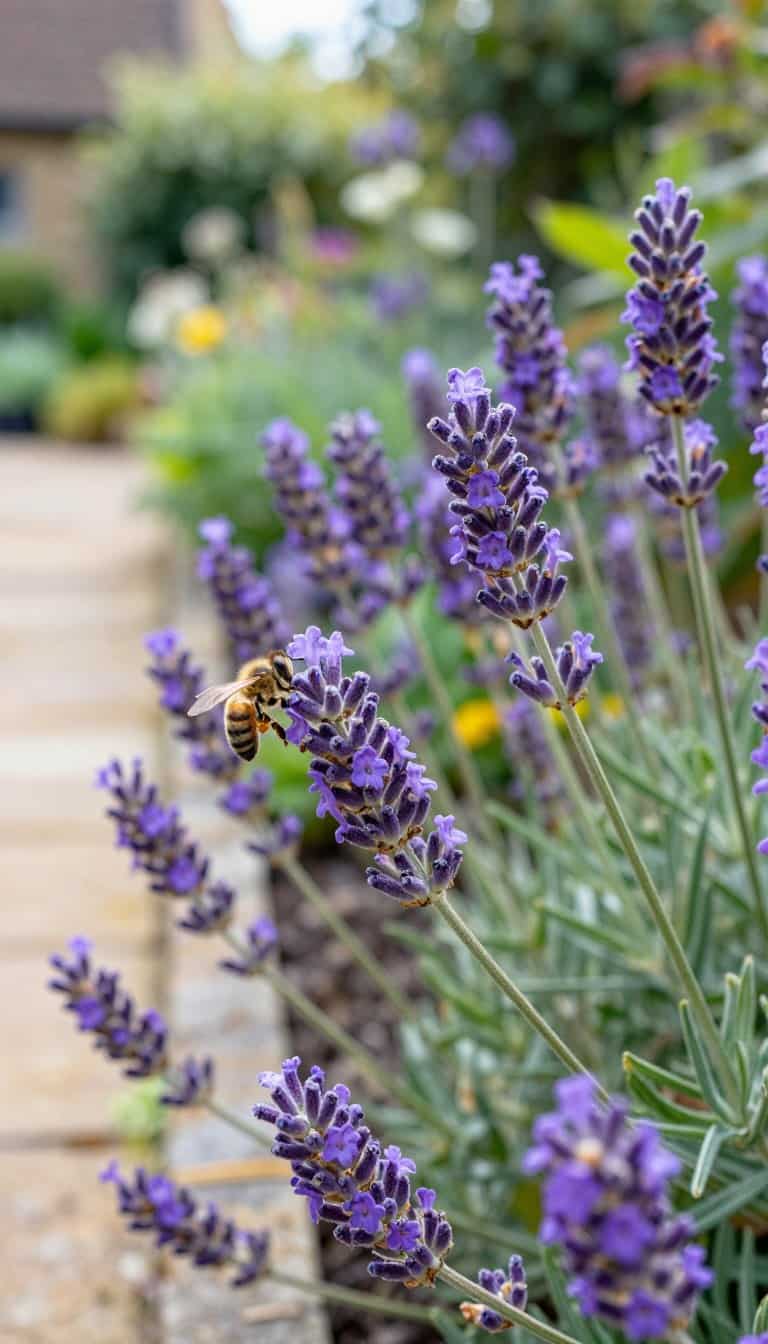
Lavender is one of those classic cottage garden plants that earns its place very easily. It brings soft colour, gentle structure, and a calming fragrance that instantly makes borders feel more established.
Once it settles in, it asks for very little. Planted in a sunny, well drained spot, it quietly keeps everything looking neat without losing that relaxed cottage softness.
- Adds height and definition
- Attracts bees and pollinators
- Loves sunny, well drained spots
2. Geranium (cranesbill) for easy ground cover
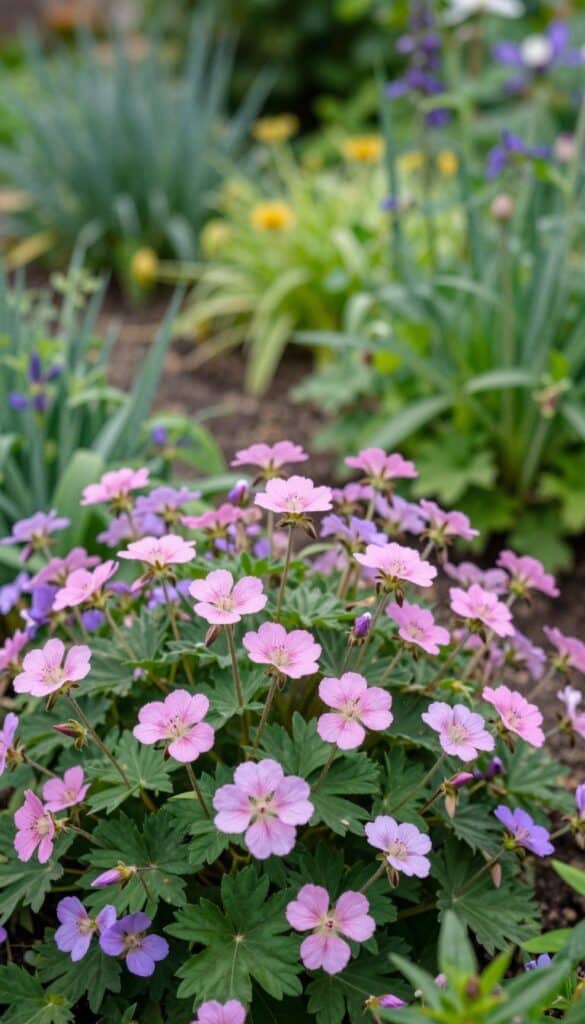
Hardy geraniums are brilliant for filling the gaps between larger plants and stopping borders from looking sparse. They spread gently, soften edges, and give everything a more natural flow.
They are also wonderfully low effort. Once established, they flower generously and help the whole garden feel fuller without needing constant attention.
- Great for filling empty spaces
- Long flowering period
- Softens pathways and borders
3. Foxgloves for height and drama
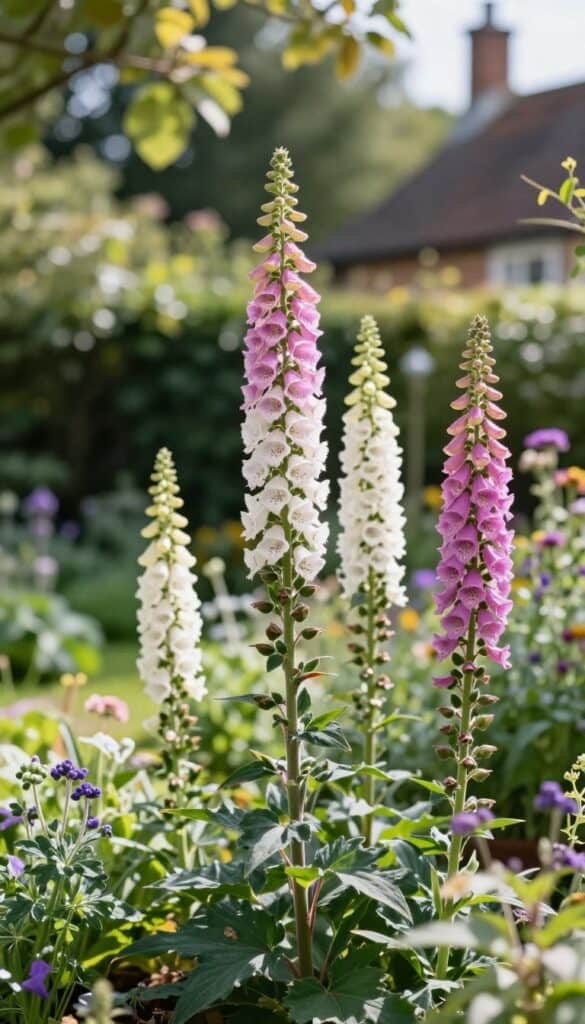
Foxgloves bring that unmistakable cottage garden silhouette with their tall flower spikes rising above softer planting below. They add instant vertical interest and make borders feel more layered and alive.
They also tend to self seed happily, which only adds to the charm. Once they settle into the garden, they often reappear in new spots like they chose the layout themselves.
- Tall, striking flower spikes
- Perfect for back borders
- Adds a slightly wild, natural look
4. Peonies for soft, romantic blooms
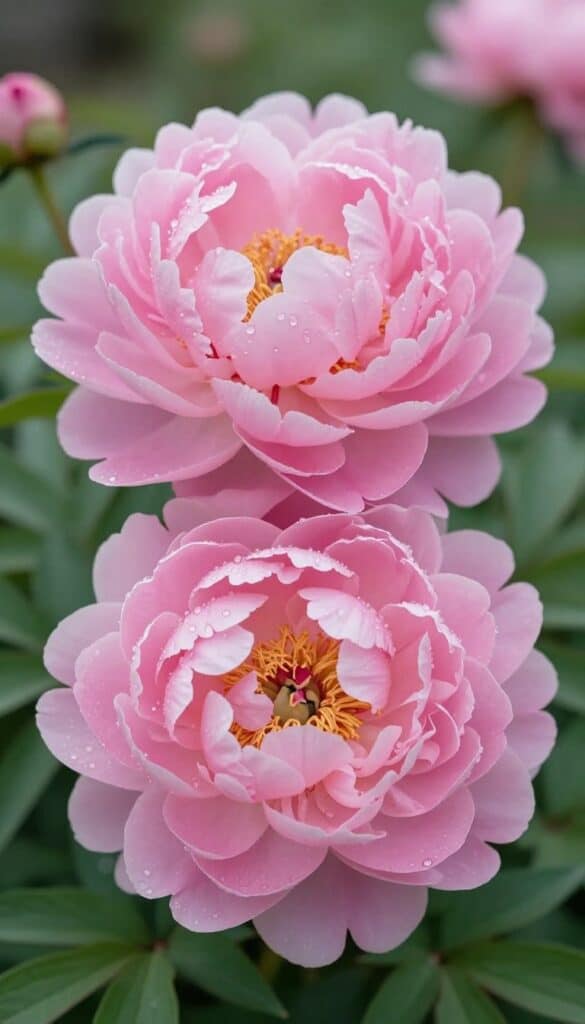
Peonies bring that lush, full flower shape cottage gardens are known for. Their blooms feel soft, generous, and almost impossibly pretty when they open properly.
They do take a little patience in the beginning, but once established they are dependable and long lived. It is very much a plant once, enjoy for years situation, which is always a relief.
- Large, show stopping blooms
- Long lived and reliable
- Adds softness and elegance
5. Salvia for colour and pollinators
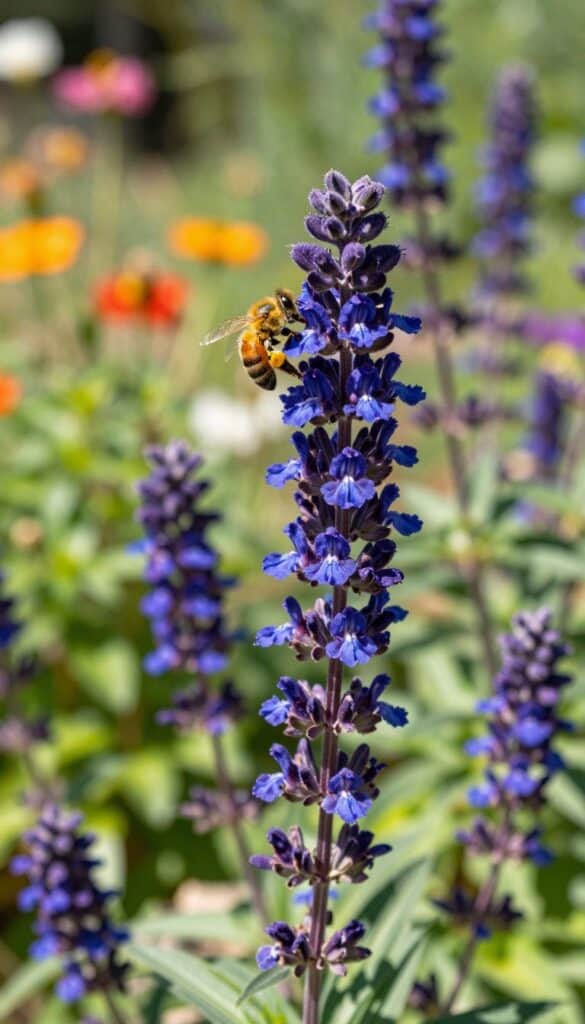
Salvia gives borders a richer hit of colour and a more upright shape that balances softer, looser plants beautifully. It stops everything from looking too floppy without making the planting feel formal.
It is easy to grow, loved by bees, and flowers for a long stretch of the season. For a low maintenance garden, that is exactly the sort of plant you want doing the heavy lifting.
- Deep purples, blues, and pinks
- Long flowering season
- Drought tolerant once established
6. Delphiniums for classic cottage height
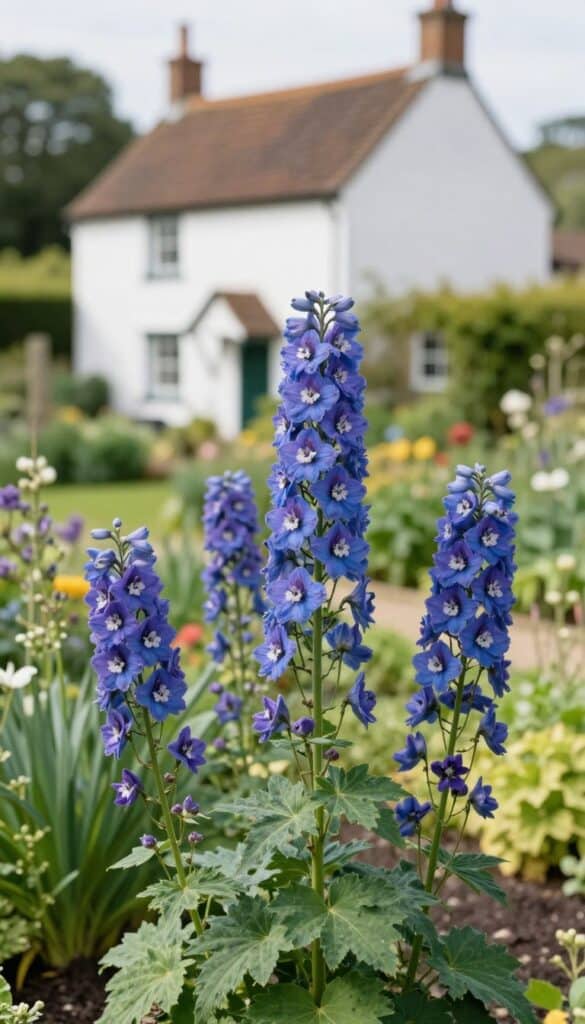
Delphiniums are one of the plants that give cottage gardens their tall, airy elegance. Those flower spires rise above everything else and instantly make a border feel more layered and expressive.
They can need a little support in windy spots, but the visual payoff is worth it. They add height without heaviness, which is a very useful trick in a packed border.
- Ideal for the back of borders
- Creates a layered vertical effect
- Best supported in windy areas
7. Alchemilla mollis for soft edges
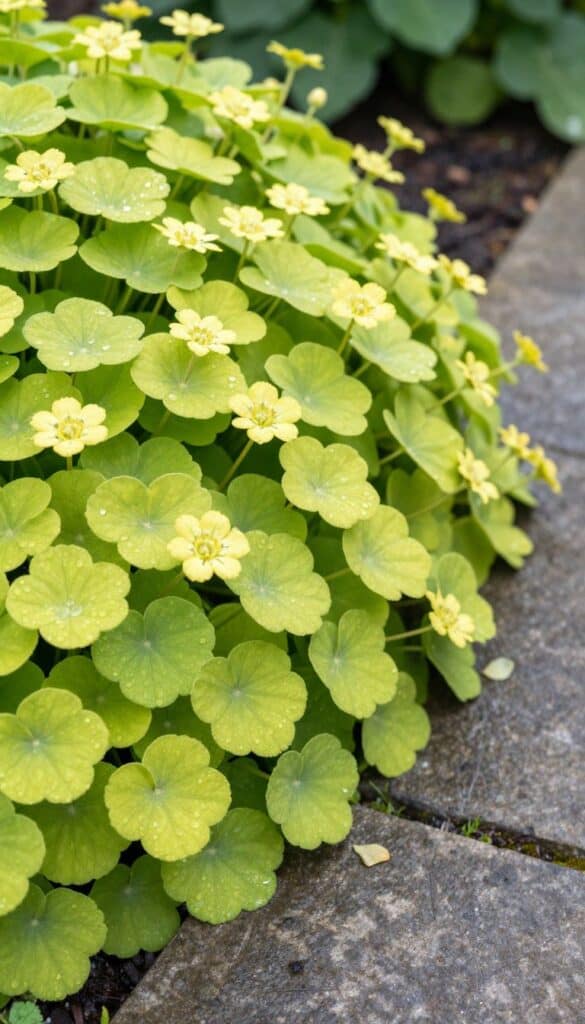
This plant is all about softness. Its rounded leaves and frothy flowers spill gently over borders and pathways, helping everything feel more relaxed and beautifully settled in.
It is especially useful when a planting scheme feels a bit too sharp or separate. Alchemilla mollis quietly blends things together and makes the whole border feel more natural.
- Perfect for softening borders
- Adds light, airy texture
- Easy to grow and maintain
8. Echinacea for colour and resilience
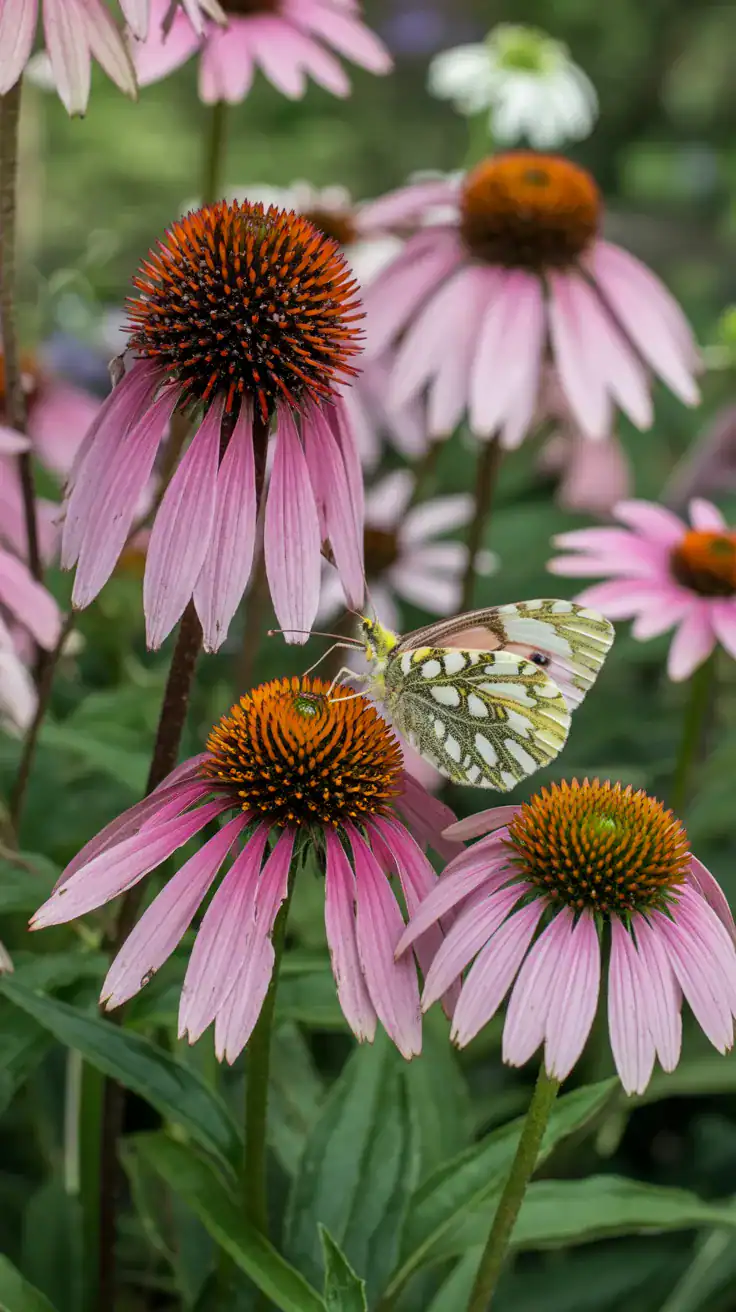
Echinacea brings strong daisy like flowers and plenty of colour without becoming needy about it. It handles heat well and keeps borders looking lively through the warmer months.
It is one of those dependable plants that keeps showing up when others start to tire. That resilience makes it especially useful in a garden you do not want to fuss over constantly.
- Strong, daisy like flowers
- Attracts pollinators
- Drought tolerant and resilient
9. Campanula for a delicate cottage feel
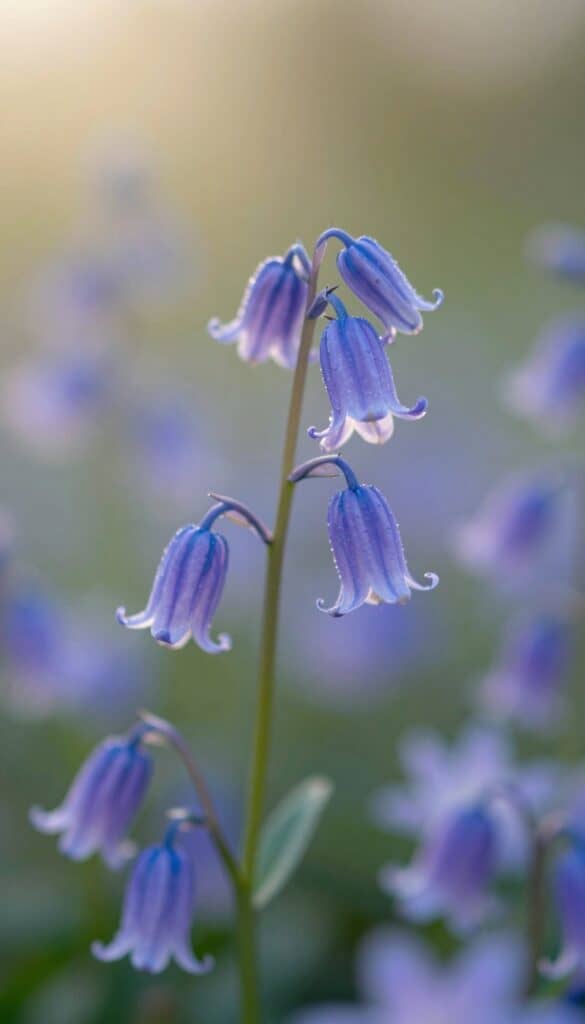
Campanula adds that light, bell shaped detail that makes a border feel softer and more romantic. It has a gentle presence, but it still plays an important role in creating that loose cottage look.
It spreads steadily without trying to take over the whole garden, which is always appreciated. Tucked along edges or woven into mixed borders, it helps everything feel a little more effortless.
- Light, romantic blooms
- Works well in borders or edges
- Easy to maintain
10. Coreopsis for long lasting colour
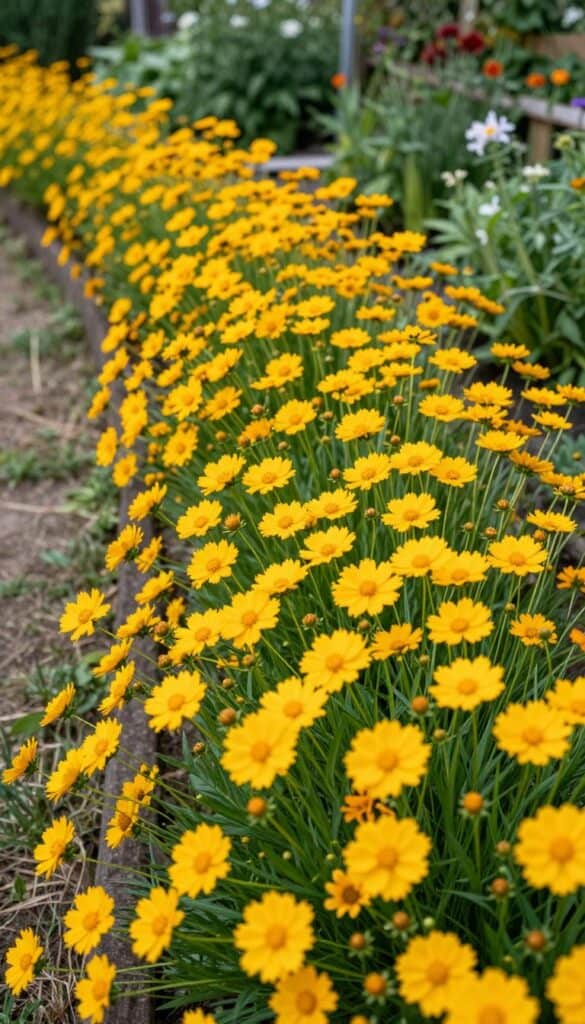
If you want a plant that keeps going without much encouragement, coreopsis is a very good one to have. It flowers for long stretches and brings cheerful colour that lifts the whole border.
Those yellow tones are especially useful among pinks, purples, and blues because they add warmth without looking out of place. It is bright, reliable, and refreshingly unfussy.
- Long blooming season
- Adds warmth with yellow tones
- Low maintenance and hardy
11. Phlox for fragrance and fullness
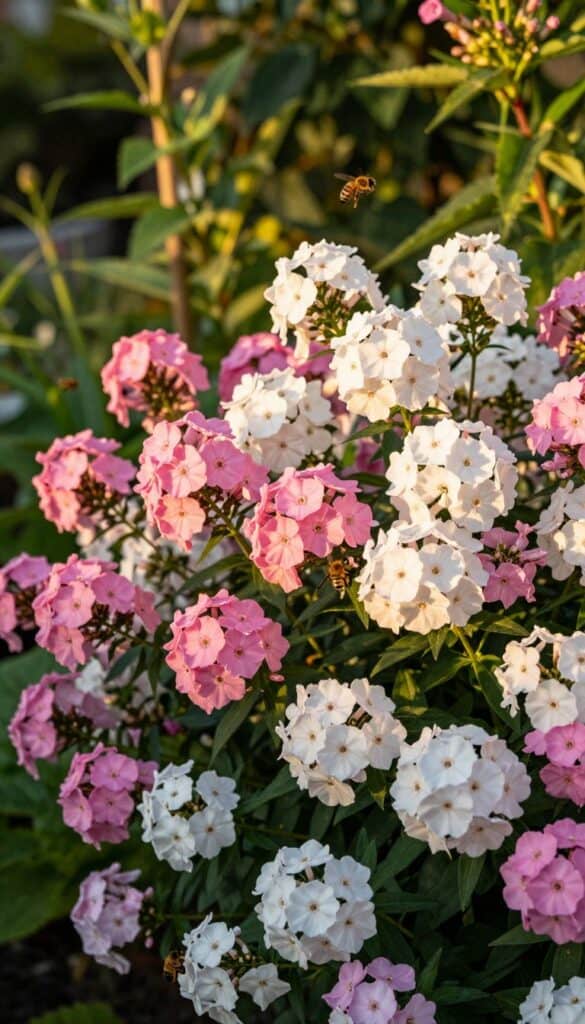
Phlox is brilliant for adding fullness to a border without making it feel heavy. Its soft flower clusters fill space beautifully and help connect different plants into one flowing scheme.
It also adds fragrance, which is never a bad idea in a cottage garden. A border that looks lovely and smells lovely is just showing off a bit, but in the best way.
- Sweet fragrance
- Great for creating fullness
- Works well in mixed borders
12. Hellebores for early season interest
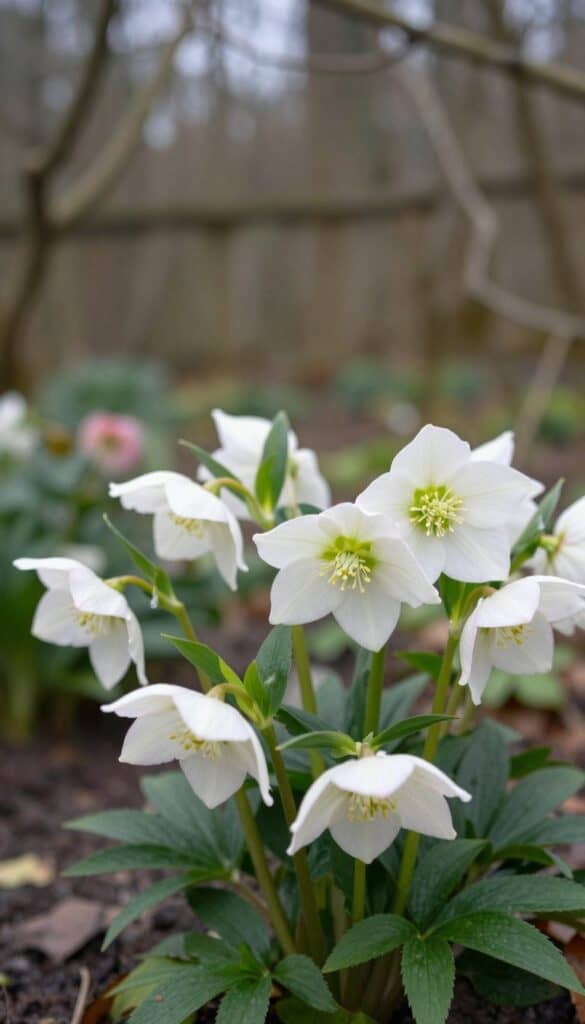
Hellebores earn their place by appearing when the garden still feels half asleep. Their early blooms bring life and colour just when you are starting to wonder if winter might go on forever.
They are especially helpful in shadier areas where other cottage style favourites may struggle. Quietly useful and beautifully understated, which is a very good combination.
- Flowers in late winter to early spring
- Shade tolerant
- Low effort once established
13. Yarrow for texture and ease
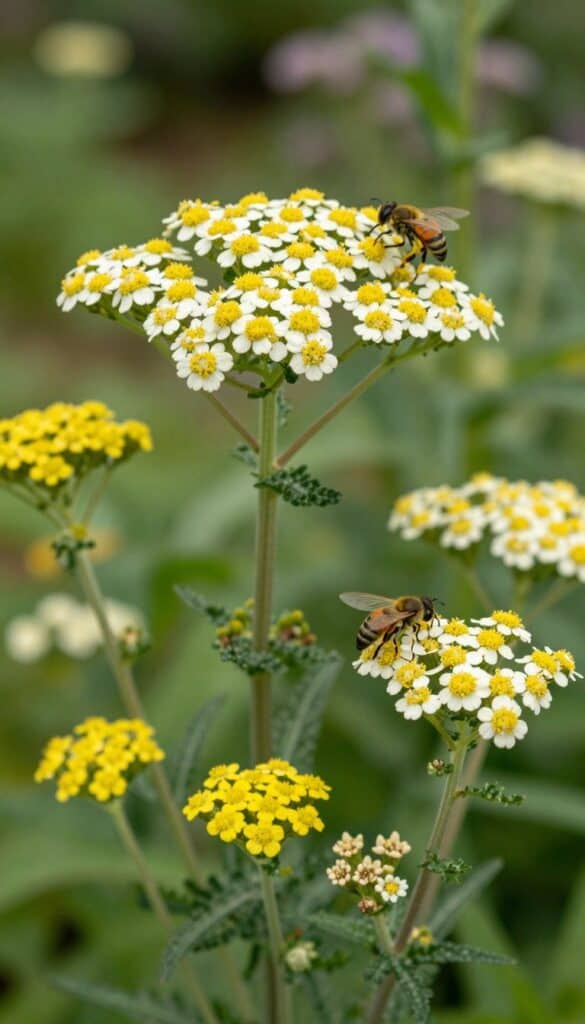
Yarrow brings a slightly wilder texture that works beautifully in relaxed planting schemes. Its flat flower heads and feathery foliage stop borders from feeling too uniform or overly polished.
It is also tough, adaptable, and very easy to grow in sunny spots. If you like a meadow leaning cottage look, this one helps you get there without much effort.
- Flat topped flower clusters
- Handles dry conditions well
- Adds a natural, meadow like feel
14. Astrantia for subtle, star like blooms
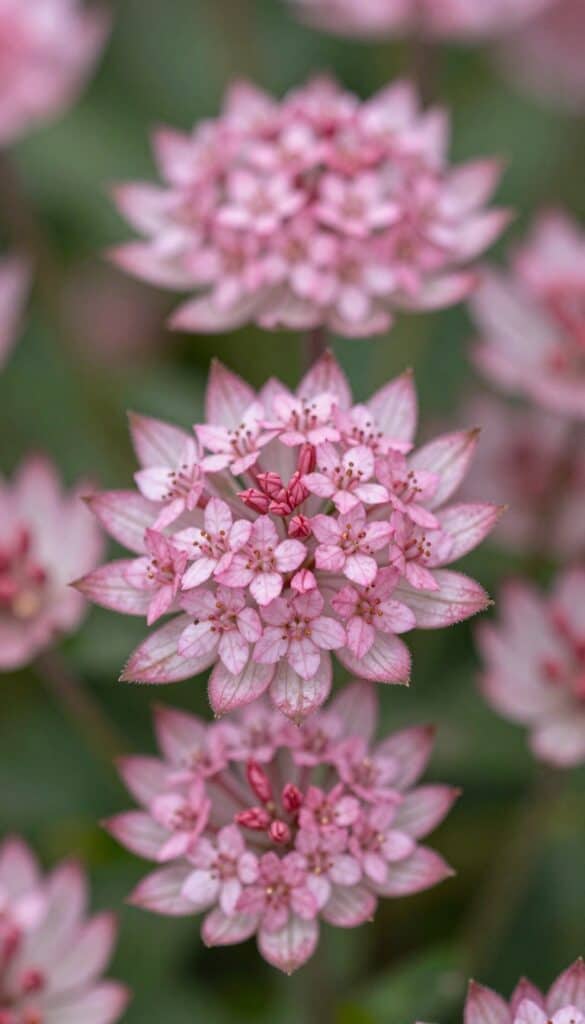
Astrantia adds a finer, more intricate detail to the border with its delicate star shaped flowers. It has a quieter beauty, but that is exactly what makes it so useful in mixed planting.
It blends in beautifully with softer colours and looser forms, especially in partial shade. When a border needs elegance without anything too flashy, astrantia usually understands the assignment.
- Unique, detailed flowers
- Works well in partial shade
- Adds quiet elegance
15. Sedum for late season interest
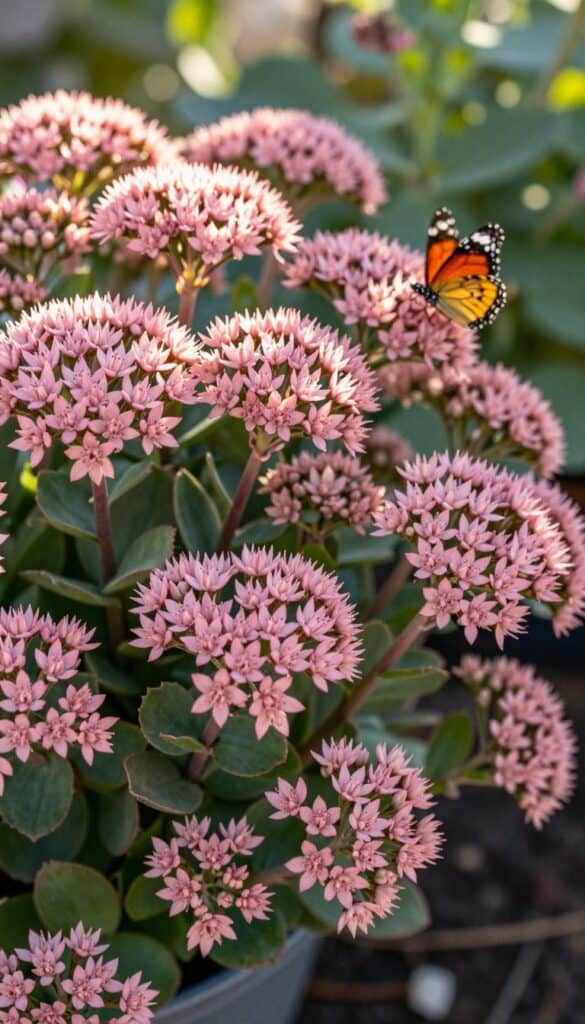
Sedum comes into its own when many summer favourites are starting to fade. It adds colour, shape, and structure late in the season, which helps the garden keep its fullness for longer.
It is also incredibly low maintenance, which makes it an easy yes for a cottage garden that is meant to feel relaxed rather than demanding. A plant that shows up late and still does the job properly deserves some respect.
- Succulent leaves with soft blooms
- Extremely low maintenance
- Great for extending seasonal interest
Final thoughts
A low maintenance English cottage garden is not about planting less. It is about choosing plants that keep giving back year after year, building that soft, layered beauty without constant reworking.
Start with a few reliable favourites that suit your space, your light, and your soil. Over time, those plants will settle in, spread gently, and help the garden feel more natural and beautifully established.
The real charm of a cottage garden comes from that sense of ease. Let it grow gradually, let it soften around the edges, and trust that a little looseness is often what makes it feel most beautiful.