
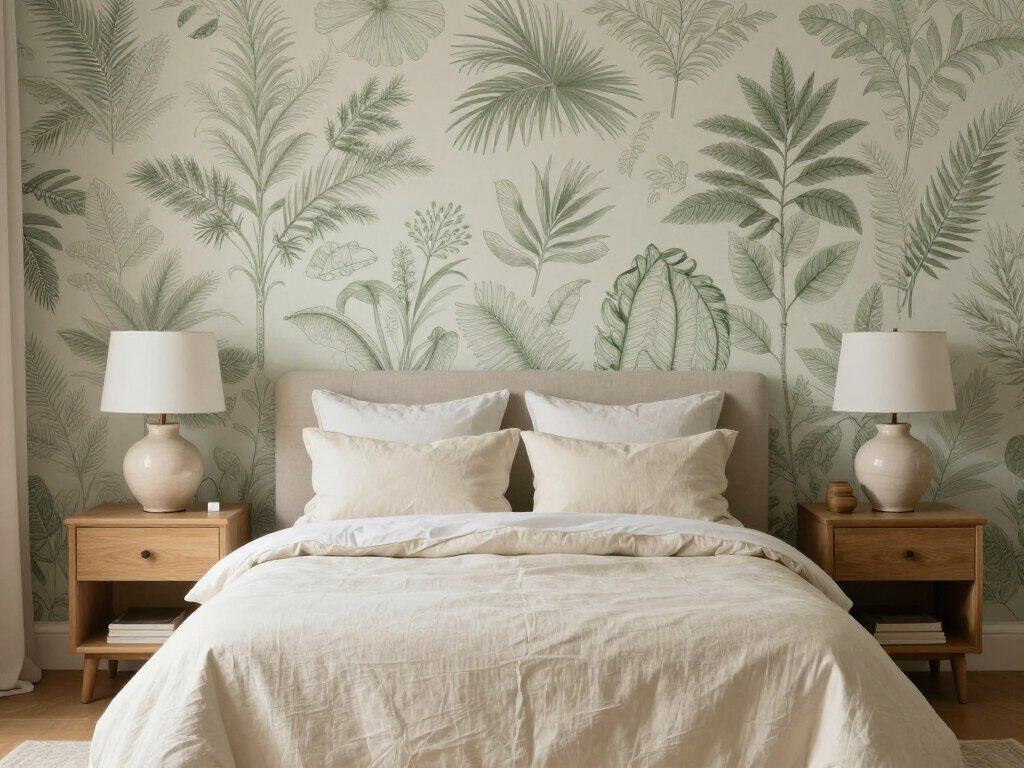
15 Removable Wallpaper Accent Wall Ideas for an Easy Room Makeover
If paste, scraping, and a long decorating commitment make you hesitate, removable wallpaper offers a simpler middle ground. Peel-and-stick wallpaper can add pattern, color, and texture to one wall without changing the whole room.
This post includes affiliate links. If you make a purchase through them, I may earn a small commission at no extra cost to you. More details here.
These removable wallpaper accent wall ideas work beautifully in bedrooms, living rooms, home offices, entryways, dining areas, kids’ rooms, reading nooks, alcoves, and other small spaces. One thoughtfully chosen wall can give a plain room a new focal point and far more personality.
Quick Guide: Choose Your Removable Wallpaper Look
- Small room: Try a soft botanical, delicate stripe, or subtle tonal pattern.
- Plain bedroom: Wallpaper the wall behind the bed to create an instant focal point.
- Living room makeover: Use a larger-scale pattern behind the sofa or another natural focal area.
- Want drama: Choose a landscape, botanical, or abstract mural.
- Rental-friendly refresh: Look specifically for removable products suitable for your existing wall finish.
- Unsure about pattern: Start with a small accent wall, alcove, or home office nook rather than the largest wall in the house.
One thing worth remembering is that “removable” doesn’t mean every wallpaper behaves the same way on every surface. Wall texture, paint condition, humidity, installation technique, adhesive, and how long the paper stays in place can all affect the result. Always check the manufacturer’s surface and removal guidance and, where appropriate, test a small hidden area first.
1. Create a Botanical Bedroom Accent Wall
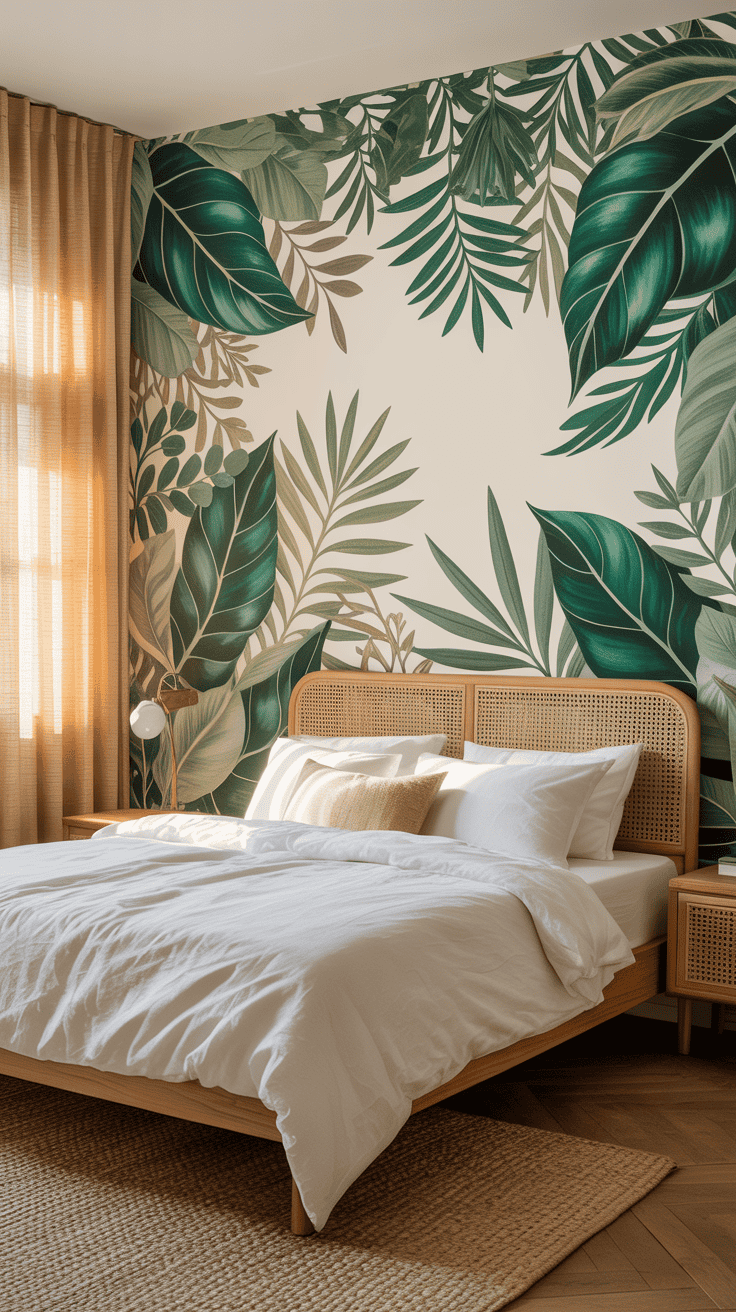
Leaves, delicate branches, wildflowers, and garden-inspired prints can make a plain bedroom feel softer and more layered. The wall behind the bed is a natural place to use them because the bed already gives the room an obvious focal point.
Keep the nearby walls relatively quiet and repeat one or two colors from the wallpaper in your bedding, cushions, or bedside decor. You don’t need to match everything perfectly; a little variation usually creates a more relaxed, collected look.
Pair Botanical Wallpaper With
- Natural wood furniture.
- Warm white or cream bedding.
- Linen-look textiles.
- Simple ceramic lamps.
Most timeless option: Muted green botanicals on a warm neutral background give you pattern and personality without making the bedroom feel overly busy.
2. Use a Moody Floral Behind the Bed
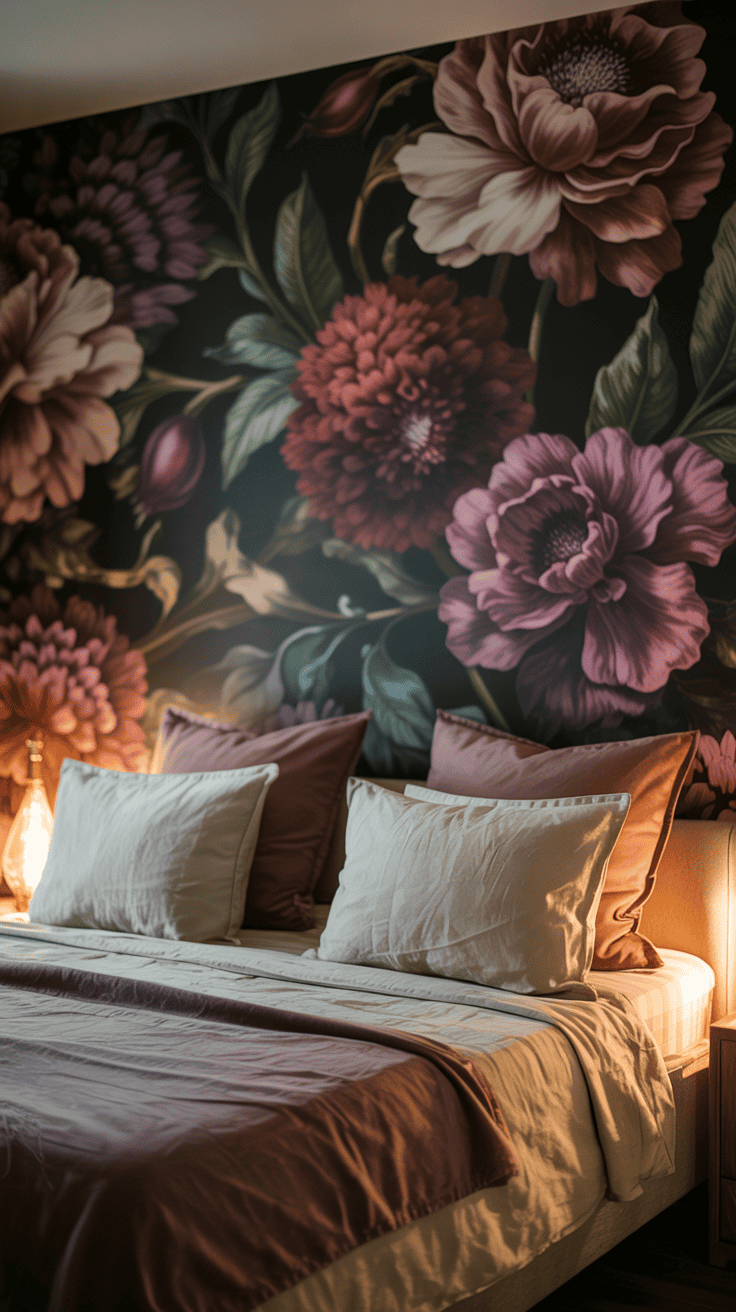
Oversized florals on charcoal, navy, or deep green can create a wonderfully dramatic bedroom accent wall. Because the wallpaper already provides plenty of visual interest, the rest of the room can remain surprisingly simple.
Balance the darker background with lighter bedding, warm wood, and soft lighting. Repeat one of the gentler flower shades in a cushion or throw, then resist the urge to add lots of artwork above the headboard. The wallpaper is already doing that job.
Keep a Dark Floral Balanced With
- Cream or oatmeal bedding.
- Warm wood tones.
- Soft bedside lighting.
- Minimal additional wall decor.
Creates this effect: One dark floral wall can give a basic bedroom a cozy, boutique-hotel feeling without requiring an elaborate room makeover.
3. Transform a Living Room With a Landscape Mural
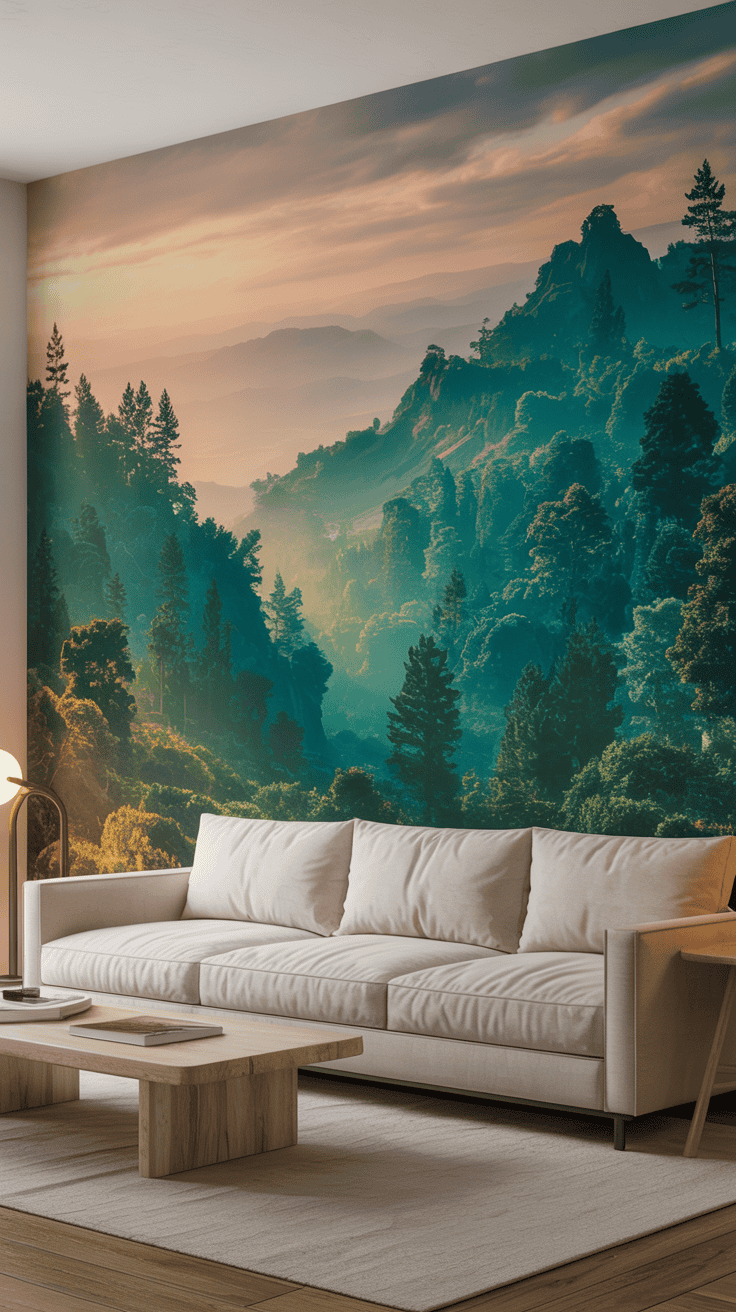
A landscape mural makes a larger statement than a repeating wallpaper pattern and can turn an ordinary living room wall into something closer to oversized artwork. Position it behind the sofa or another natural focal area and let the image lead the room.
Misty forests, countryside scenes, mountains, and watercolor-style landscapes work particularly well when you want atmosphere without lots of separate wall decor. Keep the furniture relatively simple so the mural has enough visual space around it.
Measure carefully before ordering and check how the complete image will crop or divide across your particular wall. With a mural, the position of the design matters just as much as the overall measurements.
Mural Styles to Consider
- Misty woodland scenes.
- Soft mountain landscapes.
- Vintage countryside illustrations.
- Watercolor-style landscapes.
Designer detail: Pull two or three understated colors from the mural into the rest of the room instead of trying to match every shade in the design.
4. Add a Soft Stripe to a Small Bedroom
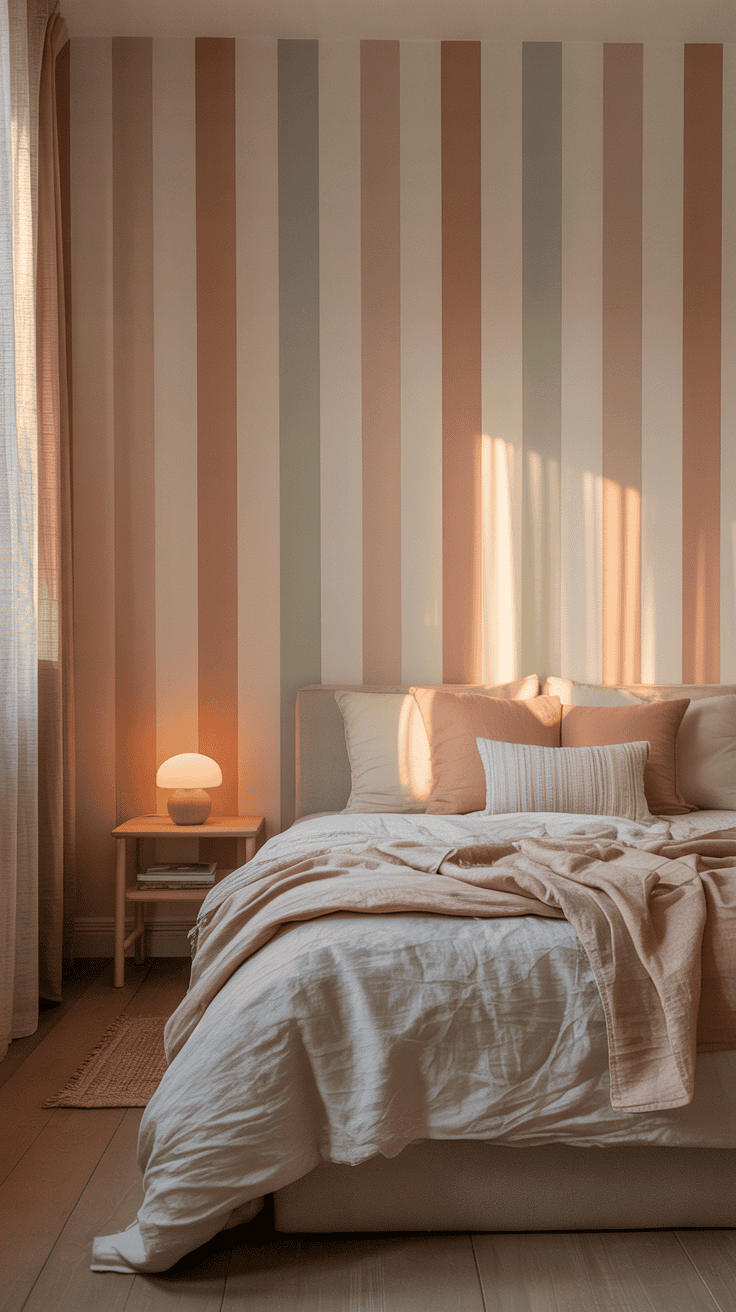
Stripes are a lovely option when you want pattern without making a small bedroom feel overly busy. Soft combinations such as beige and cream, sage and white, or dusty blue and ivory add detail while remaining easy to live with.
Vertical stripes can emphasize the height of the wall, while wider tonal stripes tend to feel calmer and more relaxed. Narrow or high-contrast stripes create a much stronger graphic effect, so consider the mood you want before choosing the scale.
Soft Stripe Combinations
- Cream and warm beige.
- White and muted sage.
- Soft blue and ivory.
- Warm taupe and off-white.
Small space tip: A low-contrast tonal stripe introduces pattern while keeping the room visually quiet, making it particularly useful behind a bed in a compact bedroom.
5. Turn a Home Office Wall Into a Stylish Backdrop
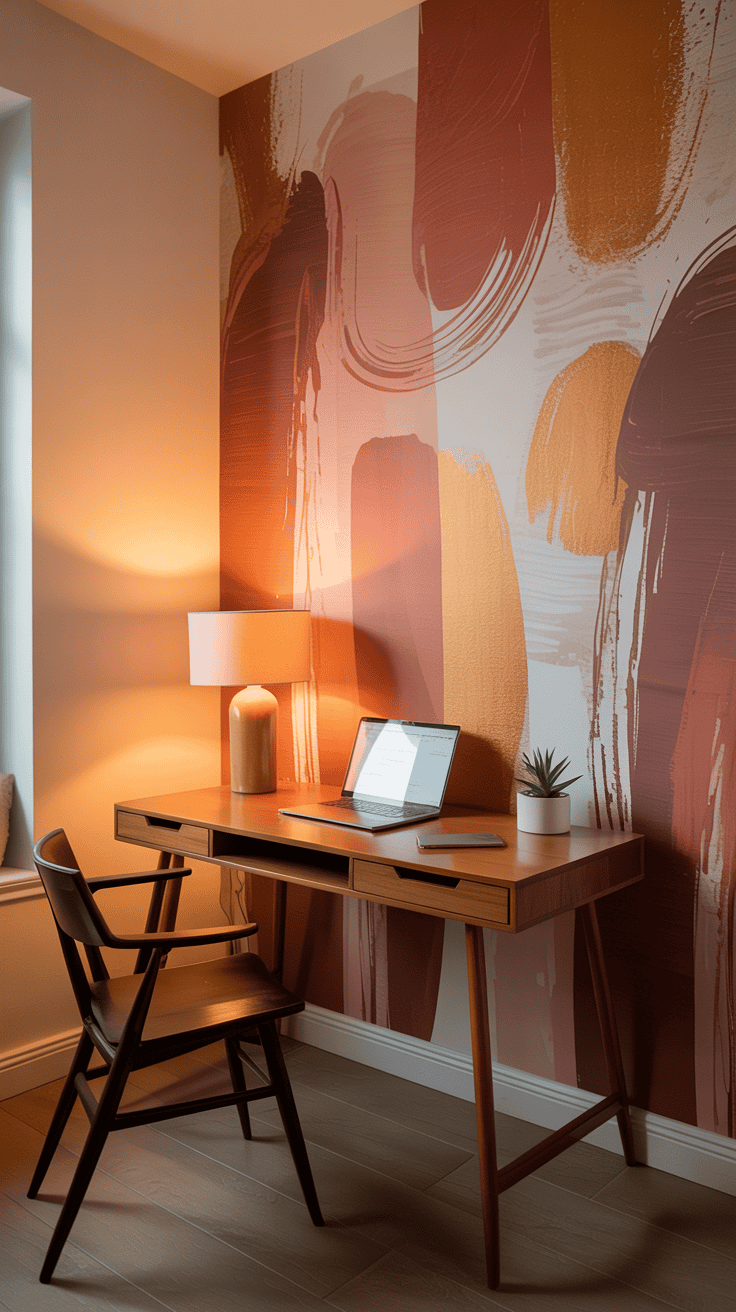
Wallpaper behind a desk gives a workspace its own identity and can make even a small home office nook feel intentional. A subtle geometric, block print, botanical, or modern abstract adds interest without requiring shelves full of decorative objects.
If your desk already holds a monitor, lamp, stationery, and other equipment, choose a relatively restrained palette so the wall doesn’t compete with everything in front of it.
This idea is especially useful when the office is tucked into a bedroom, living room, landing, or another shared space. Wallpapering only the desk wall creates a visual boundary without needing an actual divider.
Easy Office Wallpaper Styles
- Small geometric prints.
- Modern block patterns.
- Muted botanicals.
- Simple abstract designs.
Why it works: Wallpapering only the desk wall can make a small work area feel like a deliberate room within a room without taking away any usable floor space.
6. Create a Faux Brick Feature Wall
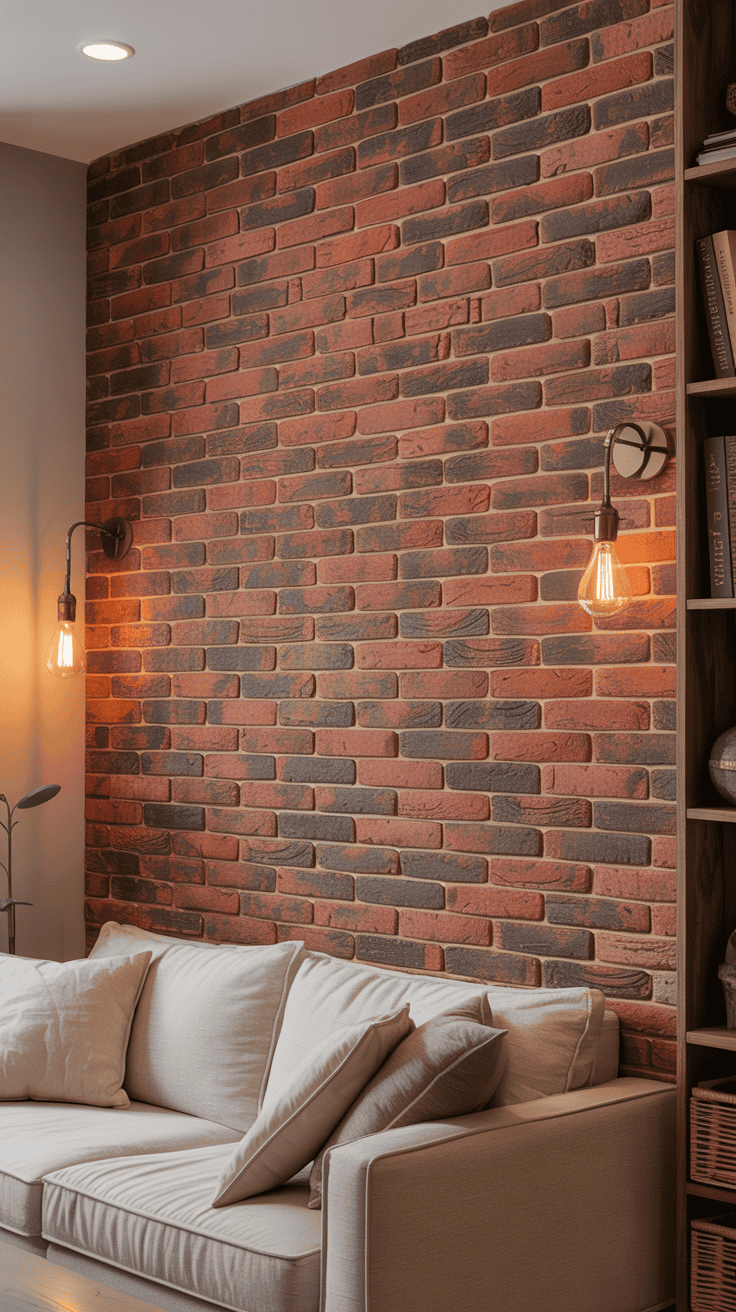
Removable brick-effect wallpaper can suggest the character of exposed brick without installing actual masonry. It works particularly well when a room feels a little too plain and you want to introduce a more architectural-looking backdrop.
The secret is choosing a convincing design. Look for realistic brick proportions, subtle color variation, and restrained shadowing rather than a print that looks excessively glossy or obviously repeated across the wall.
Warm red brick suits rustic and industrial interiors, while pale limewashed or whitewashed brick can work beautifully in farmhouse, cottage, and softer neutral spaces.
Try Faux Brick in a
- Bedroom.
- Home office.
- Living room.
- Dining nook.
Budget-friendly version: Restrict the brick effect to one smaller focal wall rather than attempting to recreate an entire loft apartment. A little texture goes a surprisingly long way.
7. Give a Reading Nook Its Own Wallpaper Moment
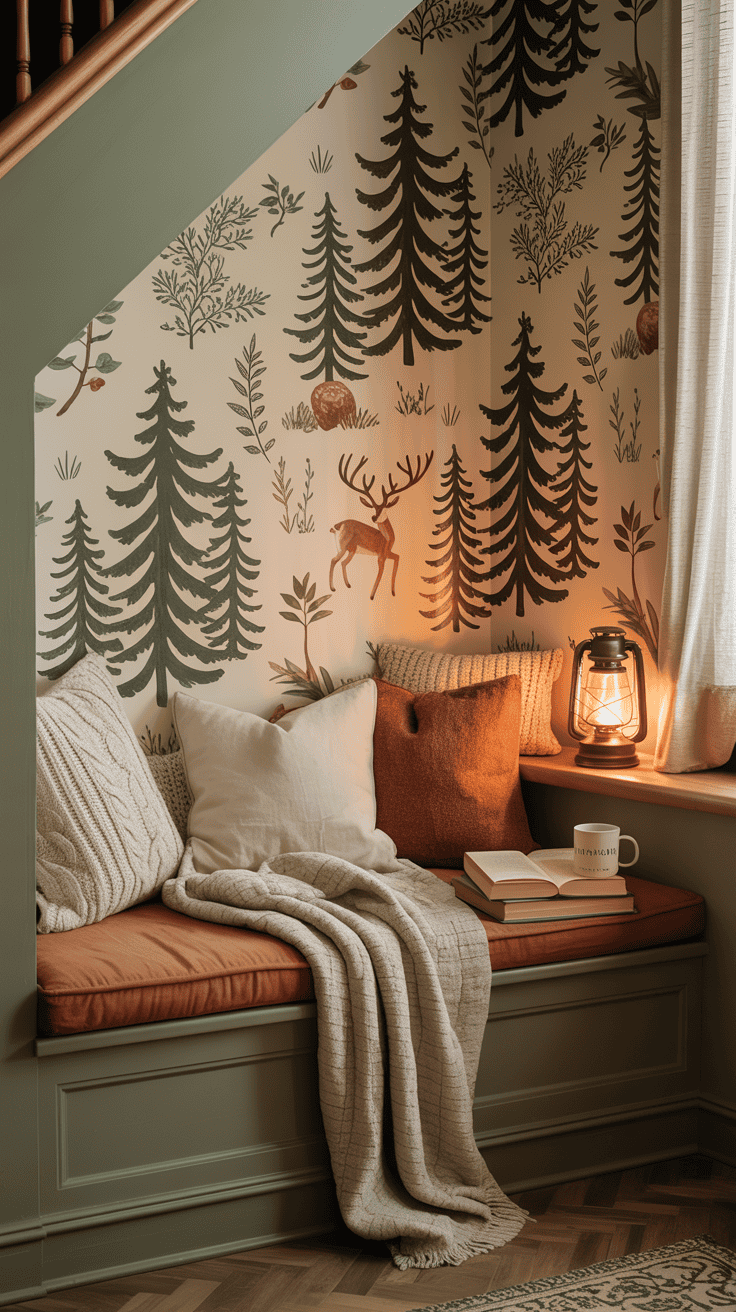
A reading corner, window seat, or small alcove can become a cozy little destination with only a few strips of wallpaper. Florals, woodland prints, vintage motifs, and soft geometrics add personality while the smaller area keeps a stronger pattern from overwhelming the room.
This is also a clever place to experiment with a design you love but might hesitate to use across a large bedroom or living room wall. Because the architecture naturally frames the wallpaper, the finished nook feels intentional rather than randomly patterned.
Complete the Nook With
- A comfortable chair.
- A practical reading lamp.
- A small side table.
- A soft cushion or throw.
Easiest upgrade: Wallpapering a small alcove can create a surprisingly noticeable transformation while using far less material than a full-size accent wall.
8. Add a Playful Pattern to a Kids’ Bedroom
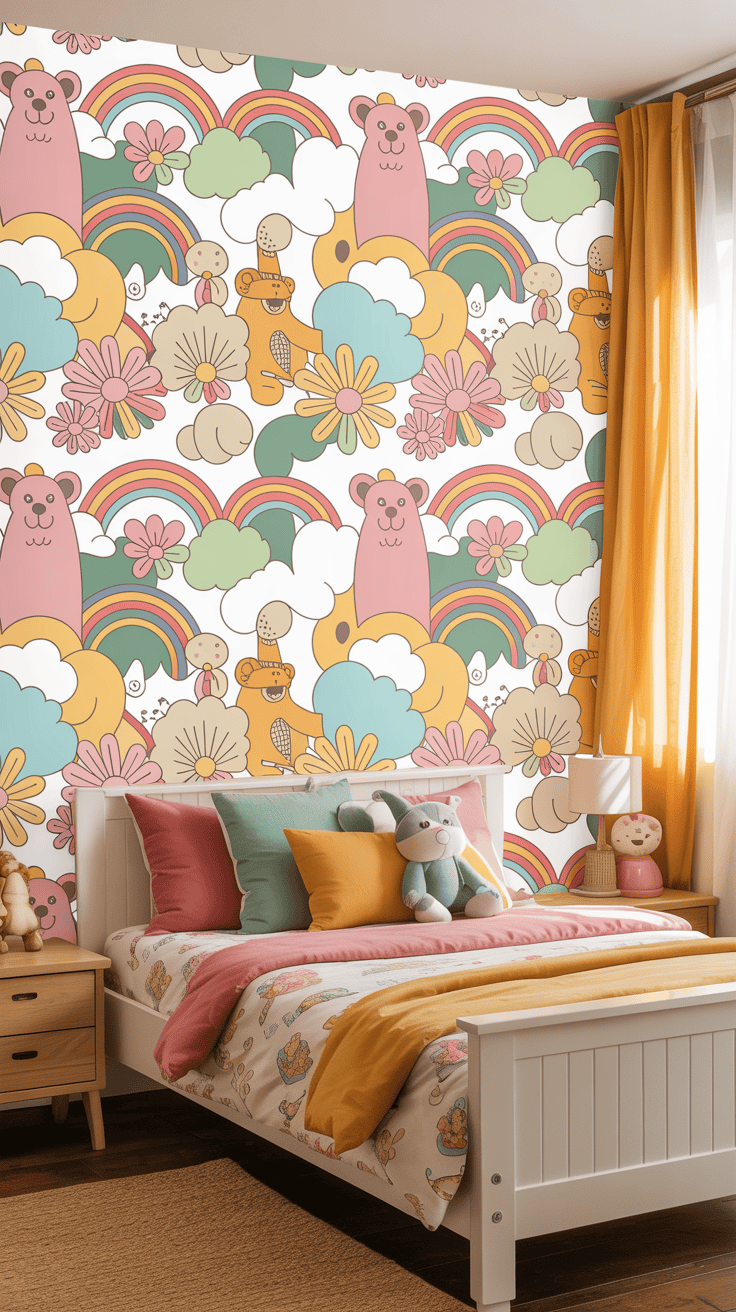
Removable wallpaper can be particularly useful in a child’s bedroom because favorite colors and themes have a habit of changing rather quickly. Stars, animals, rainbows, woodland illustrations, checks, and playful geometrics can all create a fun focal wall without needing to carry the theme across the entire room.
If you want the design to last a little longer, choose a pattern that isn’t tied too closely to one character, hobby, or age. Simple nature-inspired motifs, checks, stars, and soft geometric designs can often adapt as bedding, furniture, and accessories change.
Patterns That Can Grow With the Room
- Simple stars.
- Small-scale checks.
- Woodland motifs.
- Soft geometric shapes.
- Subtle nature-inspired prints.
Practical note: Check the manufacturer’s suitability and installation instructions for the existing wall surface before applying the wallpaper, particularly if the room has recently been painted.
9. Get the Warmth of Wood With Faux Panel Wallpaper
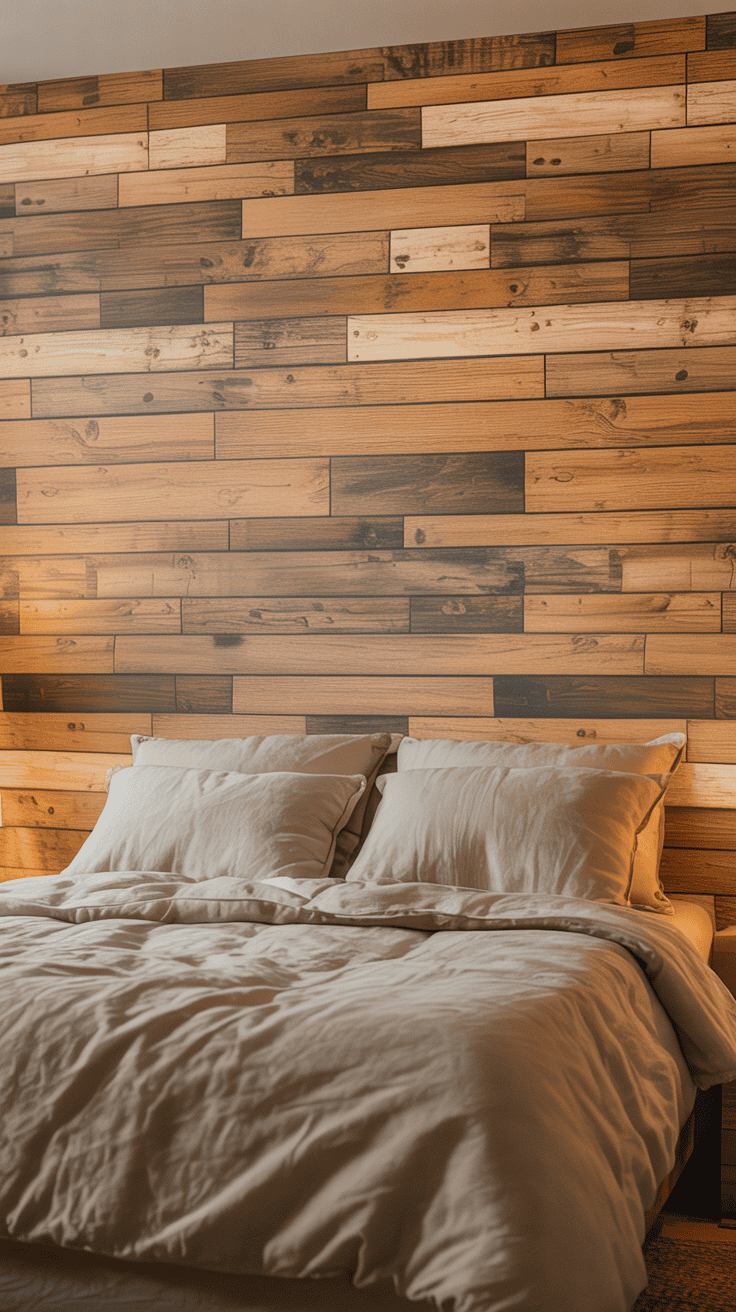
Wood-effect wallpaper can bring warmth and texture to a room without physically installing timber. It works particularly well behind a bed, sofa, or desk where you want the appearance of an architectural feature without adding much depth to the wall.
Look for designs with natural-looking grain, subtle tonal variation, and realistic board proportions. Pale oak suits Scandinavian and contemporary rooms, while warmer or more weathered finishes can work beautifully in farmhouse, rustic, and cozy interiors.
Keep the surrounding furniture fairly simple so the printed wood effect doesn’t have to compete with too many other textures. If you already have wooden furniture, aim for related tones rather than trying to create an exact match.
Wood Effects to Consider
- Pale oak.
- Warm natural timber.
- Whitewashed boards.
- Weathered farmhouse wood.
Budget-friendly version: Use the wood effect behind the bed or another natural focal point instead of covering several walls. You get the visual warmth without turning the whole room into a timber-themed experiment.
10. Make the Dining Area Feel Special With a Dramatic Print
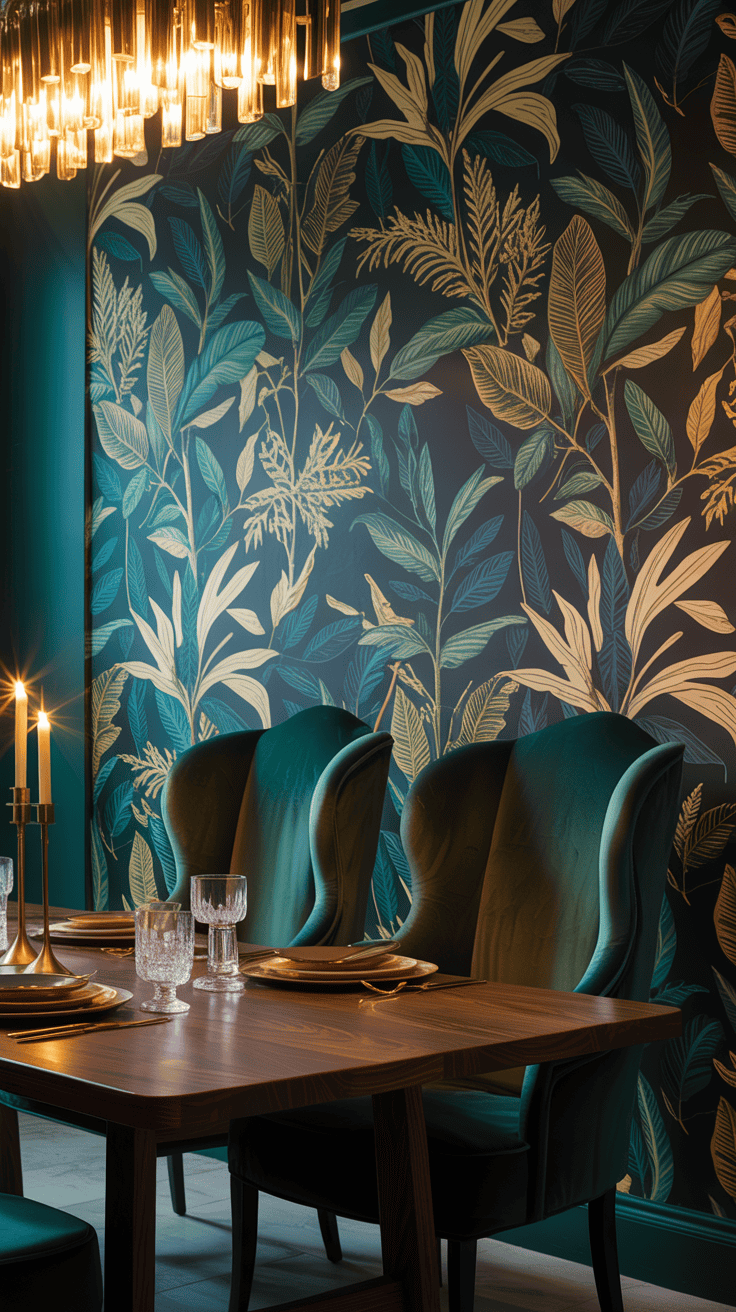
Dining rooms and dining nooks are ideal places to experiment with a bolder wallpaper. Oversized botanicals, vintage motifs, rich geometrics, and dark florals can make the table area feel much more intentional, even when it forms part of a larger open-plan room.
Place the wallpaper behind the table or along the wall that naturally anchors the dining area. Keep larger pieces of furniture relatively streamlined and repeat one or two colors from the pattern in chairs, table linens, or lighting.
In an open-plan space, this can be particularly useful because the change in wall treatment visually defines the dining zone without adding a screen, shelving unit, or other physical divider.
Dining Room Patterns to Try
- Oversized botanicals.
- Dark florals.
- Art Deco-inspired geometrics.
- Vintage scenic prints.
Creates this effect: A strong wallpaper can make an ordinary dining table feel like the center of its own beautifully defined little room.
11. Bring Vintage Character to a Plain Room
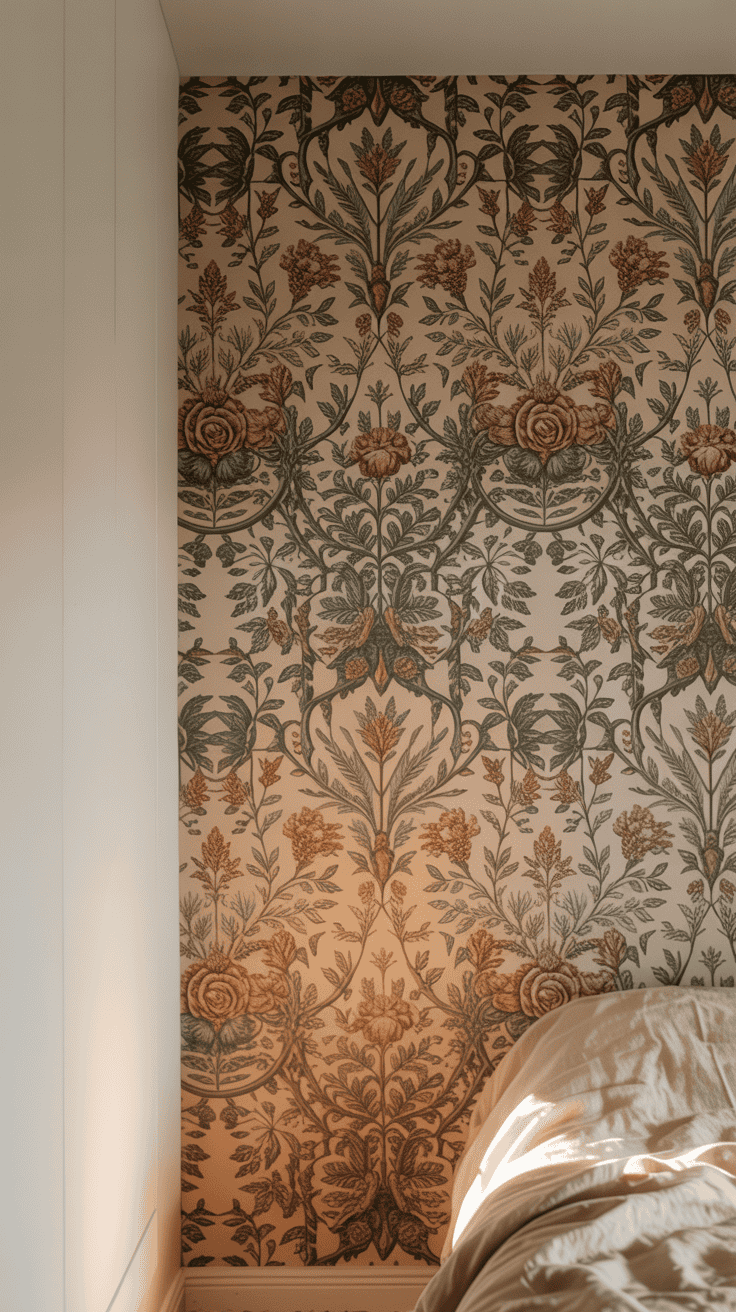
Vintage-inspired wallpaper can add a sense of history to a newer or overly plain room. Small florals, trailing vines, traditional block prints, and faded geometrics all bring in pattern without needing lots of antique furniture or decorative accessories.
Soft olive, dusty rose, faded blue, cream, ochre, and warm brown work particularly well when you want the room to feel collected rather than freshly decorated from one matching range.
Pair the wallpaper with simple furniture and introduce vintage character selectively through a lamp, mirror, bedside table, or piece of artwork. A few older-looking details usually have more impact than filling every corner.
Vintage Patterns to Consider
- Trailing botanical vines.
- Small cottage florals.
- Traditional block prints.
- Faded geometric motifs.
Most timeless option: Choose a traditional pattern in a restrained color palette. It gives you vintage character without making the entire room dependent on one decorating trend.
12. Give a Small Entryway an Instant Identity
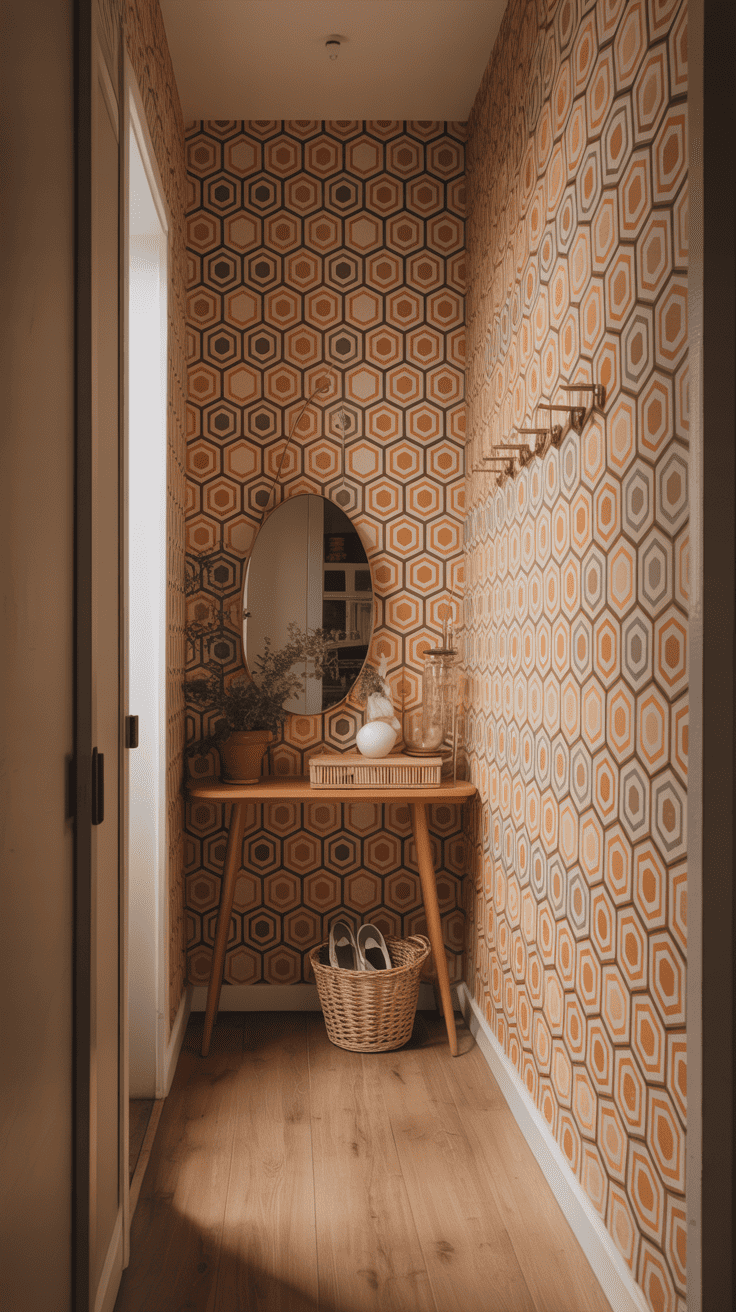
A small entryway often has very little room for decorative furniture, which makes the walls especially valuable. Wallpaper behind a narrow console, bench, row of hooks, or another practical feature can give the entrance far more personality without taking away floor space.
Botanical prints, stripes, block patterns, and small geometrics all work well. If the entryway opens directly into another room, choose colors that have some connection to the surrounding spaces so the transition feels natural.
Keep a Small Entryway Simple
- Choose one main wallpaper pattern.
- Use relatively shallow furniture.
- Add practical wall hooks where suitable.
- Keep floor clutter under control.
Small space tip: Wallpaper provides plenty of decoration without using precious floor space, making it particularly useful in narrow entrances where every inch counts.
13. Try an Abstract Wallpaper for a Modern Accent Wall
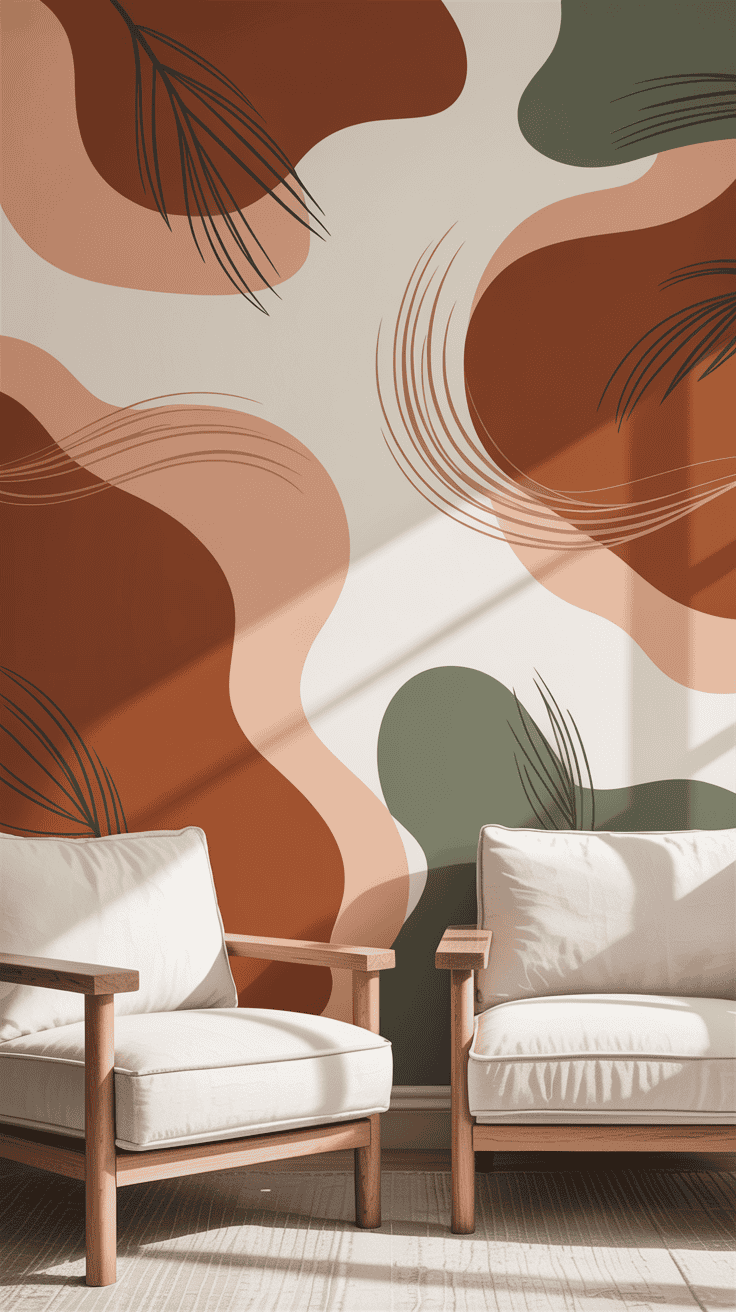
Painterly shapes, watercolor effects, sweeping lines, and layered colors can make a wall feel like oversized artwork. This is a good alternative if traditional florals or geometric repeats feel too formal for your decorating style.
Beige, clay, charcoal, muted green, cream, and soft blue work particularly well in calm contemporary rooms. Larger designs often look best when they have enough uninterrupted wall space to be appreciated properly.
Because an abstract wallpaper can already function as artwork, keep additional pictures and wall accessories to a minimum. Give the pattern some empty space rather than making it compete for attention.
Modern Abstract Styles
- Watercolor washes.
- Organic curved shapes.
- Neutral painterly patterns.
- Soft geometric abstracts.
Designer detail: Treat a large abstract design as artwork in its own right. A little breathing room around it will usually make the wall look more considered and expensive.
14. Wallpaper an Alcove Instead of the Whole Wall
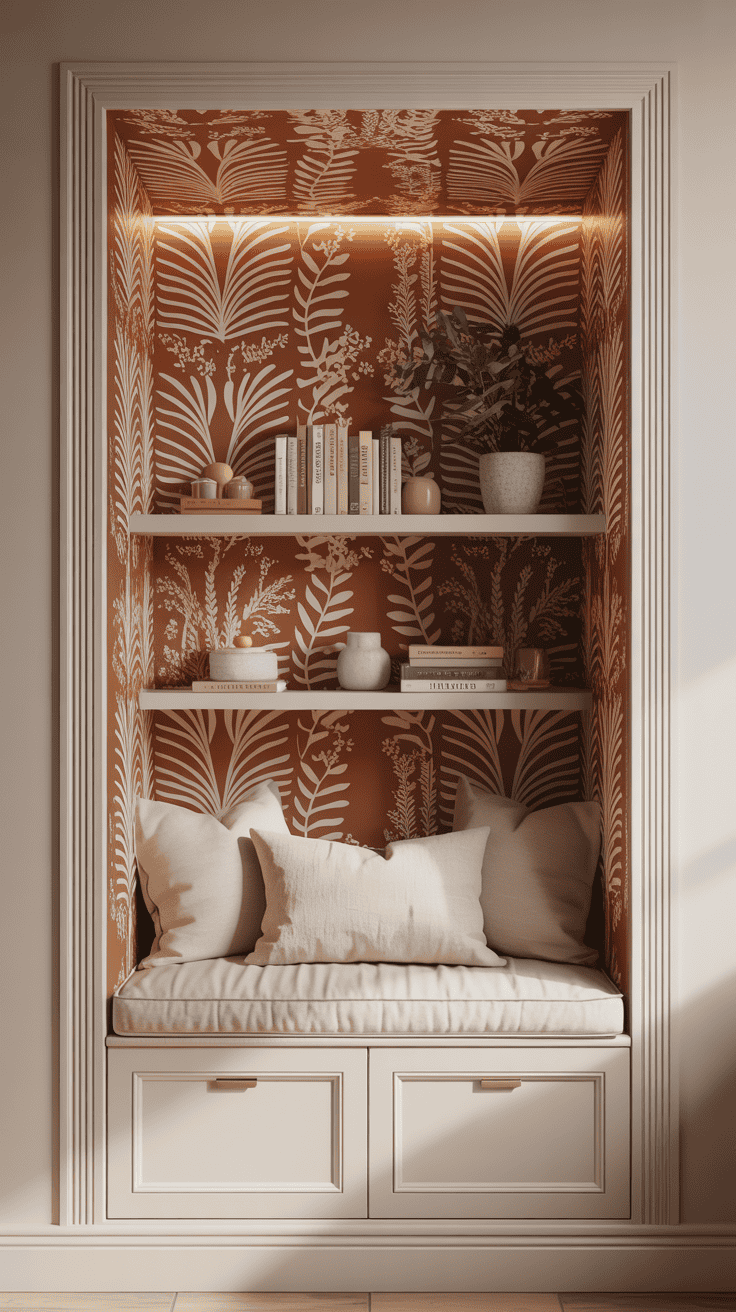
An alcove, recessed shelf, awkward niche, or space between built-ins can become a feature with a surprisingly small amount of wallpaper. It’s also a useful way to experiment with a stronger pattern if covering an entire wall feels like too much.
The surrounding architecture naturally frames the design, making the wallpaper feel intentional. This works particularly well behind shelves, inside a desk recess, around a reading nook, or in a bedroom alcove.
Good Places to Try It
- Built-in shelving.
- Reading nooks.
- Small desk recesses.
- Bedroom alcoves.
- Dining niches.
Easiest upgrade: A small recess lets you experiment with color and pattern while using much less material than a full accent wall. If shelves will cover part of the design, choose a pattern that still looks attractive when partially hidden.
15. Keep It Sophisticated With Monochrome Wallpaper
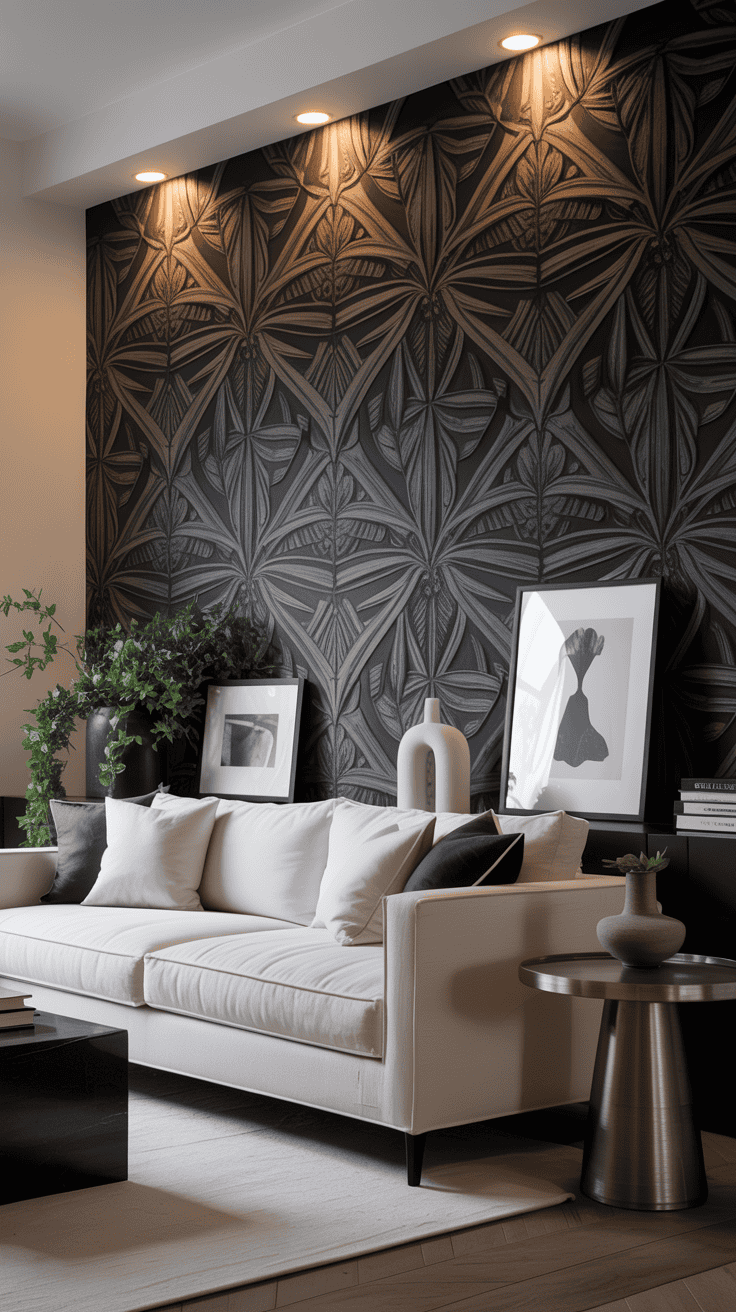
Monochrome wallpaper is a clever option when you want a strong pattern without introducing lots of competing colors. Black and cream botanicals, charcoal geometrics, tonal gray designs, and hand-drawn motifs can all create a sophisticated focal wall.
For a softer interpretation, look beyond pure black and white. Charcoal, taupe, or warm brown on an ivory background creates contrast while feeling gentler alongside wood furniture and warm neutral textiles.
This approach works particularly well in bedrooms, offices, dining rooms, and living spaces where you want the wallpaper to make a statement while keeping the wider color palette relatively restrained.
Soften Monochrome Wallpaper With
- Warm wood furniture.
- Cream and oatmeal textiles.
- Woven natural materials.
- Soft ambient lighting.
Why it works: A limited palette gives you freedom to choose a stronger pattern without adding lots of unrelated shades to the room.
You Might Also Like
Which Wall Should You Choose for Removable Wallpaper?
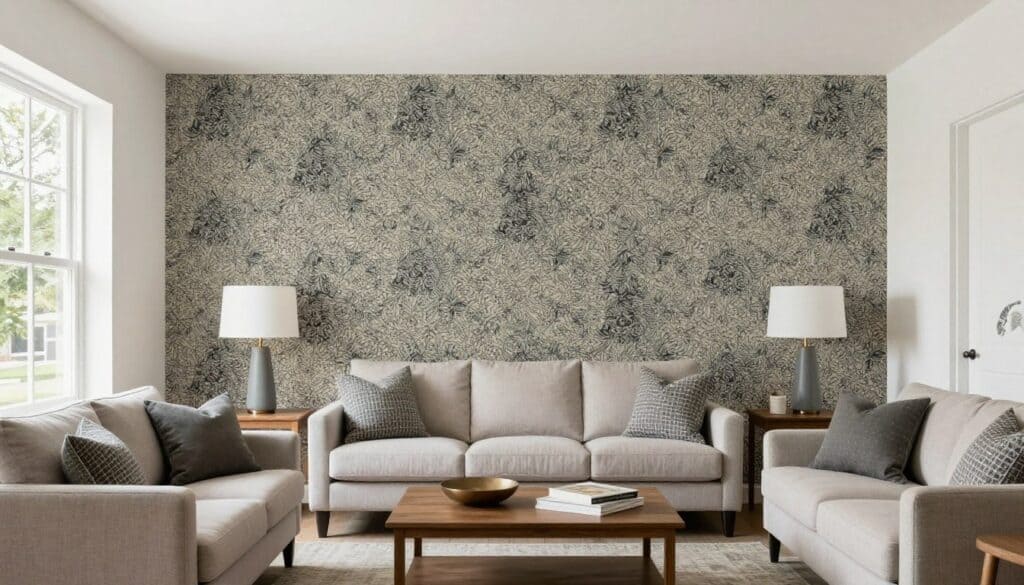
The best accent wall is usually the wall the room already wants people to notice. Rather than forcing a focal point into an awkward position, use wallpaper to strengthen the natural layout that is already there.
- Bedroom: The wall behind the bed is usually the easiest and most balanced choice.
- Living room: Consider the wall behind the sofa or another natural focal area.
- Dining room: Use wallpaper to visually anchor the table.
- Home office: Wallpaper behind the desk to define the workspace.
- Entryway: Choose the wall visitors naturally see as they enter.
- Open-plan room: Use wallpaper to define one functional zone without adding a physical divider.
Walls with doors, windows, or other architectural features are not automatically wrong, but a relatively open surface often allows a repeating pattern or mural to read more clearly.
You Might Also Like
Removable Wallpaper Ideas for Small Rooms
Small rooms don’t have to be limited to plain walls. Wallpaper can actually be especially useful when floor space is tight because it adds personality without requiring another piece of furniture or decorative object.
- Try tonal patterns: Low-contrast designs add detail without creating too much visual noise.
- Use an alcove: A recessed area gives you impact without dominating the room.
- Consider vertical patterns: Upward-moving lines can emphasize wall height.
- Keep surrounding walls quieter: Give the accent wall room to stand out.
- Reduce extra wall decor: Patterned wallpaper may already provide enough decoration.
- Use wallpaper to define a zone: This works particularly well for desks, reading corners, and dining nooks.
Small space tip: Don’t automatically assume that a tiny room needs a tiny pattern. A larger-scale design can work beautifully when it is limited to one wall and given enough quiet space around it.
How to Choose a Wallpaper Pattern You’ll Still Love Later
Wallpaper can look very different on a product page than it does across an entire wall. Color, pattern scale, lighting, and the furniture already in the room can completely change how a design feels, so sampling is worth the extra step whenever possible.
- Order a sample when possible: View it on the actual wall rather than choosing from a screen alone.
- Check the pattern scale: Online photographs can make motifs appear larger or smaller than they really are.
- View it throughout the day: Natural and artificial light can noticeably change the colors.
- Compare it with existing furniture: The wallpaper should work with the room you actually have, not just the styled photograph that sold you the sample.
- Check the pattern repeat: This affects both the finished appearance and the amount of material you may need.
- Measure carefully: Follow the supplier’s quantity guidance and allow for pattern matching, trimming, and reasonable installation waste.
Practical tip: Tape a sample in place and live with it for a few days if you can. A pattern that seemed wonderfully dramatic for five minutes may feel rather more enthusiastic by Wednesday morning.
Common Removable Wallpaper Mistakes to Avoid
Peel-and-stick wallpaper can make an accent wall easier to create, but a little preparation still matters. Checking the product requirements before installation can save a great deal of frustration later.
- Assuming every wall is suitable: Check the paint type, texture, surface condition, and any restrictions given by the manufacturer.
- Skipping the test: Try an inconspicuous area first when appropriate.
- Applying it to an unprepared surface: Follow the product guidance for cleaning, drying, paint curing, and other preparation.
- Ignoring pattern matching: Plan how adjoining panels will align before you start applying them.
- Ordering too little: Pattern repeats, trimming, mistakes, and wall dimensions can all affect how much material you need.
- Choosing from a screen only: Color and scale may look noticeably different once the design is in the room.
- Assuming removable means damage-proof: Removal results can vary depending on the wallpaper, adhesive, wall surface, paint, installation, and length of time it has been in place.
An Easy Removable Wallpaper Accent Wall Formula
If you love wallpaper but worry about creating a room that feels too busy, keep the rest of the decorating formula simple.
- Choose one natural focal wall.
- Select wallpaper with two or three colors that already work with the room.
- Repeat one wallpaper color in a textile or accessory.
- Keep larger furniture relatively simple.
- Limit extra artwork on a highly patterned wall.
- Let the wallpaper be the main decorative feature.
This gives the room a clear focal point without making every cushion, lamp, picture, and accessory compete with the wallpaper for attention.
Final Thoughts
Removable wallpaper can create a noticeable decorating change without committing to a permanent wall treatment. You might try a botanical behind the bed, a landscape mural in the living room, a playful print in a small nook, or a sophisticated monochrome design in a home office or dining area.
The key is to choose both the wall and the pattern deliberately. Check that the product is suitable for your surface, measure carefully, sample the design when possible, and follow the manufacturer’s installation and removal instructions.
Then give the finished wall enough quiet space around it to shine. When one pattern is allowed to be the main event, even a previously forgettable wall can make the whole room feel more finished.
Accent Wall Decor
Discover stylish finishing touches for creating a standout accent wall, from mirrors and wall art to shelves, decorative panels, lighting, and beautiful statement pieces.
Shop Accent Wall Decor