
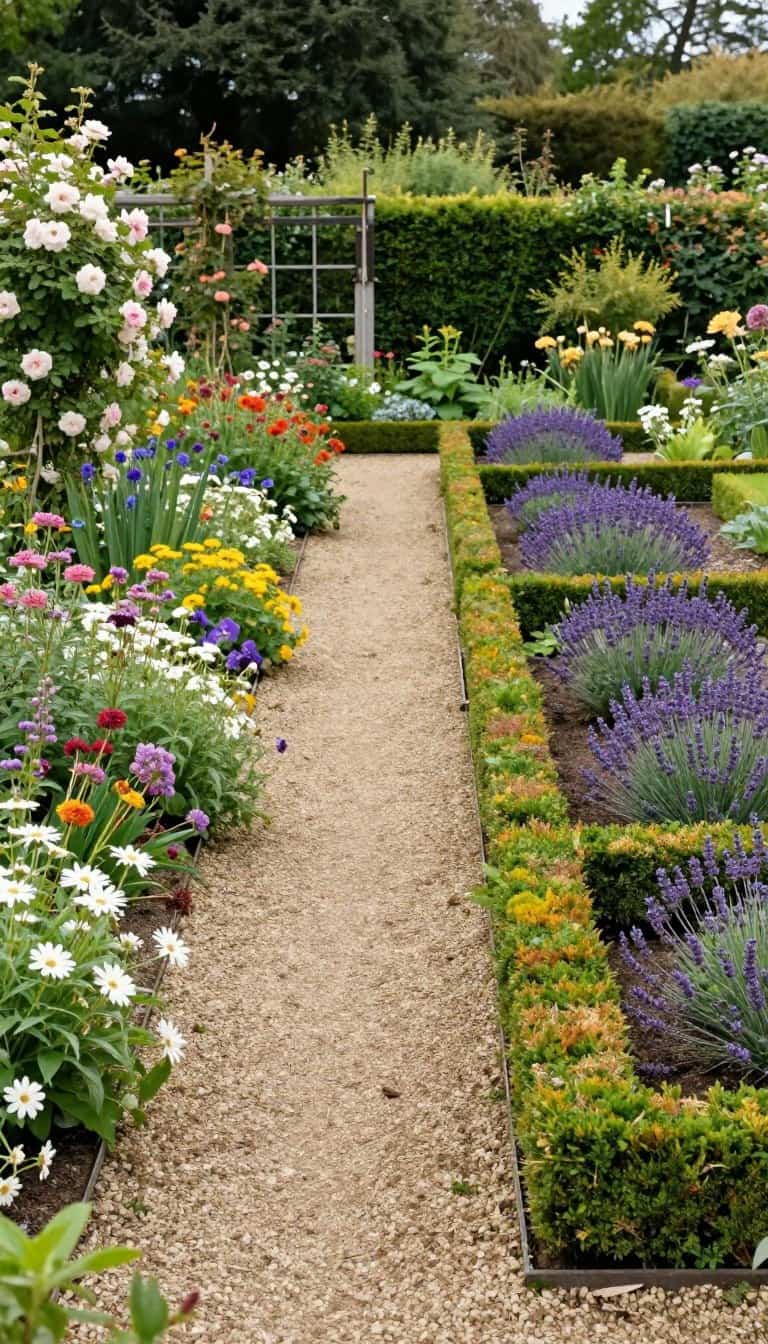
English Cottage Garden vs French Country Garden: What’s the Difference?
They are often grouped together, but English cottage gardens and French country gardens feel completely different once you look a little closer.
One leans soft, romantic, and slightly wild. The other feels structured, balanced, and quietly refined. Both are beautiful, just in very different ways.
If you are trying to decide which style fits your space or your gardening vision, this breakdown makes it clear.
🌿 The Overall Feel
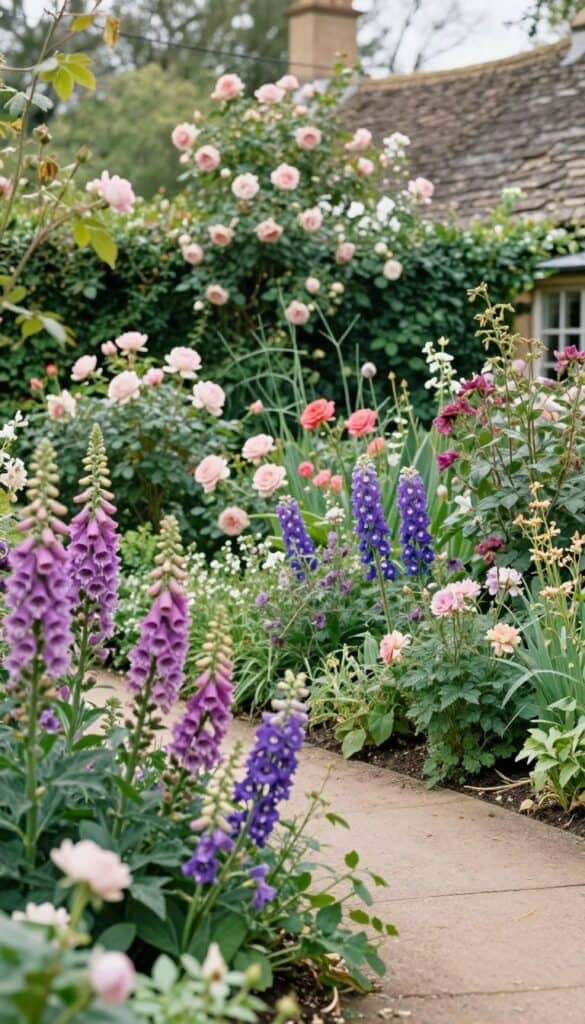
English Cottage Garden
An English cottage garden feels like it has grown naturally over time. It is relaxed, full, and a little untamed in the best way.
Plants spill over edges, flowers mix freely, and nothing feels too controlled. The whole space has a softness that makes it feel romantic and lived in.
- Loose, natural, and layered
- Romantic and slightly wild
- Full of softness and movement
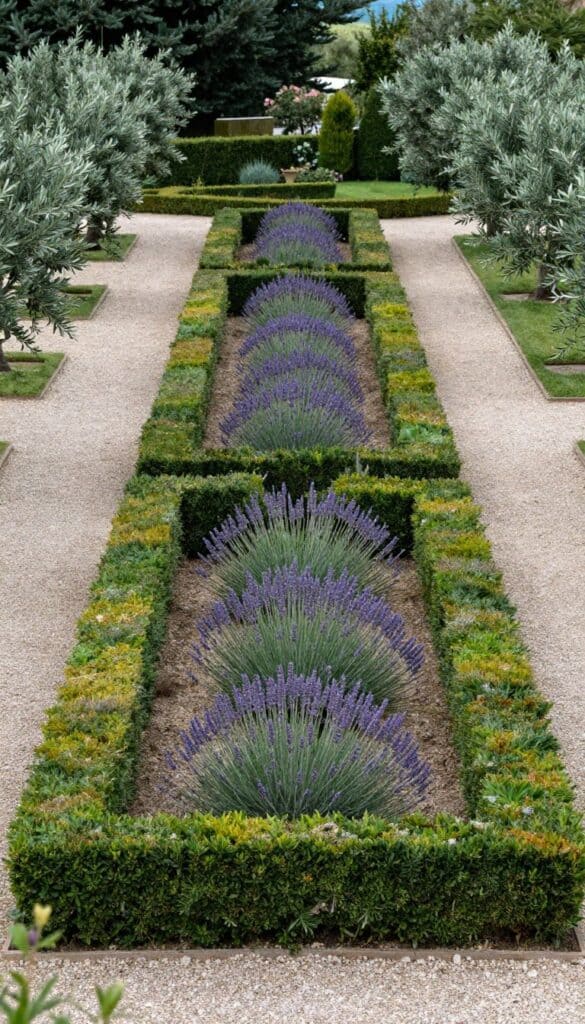
French Country Garden
A French country garden feels more intentional from the start. It still has natural beauty, but it sits on top of a more balanced and structured layout.
There is a calmness to it. Even when planting is relaxed, the garden still feels ordered, elegant, and quietly refined.
- Structured but not stiff
- Calm, elegant, and grounded
- More about balance than abundance
🌸 Planting Style
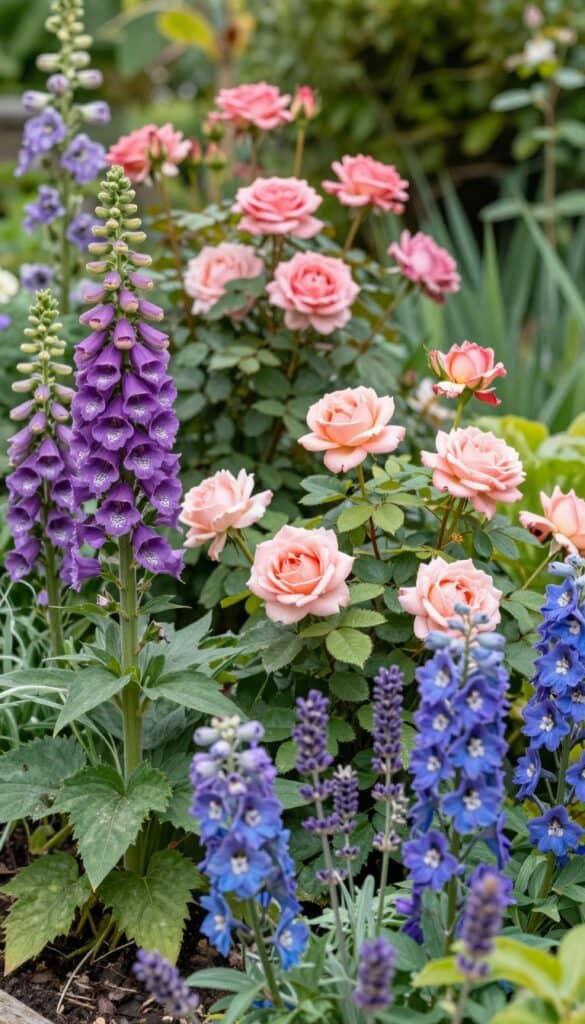
English Cottage Garden
Planting in an English cottage garden is dense, mixed, and full of overlap. Flowers, herbs, and sometimes vegetables are all grown closely together.
That is what gives the garden its lush, overflowing look. It feels generous, layered, and a little unpredictable in a charming way.
- Roses, foxgloves, delphiniums, lavender
- Plants mixed closely together
- Layers of height, colour, and texture
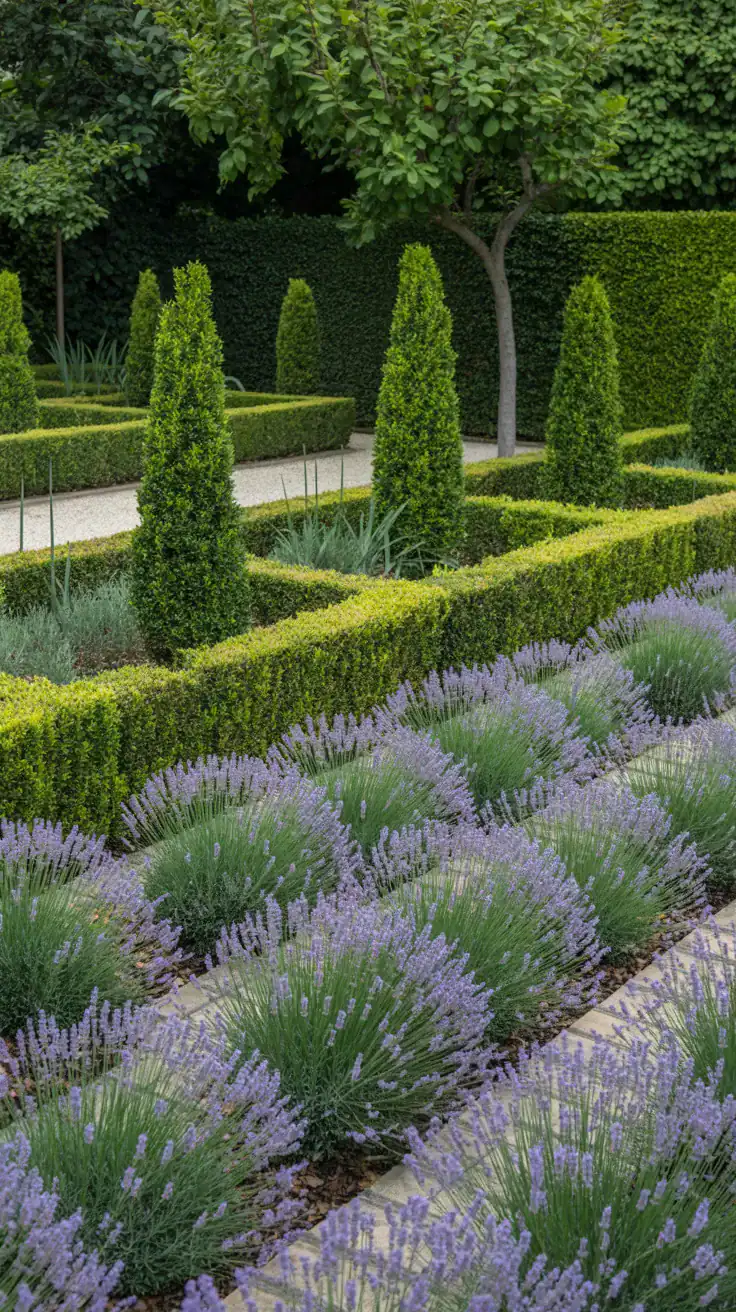
French Country Garden
Planting in a French country garden is usually simpler and more organised. Instead of mixing everything together, the same plants are often repeated for rhythm and harmony.
There is more breathing room between plants, which gives the whole garden a cleaner and more composed look.
- Lavender, boxwood, olive trees, herbs
- Repetition rather than mixing
- Clean groupings and deliberate spacing
🌿 Layout and Structure
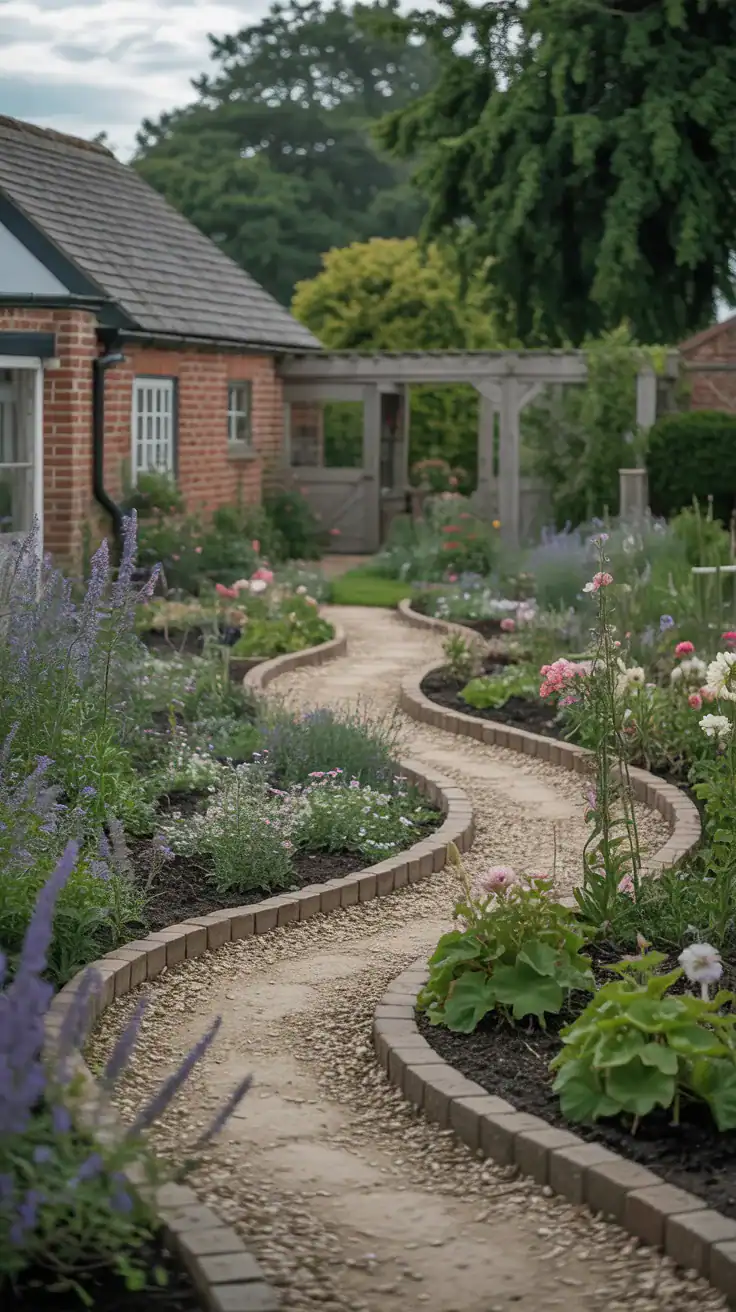
English Cottage Garden
English cottage gardens rarely feel rigid. Paths curve, beds feel organic, and the layout often looks as though it evolved slowly over time.
Even when it has been carefully planned, it is designed to feel natural and unforced. That softness is part of its charm.
- Curved or meandering paths
- Irregular planting beds
- Soft edges and flowing shapes
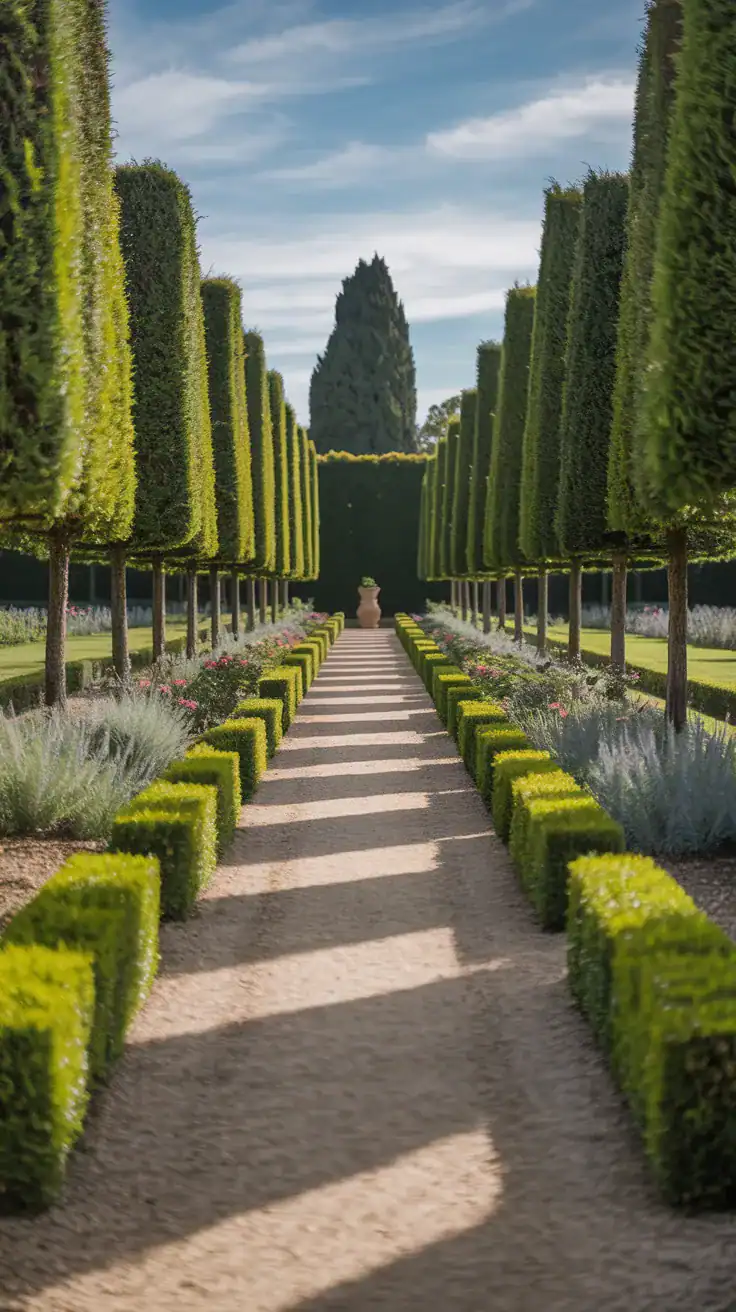
French Country Garden
Structure matters much more in a French country garden. The layout usually feels clear and intentional, even when the space still looks relaxed.
Straighter lines, defined beds, and subtle symmetry give it that balanced, elegant look.
- Straight or clearly defined paths
- Structured beds and borders
- Balanced and intentional layout
🌼 Colour Palette
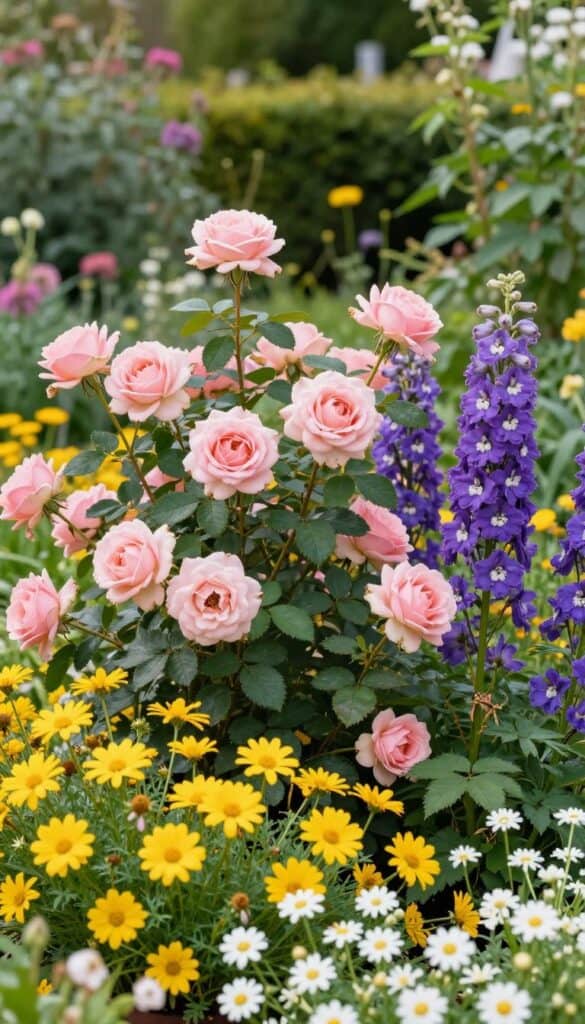
English Cottage Garden
English cottage gardens tend to be more colourful and layered. They often combine soft pastels with brighter tones, creating a cheerful, busy, and charming effect.
The palette feels joyful rather than restrained, with lots of variation and contrast working together.
- Pinks, purples, yellows, and whites
- Lots of variation and contrast
- A slightly wildflower-like feel
French Country Garden
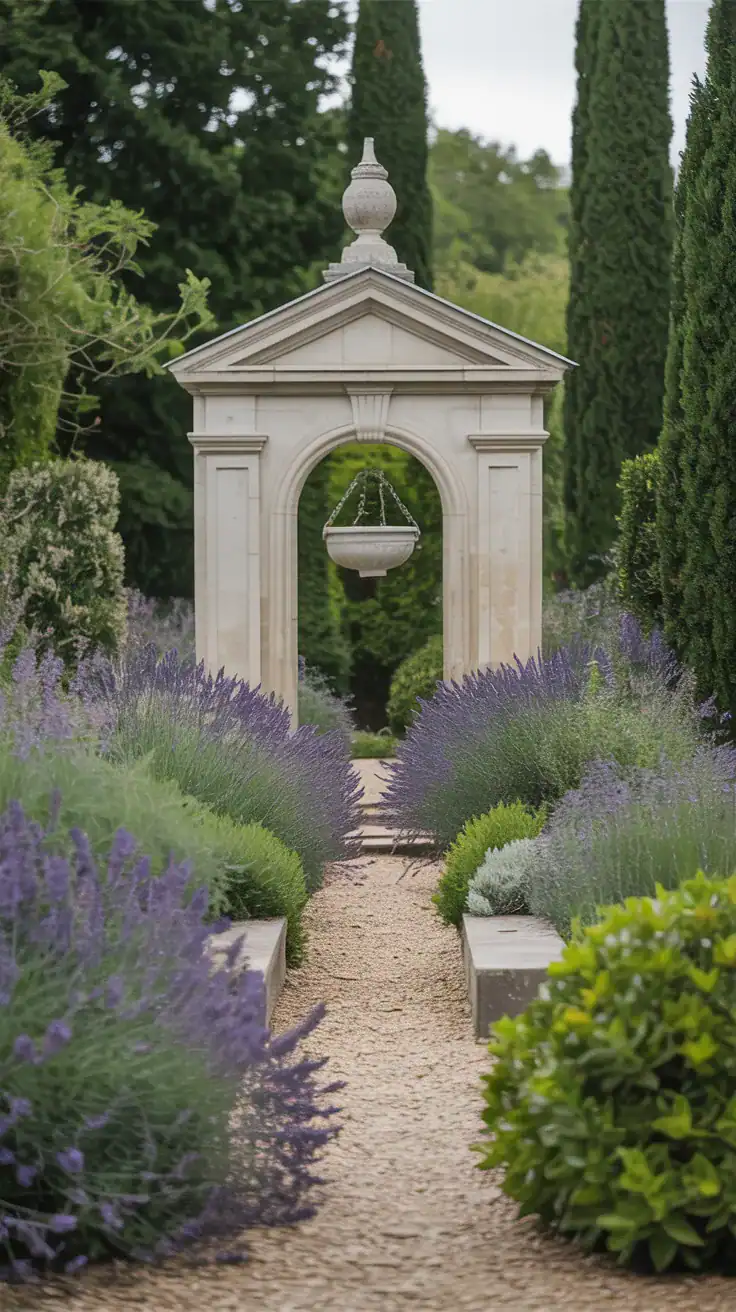
The French country palette is usually softer and more restrained. It leans into muted greens, lavender tones, creams, and dusty blues.
Instead of contrast, the goal is harmony. The colours feel sun-washed, calm, and cohesive.
- Soft greens, lavender, creams, dusty blues
- More limited colour palette
- Subtle and elegant combinations
🪵 Materials and Features

English Cottage Garden
Materials in an English cottage garden usually feel rustic and informal. Weathered wood, natural stone, and vintage touches all add to the cosy, lived-in atmosphere.
Nothing feels too polished, and that is exactly why it works so well.
- Wooden gates, arches, and trellises
- Cottage-style fences
- Vintage pots and informal garden details

French Country Garden
French country gardens still use natural materials, but in a more polished way. Stone, gravel, iron, and terracotta are often arranged with more structure and restraint.
The overall effect feels rustic, but refined.
- Gravel paths and stone walls
- Iron furniture or accents
- Terracotta pots in tidy arrangements
🌿 Maintenance Style

English Cottage Garden
English cottage gardens may look effortless, but they still need regular care to keep that lush, layered feel from tipping into chaos.
Still, a little imperfection is part of the charm. The garden is guided rather than tightly controlled.
- Regular pruning and deadheading
- Plants often allowed to self-seed
- More forgiving, slightly wild upkeep

French Country Garden
French country gardens are maintained with more emphasis on shape and definition. Hedges, spacing, and structure need to stay tidy for the design to hold together.
It is less about letting things wander and more about preserving balance.
- Pruned shrubs and defined shapes
- Controlled growth and spacing
- Clean, uncluttered appearance
🌼 Which One Should You Choose?
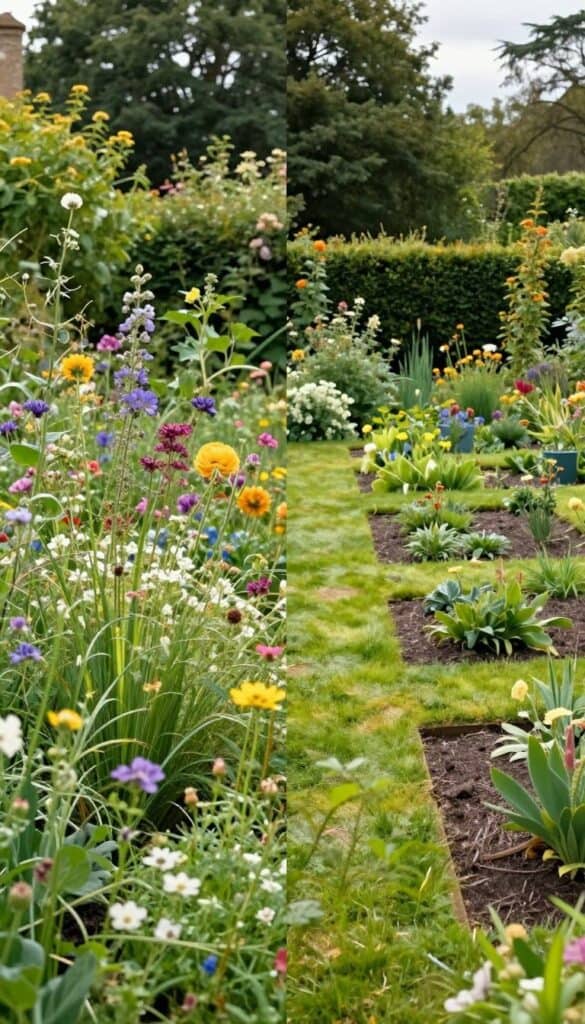
If you love a soft, romantic garden that feels like it has grown into itself over time, the English cottage garden is probably your style.
If you prefer a calmer, more structured space with quiet elegance and a stronger sense of order, the French country garden may feel more like home.
Both styles have beauty and character. It just depends on whether you are drawn more to abundance or restraint.
And honestly, some of the most beautiful gardens borrow a little from both.
Choose English Cottage Garden If You:
- Love abundant, overflowing flowers
- Prefer a romantic, storybook feel
- Enjoy mixing lots of plant varieties
- Want a garden that feels relaxed and natural
Choose French Country Garden If You:
- Prefer structure and quiet elegance
- Like symmetry and visual order
- Enjoy restrained, cohesive colour palettes
- Want year-round shape and definition
Creating Your Own Version
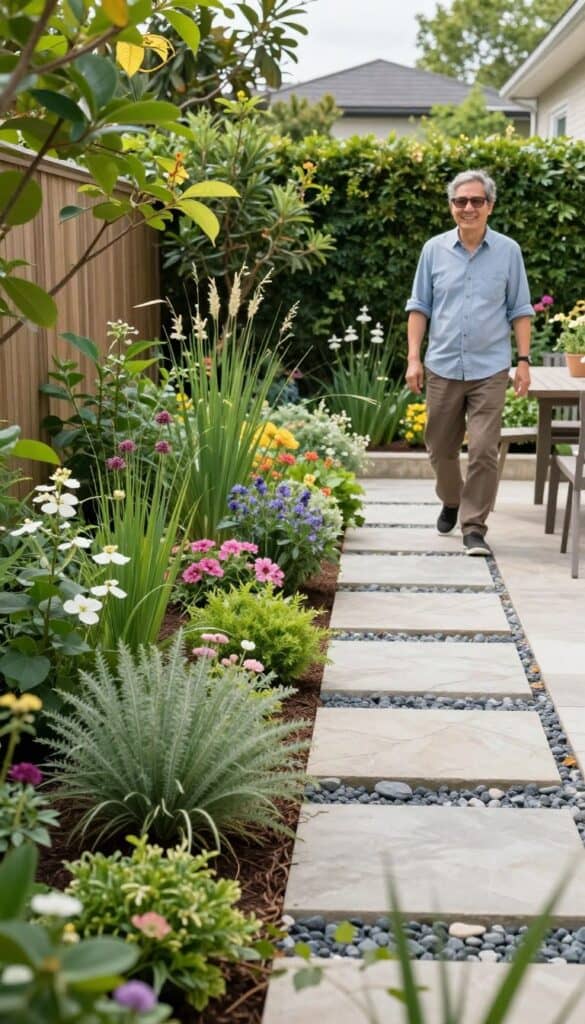
You do not have to follow one style perfectly. Use these ideas as a guide, then shape them around your own space, climate, and how you want the garden to feel.
The most beautiful gardens are not always the most exact. They are the ones that feel personal, natural, and easy to enjoy every day.
Whether you lean towards the romantic abundance of an English cottage garden or the refined structure of a French country garden, the best result is the one that feels right to you.