
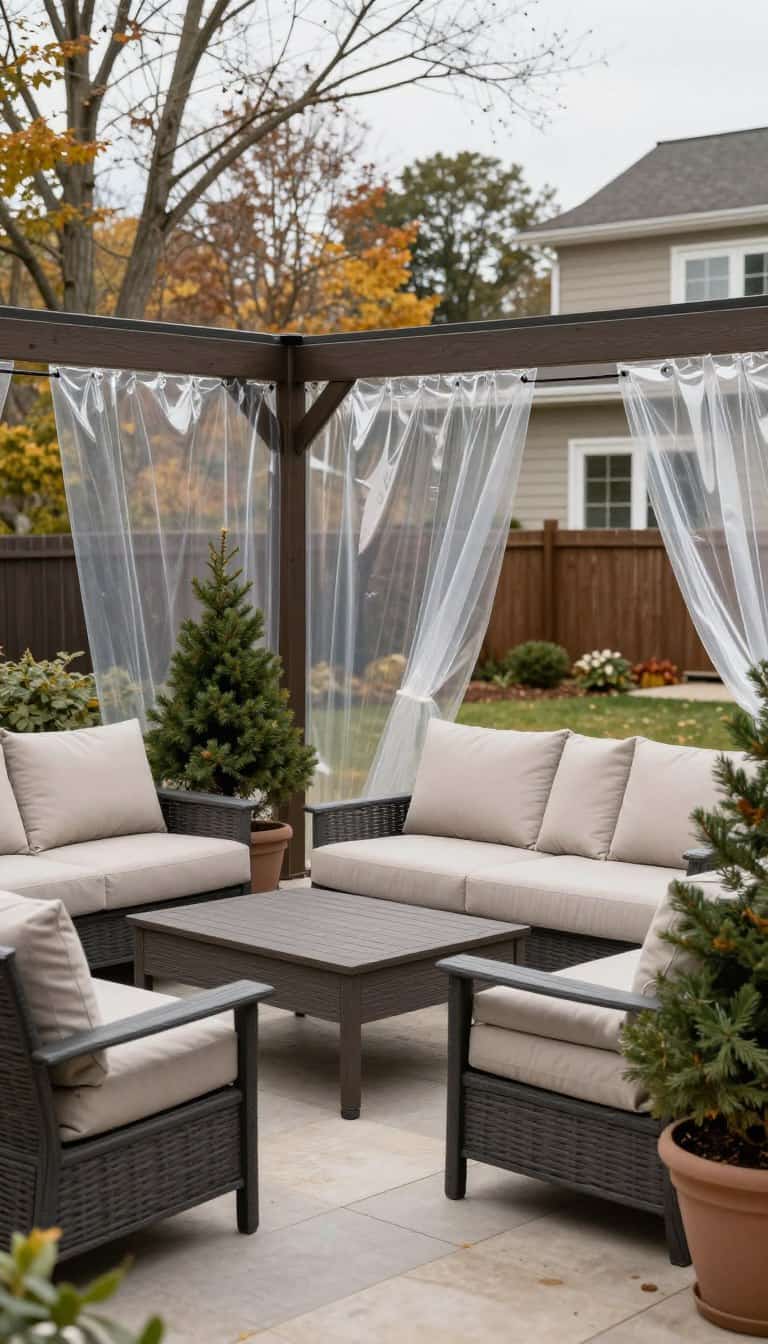
Closing Down the Patio for Winter: A Simple End-of-Season Checklist
There comes a point every fall when you have to admit that patio season is coming to an end.
The cushions are slightly damp in the mornings, the evenings suddenly require a blanket, and that iced drink you were happily enjoying outside a few weeks ago no longer seems quite so appealing.
Closing down the patio for winter might not be the most exciting seasonal job, but a little work now can save you from faded cushions, cracked pots, rusty furniture, and the unpleasant discovery of a forgotten outdoor rug when spring finally arrives.
The good news is that you do not need to completely dismantle your outdoor space. A few sensible jobs will protect what you have, make spring setup much easier, and leave the patio looking tidy rather than abandoned for the next few months.
You also do not have to tackle everything in one exhausting afternoon. Start with the things most vulnerable to cold and wet weather, then work through the furniture, pots, and general cleanup as the season changes.
Quick Guide: Closing Down Your Patio for Winter

If you are short on time, concentrate on these jobs first:
- Soft furnishings: Bring outdoor cushions, throws, and other vulnerable fabrics indoors.
- Furniture: Clean it before covering or storing it.
- Plant pots: Empty or protect containers that could crack during freezing weather.
- Outdoor rugs: Clean, dry, roll, and store them somewhere protected.
- Umbrellas: Clean and store patio umbrellas and parasols before strong winter winds arrive.
- Patio surface: Sweep away leaves, soil, and other debris, particularly around drainage areas.
- Water: Disconnect hoses and protect outdoor plumbing as appropriate for your climate and system.
- Lighting: Inspect outdoor lights and store anything not intended for winter use.
- Wind: Secure or store anything lightweight enough to move during a storm.
- Winter interest: Leave a few hardy plants or weather-resistant pieces outside so the patio still looks welcoming.
Easiest approach: Deal with soft furnishings first, furniture second, and pots and accessories next. Once those are protected, you can finish with the patio surface and final winter checks.
1. Bring Patio Cushions Indoors

Start with anything made from fabric. Outdoor cushions may technically be weather-resistant, but that does not mean they particularly enjoy spending several months being soaked, frozen, thawed, and soaked again.
Brush or vacuum away loose dirt before storing them and make sure every cushion is completely dry. Putting even slightly damp cushions into a storage box, garage, or shed is an excellent way to introduce yourself to mildew.
If the covers are removable, wash them according to their care instructions before putting them away. Check the inner cushions as well rather than assuming a dry-looking cover means everything underneath is equally dry.
Good Places to Store Patio Cushions
- Indoor closets or cupboards.
- A dry garage.
- Suitable loft or attic storage.
- A dry, weatherproof deck box suitable for fabric storage.
- Large breathable storage bags in a dry location.
Avoid sealing damp cushions inside plastic bags or putting them into storage while they still feel cool and clammy from being outdoors.
Small-space tip: If indoor storage is limited, removable cushion covers and throws can take up far less room when folded or stored appropriately. Keep bulky cushion inserts together in the driest protected space you have available.
Why it matters: Keeping fabrics clean and completely dry over winter can help prevent mildew, staining, unpleasant smells, and unnecessary fading.
2. Give Your Patio Furniture a Clean

It is tempting to throw a cover over the furniture and declare the job finished, but cleaning everything first is worth the extra effort. Dirt that looks harmless in fall is considerably less appealing after it has spent an entire winter sitting against the surface.
Remove leaves, cobwebs, pollen, bird mess, and general dirt, then allow the furniture to dry thoroughly before covering or storing it. The exact cleaning method will depend on what the furniture is made from, so check the manufacturer’s care instructions where available.
Wooden Furniture

Brush away loose debris and clean the furniture using a method suitable for the particular wood and finish. Mild soapy water may be appropriate for many pieces, but always check the care guidance first.
Once the furniture is completely dry, some woods may benefit from an appropriate protective oil or treatment. Avoid assuming that every wooden table needs the same product, as finishes and timber types vary.
Practical detail: Pay attention to joints, feet, and horizontal surfaces where water tends to collect. These areas can remain damp long after the rest of the furniture looks dry.
Metal Furniture

Wipe metal furniture clean and inspect it for chipped coatings, loose fittings, or early signs of corrosion. Small areas are much easier to deal with before months of wet weather have had a chance to make them worse.
If the manufacturer recommends touching up damaged coatings or treating exposed metal, complete the job while the furniture is clean and dry.
Easiest winter check: Look underneath chairs and tables as well as across the obvious surfaces. Rust often begins around joints, feet, screws, and areas where water collects.
Plastic or Resin Furniture

Plastic and resin furniture is usually fairly easy to clean. Wash it according to the care instructions, remove accumulated dirt from joints and textured surfaces, and let everything dry before storage or covering.
Lightweight furniture is worth moving somewhere sheltered if your patio is exposed to strong winter winds. A chair that sits perfectly happily in July can become considerably more adventurous during a January storm.
Why it matters: Cleaning furniture before winter removes dirt and organic debris that could otherwise sit against the surface for months, while a quick inspection gives you the chance to deal with minor damage before harsher weather arrives.
3. Cover Furniture That Will Stay Outside

Not everyone has a garage large enough to accommodate an entire patio dining set, and thankfully you usually do not need one. Furniture designed to remain outdoors can often stay in place with the right protection and care.
Use outdoor furniture covers suitable for the pieces underneath and secure them according to the manufacturer’s instructions. A properly fitted cover is generally much easier to manage than a huge loose sheet that turns into a sail every time the wind picks up.
Ventilation matters too. A cover should protect the furniture from the worst of the weather without creating a permanently damp pocket underneath. Make sure both the furniture and cover are dry when you put them in place.
Where appropriate for the furniture design, avoid allowing rainwater to collect in deep pockets on covers or flat surfaces. Check everything occasionally during winter, particularly after prolonged rain, snow, or strong winds.
Designer detail: Dark or neutral fitted covers tend to make a closed-down patio look much tidier from inside the house than a collection of mismatched tarps.
Why it works: Good covers reduce direct exposure to rain, frost, leaves, dirt, and bird mess while allowing you to leave larger furniture in place until spring.
4. Clean and Store the Outdoor Rug

Outdoor rugs are wonderful during summer. During a long, wet winter, they are considerably less charming.
Sweep or vacuum the rug thoroughly, then clean it according to the manufacturer’s instructions. Give it plenty of time to dry completely before putting it away. The surface can feel dry while moisture is still trapped deeper within the material.
Roll rather than fold the rug where possible to avoid creating deep creases, then store it somewhere dry and protected. Keeping it raised from a potentially damp garage or shed floor is also sensible.
Important: Never deliberately store an outdoor rug while it is damp. Trapping moisture for several months can encourage mildew, odors, and staining.
Easiest winter swap: If the patio door looks bare without the summer rug, replace it with a smaller outdoor doormat designed for the conditions rather than leaving a large decorative rug exposed all winter.
5. Decide Which Plant Pots Can Stay Outside

Plant pots are one of the easiest things to overlook when closing down a patio, but not every container is designed to cope with repeated freezing and thawing.
Some terracotta and other porous containers can absorb moisture. If that moisture freezes and expands, vulnerable pots may crack or flake. Check whether your particular containers are rated for outdoor winter conditions rather than assuming they are frost-resistant.
Empty unused vulnerable pots, clean them, allow them to dry, and move them somewhere sheltered. If large planted containers need to remain outside, make sure drainage holes are clear and follow the appropriate winter-care guidance for both the container and the plant.
Pot feet can be useful for suitable containers because they lift the base from the patio and may improve drainage. Moving containers into a more sheltered position can also reduce their exposure to the worst weather.
Before Leaving a Pot Outside
- Check whether the container is suitable for freezing conditions.
- Make sure drainage holes are not blocked.
- Remove saucers that could remain full of water where appropriate.
- Move vulnerable plants to the protection they require.
- Check particularly large or heavy containers for stability.
Small patio tip: Grouping suitable containers together against a sheltered wall can make the patio look more intentional during winter while reducing the scattered look that often appears once summer furniture has been covered or removed.
6. Remove Dead Summer Plants

By late fall, some containers are looking rather less “lush summer garden” and rather more “I have given up.” This is a good time to remove finished annuals and tidy plants that genuinely need seasonal attention.
Healthy annual plant material can be composted where appropriate, while diseased material should be handled according to suitable garden-waste guidance rather than automatically added to a home compost pile.
You do not need to strip the patio completely bare. In fact, leaving a few suitable evergreen or winter-interest plants can make the space much more attractive when you are looking at it through the windows for the next several months.
Plants That Can Add Winter Interest
What will thrive depends on your climate, exposure, container size, and individual plant, but possibilities may include:
- Suitable evergreen shrubs.
- Ornamental grasses.
- Winter pansies.
- Heuchera.
- Small conifers.
- Hardy herbs suited to your conditions.
- Ivy.
- Hardy cyclamen suited to outdoor growing in your area.
Why it works: A few well-chosen winter containers give you something attractive to look at without maintaining the full summer patio setup.
Practical tip: Check the needs and cold tolerance of the individual plant rather than relying on the word “hardy” alone. Container-grown plants can be more exposed to cold than the same plants growing in the ground.
7. Put Away the Patio Umbrella

If you have a patio umbrella or parasol, give it a clean before putting it away. Follow the care instructions for the fabric and frame, then allow everything to dry completely before closing or covering it.
Indoor, garage, or suitable shed storage is ideal when available. If the umbrella has to remain outside, use a protective cover designed for the particular style and make sure it is properly closed and secured.
Do not assume that a heavy umbrella base means everything is safe. Winter wind has a remarkable ability to move objects that appeared completely immovable in July.
Before storing it: Check the canopy for tears, inspect the frame and operating mechanism, and make sure no moisture is trapped in folded fabric.
Why it matters: Removing or securely storing the umbrella protects the fabric and frame while also reducing the risk of a large wind-catching object moving around the patio during severe weather.
8. Check Your Outdoor Lighting

Outdoor lighting often stays in place throughout winter, especially permanent wall lights and fittings designed for year-round use. Before the weather gets worse, give everything a quick inspection.
Decorative lights that were only intended for summer use should be cleaned, dried, and stored somewhere protected. Do not assume that something described as an outdoor light is automatically suitable for every type of winter weather.
Check Outdoor Lights for
- Damaged or exposed cables.
- Cracked solar panels.
- Loose or damaged bulbs.
- Corrosion around fittings.
- Signs that water has entered a fitting.
- Loose mounting points or supports.
Solar lights can become less reliable during winter simply because the days are shorter and sunlight may be weaker. Cleaning dirt from the solar panels can help them make the most of the light that is available.
Safety detail: Stop using damaged electrical lighting rather than attempting temporary outdoor repairs. Permanent electrical faults, damaged fittings, or concerns about water ingress should be dealt with appropriately by a qualified professional where required.
Easiest upgrade: Keep a few suitable warm outdoor lights rather than every summer string light. The patio can still look inviting from inside the house without maintaining the full summer setup.
9. Disconnect the Garden Hose

This is one of those small jobs that is very easy to forget until the temperature suddenly drops.
Disconnect hoses from outdoor taps before freezing weather arrives where this is appropriate for your climate and plumbing system. Drain as much water from the hose as possible, remove attachments, and store everything somewhere protected.
Water left trapped inside hoses, spray nozzles, and watering equipment can freeze and expand, potentially damaging the equipment.
Your outdoor water supply may also require additional winter protection depending on the climate, type of tap, and plumbing arrangement. Follow the appropriate manufacturer, plumber, or local winterization guidance for your particular system.
Why it matters: This takes only a few minutes and is much easier than discovering damaged watering equipment when you need it again in spring.
10. Sweep Leaves and Clean the Patio

Once the furniture and accessories have been dealt with, give the patio itself a good cleanup. This is not about making every paving slab look brand new. The main aim is to remove the debris that will otherwise sit there wet for the next few months.
Clear Away
- Fallen leaves.
- Dirt and loose debris.
- Twigs.
- Loose moss where appropriate.
- Dead plant material.
- Soil spilled from containers.
Leaves and organic debris left sitting on paving can trap moisture and may contribute to staining or slippery surfaces. Pay particular attention to drains and other areas where water needs to flow freely.
Use cleaning methods suitable for your particular paving or decking material. You do not necessarily need to pressure wash everything immediately before winter, and pressure washing is not appropriate for every surface.
Most useful job: Keep drainage routes clear. Standing water becomes much more troublesome once temperatures start falling.
Save for spring: Unless the surface genuinely needs more attention now, the dramatic patio makeover can wait until warmer weather when you will actually get to enjoy the result.
11. Secure Lightweight Decor
Walk around the patio and imagine what might happen during a particularly windy night. Anything that suddenly looks capable of becoming airborne probably deserves some attention.
Small planters, lanterns, decorative signs, lightweight chairs, watering cans, empty pots, and loose accessories can all become surprisingly mobile in strong winds.
Move fragile and lightweight pieces into storage and appropriately secure anything that is designed to remain outside. Pay particular attention to elevated objects that could fall or blow onto people, windows, vehicles, or neighboring property.
Good Things to Store for Winter
- Lightweight decorative signs.
- Fragile lanterns and ornaments.
- Empty lightweight planters.
- Summer table decorations.
- Lightweight chairs not intended to remain outside.
- Decorative accessories not rated for winter conditions.
This is also a good time to put away anything that looks distinctly summery. There is something slightly depressing about seeing a tropical cocktail sign struggling through a January rainstorm.
Practical check: Look up as well as down. Hanging decorations, lightweight planters, and loosely attached items can become hazards during severe weather.
12. Clean the Grill or Barbecue
If your patio includes a grill or barbecue, give it a proper end-of-season clean rather than leaving the remains of the final summer meal there until spring.
Once the appliance is completely cool, remove food residue and grease, clean the cooking surfaces, and empty ash where appropriate. Follow the manufacturer’s cleaning and winter-storage instructions for your particular model.
If the grill is designed to remain outdoors, use a fitted weatherproof cover where recommended and make sure the appliance is clean and dry first.
Gas grills and other fuel-burning appliances need particular care. Cylinders, fuel connections, and storage arrangements should always be handled according to the appliance and fuel supplier’s safety instructions and applicable local requirements.
Safety first: Never improvise fuel-storage arrangements or bring equipment, cylinders, or fuels into an indoor space unless they are specifically permitted to be stored there under the relevant safety guidance.
Future-you will appreciate this: When the first genuinely warm spring weekend arrives, opening a clean grill is considerably nicer than beginning patio season with several months of old grease to tackle.
13. Check Patio Storage Boxes
Outdoor storage boxes tend to become the place where everything gets thrown when summer ends. Before winter, empty yours completely rather than simply adding another layer of cushions and accessories on top.
Check the inside for moisture, dirt, insects, or signs that water has been getting through. Clean the box, allow it to dry thoroughly, and inspect the lid and seals where applicable.
Only put completely dry items back inside. Fabrics are particularly unforgiving when stored in a damp container for several months.
It is also worth establishing whether the storage box is genuinely weatherproof or merely optimistic about its abilities. If you regularly find moisture inside after rain, use it for appropriate weather-resistant items and store fabrics somewhere drier.
Easy organization tip: Keep winter-access items near the top or front and summer-only pieces further back. There is no point beautifully packing the box if you have to empty the entire thing to find one lantern in December.
14. Leave Something Attractive Outside
Closing down the patio does not mean it has to look completely empty. You will probably still see the space through your windows every day, so leaving a few attractive winter elements can keep it feeling connected to the house.
The trick is to choose pieces that genuinely suit winter conditions rather than leaving summer accessories outside simply because nobody wants to put them away.
Simple Winter Patio Ideas
- Evergreen planters suited to your climate.
- A weather-resistant outdoor lantern.
- A seasonal wreath near the patio door.
- Hardy ornamental grasses.
- A neatly stored stack of firewood where appropriate.
- Outdoor lighting rated for the conditions.
- A simple winter container arrangement.
Keep it simple. The goal is not to decorate the patio as though you are expecting twenty people for an outdoor dinner in February.
Designer detail: Repeat one material or color across the pieces you leave outside. Dark planters, evergreen foliage, and warm lighting can make even a very simple winter patio look intentional from indoors.
What Should You Leave Outside During Winter?
Plenty of patio items can remain outdoors if they are designed for year-round use and suitable for your local conditions. The important thing is knowing which pieces are genuinely weather-resistant and which are simply described as outdoor products.
Suitable furniture, heavy planters, permanent outdoor lighting, and durable decorative pieces may be able to remain outside with the appropriate care.
Reduce unnecessary exposure where you can. Move furniture beneath a covered area if appropriate, use properly fitted protective covers, keep containers draining freely, and bring vulnerable fabrics and lightweight accessories indoors.
Simple rule: If you are unsure whether something can cope with frost, prolonged rain, snow, or strong winds, check its care and storage instructions rather than relying on the word “outdoor.”
After all, “outdoor” does not necessarily mean “delighted about spending six months in freezing rain.”
Should You Cover the Entire Patio for Winter?
Usually, you do not need to cover the entire patio simply because winter is approaching. For many spaces, protecting the vulnerable individual pieces and keeping the patio clean and well drained is enough.
A permanently covered patio, veranda, or pergola may already provide some shelter from rain, but exposure to wind, cold, and moisture can still vary considerably depending on the design.
If furniture remains outside, use covers intended for that purpose rather than wrapping everything tightly in non-breathable plastic. Trapped condensation and poor airflow can create their own moisture problems.
Why airflow matters: Winter protection should reduce exposure without creating a permanently damp environment underneath covers or enclosures.
If you use seasonal screens, curtains, or another enclosure system, make sure it is suitable for the structure, wind exposure, ventilation needs, and intended use. Follow the manufacturer’s installation and weather guidance.
You Might Also Like
Closing Down a Small Patio or Balcony
A small patio or balcony can actually be easier to prepare for winter because there is less furniture to deal with. The challenge is usually finding somewhere to put everything once it comes inside.
Start by removing anything that does not genuinely need to remain outdoors. Foldable chairs can go into storage, cushions can move inside, and suitable small pots can be grouped together in a more protected position.
Use vertical storage inside a shed, garage, or storage cupboard where practical. Shelving and suitable wall-mounted storage can keep lightweight summer accessories organized without taking over the floor.
On balconies, take particular care with lightweight objects and anything positioned near an edge. Wind exposure can be significantly stronger at height, so follow any building rules and secure or remove vulnerable items appropriately.
Small-space tip: Resist the urge to fill every newly empty spot with winter decorations. Once summer furniture has been reduced, a clean patio with one attractive planter or light can look much more considered than another collection of accessories.
When Should You Close Down Your Patio?
There is no single perfect date because the right time depends on your climate, weather, and how long you actually use the patio.
A good time to begin is when nighttime temperatures start dropping consistently and you notice that cushions, rugs, and furniture are spending more time damp than they are being used.
You also do not need to close everything down at once. Bring in the most vulnerable fabrics and accessories first, then deal with the furniture, containers, hose, lighting, and final cleanup as colder weather approaches.
Do not wait for the first frost warning if you already know certain pots, plants, plumbing, or other items need protection before freezing conditions.
Easiest approach: Think of winterizing the patio as a gradual transition rather than one enormous job. Ten or fifteen minutes here and there is much more appealing than rushing outside in cold rain because the forecast suddenly changed.
A Patio That Is Ready for Spring
Closing down the patio for winter is really about making life easier later. Most of these jobs are small, but together they can save you a surprising amount of cleaning, replacing, and repairing when warmer weather returns.
Clean the furniture now and you will not have months of grime to tackle in spring. Store cushions and rugs properly and you are far less likely to discover mildew or staining. Protect vulnerable pots, lighting, umbrellas, and accessories and they will be ready to use again rather than becoming another seasonal expense.
You also do not need to make the patio completely bare. A few hardy plants, suitable outdoor lighting, and one or two weather-resistant seasonal details can keep the space looking welcoming from inside the house.
Then, when that first unexpectedly warm spring day appears, you can bring the cushions back out, make yourself a drink, and enjoy the patio again without spending the entire weekend repairing everything winter managed to find.
Final tip: Before you finish, take a quick photo of the closed-down patio and where you stored the main accessories. By spring, you may be surprisingly grateful for the reminder of where everything went.