
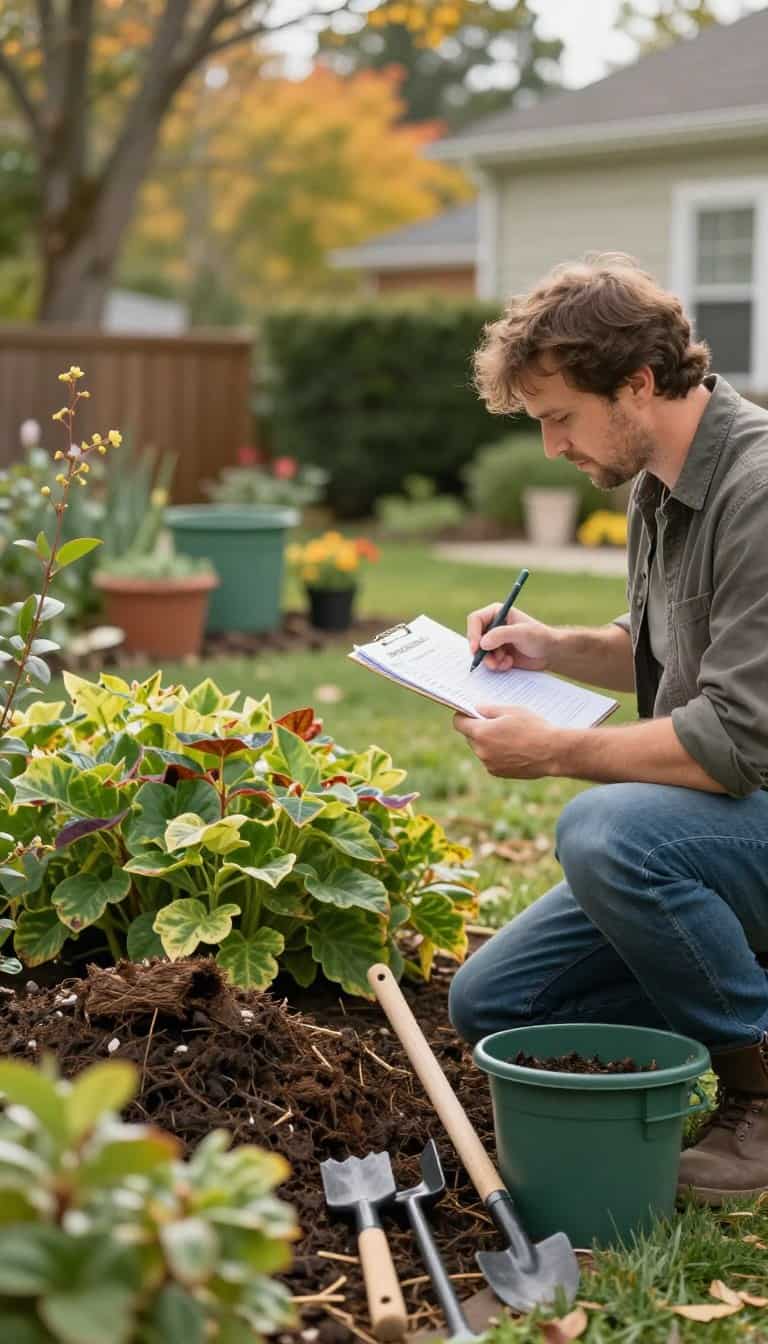
12 Easy Ways to Prep Your Garden for Autumn
Autumn is one of the best times to give your garden a little attention. The frantic growth of summer is slowing down, temperatures are becoming more comfortable, and a few well-timed jobs now can make the garden considerably easier to manage through winter and into spring.
The trick is not to tidy everything within an inch of its life. Some plants benefit from cutting back, while others provide structure, seeds, and shelter if they’re left standing. Fallen leaves can become useful mulch or compost, and healthy perennials may simply need dividing rather than replacing.
From clearing problem areas and refreshing containers to planting bulbs and protecting vulnerable plants, these easy ways to prep your garden for autumn will help you tackle the jobs that actually matter without spending every weekend outside with a rake.
Quick Guide: Your Autumn Garden Checklist


Start with: Remove diseased material, obvious weeds, and debris from paths and high-traffic areas.
Don’t over-tidy: Leave useful seed heads, ornamental grasses, and selected stems standing where appropriate.
Prepare for spring: Plant suitable spring-flowering bulbs at the recommended time for each variety and your climate.
Improve the soil: Add compost or well-rotted organic matter where your plants and soil conditions will benefit.
Before cold weather: Identify tender plants, containers, tools, and outdoor equipment that need protection or storage.
You don’t have to complete everything in one weekend. Work through the garden gradually, prioritising anything affected by disease, drainage, frost, or safety before moving on to the jobs that are mainly cosmetic.
1. Clear Away Diseased and Damaged Plant Material
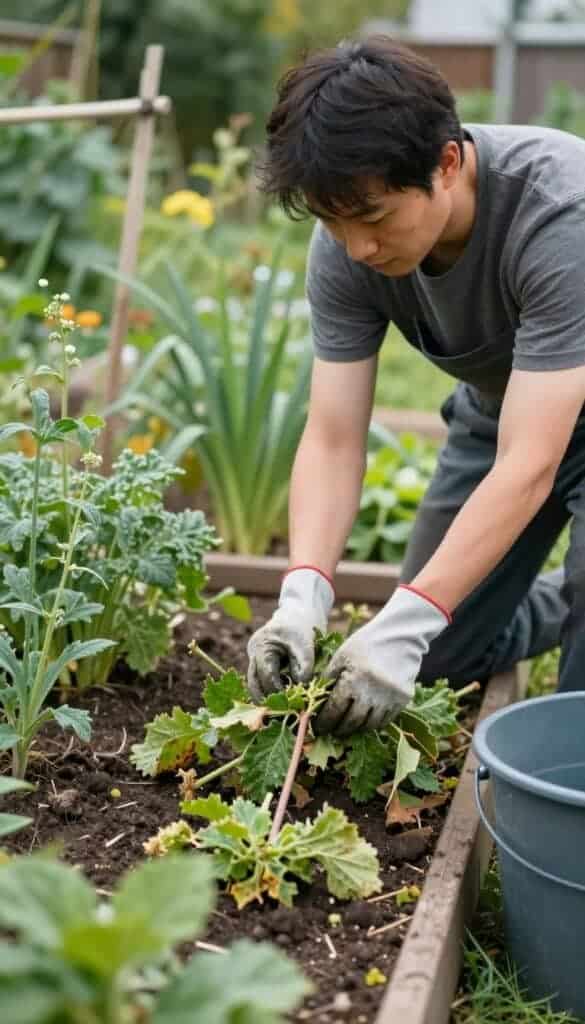
Start your autumn garden prep with the material that genuinely needs to go. Remove badly damaged growth and plant material affected by disease rather than allowing it to sit around the garden through winter.
This doesn’t mean cutting every perennial down to ground level. Healthy seed heads, ornamental grasses, and sturdy stems can continue adding texture to the garden long after summer flowers have faded.
Dispose of diseased material appropriately rather than automatically adding it to a home compost pile, particularly when you’re unsure whether your composting process will reliably deal with the particular problem.
Remove First
- Diseased leaves and stems
- Broken or badly damaged growth
- Rotting annual plants
- Persistent weeds before they spread further
Why it works: A selective tidy-up deals with genuine problems while allowing healthy plants to keep providing winter structure and potential wildlife value.
2. Turn Fallen Leaves Into Something Useful

Fallen leaves don’t automatically belong in the rubbish. Collected from suitable areas, they can become useful compost ingredients, leaf mould, or mulch depending on the type of leaves and how you manage them.
Clear leaves from paths, steps, patios, and other surfaces where wet foliage can become slippery. Thick layers should also be removed from lawns where they can block light and air for prolonged periods.
In suitable beds and beneath established shrubs, a modest layer of healthy fallen leaves may be useful and can also provide habitat for small garden creatures. Shredding leaves can help them break down more quickly when you’re using them as part of a garden mulch.
Where Leaves Can Go
- Compost pile
- Leaf mould container
- Suitable garden beds
- Beneath established shrubs where appropriate
Budget friendly idea: Turning healthy leaves into garden material gives you something useful for little more than the effort of collecting them.
3. Refresh Your Garden Beds With Compost

Once problem weeds and diseased material are out of the way, autumn can be a convenient time to add organic matter to suitable beds. A layer of finished compost or well-rotted material can help improve soil structure and gradually contribute nutrients.
Spread it over the soil surface rather than assuming every bed needs aggressive digging. Established plants often benefit from having their roots disturbed as little as possible.
What your garden needs depends on its existing soil, plants, climate, and drainage, so more isn’t automatically better. If you’re unsure about persistent soil problems, testing the soil can be more useful than adding products at random.
Useful Autumn Soil Materials
- Finished garden compost
- Well-rotted organic matter
- Appropriate organic mulch
- Shredded healthy leaves where suitable
Easiest improvement: Concentrate your compost around the beds that need it most instead of automatically treating every inch of the garden the same way.
4. Divide Overcrowded Perennials
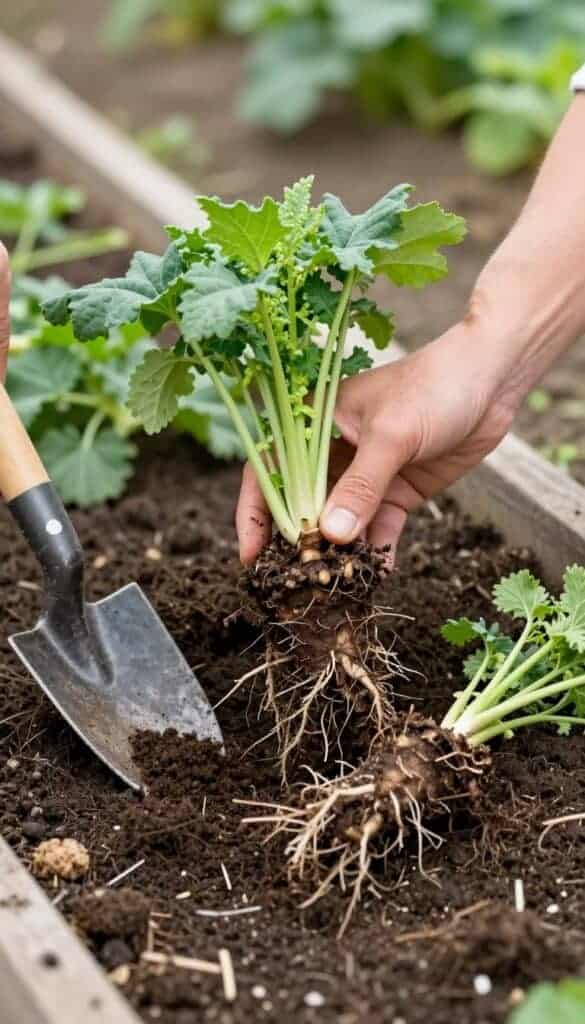
If a healthy perennial has gradually expanded into an enormous clump, division can give you several plants from one while helping restore space in an overcrowded border. Autumn can be suitable for dividing certain established perennials, depending on the plant and local growing conditions.
Lift the plant carefully, separate it into healthy sections with viable roots and shoots, and replant promptly at an appropriate depth. Water the divisions in so the soil settles around the roots.
Not every perennial should be divided in autumn, so check the requirements of the particular plant before reaching enthusiastically for the spade.
Signs a Plant May Need Dividing
- The clump has become excessively large
- Neighbouring plants are being crowded out
- Growth has become sparse through the centre
- You want additional plants elsewhere in the garden
Money-saving tip: Dividing suitable established plants is one of the easiest ways to fill another part of the garden without buying more perennials.
5. Plant Spring-Flowering Bulbs

One of the nicest autumn gardening jobs is planting something you won’t fully appreciate until months later. Many spring-flowering bulbs are planted during autumn, giving them time to establish before their flowering season.
Daffodils, crocuses, alliums, and other spring bulbs can be tucked through borders, beneath suitable deciduous planting, or into containers. Tulip planting times can differ from some other bulbs, so follow the recommendations for the particular variety and your local climate.
For a natural look, avoid spacing every bulb in a perfectly rigid line. Informal groups and drifts usually blend more comfortably into existing garden planting.
Spring Bulbs to Consider
- Daffodils
- Crocuses
- Alliums
- Tulips
Planning tip: Photograph your borders before summer growth disappears completely. The pictures can help you remember where existing plants and empty spaces are when you’re deciding where bulbs should go.
6. Give Containers an Autumn Refresh

Containers often start looking tired before the rest of the garden because summer annuals have finished flowering and individual plants may have outgrown their pots. An autumn refresh can make a patio, balcony, or entrance feel cared for without replanting the entire garden.
Remove spent seasonal plants, check drainage holes, and replace only what genuinely needs replacing. Depending on your climate, you can introduce suitable cool-season flowers, grasses, foliage plants, or small evergreen structure.
Grouping several pots together creates more impact and can make a small outdoor space feel intentional rather than cluttered with individual containers.
Easy Container Formula
- One structural plant
- Seasonal flowers or colourful foliage
- Trailing or softening growth
- A weather-resistant container with good drainage
Small space tip: Refresh the containers nearest the door or main seating area first. Improving the pots you see every day usually has more impact than spreading new plants around the entire garden.
7. Protect Tender Plants Before Cold Weather Arrives

Don’t wait until the first genuinely cold night to remember the plants that aren’t particularly enthusiastic about winter. Autumn is the time to identify anything tender and decide what protection it will need before temperatures fall.
Depending on the plant and your climate, containers may need moving to a sheltered position, greenhouse, porch, or suitable indoor location. Plants remaining outdoors may benefit from appropriate horticultural fleece, mulch, or other protection recommended for that particular species.
Containers can be especially vulnerable because their roots have less insulation than plants growing in the ground, so don’t forget about the pots themselves when preparing for colder weather.
Check These First
- Tender container plants
- Young or recently planted specimens
- Plants at the edge of their climate tolerance
- Containers in exposed positions
Planning tip: Know which plants need protection before frost is forecast so you’re not outside after dark trying to wrap pots in whatever you can find.
8. Prune Selectively Rather Than Cutting Everything Back

Autumn can inspire a sudden urge to cut the entire garden down to neat little stumps, but not every plant benefits from that treatment. Pruning requirements vary considerably between species, and some plants are better left until another season.
Concentrate on removing growth that is damaged, diseased, unsafe, or specifically recommended for autumn pruning. Healthy seed heads and ornamental grasses can remain standing where appropriate, providing winter structure long after the flowers have disappeared.
Before pruning shrubs, trees, climbers, or unfamiliar perennials, check guidance for the individual plant. Cutting at the wrong time can remove future flowers or leave some plants more vulnerable to damage.
Leave Some Structure
- Decorative seed heads
- Ornamental grasses
- Healthy architectural stems
- Plants with winter interest
Why gardeners leave it: A less aggressive tidy-up can preserve winter texture while providing potential food and shelter for wildlife.
9. Give the Lawn Some Autumn Attention

After a summer of foot traffic, heat, garden furniture, and enthusiastic outdoor living, the lawn may need a little attention. Start with the simple jobs rather than automatically throwing every lawn treatment available at it.
Remove thick accumulations of fallen leaves and keep the grass reasonably clear of debris. Depending on your lawn’s condition, grass type, soil, and climate, autumn may also be an appropriate time for aeration, overseeding, or other maintenance.
Continue mowing while the grass is actively growing, adjusting your routine as growth slows. Avoid cutting unnecessarily short simply because the gardening season is ending.
Autumn Lawn Basics
- Clear heavy leaf cover
- Continue mowing as needed
- Address compacted areas if appropriate
- Repair thin or damaged patches when conditions suit
Easiest improvement: Keeping heavy layers of wet leaves off the lawn is a simple job that immediately makes the whole garden look more cared for.
10. Clean and Store Your Garden Tools

Tools have an impressive ability to spend summer being used constantly and then disappear into a shed covered in soil until spring. Giving them a little attention before winter makes them much nicer to find when gardening picks up again.
Remove soil and plant debris, clean tools according to their manufacturer’s recommendations, and inspect handles, blades, hinges, and fixings for damage. Pruning tools may also need sharpening or other maintenance where appropriate.
Store tools somewhere dry and organized rather than leaving them exposed to prolonged damp weather. It’s also a good opportunity to dispose of broken items and finally work out why you apparently own seven hand trowels.
Tool Shed Checklist
- Remove soil and debris
- Inspect for damage
- Sharpen suitable cutting tools
- Store equipment somewhere dry
Practical payoff: A little maintenance now means fewer rusty surprises when you reach for your tools next season.
11. Check Outdoor Furniture, Pots, and Garden Structures
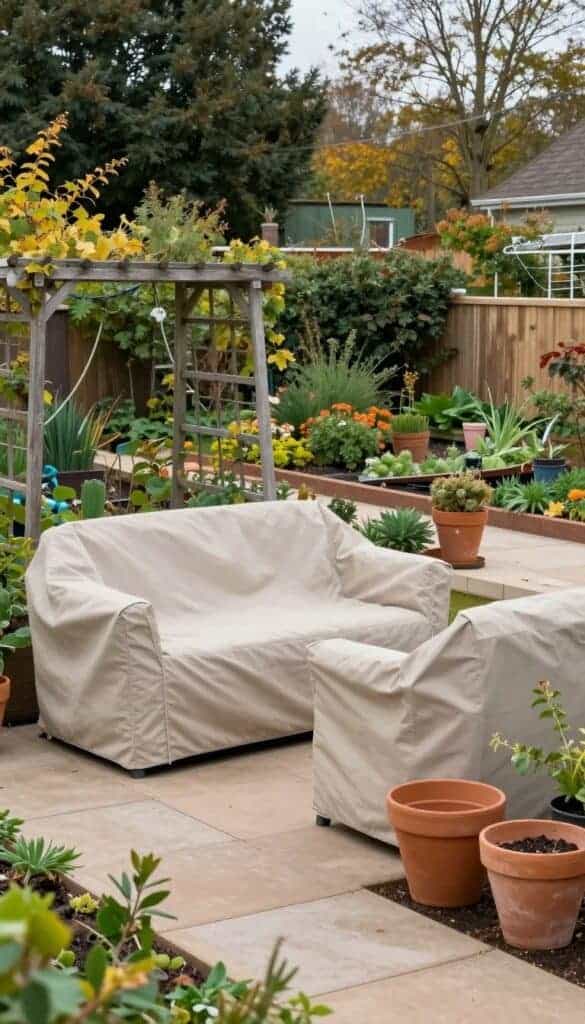
Plants aren’t the only things in the garden that have to survive winter. Furniture, containers, trellises, raised beds, fences, and other structures are worth checking while the weather is still pleasant enough to deal with small problems.
Clean furniture before covering or storing it according to the manufacturer’s care instructions. Check wooden pieces for loose fixings or damaged finishes, and inspect pots for cracks that could worsen during freeze-thaw cycles in colder climates.
Secure lightweight objects that could become a problem during strong winds and make sure gutters, drains, and frequently used paths aren’t being obstructed by accumulated garden debris.
Inspect Before Winter
- Outdoor furniture
- Terracotta and ceramic pots
- Trellises and plant supports
- Fences and gates
- Raised beds and garden structures
Money-saving habit: Fixing a loose screw, small crack, or damaged finish now can be much cheaper than replacing something after another season of weather exposure.
12. Create a Wildlife-Friendly Winter Corner
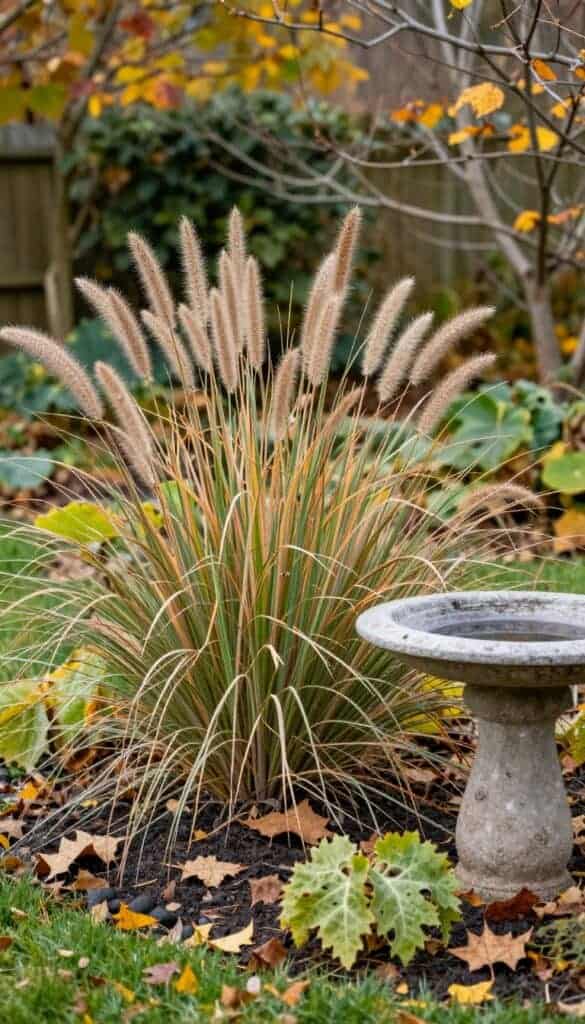
Not every part of the garden needs to look freshly tidied before winter. Leaving one quieter area a little more natural can provide useful shelter and potential food sources while also giving the garden texture through the colder months.
Keep suitable seed heads and hollow stems standing, leave some healthy fallen leaves beneath shrubs where they won’t cause problems, and consider retaining a small amount of dead wood in an appropriate undisturbed location.
A clean bird bath or other suitable water source can also be valuable, provided it is maintained appropriately. The exact wildlife you’ll support depends on where you live, so local conservation guidance is useful when deciding what to provide.
Leave Room for Nature
- Seed heads
- Selected hollow stems
- Ornamental grasses
- Leaves beneath suitable shrubs
- A small amount of dead wood where appropriate
Creates this effect: A slightly wilder corner keeps the garden visually interesting through winter while avoiding the bare look that comes from cutting absolutely everything down.
You Might Also Like
Autumn Garden Prep for Small Spaces

A small garden, courtyard, or patio doesn’t need a huge autumn maintenance routine. In fact, concentrating on a handful of high-impact jobs is usually enough to keep the space tidy and ready for colder weather.
- Prioritize containers. Remove tired plants and identify pots that need winter protection.
- Keep paths clear. Wet leaves can make small paved areas slippery surprisingly quickly.
- Use vertical storage. Hang cleaned tools rather than allowing equipment to occupy limited floor space.
- Plant bulbs in pots. Containers can provide plenty of spring colour when you don’t have traditional borders.
- Refresh the entrance. One attractive group of seasonal pots can make the whole outdoor area feel more cared for.
- Don’t overcrowd. Leave enough space for air circulation and easy access to plants through winter.
A Simple Weekend Autumn Garden Plan

If the garden feels like one enormous job, divide the work into a few manageable stages rather than attempting to tackle everything at once.
- First: Remove diseased material, obvious weeds, and anything creating a safety problem.
- Next: Collect leaves from lawns and paths and decide which can be composted, turned into leaf mould, or used appropriately in beds.
- Then: Refresh beds and containers, divide suitable perennials, and plant spring bulbs.
- Before you finish: Identify tender plants and anything outdoors that needs protecting before colder weather.
- Last: Clean tools and tidy the storage area so you’re not starting from chaos next spring.
What Not to Do When Preparing Your Garden for Autumn

Autumn garden preparation is as much about knowing what to leave alone as knowing what to tackle. Avoid turning a useful seasonal tidy-up into an unnecessary garden overhaul.
- Don’t cut everything back automatically. Different plants have different pruning requirements, and some provide valuable winter structure.
- Don’t leave thick wet leaves on paths. They can create slippery surfaces.
- Don’t compost obviously diseased material without checking. Disposal recommendations vary according to the disease and composting method.
- Don’t buy soil treatments at random. Understand the condition of your soil and the needs of your plants first.
- Don’t forget containers. Potted roots can experience colder conditions than the same plants growing in the ground.
- Don’t wait for a frost warning. Work out which tender plants need protection while the weather is still comfortable.
Final Thoughts

Preparing your garden for autumn doesn’t have to mean stripping everything back and spending an entire weekend filling garden waste bags. A more selective approach is often better: deal with disease and weeds, make use of healthy leaves, improve soil where needed, prepare vulnerable plants for colder weather, and leave worthwhile winter structure standing.
Do the essential jobs gradually as the season changes and you’ll head into winter with a garden that’s easier to manage, friendlier to wildlife, and already quietly preparing for spring. Which is much more satisfying than discovering a pile of muddy tools and an unplanted bag of bulbs in December.