
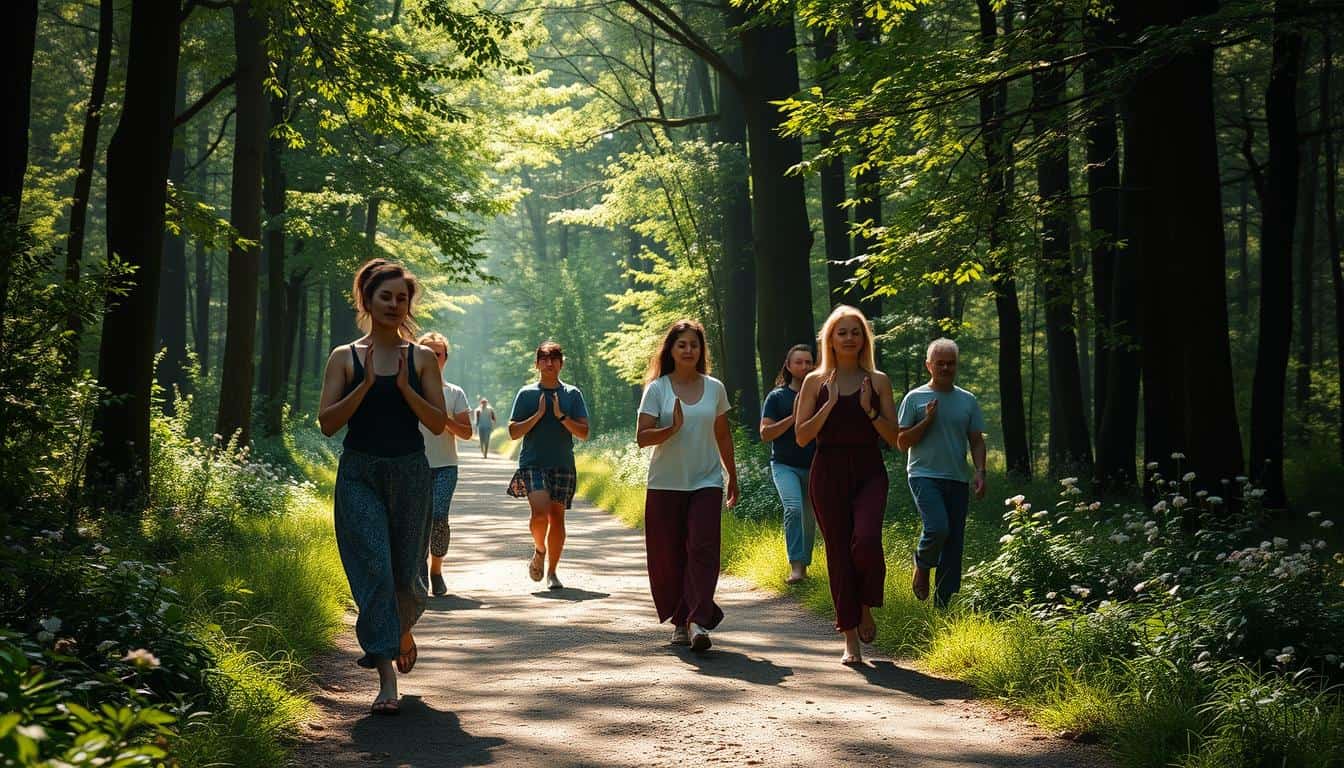
A Beginner’s Guide to Walking Meditation: Steps to Mindful Journey
If the idea of sitting still to meditate makes your mind wander faster than your body ever could, walking meditation might be exactly what you need. This gentle practice blends movement with mindfulness, making it one of the most approachable ways to build a daily meditation habit — especially if traditional meditation feels intimidating or uncomfortable.
No cushions. No silence. No “empty your mind” pressure. Just walking, breathing, and paying attention — one step at a time.
What Is Walking Meditation?

Walking meditation is a mindfulness practice where walking becomes the focus, rather than a distraction. Instead of rushing from point A to point B, you slow your pace and bring awareness to your steps, your breath, your body, and your surroundings.
The goal isn’t distance or fitness. It’s presence.
Unlike seated meditation, walking meditation keeps your body gently engaged, which often makes it easier for beginners to stay focused without drifting off or getting restless. Your movement becomes the anchor for your attention.
“Walking meditation is meditation in action. When we practice walking meditation, we arrive in each moment. Our true home is in the present moment.”
– Thich Nhat Hanh
Why Walking Meditation Works (Especially for Beginners)
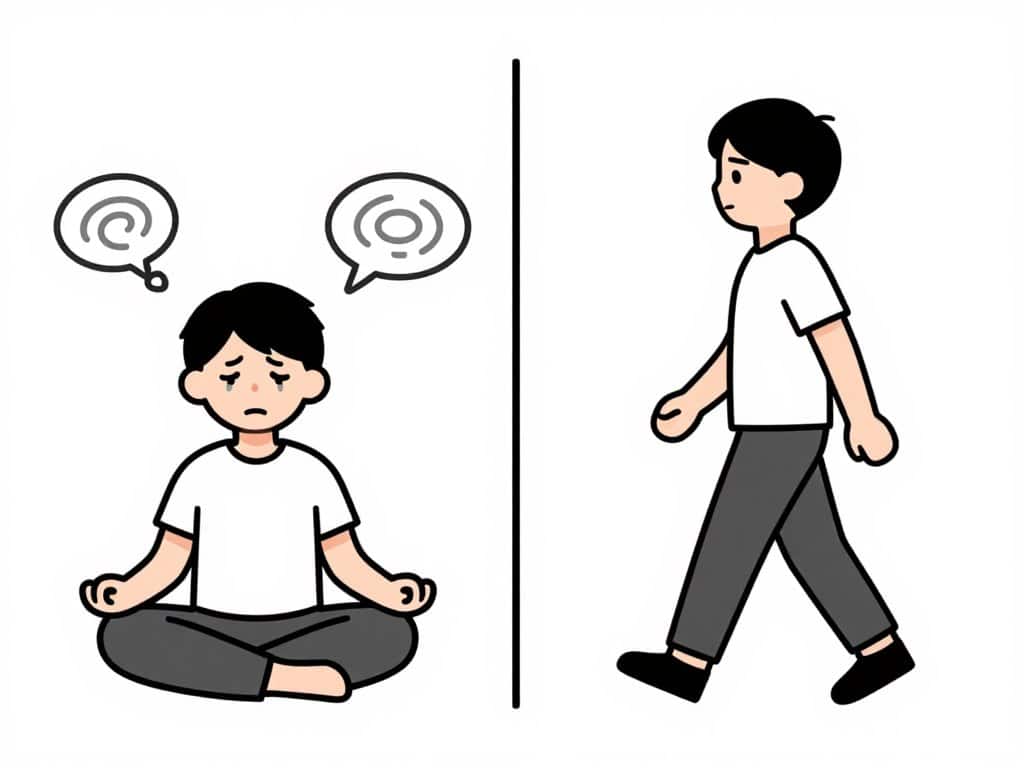
Walking meditation is often easier to stick with because it works with your natural habits, not against them. Here’s why it’s so effective:
Physical Benefits
- Movement helps calm mental restlessness
- Engages the body, reducing fidgeting
- Improves physical health alongside mental well-being
- Can be practiced at any fitness level
Mental Benefits
- Feels practical, not “spiritual” or abstract
- No pressure to clear your mind completely
- Easier to maintain focus with physical sensations
- Builds mindfulness skills that transfer to daily life
You’re not trying to stop thoughts. You’re simply noticing them — and returning attention to your steps. This subtle shift makes walking meditation accessible even to those who find traditional meditation challenging.
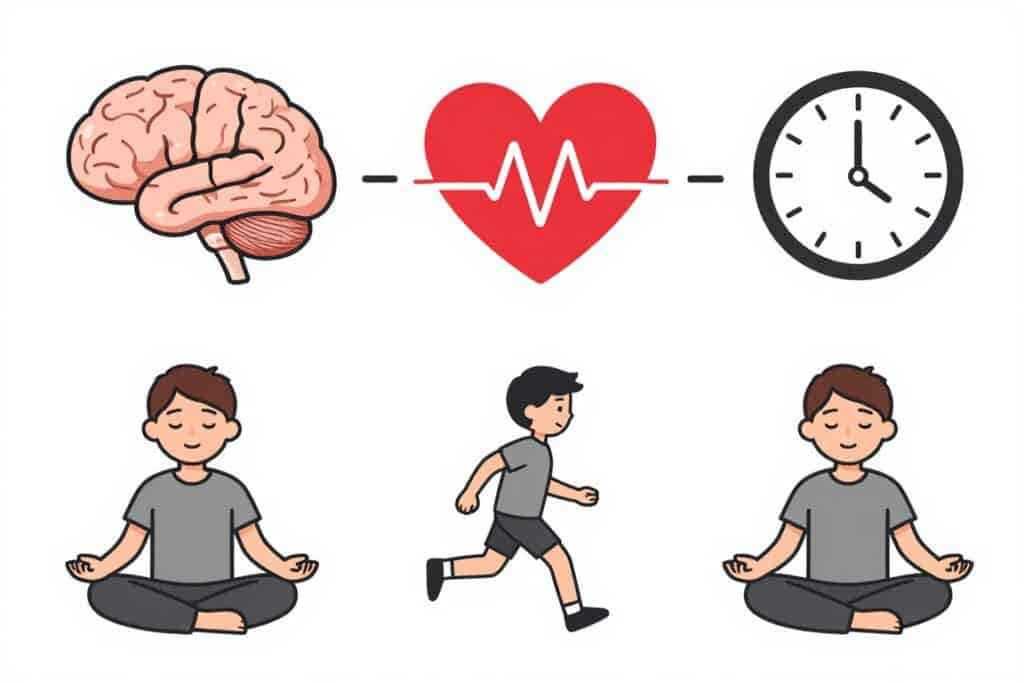
Benefits of Walking Meditation
Reduces Stress
The rhythmic nature of walking combined with mindful awareness helps activate your body’s relaxation response, reducing stress hormones and promoting calm.
Improves Focus
Regular practice strengthens your ability to maintain attention, which carries over into other areas of your life, enhancing productivity and mental clarity.
Enhances Well-being
Walking meditation combines the physical benefits of walking with the emotional benefits of mindfulness, creating a powerful tool for overall well-being.
How to Practice Walking Meditation (Step by Step)

1. Choose Your Path
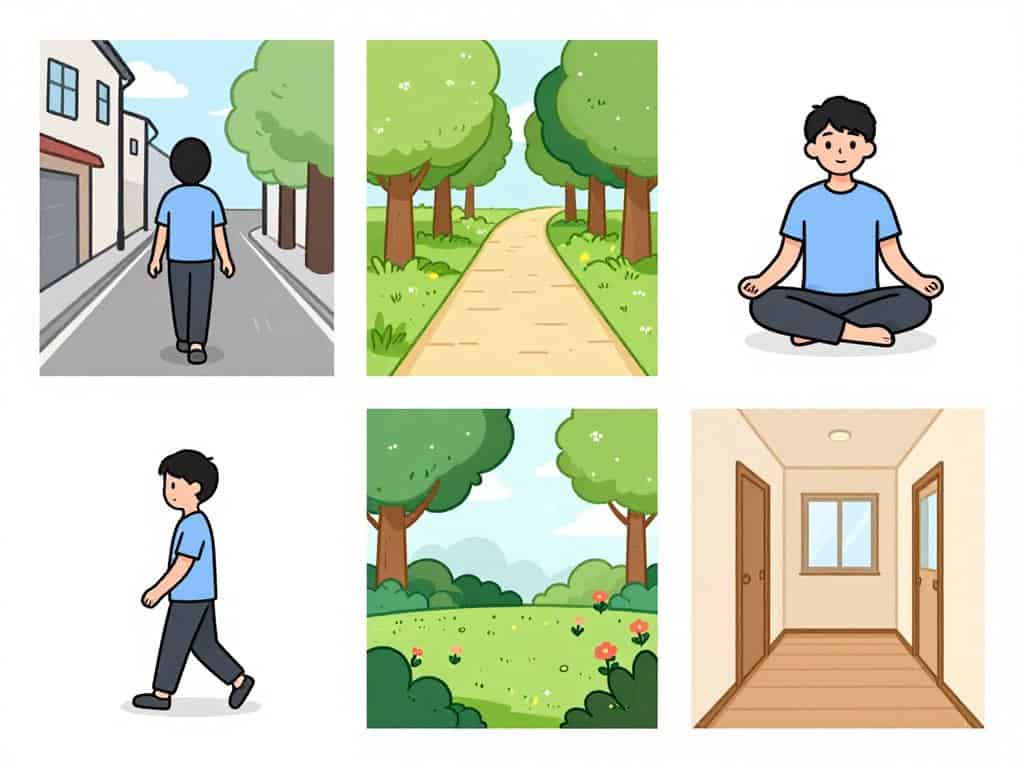
Pick a space where you can walk without rushing:
- A quiet street
- A park path
- Your garden
- Even a hallway at home
It doesn’t need to be scenic — just safe and relatively uninterrupted. The ideal path is one where you can walk back and forth for 10-15 paces without obstacles.
2. Set an Intention
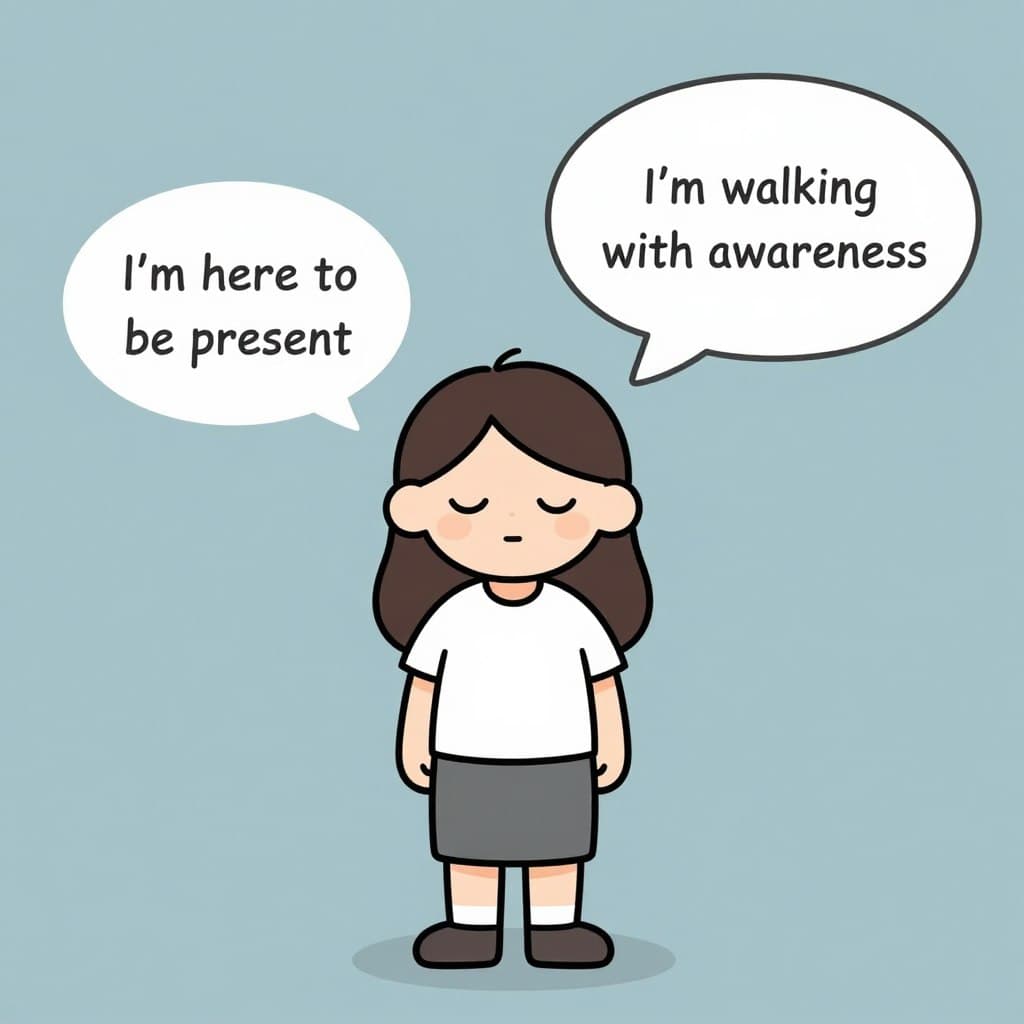
Before you start walking, pause for a moment. Silently set a simple intention, such as:
- “I’m here to be present.”
- “I’m walking with awareness.”
- “I’m giving myself a moment to slow down.”
This helps shift your walk from autopilot to mindful movement and prepares your mind for the practice ahead.
3. Walk Slower Than Usual

This is the hardest part — and the most important. Slow your pace just enough that you can feel each step:
- Heel touching the ground
- Weight shifting forward
- Toes lifting
You’re not strolling. You’re noticing. Each step becomes an opportunity to be fully present with the sensations in your body.
-
Walking for Weight Loss
Practical tips on using walking as an effective tool for weight management.
-
Interval Walking
Guide to alternating speeds for a more effective walk workout.
-
Walking Exercise Routines Anywhere
Easy walking routines you can do wherever you are to stay active.
4. Sync Movement With Breath

Let your breath guide your steps. For example:
- Inhale for two steps
- Exhale for two steps
Or simply notice your natural breathing rhythm without changing it. If your mind wanders (it will), gently return your attention to your breath and feet.
5. Engage Your Senses
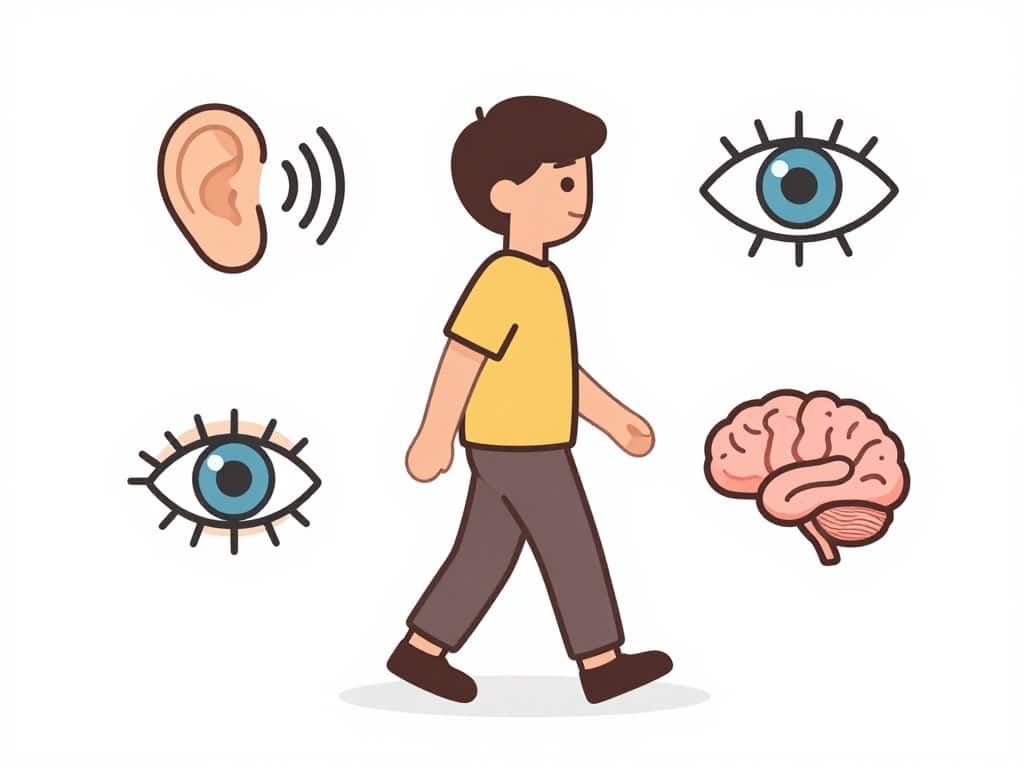
Bring awareness to what’s around you — without judgment. Notice:
- The sound of footsteps
- Air temperature on your skin
- Light, shadows, or movement
- Subtle body sensations
You’re not analyzing — just observing. This multisensory awareness deepens your connection to the present moment.
6. End With Stillness

When you finish your walk, stop and stand still for a moment.
- Take one deep breath
- Notice how your body feels
- Acknowledge the practice you’ve just completed
Carry that awareness into whatever comes next. This moment of transition helps integrate the benefits of your practice into your day.
Common Beginner Mistakes (And How to Avoid Them)
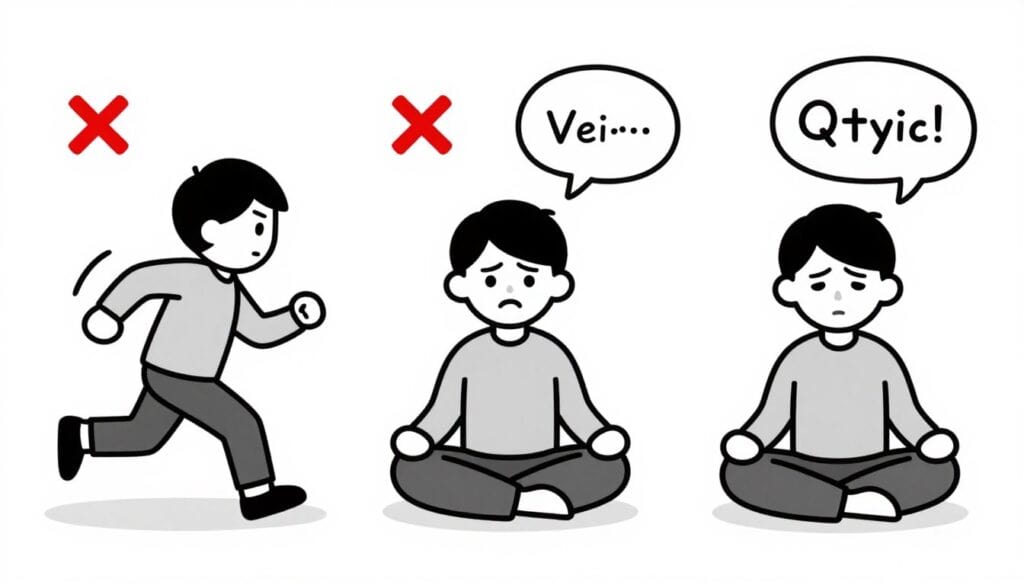
Trying to “Do It Perfectly”
There’s no perfect walking meditation. Wandering thoughts are part of the practice, not a sign of failure. Each time you notice your mind has wandered, that moment of awareness is a success.
Walking Too Fast
If you’re rushing, you’re missing the point. Slow down — even awkwardly slow is fine when you’re learning. Your pace will find its natural rhythm with practice.
Overthinking the Technique
Mindfulness isn’t about performance. If you’re aware you’ve lost focus, you’re already doing it right. Trust the process and keep it simple.
Practical Details for Your Practice

How Long Should a Walking Meditation Be?
Start small.
- 5 minutes is enough
- 10 minutes is great
- Longer walks come naturally with practice
Consistency matters more than duration. A short daily walking meditation beats an occasional “perfect” session every time.
When to Practice Walking Meditation
Walking meditation fits easily into real life:
Morning
Start your day with clarity and intention
Midday
Reset during lunch breaks or between tasks
Evening
Wind down and transition from work to rest
It’s especially helpful when you feel mentally overstimulated but physically restless.
Walking Meditation vs. Regular Walking

| Aspect | Regular Walking | Walking Meditation |
| Pace | Normal to brisk | Deliberately slower |
| Attention | Often distracted, thinking of other things | Focused on present experience |
| Purpose | Transportation, exercise, or recreation | Mindfulness and present-moment awareness |
| Mental State | Often planning, worrying, or daydreaming | Observing thoughts without attachment |
| Body Awareness | Minimal or automatic | Intentional and detailed |
The difference isn’t the movement — it’s the attention. Same steps. Completely different experience.
Different Approaches to Walking Meditation

Walking meditation appears in many traditions, each with its own emphasis:
Buddhist Tradition
Focuses on very deliberate awareness of each component of stepping. Practitioners often walk back and forth on a short path, paying close attention to lifting, moving, and placing the foot.
Zen Approach (Kinhin)
Practiced between periods of seated meditation, often with hands in a specific position and synchronized with the breath. Each step is taken with the complete breath cycle.
Modern Mindfulness
A more flexible approach that can be integrated into daily life. Emphasizes general awareness of body sensations, thoughts, and surroundings while walking at a natural pace.
Choose the approach that feels most accessible to you. The core principles of awareness and presence remain the same across all traditions.
Frequently Asked Questions
Can I practice walking meditation anywhere?
Yes! While a quiet, uninterrupted path is ideal for beginners, you can practice walking meditation anywhere it’s safe to walk. Many experienced practitioners incorporate mindful walking into everyday activities like shopping, walking to work, or even moving around their home.
How is this different from just taking a walk?
The difference is intention and attention. In walking meditation, you deliberately focus on the experience of walking itself rather than using walking as a means to get somewhere. Your attention is on the present moment sensations rather than planning, problem-solving, or daydreaming.
What if I keep getting distracted?
Getting distracted is normal and expected! Each time you notice your mind has wandered, simply bring your attention back to the sensations of walking. This “noticing and returning” is actually the core practice of meditation and strengthens with time.
Can walking meditation replace seated meditation?
Walking meditation can be a complete practice on its own, especially for beginners or those who find seated meditation challenging. Many practitioners use both forms to complement each other. If seated meditation feels inaccessible to you right now, walking meditation is an excellent place to start.
Getting Started Today
The beauty of walking meditation is its simplicity. You don’t need special equipment, a particular location, or extensive training. You can begin right where you are, with the body and mind you have today.
Remember: Walking meditation doesn’t ask you to change who you are or how you live. It simply invites you to walk with awareness — even for a few minutes.
- No special clothing
- No perfect mindset
- No pressure
Just one mindful step… followed by another.
That’s the journey.
Final Thoughts: The Path Is Under Your Feet
Walking meditation reminds us that mindfulness isn’t about escaping our lives—it’s about being more fully present in them. By bringing awareness to something as simple as walking, we practice the art of showing up for our lives, one step at a time.
Whether you’re seeking stress reduction, greater focus, or simply a moment of peace in a busy day, walking meditation offers an accessible path to mindfulness that meets you exactly where you are.
Begin today. Your journey starts with a single mindful step.