

48-Hour Weekend Declutter: Refresh Your Space Quickly
Ever look around your home on a Friday evening and wonder how things got so out of hand? The mail pile has multiplied, the kitchen counter has disappeared beneath everyday clutter, and that chair in the bedroom is once again wearing half your wardrobe.
This post includes affiliate links. If you make a purchase through them, I may earn a small commission at no extra cost to you. More details here.
The good news is that you do not need an entire month, a professional organizer, or a perfectly color coded storage system to make a noticeable difference. A focused weekend can completely change how your home looks and feels.
This 48 hour decluttering plan is designed to help you make fast progress without feeling overwhelmed. Instead of trying to organize your entire life at once, you will focus on the areas that create the biggest visual impact and the most daily frustration.
By Sunday evening, you can walk into a home that feels calmer, lighter, and easier to maintain. No perfection required.

Quick Decision Guide: Where Should You Start?
- Feeling overwhelmed? Start with visible surfaces.
- Need a quick win? Tackle your entryway.
- Kitchen stressing you out? Focus on counters and junk drawers first.
- Small home or apartment? Prioritize vertical storage and hidden clutter zones.
- Short on time? Complete one room instead of jumping between multiple spaces.
Remember, the goal is not to finish everything. The goal is to create enough visible progress that your home immediately feels better.
Your 48 Hour Weekend Declutter Plan
If you have ever started decluttering with good intentions only to end up sitting on the floor surrounded by random piles, this plan is for you.
Rather than bouncing between rooms, follow a simple schedule that focuses your energy where it matters most.
- Friday Evening: Prepare supplies and clear visible surfaces.
- Saturday Morning: Kitchen and entryway.
- Saturday Afternoon: Living room and shared spaces.
- Sunday Morning: Bedrooms and closets.
- Sunday Afternoon: Donation sorting, storage systems, and final reset.
Following a simple structure removes decision fatigue and helps maintain momentum throughout the weekend.
Set Clear Decluttering Goals Before You Begin
One of the biggest decluttering mistakes is starting without a clear target.
Many people tell themselves they are going to organize the house only to become overwhelmed within the first hour. The better approach is choosing a handful of areas that affect your daily life the most.

Focus on High Impact Areas
Ask yourself one simple question:
Which spaces frustrate me every single day?
For many homes, the answer is usually one of these:
- Kitchen counters
- Entryway clutter
- Bedroom clothing piles
- Bathroom storage
- Living room surfaces
These spaces create the greatest visual impact and often influence how tidy your entire home feels.
Visualize the Result
Before touching a single drawer, picture how you want the space to function.
Maybe you want clear kitchen counters, an entryway where shoes are not scattered everywhere, or a closet that opens without triggering an avalanche.
A clear vision makes decision making much easier when you start sorting belongings.
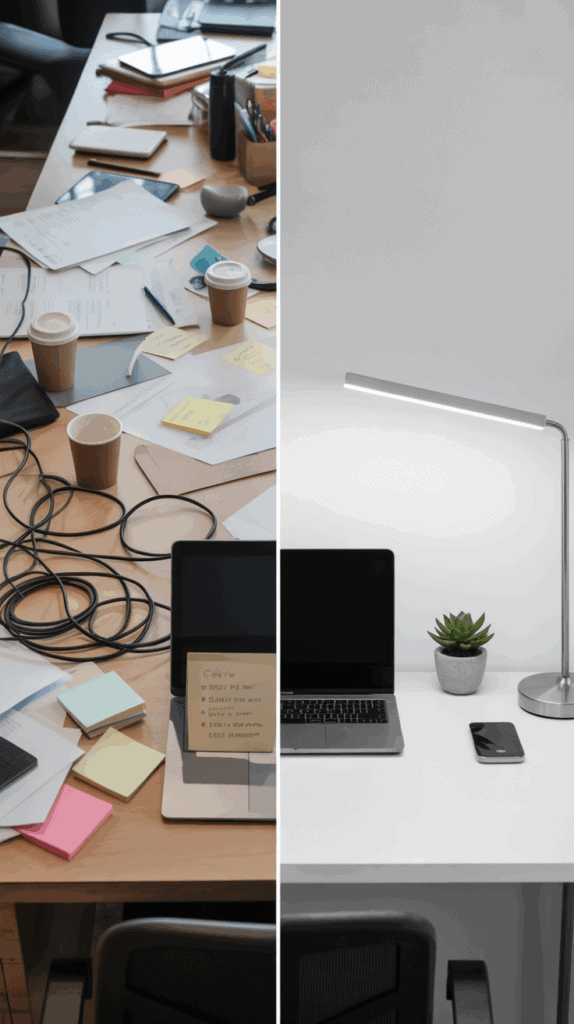
Prepare for a Successful Weekend Declutter
A little preparation can save hours of frustration later.
Instead of constantly stopping to search for supplies, create a simple decluttering station before you begin.
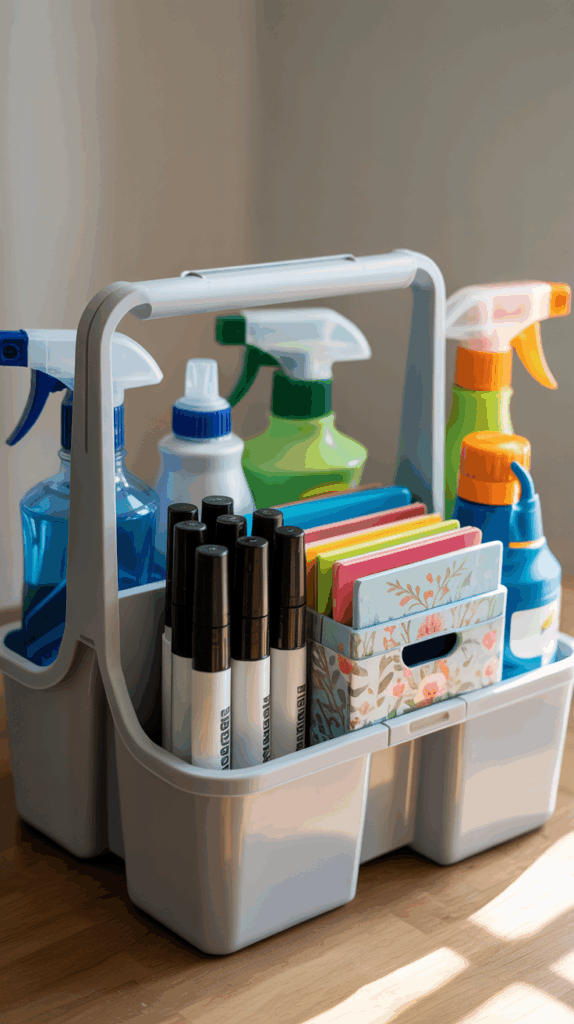
Supplies to Gather
- Trash bags
- Donation boxes
- Storage bins
- Labels or marker pens
- Cleaning cloths
- Reusable baskets
Having everything within reach helps maintain momentum and prevents constant interruptions.
You Might Also Like
Create Your Three Sorting Categories
Keep the process simple:
- Keep: Frequently used and genuinely useful items.
- Donate: Good condition items you no longer need.
- Discard: Broken, expired, or unusable items.
Avoid creating too many categories. More decisions usually create more procrastination.
💡 Pro Tip: Download the printable 48 Hour Weekend Declutter Checklist and follow the plan step by step throughout the weekend.
Saturday: Focus on Quick Wins and Visible Progress
Saturday is all about creating momentum.
Rather than hiding away in closets for hours, focus on spaces you see and use every day. Visible improvements create motivation and make your efforts feel worthwhile immediately.

Saturday Morning: Kitchen and Entryway
Start where clutter tends to accumulate fastest.
- Clear all kitchen counters.
- Sort junk drawers.
- Recycle old paperwork.
- Remove unused appliances.
- Create an organized drop zone near the entrance.
Even small improvements in these spaces can dramatically change how your home feels.
Saturday Afternoon: Living Areas
Once the kitchen and entryway are under control, move into shared living spaces.

- Clear coffee tables and side tables.
- Remove duplicate decorative items.
- Gather stray cords and electronics.
- Sort magazines, books, and paperwork.
- Create a dedicated home for frequently used items.
By Saturday evening, you should already notice a significant difference in how your home looks and feels.
Sunday: Bedrooms, Closets, and Systems That Last
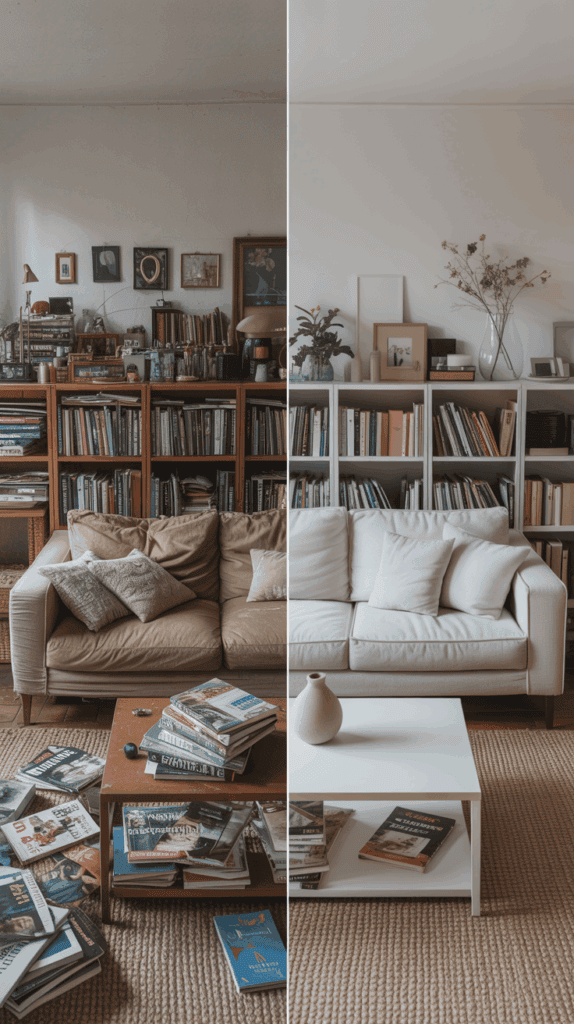
By Sunday morning, the biggest visual clutter should already be under control. Now it is time to focus on the spaces that affect your daily routines behind the scenes.
This is where lasting change happens. Instead of simply removing clutter, you will create systems that make your home easier to maintain moving forward.
You Might Also Like
Sunday Morning: Bedrooms and Closets
Start with the areas that tend to collect clothing, accessories, and forgotten purchases.
- Remove clothing you no longer wear.
- Donate duplicate or ill fitting items.
- Store seasonal clothing separately.
- Clear nightstands and dresser surfaces.
- Create simple categories inside closets.
Focus on functionality rather than perfection. A closet that works for your daily life is far more valuable than one that simply looks good in photographs.
Sunday Afternoon: Final Reset
Use the final part of the weekend to finish sorting donation piles, label storage containers, and reset your newly organized spaces.
- Schedule donation drop offs.
- Label frequently used storage bins.
- Return misplaced items to their proper homes.
- Wipe down cleared surfaces.
- Take after photos to celebrate progress.
These final steps help prevent clutter from quietly returning during the week ahead.
Declutter High Traffic Areas First

If you want the fastest transformation possible, prioritize the areas you use every day.
Entryways, kitchens, living rooms, and family spaces create the strongest visual impression. Improving these rooms first often makes an entire home feel more organized.
Focus on Daily Friction Points
- Entryway shoe piles.
- Kitchen counters covered in paperwork.
- Coffee tables collecting random items.
- Dining tables used as temporary storage.
- Overflowing charging stations and cords.
Small improvements in these areas can create an immediate sense of calm throughout the home.
The Keep, Donate, Discard Method
One reason decluttering feels overwhelming is because every item requires a decision. A simple system removes much of that stress.

Ask Yourself These Questions
- Have I used this in the past year?
- Does it serve a useful purpose?
- Would I buy it again today?
- Could someone else benefit from it more?
If an item consistently fails these questions, it may be time to let it go.
For sentimental belongings, consider keeping a small memory box rather than storing everything indefinitely.
Creative Storage Solutions That Actually Work

The best storage solutions are the ones you will actually use. Rather than hiding clutter in random containers, choose systems that fit naturally into your daily routine.
- Decorative baskets for blankets and magazines.
- Drawer dividers for kitchen and bathroom storage.
- Wall hooks for coats and bags.
- Storage ottomans that double as seating.
- Clear bins for seasonal items.
Storage should make life easier, not create another organizing project.
Get the Whole Family Involved

Decluttering becomes much easier when everyone contributes.
Instead of carrying the entire responsibility yourself, assign simple tasks based on age and ability.
- Children can sort toys and books.
- Teenagers can organize clothing and electronics.
- Adults can handle larger decisions and donation sorting.
When everyone participates, maintaining the results becomes far easier in the future.
Simple Habits That Keep Clutter Away

The real secret to an organized home is not a massive decluttering weekend. It is the small habits that happen afterward.
- Reset surfaces for five minutes each evening.
- Handle paperwork immediately.
- Keep a donation box in a closet.
- Follow a one in, one out rule for purchases.
- Schedule a monthly mini declutter session.
These tiny habits prevent clutter from building back up and reduce the need for future overhauls.
You Might Also Like
Common Decluttering Mistakes to Avoid
Even the most motivated declutterers can get stuck when they fall into a few common traps.
- Trying to organize before decluttering. Remove excess items first.
- Starting too many rooms at once. Finish one area before moving on.
- Keeping duplicates just in case. Most extras are never used.
- Leaving donation bags in the garage. Schedule the drop off immediately.
- Aiming for perfection. Progress is what matters.
The goal is not a magazine perfect home. The goal is a home that feels easier to live in every day.
You Might Also Like
Conclusion
A weekend may seem like a short amount of time, but focused effort can completely transform the way your home feels.
By concentrating on visible clutter, high traffic areas, and simple organizing systems, you can create meaningful results without feeling overwhelmed.
Remember that decluttering is not about owning less for the sake of it. It is about making room for the things that support your life and letting go of the things that no longer do.
Start small, stay consistent, and trust the process. Every cleared surface, organized drawer, and donation bag is a step toward a calmer home.
Shop Decluttering Essentials
See exactly what you have while keeping seasonal items, supplies, and everyday clutter neatly contained.
Shop on AmazonA simple label system makes it easier to keep organized spaces tidy long after your decluttering session ends.
Shop on AmazonMake use of hidden storage space to free up closets, dressers, and bedroom surfaces.
Shop on AmazonSeparate small items neatly and stop drawers from becoming clutter magnets.
Shop on AmazonCreate instant storage in bedrooms, bathrooms, pantries, and utility rooms without taking up floor space.
Shop on AmazonHide everyday clutter while keeping blankets, toys, books, and household essentials within easy reach.
Shop on AmazonA flexible storage solution that can move between rooms as your organization needs change.
Shop on AmazonMake it easier to sort unwanted items and quickly move them out of your home during a decluttering project.
Shop on Amazon