
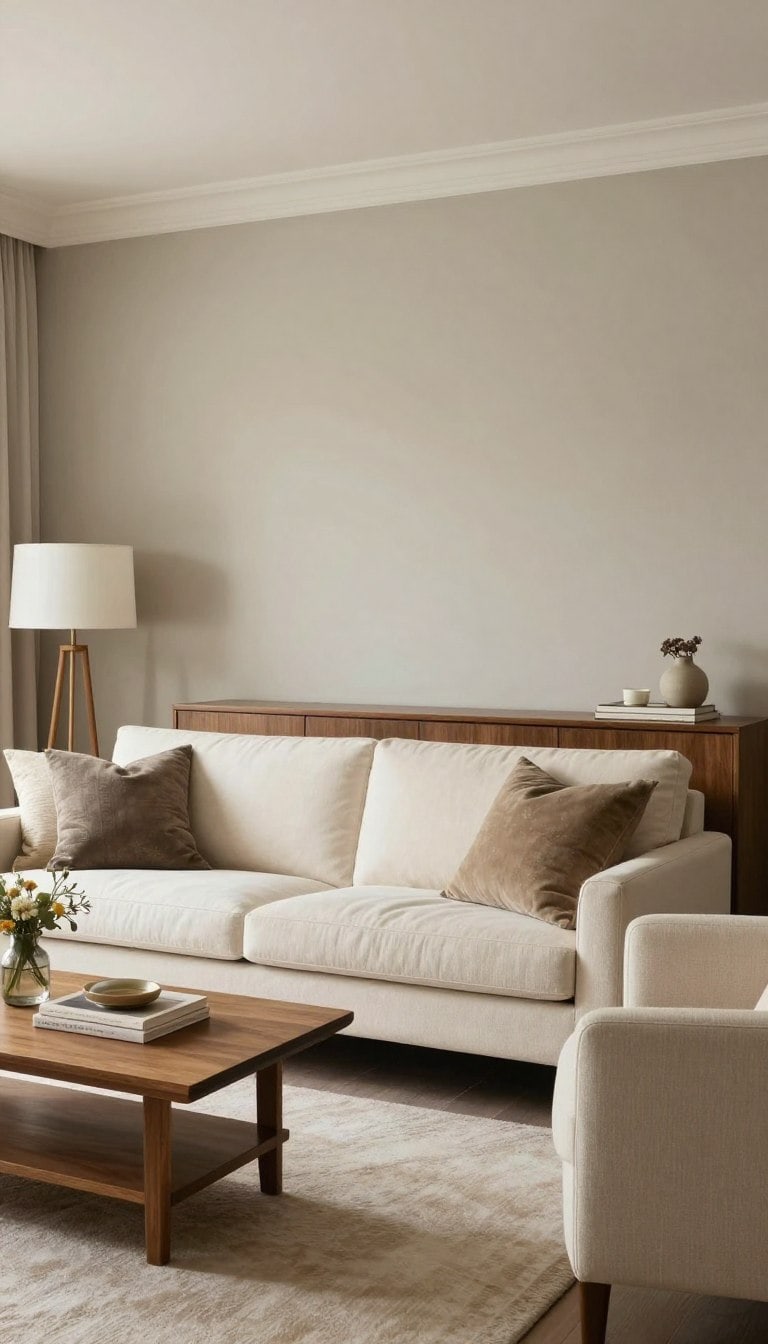
12 Limewash Accent Wall Living Room Ideas That Look Expensive
A limewash accent wall can make a living room look surprisingly luxurious without relying on elaborate paneling, expensive wallpaper, or a room full of statement furniture. Its soft, cloudy variation gives the wall depth and movement, creating the kind of imperfect texture often associated with beautifully aged European interiors.
The trick to making limewash look expensive is restraint. Instead of competing with the wall, simple furniture, natural materials, oversized artwork, and carefully chosen lighting allow the finish to become part of the architecture of the room.
From warm stone and sophisticated taupe to dramatic charcoal and earthy olive, these limewash accent wall living room ideas show how different colors and placements can create a polished focal point. Always check the requirements of your specific limewash or limewash-style product, as suitable surfaces, primers, preparation, application, and finishing methods can vary.
Quick Guide: Choose Your Limewash Living Room Look
- Quiet luxury: Warm stone, taupe, mushroom, or soft greige.
- Small living room: Pale beige, chalky white, or light stone with low contrast.
- Moody living room: Charcoal, deep olive, or earthy brown.
- Mediterranean look: Sand, warm white, clay, or muted terracotta.
- Modern living room: Soft greige or stone with streamlined furniture.
- Easy focal point: Limewash the wall behind the sofa, fireplace, or main seating area.
Before choosing your color, test a sample on the actual wall if possible. Limewash can shift considerably with daylight, artificial lighting, the underlying surface, and application technique, so a shade that looks perfectly beige in one room may appear cooler, warmer, or deeper in another.
1. Create a Warm Stone Limewash Wall Behind the Sofa

Warm stone is one of the easiest limewash shades to use if you want an expensive-looking living room without committing to a strong color. It provides more depth than ordinary beige while remaining neutral enough to work with changing furniture and accessories.
Use it behind the main sofa and combine it with cream upholstery, natural timber, linen, and a few darker accents. The subtle variation in the wall can provide enough visual interest that you don’t need to cover it with a large gallery wall.
A single oversized artwork or sculptural wall light can look particularly effective because plenty of the limewashed surface remains visible around it.
Pair Warm Stone With
- Cream or oatmeal upholstery.
- Natural oak or walnut.
- Linen and wool textiles.
- Black, bronze, or aged brass accents.
Most timeless option: A warm stone shade gives you visible limewash movement while remaining flexible enough to survive several future furniture changes.
2. Use Mushroom Limewash for a Quiet Luxury Look

Mushroom sits somewhere between taupe, beige, and soft brown, making it ideal for the understated neutral palettes associated with quiet luxury interiors. It feels richer than pale beige without creating the drama of a genuinely dark wall.
Pair it with a curved cream sofa, dark wood coffee table, and tactile textiles rather than lots of shiny accessories. The combination of subtle color and natural texture can make the room feel considered without looking overly styled.
This shade also works particularly well when the living room already contains warm wood flooring or vintage furniture.
Make Mushroom Feel Luxurious With
- Curved neutral furniture.
- Dark walnut or medium-tone wood.
- Textured wool rugs.
- Simple sculptural lighting.
Designer detail: Keep the palette tonal rather than introducing lots of contrasting colors. The layers of texture will provide the interest instead.
3. Limewash the Fireplace Wall in Chalky White

A fireplace wall is already a natural focal point, making it one of the most convincing places to use limewash. A chalky white or warm off-white finish can add texture while keeping the room bright and relaxed.
This works beautifully in Mediterranean, rustic, minimalist, and modern organic living rooms. Add a simple wood mantel where appropriate, a few ceramics, and restrained artwork rather than filling every available surface.
If you’re applying a decorative finish around a working fireplace, check the requirements for the fireplace construction, surrounding materials, heat exposure, and the specific product you’re using before beginning the project.
Style the Fireplace With
- A natural wood or suitable stone mantel.
- Neutral ceramics.
- Simple artwork or a mirror.
- Woven or linen textures nearby.
Why it works: Chalky white keeps the fireplace light while the uneven limewash texture prevents a pale feature wall from feeling plain.
4. Go Moody With a Charcoal Limewash Accent Wall

Charcoal limewash can create a dramatic living room without the flat heaviness that sometimes comes with very dark standard paint. The cloudy variations introduce lighter and deeper areas that give the surface a softer, more dimensional appearance.
Balance the wall with a cream or oatmeal sofa, warm wood, and plenty of tactile fabric. Lamps and wall lights are especially useful because their light can skim across the surface and make the tonal movement more noticeable in the evening.
If your living room is small, you don’t necessarily need to avoid charcoal. Keeping the remaining walls lighter and limiting other dark furniture can allow one moody focal wall to work without overwhelming the space.
Soften Charcoal With
- Cream upholstery.
- Warm wood furniture.
- Soft linen or wool.
- Warm layered lighting.
Creates this effect: Charcoal gives you the sophistication of a dark living room while limewash keeps the wall feeling soft and atmospheric rather than severe.
5. Try Muted Olive Limewash With Dark Wood

Muted olive can bring color into a living room while behaving almost like a neutral. Choose an earthy green with grey or brown undertones rather than a bright botanical shade for a more sophisticated result.
Dark wood looks particularly rich against olive limewash, while cream upholstery keeps the scheme from becoming too heavy. A small amount of aged brass can add warmth without turning the room overly glamorous.
This combination works beautifully with vintage pieces as well as streamlined modern furniture, making it useful if your living room mixes old and new.
Pair Olive Limewash With
- Walnut or dark oak.
- Cream linen upholstery.
- Aged brass details.
- Natural woven textures.
Why designers love it: A dusty olive provides noticeable color without demanding that every future accessory match it perfectly.
6. Create a Soft Greige Limewash TV Wall

The television wall is often one of the hardest areas of a living room to make attractive. Limewash can give it enough texture to feel intentional without adding shelves, paneling, or lots of decorative objects around the screen.
A soft greige works particularly well because it creates gentle contrast around a black television without making the screen stand out as harshly as it can against a brilliant white wall.
Keep the media console low and simple, conceal cables where safely and practically possible, and resist the temptation to decorate every inch around the television. The textured wall can do much of the visual work for you.
Keep the TV Wall Polished With
- A low streamlined media console.
- Minimal accessories.
- Warm indirect lighting.
- Natural wood or stone details.
Easiest upgrade: Letting the limewash provide the texture can make a simple TV setup feel far more considered without building an elaborate media wall.
7. Use Warm Taupe Limewash Behind Built-In Shelving

Built-in shelving already gives a living room an architectural focal point, but a warm taupe limewash backdrop can make it feel even more custom. The subtle variation behind the shelves adds depth without requiring patterned wallpaper or a contrasting paint color.
Keep the shelving itself fairly simple and let some of the limewashed wall remain visible between objects. Neutral ceramics, books, natural wood, and a few darker accents will look more sophisticated than filling every shelf.
This idea can also work with freestanding open shelving if built-ins aren’t an option. Position the unit against the limewashed wall and use the color to visually connect the furniture to the room.
Style the Shelves With
- Neutral ceramics.
- Small stacks of books.
- Natural wood accessories.
- One or two darker sculptural pieces.
Designer detail: Leave intentional gaps between accessories so the limewash becomes part of the shelf styling rather than disappearing behind clutter.
8. Bring in Mediterranean Style With Sandy Limewash

Sandy limewash can give a living room the relaxed warmth associated with Mediterranean interiors while remaining light enough for everyday decorating. Look for a muted beige with soft earthy undertones rather than anything too yellow.
Pair it with linen upholstery, rustic wood, woven textures, and terracotta or stone accessories. The combination should feel tactile and collected rather than perfectly coordinated.
You don’t need arched doorways and a villa overlooking the Mediterranean to make this work. A sandy textured wall and a handful of natural materials can introduce the mood surprisingly effectively.
Create the Mediterranean Look With
- Cream or off-white linen.
- Rustic or aged wood.
- Terracotta pottery.
- Stone and woven accessories.
Why it works: Sandy limewash creates warmth and age without requiring a strong color, making it easy to combine with an existing neutral living room.
9. Try Earthy Brown Limewash for a Rich Tonal Living Room

Brown has returned as a sophisticated decorating neutral, and limewash makes it particularly easy to use. Instead of a flat chocolate wall, choose a softer cocoa, tobacco, or earthy brown with enough tonal movement to keep the surface interesting.
Balance the depth with a cream sofa and then repeat brown through walnut furniture, cushions, or a patterned rug. Keeping everything within the same warm family creates a layered, expensive-looking tonal scheme.
If the room doesn’t receive much natural light, use the deeper brown on one focal wall and keep the remaining surfaces considerably lighter.
Build a Tonal Palette With
- Cream and oatmeal upholstery.
- Walnut or medium-dark wood.
- Caramel and tobacco accents.
- Textured beige and brown rugs.
Creates this effect: Layering related warm neutrals gives the living room richness without relying on lots of different colors or decorative objects.
10. Use Muted Terracotta Limewash as a Warm Focal Wall

Terracotta limewash can bring considerably more warmth into a living room while still feeling sophisticated when the color is dusty and muted. The limewash finish softens the orange and red undertones, giving the wall an earthy, naturally aged quality.
Use it behind a cream or warm white sofa and add natural timber, woven details, and understated ceramics. Keeping the rest of the palette quiet allows the wall to be the main source of color.
If full terracotta feels too strong, look for a paler clay or faded brick shade that gives you the same warmth with less contrast.
Balance Terracotta With
- Cream upholstery.
- Warm white curtains.
- Natural oak or walnut.
- Muted olive or brown accents.
Most timeless option: Choose a muted clay-based terracotta rather than a vivid orange if you want the wall to remain easy to decorate around.
11. Limewash an Alcove or Reading Corner

You don’t necessarily need to limewash the largest wall in the living room. An alcove, recessed section, or reading corner can provide enough surface area to introduce texture while also giving that part of the room its own identity.
Try a slightly deeper version of the surrounding wall color so the transition feels intentional but not harsh. Add an armchair, reading light, small table, and one soft textile to complete the zone.
This can be particularly useful in a small living room because you’re creating visual interest within an existing architectural feature rather than adding more furniture or bulky decorative treatments.
Turn the Space Into a Feature With
- A comfortable armchair.
- A compact side table.
- A floor or wall-mounted reading light.
- One cushion or soft throw.
Small-space tip: Highlighting an alcove can give a compact living room more visual depth without sacrificing any additional floor space.
12. Create a Tonal Limewash Wall With Coordinating Trim

One of the easiest ways to make a feature wall feel deliberately designed is to coordinate the surrounding trim rather than leaving every architectural detail bright white. A closely related trim color can make the wall feel more enveloping and custom.
You might pair a taupe limewash wall with trim in a similar solid taupe, or use warm stone limewash alongside a slightly deeper neutral on suitable skirting boards, moldings, or nearby woodwork.
The exact products used on walls and trim may need to be different. Limewash isn’t automatically suitable for every type of woodwork, previously painted surface, or trim material, so use compatible products recommended for each substrate rather than simply applying the same finish everywhere.
For a Cohesive Tonal Look
- Choose closely related wall and trim colors.
- Keep the sofa and larger furniture relatively neutral.
- Repeat the wall tone through one or two accessories.
- Introduce contrast through wood, stone, or dark metal.
Designer detail: Removing stark white from around a warm limewashed wall can make the entire feature feel softer, more architectural, and considerably more expensive.
You Might Also Like
How to Choose the Best Limewash Color for a Living Room
Start with the permanent elements already in the room rather than choosing a limewash shade in isolation. Flooring, fireplace materials, large furniture, and natural light will all influence how the finished color appears.
- Warm wood floors: Try stone, mushroom, taupe, olive, clay, or warm beige.
- Cooler grey flooring: Consider soft greige, mineral grey, or carefully chosen neutral stone shades.
- Cream sofa: Almost any earthy limewash color can work, from charcoal to terracotta.
- Dark furniture: Lighter stone, sand, and chalky neutrals can provide useful contrast.
- Bright living room: You may be able to carry deeper olive, brown, charcoal, or terracotta shades comfortably.
- Small or darker room: Consider softer shades and lower contrast if you want to preserve a lighter feeling.
Practical detail: Check your sample throughout the day. A limewash color can look quite different in morning daylight, afternoon sun, and warm artificial lighting.
Where Should You Put a Limewash Accent Wall in a Living Room?
The most convincing accent wall is usually a surface that already has a natural reason to attract attention. Rather than choosing a wall simply because it’s empty, look at how the room is arranged and where your eye naturally lands.
- Behind the sofa: Creates an immediate backdrop for the main seating area.
- Around the fireplace: Enhances an existing architectural focal point.
- Behind the television: Adds texture without requiring a complicated media wall.
- Behind shelving: Makes open shelves or built-ins appear more integrated.
- Inside an alcove: Defines a smaller architectural feature or reading corner.
- On the main uninterrupted wall: Allows the limewash movement to remain clearly visible.
How to Make a Limewash Living Room Look Expensive
Limewash already provides plenty of texture, so expensive-looking rooms tend to give the finish space rather than surrounding it with lots of competing decoration.
- Keep the palette controlled: Repeat a handful of complementary shades instead of introducing lots of unrelated colors.
- Use natural materials: Wood, linen, wool, stone, leather, and ceramics work beautifully alongside the mineral appearance of limewash.
- Choose fewer, larger accessories: One substantial vase or piece of artwork often looks more polished than numerous small objects.
- Layer the lighting: Lamps and wall lights can reveal the texture of the finish after daylight fades.
- Leave some wall visible: The limewash itself is part of the decoration.
- Mix smooth and tactile surfaces: A streamlined sofa against a softly textured wall creates subtle contrast.
- Repeat the wall color elsewhere: Echo it through a rug, cushion, ceramic, or artwork to connect the room.
Easiest way to elevate it: Give the wall room to breathe. Limewash loses some of its impact when every inch is covered with frames, shelves, and decorative accessories.
Limewash Accent Walls in Small Living Rooms
A small living room doesn’t have to be completely white to feel spacious. A limewash feature wall can actually introduce depth, particularly when the color isn’t dramatically darker than the surrounding surfaces.
- Keep contrast gentle: Stone, sand, mushroom, and soft greige are easy starting points.
- Choose one focal area: Avoid introducing several competing feature walls.
- Use slim furniture: Allow the wall to provide visual weight instead of adding bulky pieces.
- Leave breathing room: Don’t cover the entire limewashed surface with shelving or artwork.
- Use mirrors selectively: A well-positioned mirror can reflect light and reveal the wall texture from another angle.
Small-space tip: If a full accent wall feels too dominant, limewashing an alcove or fireplace section can give you the same textured effect on a smaller scale.
Common Limewash Living Room Mistakes to Avoid
The beauty of limewash comes from its irregularity, but achieving a relaxed finish still requires planning. A few common mistakes can make the wall harder to integrate into the rest of the living room.
- Skipping the sample stage: Color and tonal variation can change substantially under different lighting conditions.
- Ignoring surface requirements: Traditional limewash and modern limewash-style products don’t necessarily have the same substrate, primer, or preparation requirements.
- Expecting perfectly even color: Variation is an intentional part of the limewash appearance.
- Choosing an accent wall at random: Use a wall that connects naturally to the furniture arrangement or architecture.
- Adding too many competing textures: Limewash already provides movement, so the room doesn’t need every surface to become a feature.
- Covering the wall with decor: Leave enough exposed surface for the finish to be appreciated.
- Assuming every limewash product works on every wall: Follow the manufacturer’s instructions for suitable surfaces, preparation, application, drying, sealing, and maintenance.
An Easy Expensive-Looking Limewash Living Room Formula
If you want the room to feel sophisticated without overcomplicating the design, build the scheme around the wall rather than treating the limewash as one more decorative element.
- Choose one natural focal wall.
- Select a muted limewash shade that works with the flooring and main furniture.
- Pair it with a cream, beige, or similarly restrained sofa.
- Add one substantial natural material such as wood or stone.
- Introduce a small amount of black, bronze, or aged brass for contrast.
- Layer linen, wool, or another tactile textile.
- Finish with one strong artwork, mirror, or sculptural light rather than lots of small wall decor.
Why this formula works: The wall provides the depth, natural materials provide warmth, and a limited number of stronger details make the room feel collected rather than crowded.
Final Thoughts
A limewash accent wall can make a living room feel more expensive because it introduces something that beautifully designed rooms often have in abundance: depth. Instead of relying on bold pattern or lots of decoration, the changing tones across the wall create subtle interest that shifts with the light throughout the day.
For the most timeless result, choose an earthy or mineral-inspired shade that already works with your flooring and furniture, then keep the surrounding styling relatively restrained. Warm stone, mushroom, greige, olive, charcoal, sand, terracotta, and earthy brown can all look sophisticated when they’re allowed to become part of the architecture rather than simply another color in the room.