
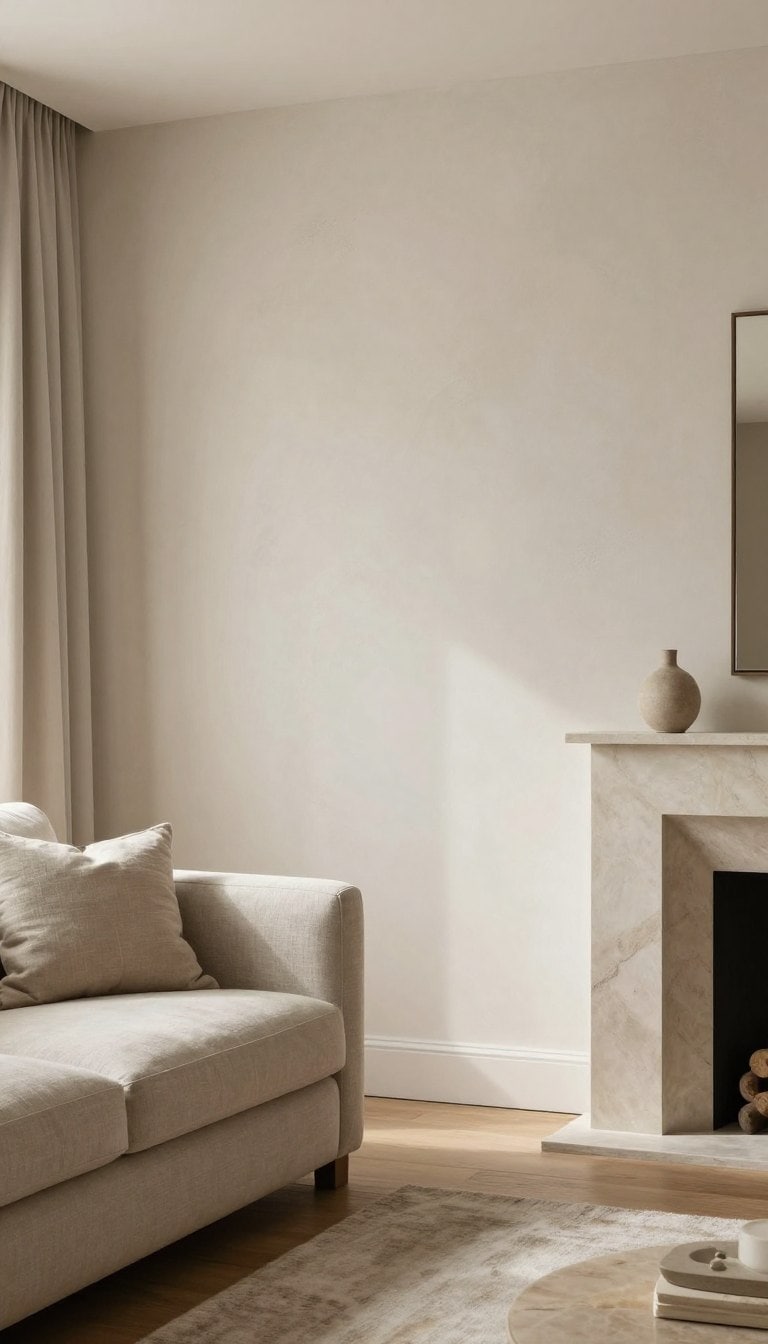
15 Limewash Accent Wall Ideas That Add Instant Character
Limewash has a way of making a plain wall feel instantly more interesting. Its soft movement, cloudy variation, and slightly imperfect finish can bring depth to a room without relying on bold wallpaper or heavy architectural detail.
It works especially well on accent walls because the texture can become a focal point while the rest of the room stays simple. Depending on the shade, limewash can feel Mediterranean, rustic, minimalist, earthy, romantic, or quietly luxurious.
From warm beige bedrooms to moody charcoal dining rooms, these limewash accent wall ideas show how versatile the finish can be. Always check the product instructions because preparation, primers, application, and suitability vary between limewash products and wall types.
Quick Guide: Choose the Right Limewash Accent Wall
- For a warm bedroom: Try beige, taupe, clay, or muted blush.
- For a modern living room: Soft greige, stone, or warm grey works beautifully.
- For a dramatic look: Choose charcoal, deep olive, or earthy brown.
- For a Mediterranean feel: Use chalky white, sand, terracotta, or dusty ochre.
- For a small room: Keep the surrounding walls lighter and use a softly toned accent rather than a very dark shade.
- For the easiest focal point: Use limewash behind the bed, sofa, dining table, or fireplace.
The movement in limewash is part of the appeal, so do not expect a perfectly flat, uniform finish. Sample the color on the actual wall first whenever possible because lighting and substrate can change the final shade.
1. Add Warm Beige Limewash Behind the Bed
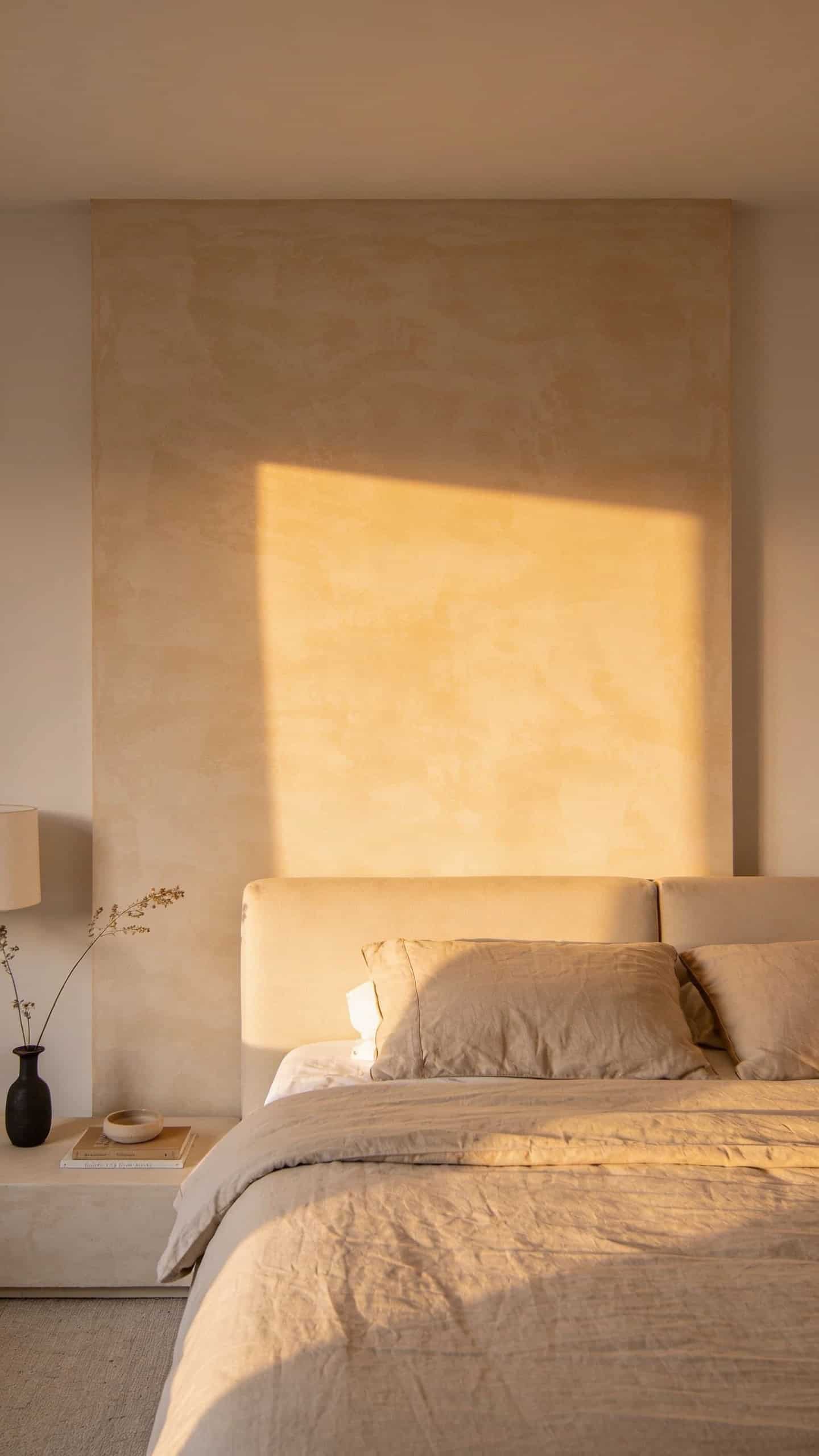
A warm beige limewash wall is one of the easiest ways to make a bedroom feel softer and more layered. The subtle tonal movement gives the wall depth without competing with bedding, artwork, or furniture.
Pair it with linen, light wood, woven textures, and warm white bedding for a relaxed look. If the room is small, keep the other walls a lighter cream or warm white so the accent still feels airy.
Pair Warm Beige With
- Natural linen bedding.
- Light oak or walnut.
- Cream textiles.
- Black or aged brass lighting.
Small-space tip: Warm beige gives you texture without creating the same visual weight as a deep accent color, which makes it especially useful in smaller bedrooms.
2. Use Soft Greige Limewash in the Living Room
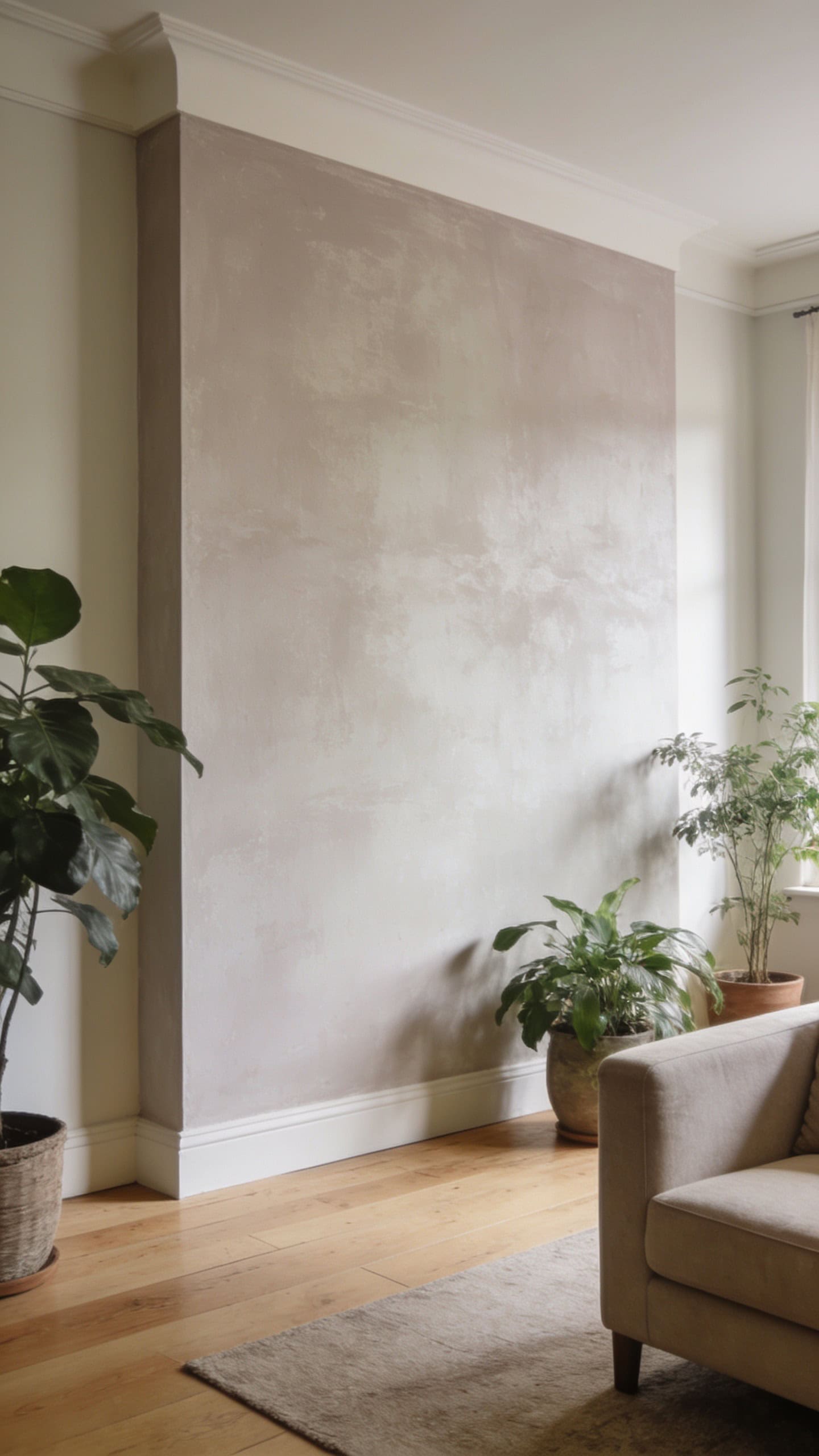
Greige is useful when you want the movement of limewash without committing to an obviously warm or cool color. It works particularly well with cream upholstery, black details, stone, and natural wood.
Try it behind the main sofa or media area to create a focal wall that feels more architectural than simply painting one wall a different color.
Style It With
- Cream or oatmeal upholstery.
- Dark metal accents.
- Travertine or stone-look pieces.
- Simple oversized artwork.
Why it works: Greige has enough warmth to avoid feeling stark but stays neutral enough to work with changing furniture and accessories over time.
3. Create a Terracotta Limewash Dining Wall
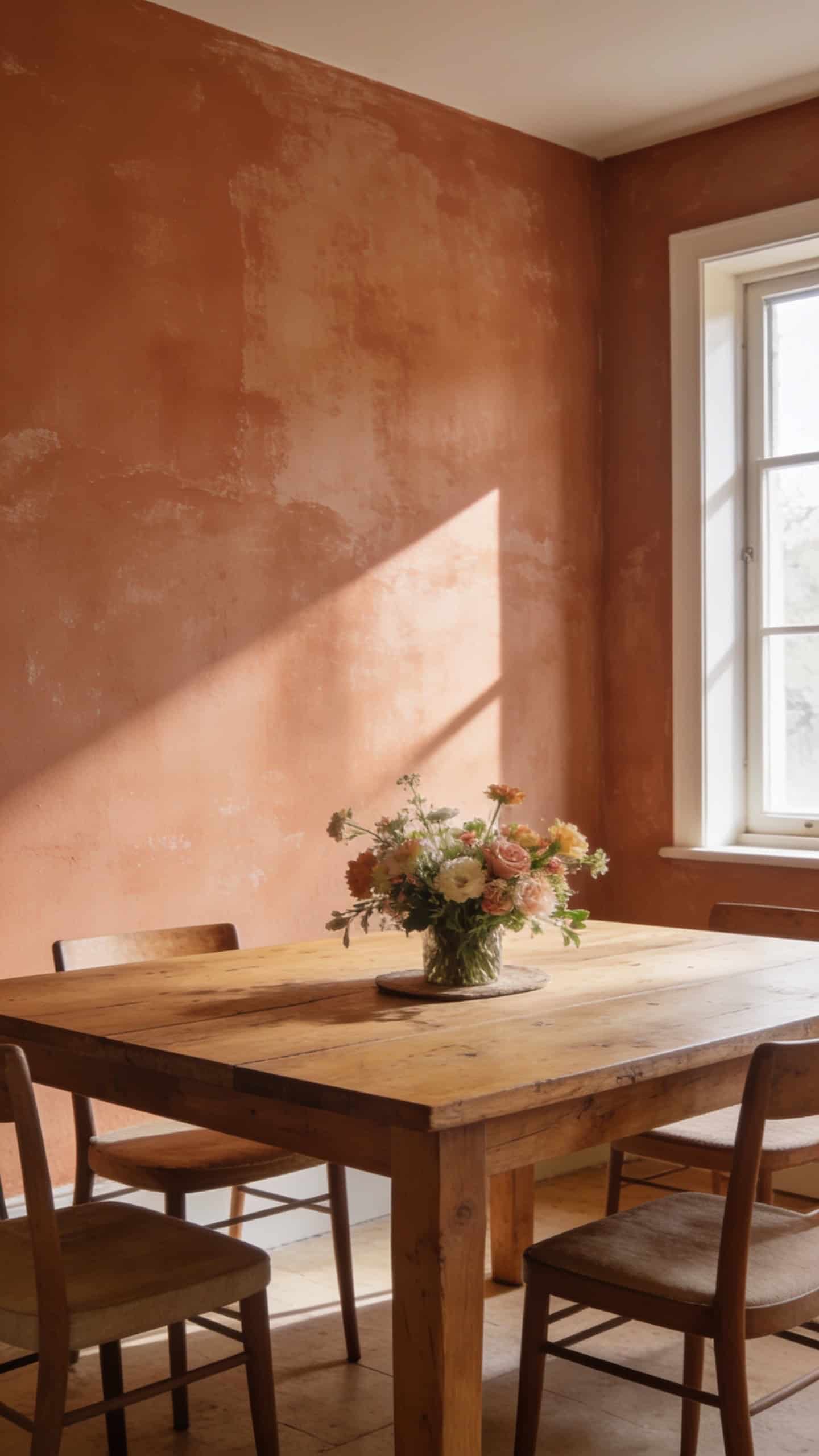
Terracotta limewash can make a dining room feel warmer and more atmospheric. The earthy color has plenty of character, while the washed finish prevents it from feeling too heavy or flat.
Use it behind the dining table and pair it with natural wood, ceramics, woven seating, and warm metal accents. Choose muted clay or dusty terracotta if bright orange feels too strong for the room.
Balance Terracotta With
- Warm white walls.
- Natural timber.
- Beige upholstery.
- Black or bronze lighting.
Designer detail: Terracotta looks especially convincing when the rest of the room repeats a few earthy materials rather than adding lots of unrelated colors.
4. Add Charcoal Limewash for a Moody Bedroom
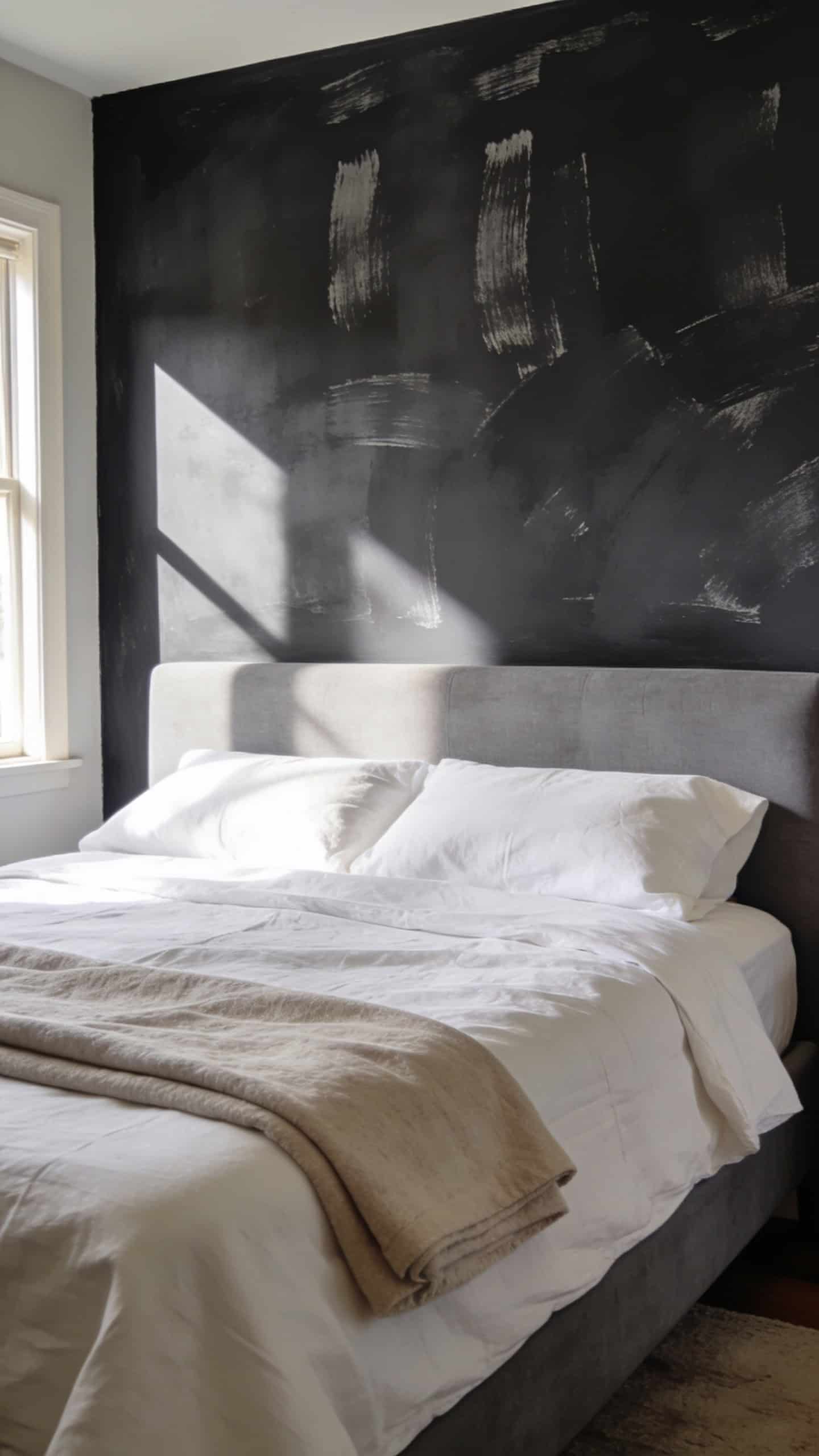
Charcoal limewash can create a dramatic bedroom focal point without the hard appearance of flat dark paint. The tonal variation gives the surface softness even when the color itself is deep.
Use it behind the bed and balance the darkness with pale bedding, lighter flooring, or warm wood furniture. Soft bedside lighting can also bring out the movement in the finish.
Soften a Dark Limewash Wall With
- White or oatmeal bedding.
- Warm bedside lamps.
- Medium-tone wood furniture.
- Soft wool or linen textiles.
Creates this effect: The dark wall feels cocooning rather than severe because the limewash texture breaks up the color and catches the light differently across the surface.
5. Use Chalky White Limewash Around a Fireplace
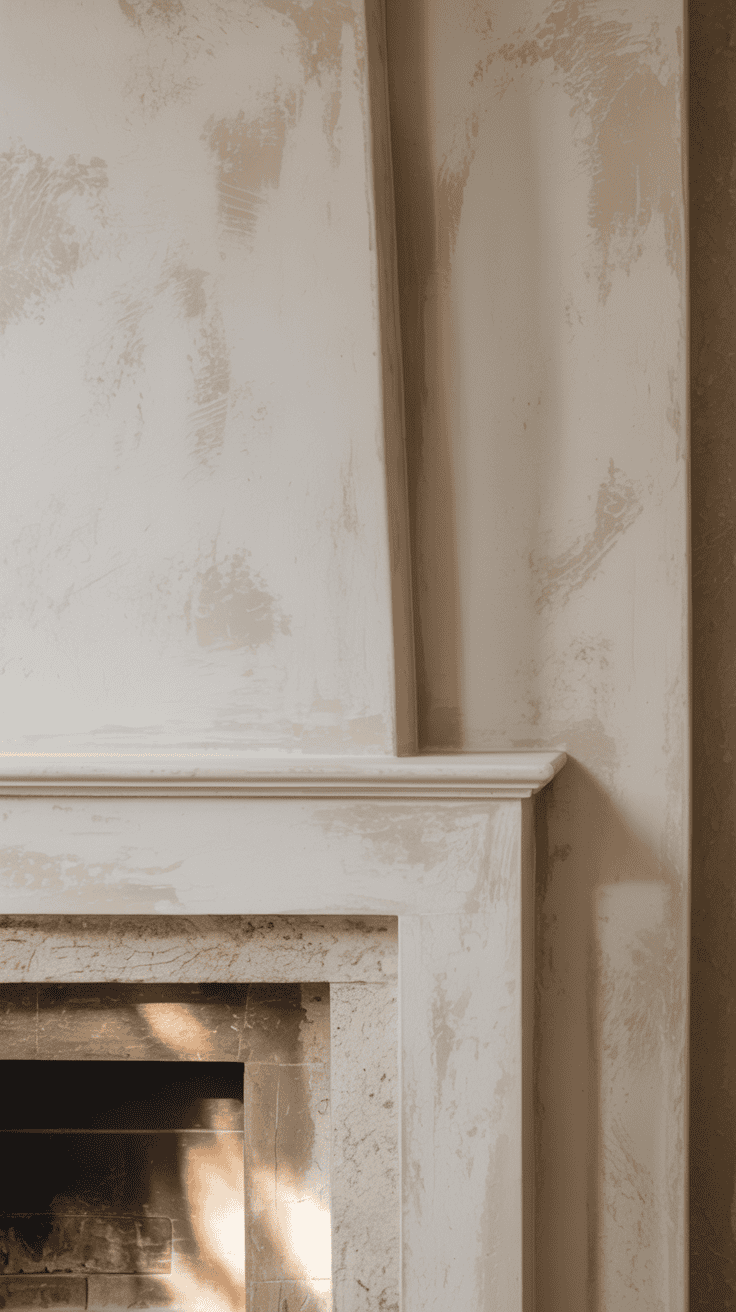
A chalky white limewash wall can give a fireplace area an aged, softly textured look without introducing a strong color. It works beautifully with stone, pale plaster-like textures, natural wood, and simple ceramics.
If the finish is close to a working fireplace, follow the manufacturer’s guidance and any applicable requirements for fireplace materials and heat-exposed areas.
Try Chalky White With
- A natural wood mantel.
- Stone or terracotta accessories.
- Woven baskets.
- Simple neutral artwork.
Most timeless option: Chalky white gives you the character of limewash while remaining flexible enough to work with rustic, Mediterranean, modern, and traditional rooms.
6. Try Olive Green Limewash in a Home Office
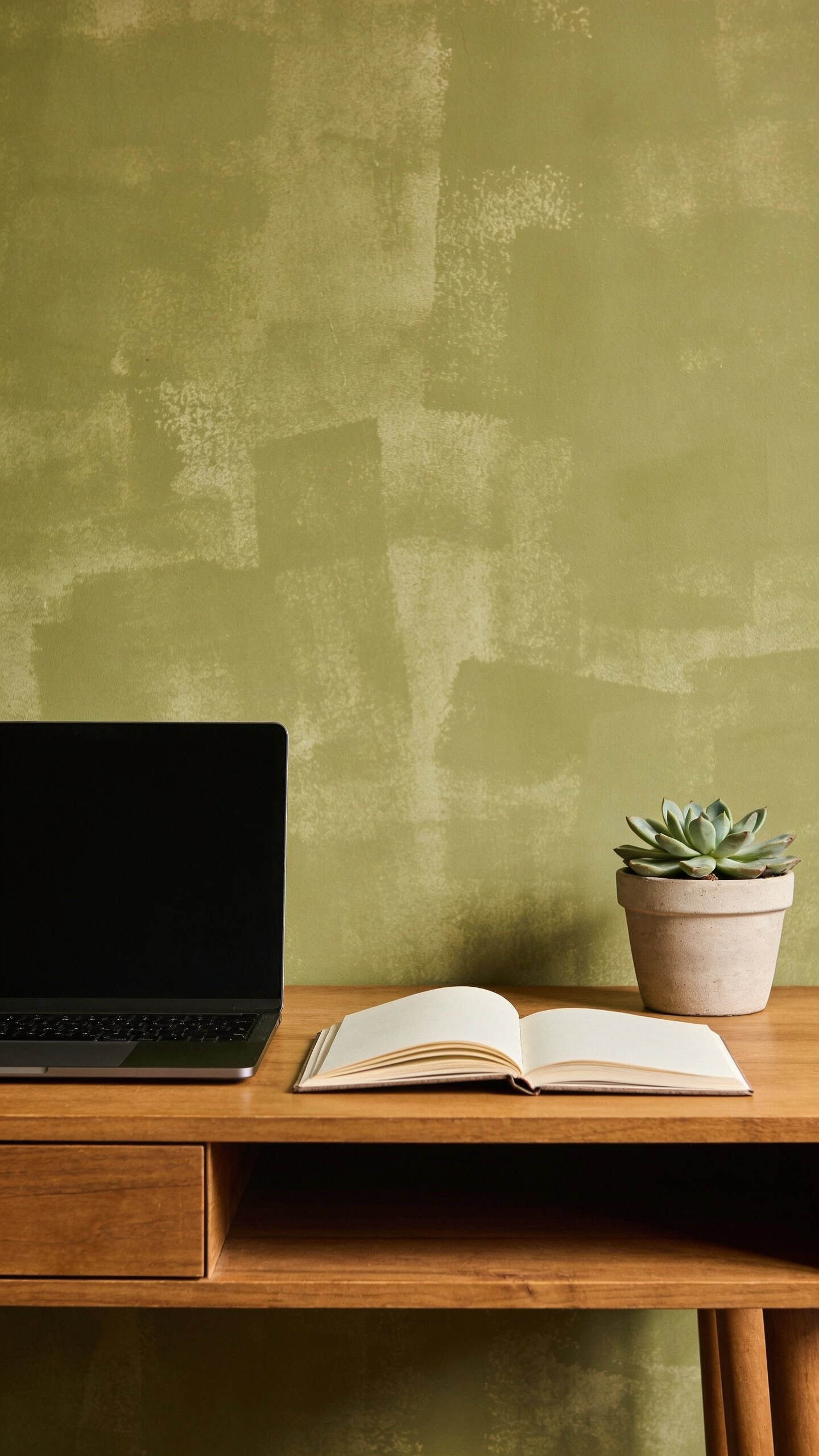
Muted olive green can bring a grounded quality to a home office without becoming distracting. Use it behind the desk or shelving and combine it with walnut, oak, black metal, and warm neutral accessories.
The earthy undertone helps olive feel calmer than a brighter green, while the limewash texture adds enough variation to stop the wall from looking flat.
Pair Olive Limewash With
- Walnut or oak furniture.
- Black task lighting.
- Cream accessories.
- Natural woven storage.
Practical tip: If the wall sits directly behind your desk, keep artwork and shelving relatively simple so the limewash texture does not have to compete with visual clutter.
7. Create a Dusty Blush Limewash Bedroom Wall
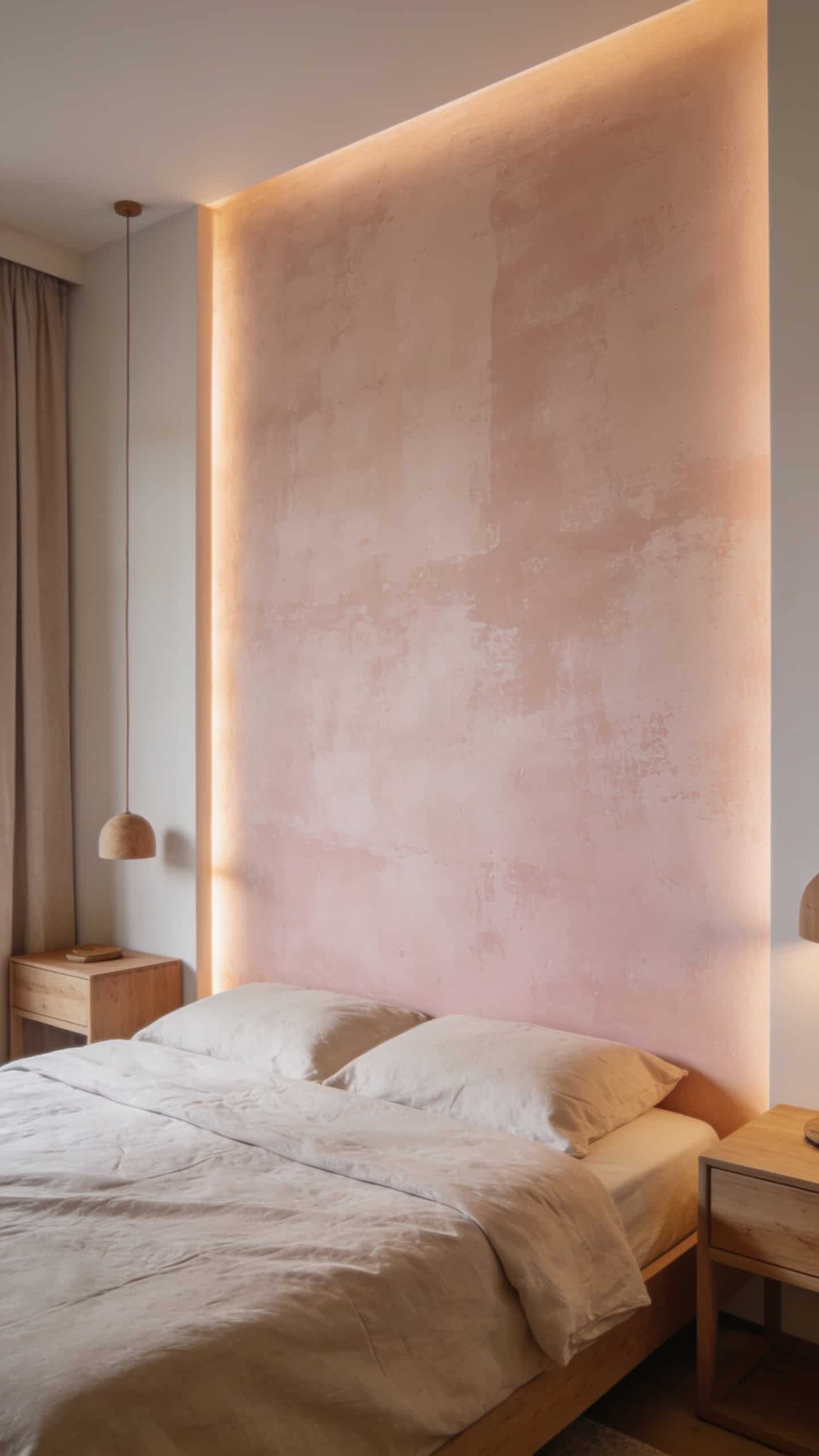
Dusty blush limewash offers a more grown-up alternative to a flat pink accent wall. Choose a muted shade with beige, clay, or brown undertones so the finish feels earthy rather than overly sweet.
It works particularly well in bedrooms with cream bedding, natural linen, aged brass, and medium or dark wood. The result can feel romantic without becoming overly decorative.
Style Dusty Blush With
- Cream bedding.
- Aged brass.
- Natural linen.
- Dark or medium wood.
Why designers love it: Dusty blush adds warmth and softness while still behaving almost like a neutral when the undertone is muted enough.
8. Use Taupe Limewash Behind Open Shelving
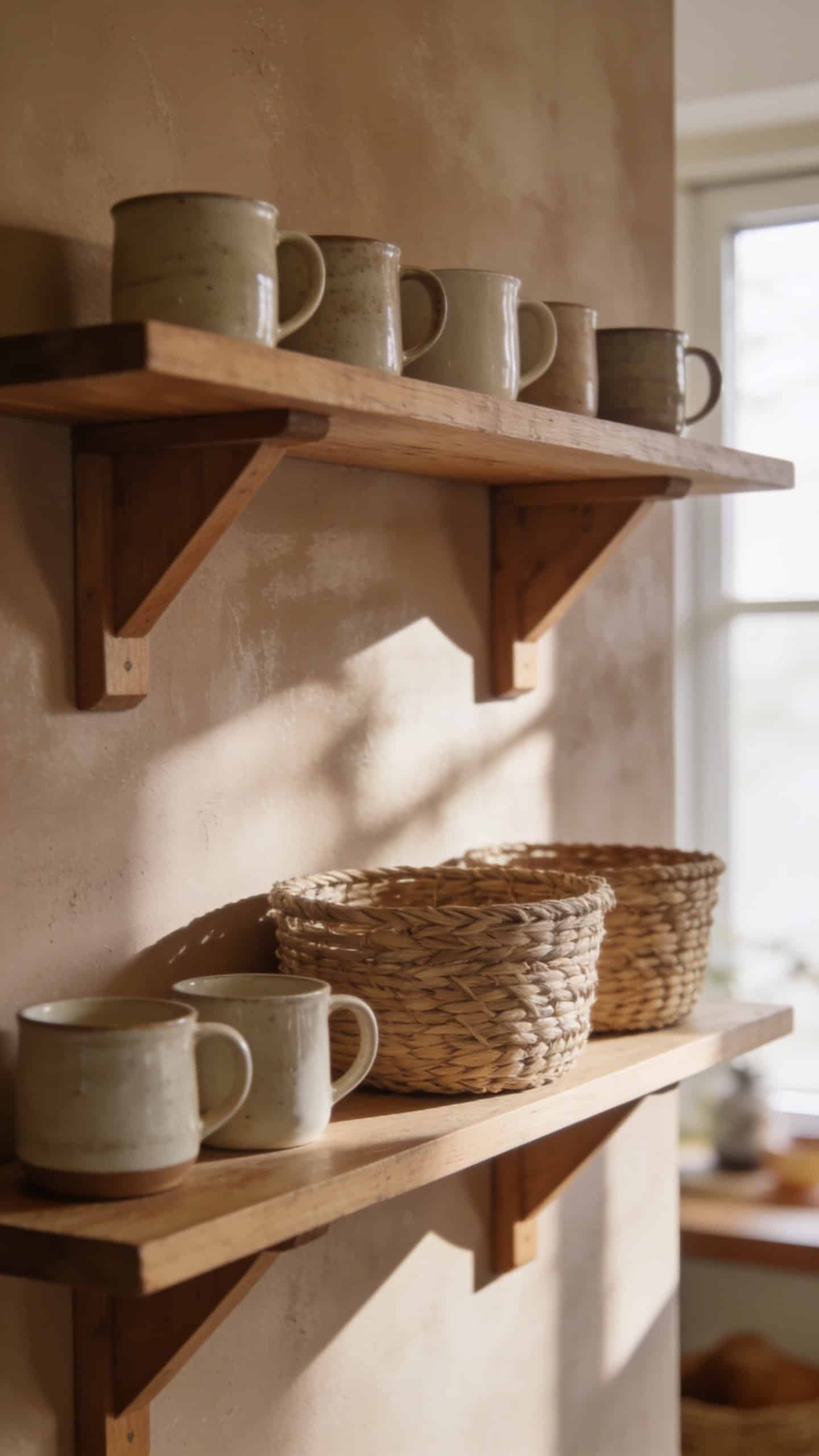
Limewash works especially well behind open shelves because its subtle texture creates depth without competing with the objects displayed in front of it. Taupe is a flexible choice because it works with both warm and cool neutrals.
Keep the shelf styling edited so some of the wall remains visible. Otherwise, all that lovely limewash texture ends up doing its best work behind twelve baskets and a small forest of decorative objects.
Keep Shelf Styling Simple With
- Neutral ceramics.
- Stacked books.
- Natural baskets.
- One or two darker accents.
Designer detail: Leave a little negative space between objects so the limewash becomes part of the shelf styling rather than disappearing behind it.
9. Add Sandy Beige Limewash to an Entryway
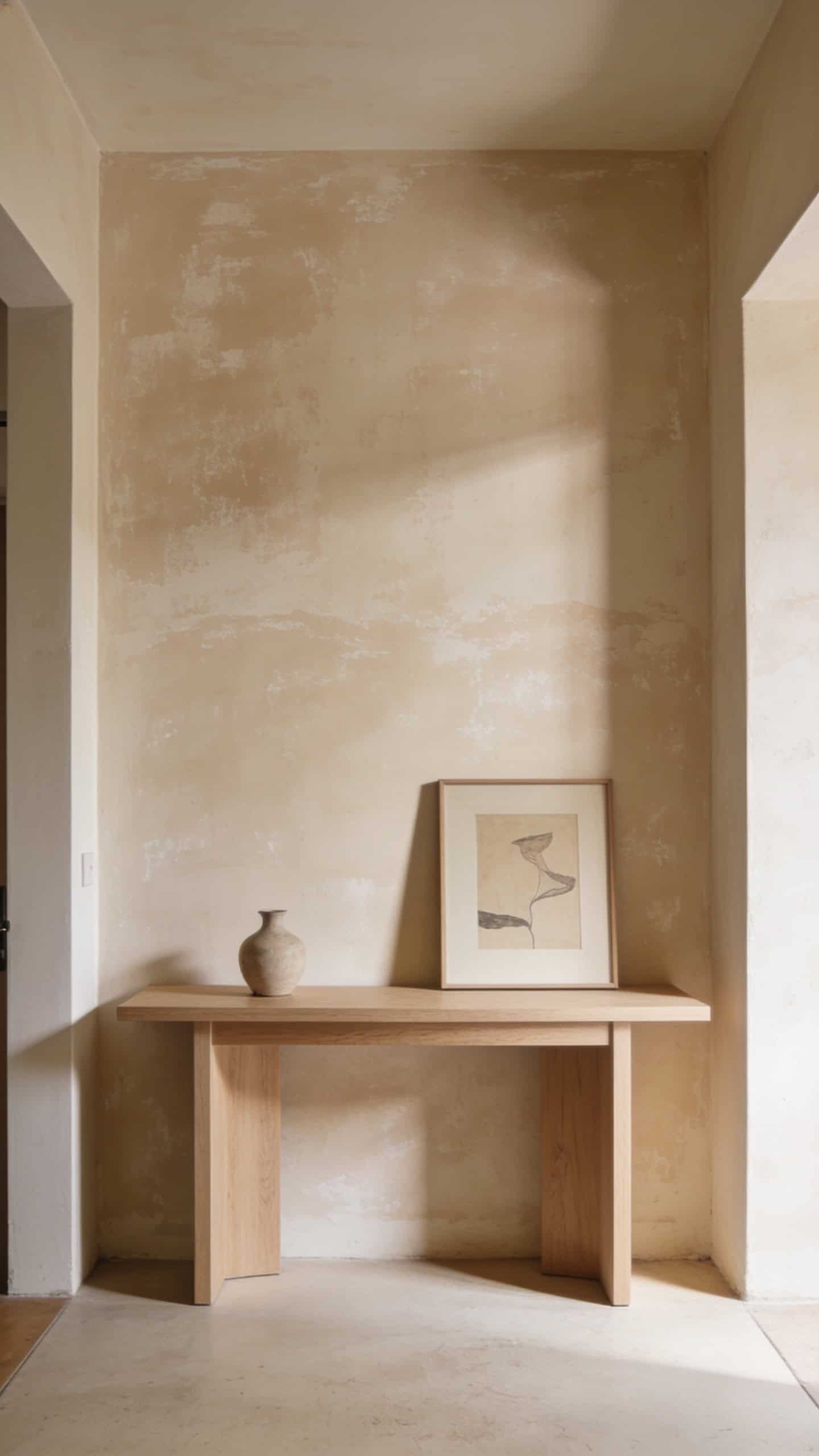
An entryway is a good place to experiment with limewash because even a relatively small wall can make a strong first impression. Sandy beige adds warmth and texture without making the space feel noticeably darker.
Use it behind a console, bench, or mirror and keep the surrounding pieces fairly simple. Natural wood, woven storage, and warm metal accents can reinforce the relaxed mineral quality of the finish.
Style the Entryway With
- A slim console table.
- A large mirror.
- Woven storage baskets.
- One simple lamp or wall light.
Small-space tip: A softly textured wall can provide enough visual interest that you need fewer decorative accessories, which is useful when floor and surface space are limited.
10. Try Deep Brown Limewash in a Dining Room
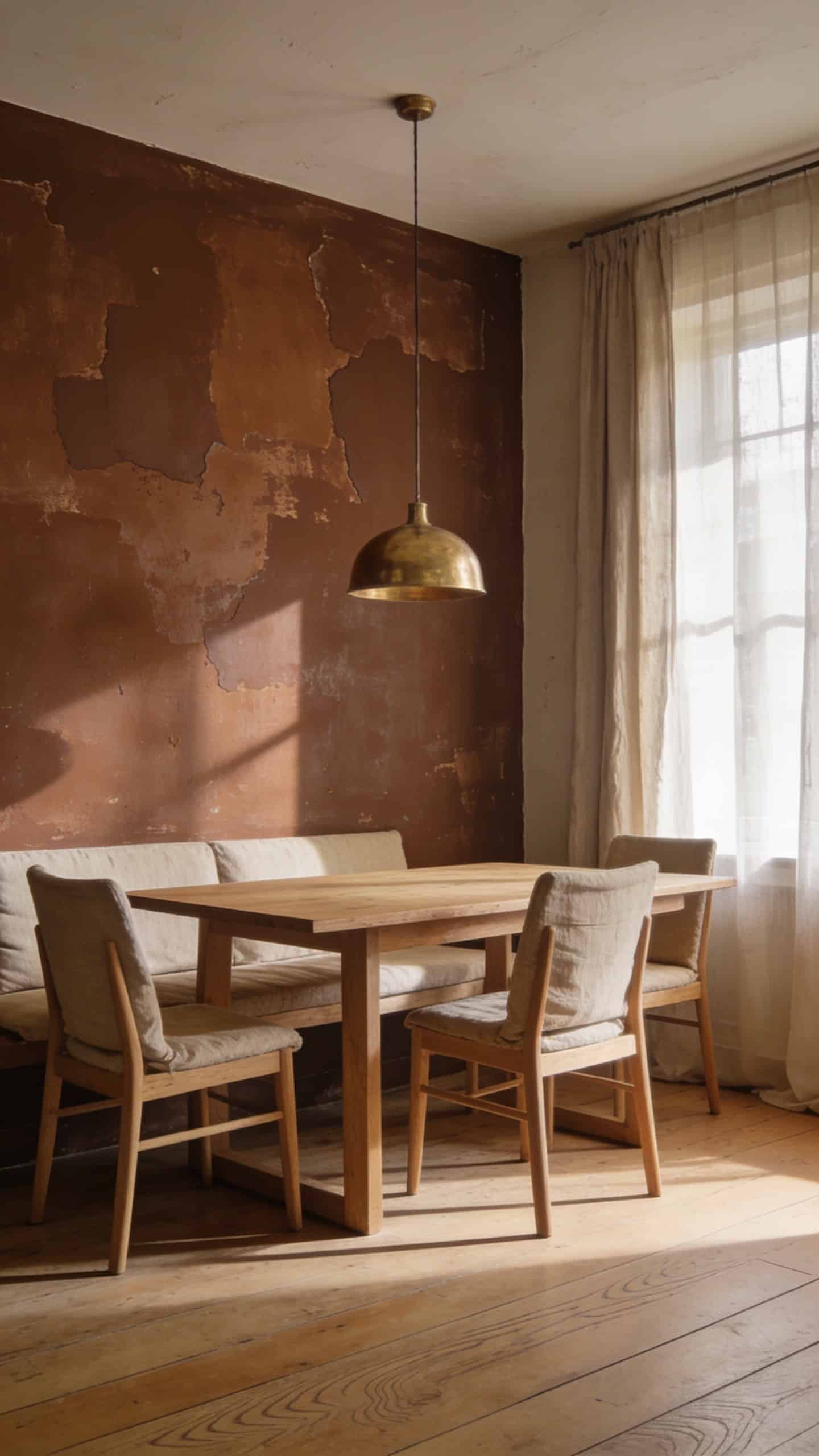
Deep brown limewash can give a dining room an intimate, cocooning feel, particularly when the cloudy variation prevents the color from looking like one solid dark block.
Use it behind the dining table and balance the depth with cream upholstery, warm lighting, and natural wood. This keeps the room rich and atmospheric without allowing the darker wall to dominate everything around it.
Balance Deep Brown With
- Cream dining chairs.
- Warm brass lighting.
- Natural wood furniture.
- Simple white or neutral ceramics.
Creates this effect: Deep brown feels sophisticated rather than heavy when lighter upholstery and warm lighting provide enough contrast.
11. Use Blue-Grey Limewash for a Calm Bedroom
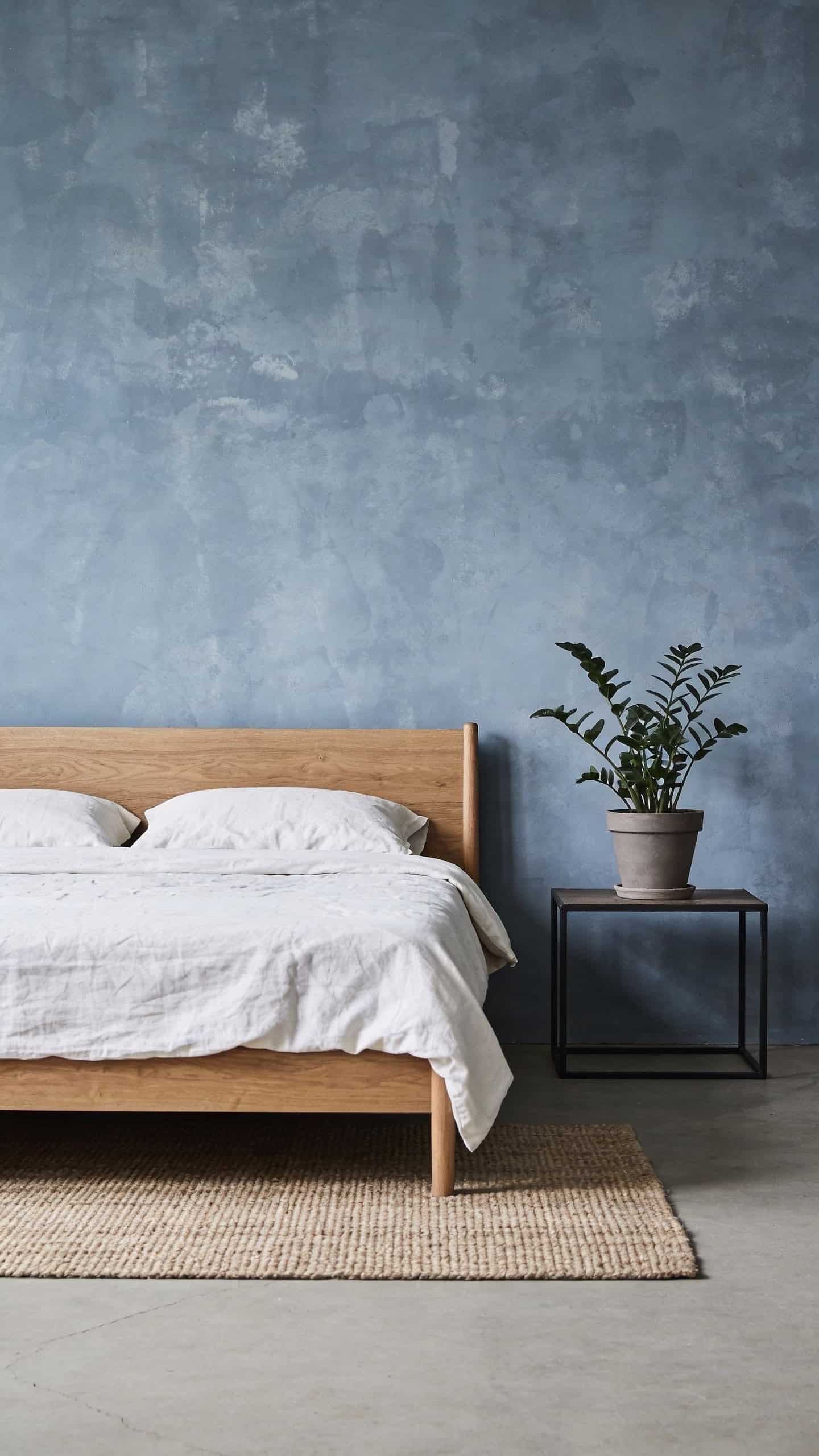
Blue-grey limewash can create a peaceful bedroom backdrop without feeling cold when it is paired with warmer materials. Look for a muted, mineral-like shade rather than a bright or highly saturated blue.
Pale wood, warm white bedding, beige rugs, and soft metallic accents can counterbalance the cooler wall color while allowing its subtle tonal variation to remain visible.
Warm Up Blue-Grey With
- Pale or medium-tone wood.
- Warm white bedding.
- Beige rugs.
- Soft brass or bronze accents.
Most timeless option: Choose a blue-grey with plenty of grey in the undertone so it behaves almost like a neutral rather than becoming the dominant color in the bedroom.
12. Create a Limewashed Reading Nook
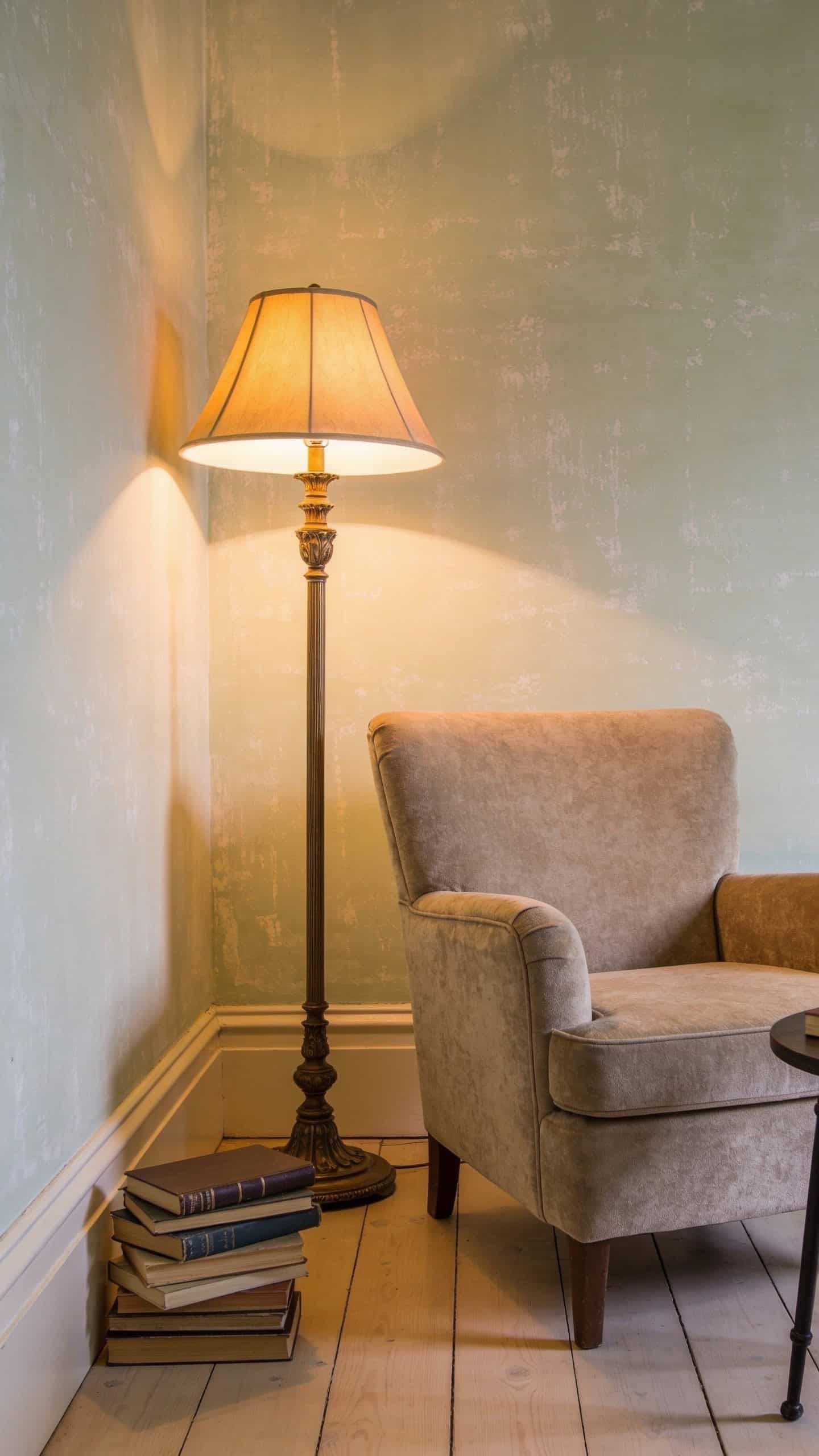
A reading nook is a perfect place to use limewash because the change in texture and color can visually separate one corner from the rest of the room. Taupe, clay, olive, and warm grey are particularly easy shades to work with.
Add a comfortable chair, focused reading light, compact side table, and one or two soft textiles. The limewash already supplies plenty of visual movement, so the nook does not need to be crowded with decoration.
Complete the Nook With
- A comfortable armchair.
- A floor or wall-mounted reading light.
- A compact side table.
- A soft throw or cushion.
Easiest upgrade: Limewashing only the nook can make it feel like a small room within a room without adding a divider or bulky furniture.
13. Add Ochre Limewash for a Mediterranean Feel
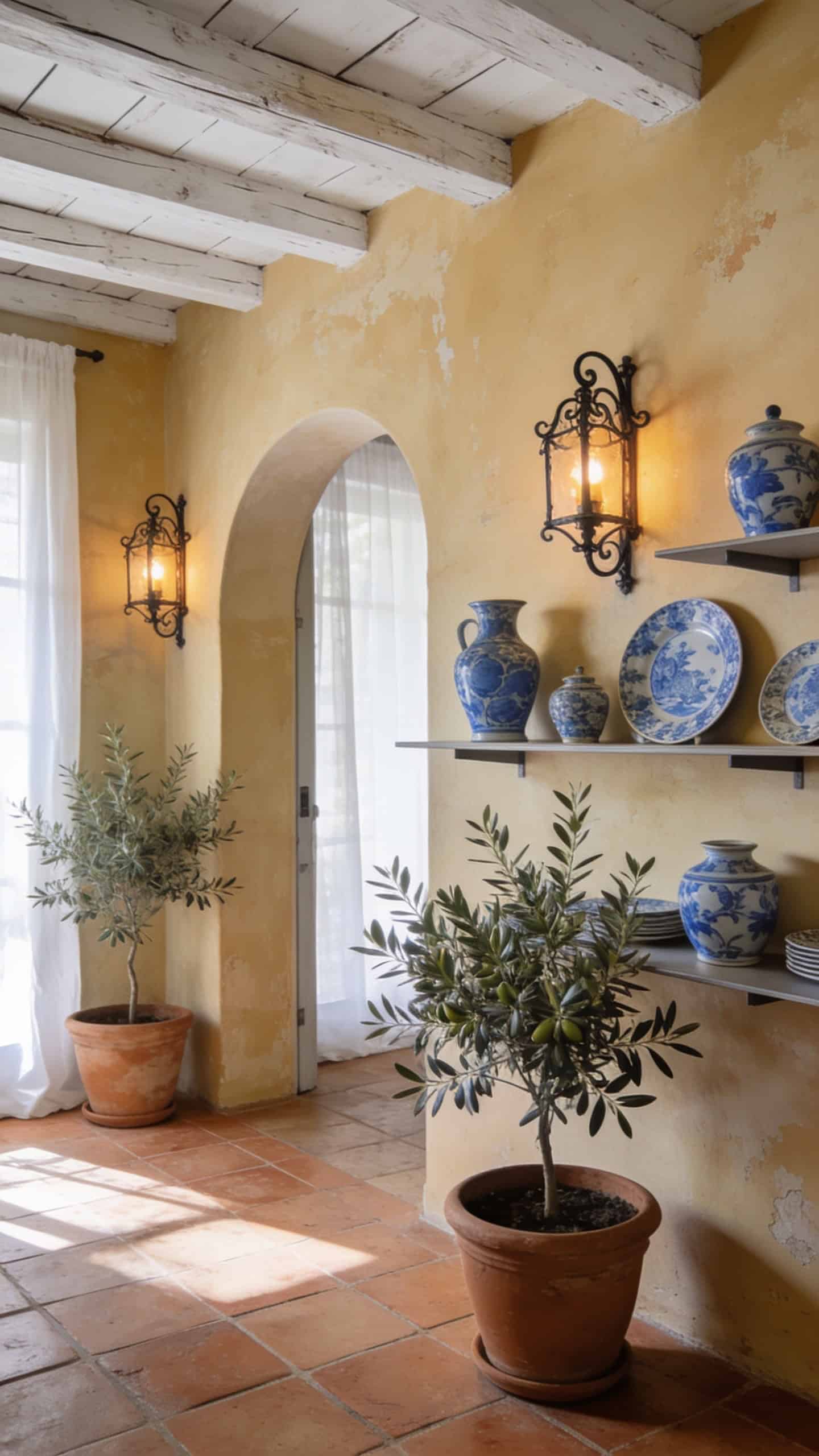
Muted ochre can bring a sun-warmed Mediterranean feel to a room without becoming as bold as a bright yellow wall. The natural variation of limewash makes the shade feel softer and more weathered.
Use it behind a sofa, dining table, or console and combine it with terracotta pottery, linen, natural wood, and woven details for a relaxed, earthy palette.
Pair Ochre With
- Cream linen.
- Terracotta ceramics.
- Warm wood.
- Muted olive or brown accents.
Designer detail: Choose an ochre that looks slightly dusty or mineral rather than intensely yellow for a softer, more timeless Mediterranean effect.
14. Use Limewash Inside an Alcove or Recess
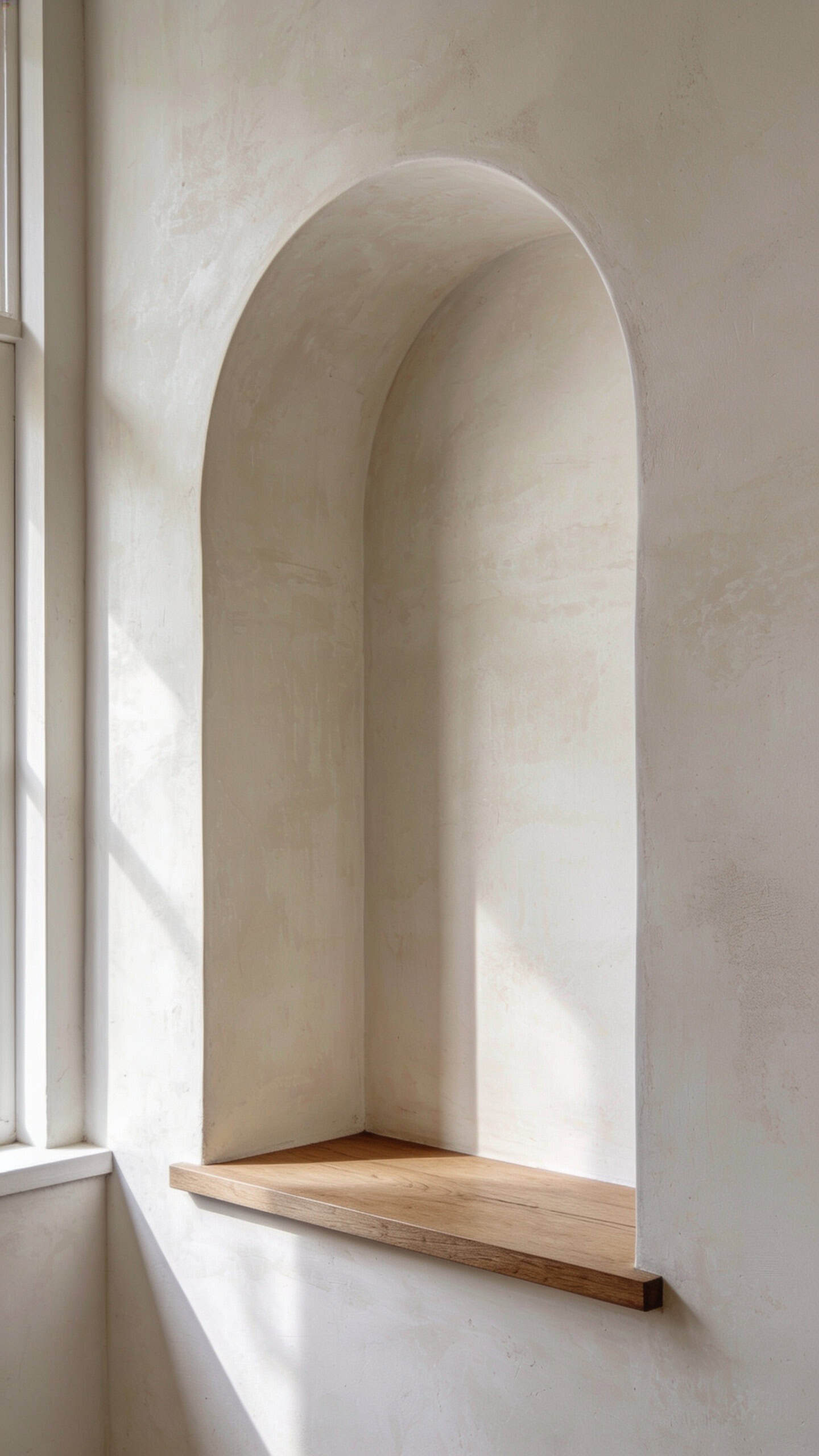
You do not have to limewash an entire wall to create impact. Applying the finish inside an alcove, recessed shelf area, or architectural niche can emphasize the shape while keeping the rest of the room simple.
This approach is particularly useful in smaller spaces because it gives you color and texture in a contained area. It can also turn an awkward recess into an intentional design feature.
Try Limewash Inside
- Built-in shelving.
- A desk recess.
- A decorative niche.
- A small reading alcove.
Small-space tip: An alcove gives you the character of a limewash feature wall without visually changing every wall in the room.
15. Create a Soft Stone Limewash Wall Behind the Sofa
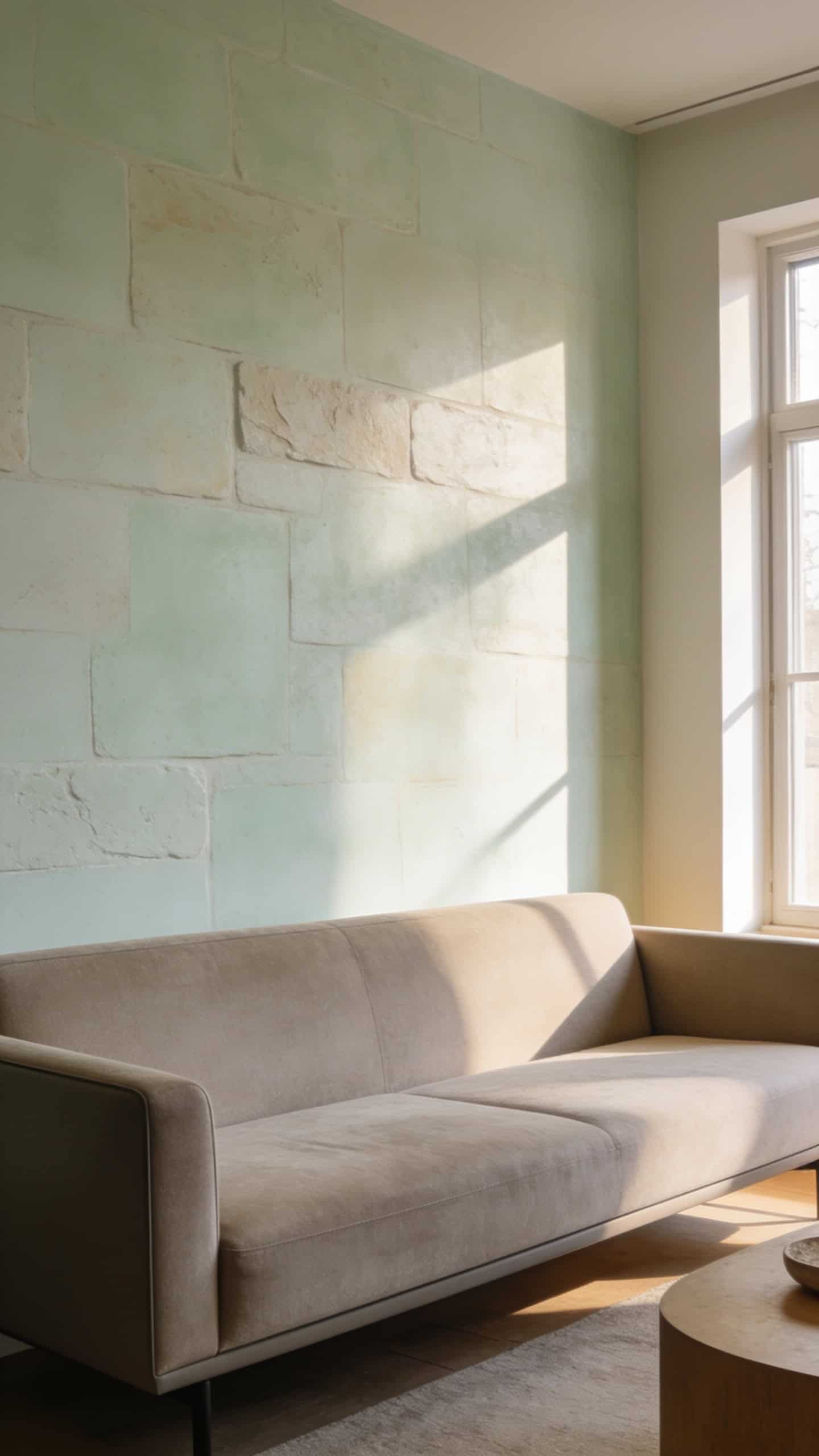
A soft stone shade is ideal if you love the texture of limewash but want something that works with almost any decorating style. It has enough tonal variation to make the wall interesting while remaining comfortably neutral.
Use it behind a sofa and layer the room with cream upholstery, natural timber, black or bronze accents, and textured neutral cushions. Because the wall is understated, it can adapt easily as your furniture and accessories change.
Style Soft Stone With
- Cream upholstery.
- Natural timber.
- Black or bronze accents.
- Textured neutral cushions.
Most versatile option: Soft stone is a good choice if you want the character of limewash without committing the room to a strong color palette.
You Might Also Like
Which Wall Should You Limewash?

The best accent wall usually has a natural reason to draw attention. Rather than choosing a wall at random, use limewash to emphasize an existing focal point or architectural feature.
- Bedroom: The wall behind the bed is usually the easiest choice.
- Living room: Try the wall behind the sofa, fireplace, or main seating area.
- Dining room: Use the wall that visually anchors the dining table.
- Home office: The wall behind the desk can help define the workspace.
- Entryway: Highlight the wall behind a console, bench, or mirror.
- Small spaces: An alcove or recessed section can provide impact without covering a large area.
Before choosing the wall, notice where daylight falls throughout the day. Limewash texture is often most noticeable when natural or directional light passes across the surface rather than hitting it completely flat.
How to Choose a Limewash Color
Limewash can appear surprisingly different depending on the room, time of day, surface underneath, and application technique. Sampling on the actual wall is useful because subtle color variation is part of the finished effect.
- Warm rooms: Consider beige, taupe, clay, terracotta, blush, or ochre.
- Calm neutral rooms: Try stone, greige, soft grey, or chalky white.
- Earthy interiors: Olive, brown, clay, and muted green work particularly well.
- Moody rooms: Charcoal, chocolate, and deep olive can create plenty of drama.
- Small rooms: Medium and lighter mineral tones are often easier to use when you want texture without strong contrast.
Before you commit: View your sample in morning, afternoon, and evening light. A shade that looks perfectly beige at noon can develop surprisingly different undertones once the lamps come on.
How to Make a Limewash Accent Wall Look Expensive

Limewash already provides plenty of visual interest, so sophisticated rooms often keep everything around the feature wall relatively restrained. Let the finish provide the movement instead of surrounding it with too many competing details.
- Limit the palette: Use a small number of related colors throughout the room.
- Choose natural materials: Linen, wood, stone, wool, and ceramics complement the mineral quality of limewash.
- Leave some wall visible: Simple artwork allows the texture to remain part of the design.
- Use warm lighting: Directional and ambient light can emphasize subtle variations in the finish.
- Keep furniture shapes clean: Simple silhouettes prevent the room from becoming visually busy.
- Repeat the wall color: Echo it through a cushion, rug, ceramic, or artwork to make the scheme feel connected.
Designer detail: The more interesting the limewash texture is, the less decoration the wall usually needs. Give the finish enough empty space to become part of the room’s design.
Limewash Accent Walls in Small Rooms
Limewash can work beautifully in a small room because tonal movement adds depth without requiring wall paneling, bulky decorative features, or lots of artwork.
- Choose one focal wall: Avoid making several unrelated surfaces compete for attention.
- Stay within a related palette: Keeping the accent color connected to the surrounding walls creates a softer transition.
- Keep furniture visually light: Shallow, raised, or streamlined furniture helps preserve a sense of space.
- Use mirrors thoughtfully: They can reflect light and give a small room more visual depth.
- Consider an alcove: A recessed area can give you the limewash effect without changing an entire wall.
Small-space reassurance: You do not need a large wall for limewash to make an impact. A bed wall, desk recess, reading nook, or short entryway wall can be enough.
Common Limewash Accent Wall Mistakes to Avoid

Limewash is intentionally imperfect, but there is a difference between beautiful variation and a finish that simply does not suit the wall, room, or product being used.
- Skipping surface preparation: The correct preparation can vary according to the wall and limewash product.
- Expecting perfectly uniform coverage: Tonal variation is normally part of the appeal.
- Choosing color from a screen: Online images cannot reliably show how a shade will look in your own lighting.
- Overdecorating the wall: Too much artwork or shelving can hide the texture you created.
- Ignoring the rest of the palette: The limewash shade should still connect with the flooring, furniture, and textiles.
- Assuming every product suits every surface: Different products can have different requirements for drywall, plaster, brick, and other substrates.
Follow the manufacturer’s guidance for preparation, application, sealing, and maintenance. Check whether the particular product is suitable for your wall surface. Some systems may require a compatible mineral or specialist primer, while others have different preparation requirements.
An Easy Limewash Accent Wall Formula
- Choose a wall that already acts as a natural focal point.
- Select a limewash shade that connects with your existing flooring and furniture.
- Sample the color in the actual room before committing.
- Prepare the surface according to the product instructions.
- Let some of the wall remain visible rather than covering the texture with excessive decor.
- Repeat the wall shade through textiles, ceramics, artwork, or smaller accessories.
Why this formula works: It treats limewash as part of the overall room rather than an isolated paint effect, which helps the finished accent wall feel much more intentional.
Final Thoughts
A limewash accent wall can transform a room without requiring complicated architectural changes. Subtle shifts in color and texture give simple spaces depth, softness, and character that flat paint can struggle to achieve.
The key is choosing the right wall, sampling the color carefully, and keeping the surrounding decor restrained enough for the finish to shine. From warm beige and soft stone to terracotta, olive, blush, and charcoal, there are plenty of ways to use limewash without making a room feel overly designed.
Start with one natural focal point and build the rest of the room around it. When the color, lighting, furniture, and materials work together, the beautiful irregularity of limewash becomes the feature rather than something you need to disguise.