

15 English Garden Border Ideas Full of Color and Texture
English garden borders have a way of feeling both abundant and effortless at the same time. Nothing is too precise, nothing too controlled—just layers of colour, texture, and soft movement that seem to fall into place naturally.
It’s this slightly undone beauty that makes them so inviting. A mix of blooms, foliage, and structure that shifts gently through the seasons, always giving you something new to notice.
1. A Soft Pastel Border That Feels Calm and Romantic
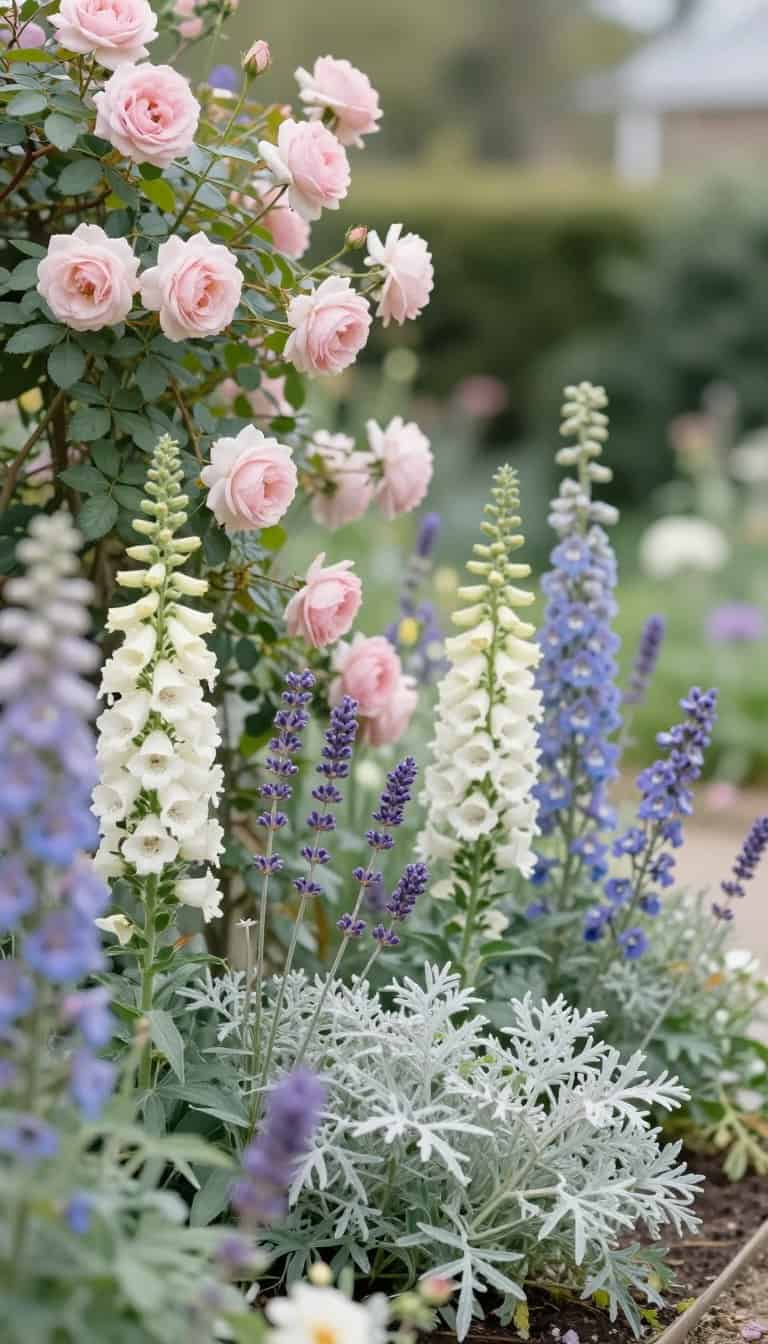
There’s something instantly soothing about a border built around soft pastels—pale pinks, gentle lilacs, creamy whites, and the faintest hints of blue. It feels light, airy, and quietly elegant without ever trying too hard.
The colours blend into one another rather than competing, creating a soft wash of tone that feels cohesive and relaxed.
- Roses, foxgloves, and delphiniums bring height and softness
- Silvery foliage adds a muted, calming contrast
- Keep the palette restrained for a more seamless look
2. A Cottage-Style Mix That Feels Abundant
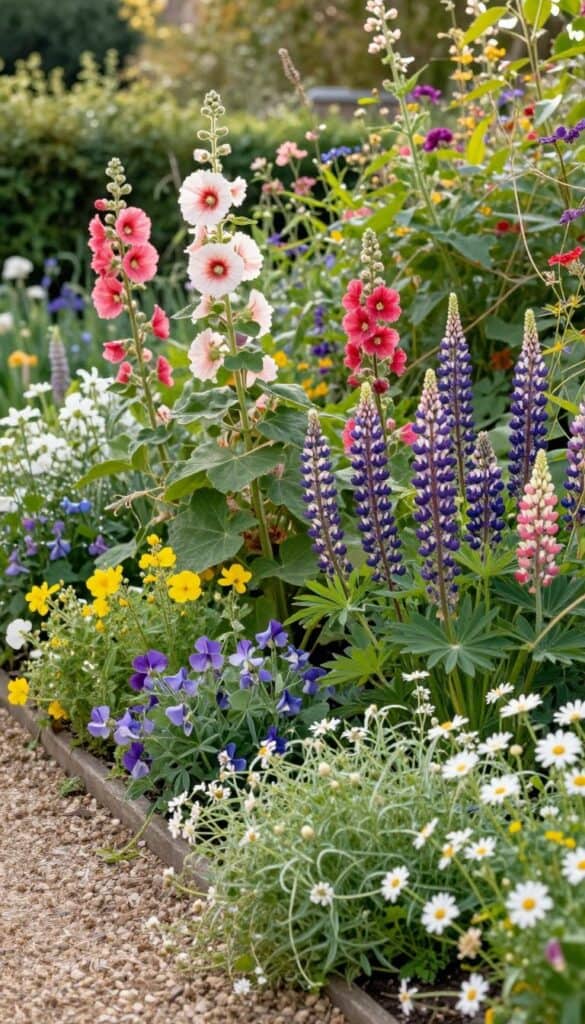
A classic English cottage border is all about fullness. Flowers spill into one another, heights vary naturally, and everything feels slightly overgrown in the best way.
It’s not about symmetry—it’s about layers that feel lived-in and generous.
- Combine tall spires with low, mounding plants
- Let blooms overlap for a softer edge
- Mix textures freely for a relaxed finish
3. A Blue and Purple Border That Feels Cool and Layered
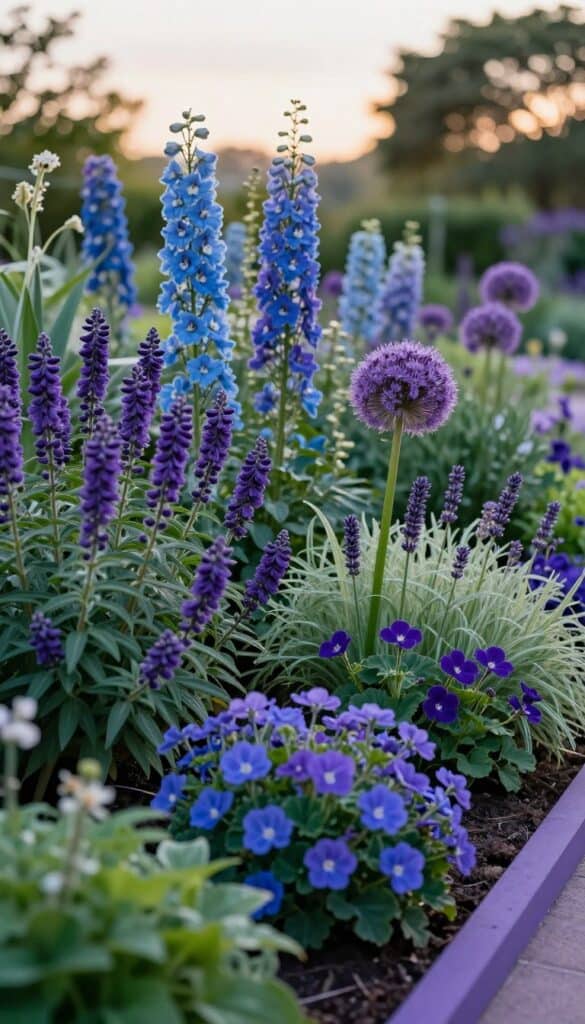
Cool-toned borders bring a sense of calm depth to a garden. Blues and purples naturally recede, which makes the space feel larger and more expansive.
There’s a quiet richness here that works beautifully in both sun and shade.
- Use delphiniums, salvias, and lavender
- Add deeper purple tones for contrast
- Break up colour with soft greens
4. A White Garden Border That Glows at Dusk
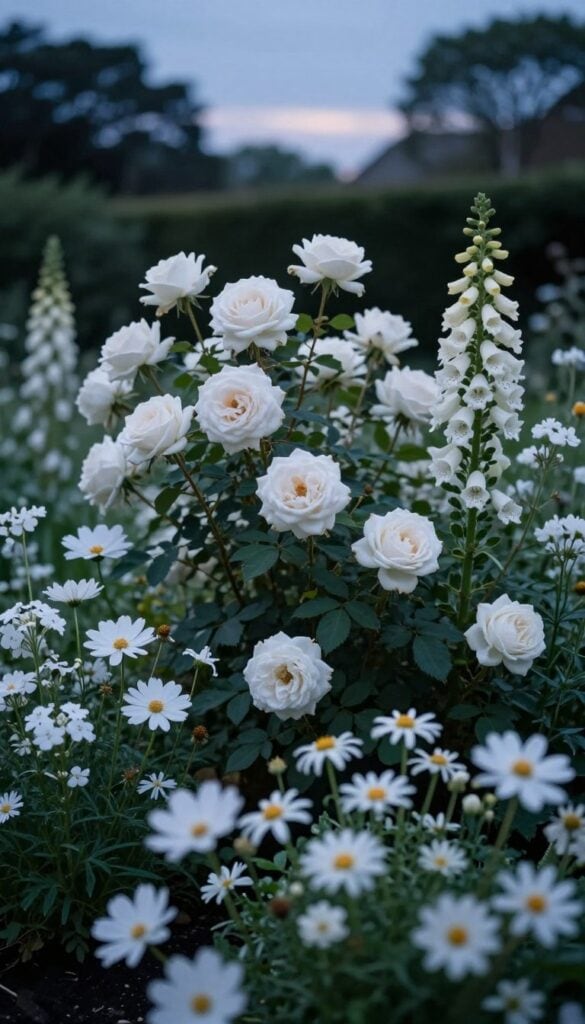
A border built around white blooms has a quiet magic in the evening. As the light fades, the flowers seem to hold onto the last of the day.
It feels understated during daylight and softly luminous by night.
- Mix different shades of white for depth
- Include varied petal shapes for texture
- Add darker foliage nearby to make it pop
5. A Textural Border with Grasses and Flowers
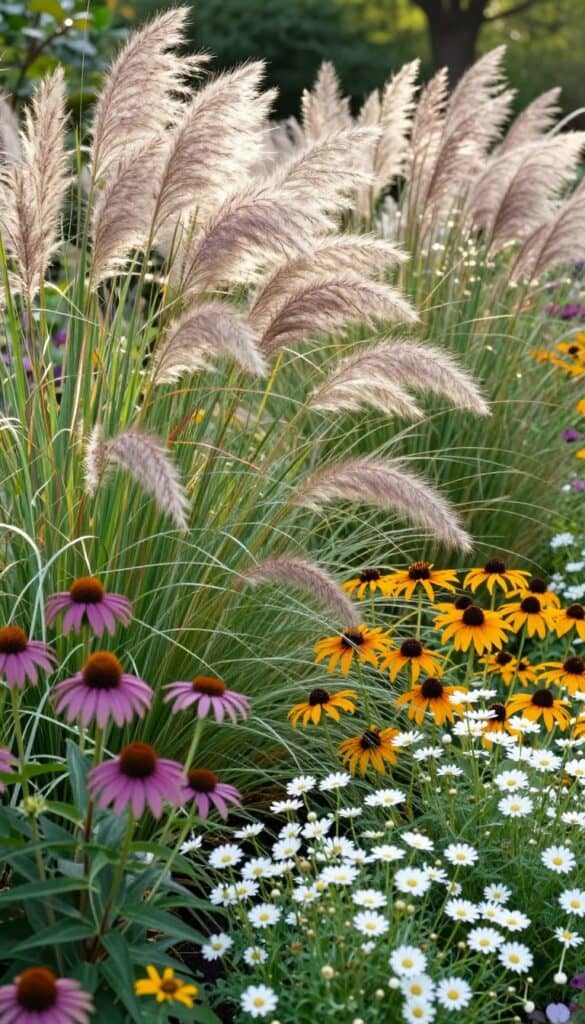
Blending ornamental grasses with traditional flowers creates movement that shifts with every breeze. It softens the overall look and adds a sense of flow.
The contrast between soft plumes and structured blooms keeps things interesting without feeling busy.
- Use grasses to break up dense planting
- Pair with daisies or echinacea for balance
- Let some areas feel slightly wild
6. A Warm-Toned Border That Feels Sunlit
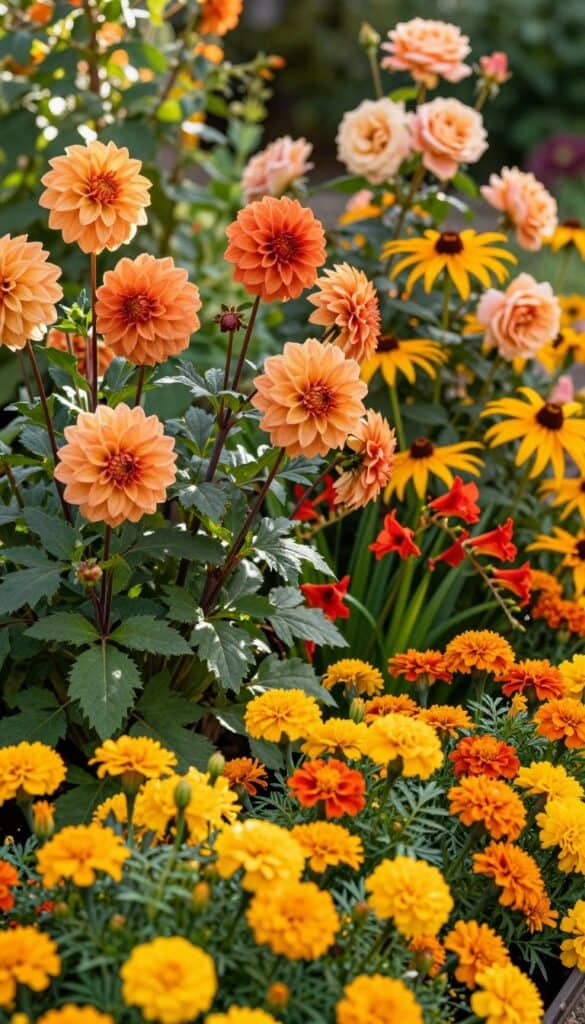
Reds, oranges, and golden yellows bring warmth that feels almost sun-soaked, even on cooler days. It’s vibrant, but when layered thoughtfully, still feels grounded.
The key is blending tones so they feel rich rather than overwhelming.
- Use dahlias, rudbeckia, and marigolds
- Soften with peach or apricot shades
- Balance with green foliage for contrast
7. A Structured Border with Repeating Plants
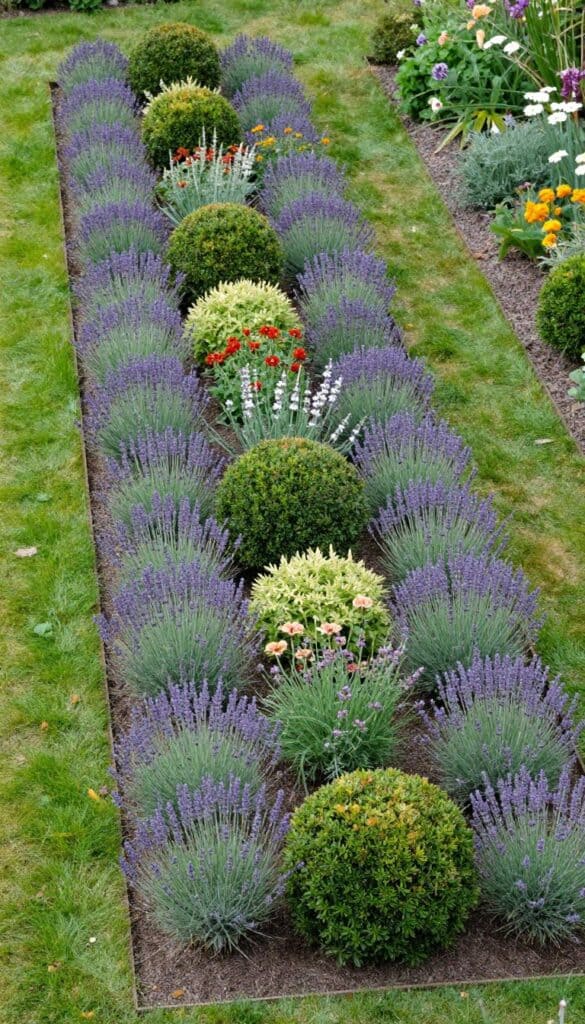
Repeating the same plants along a border creates a rhythm that feels calm and intentional. It gives the eye something to follow without losing that natural garden feel.
It’s a quieter approach that still feels full and layered.
- Repeat key plants every few feet
- Keep spacing slightly relaxed
- Use repetition to guide the layout
8. A Shaded Border That Feels Lush and Cool
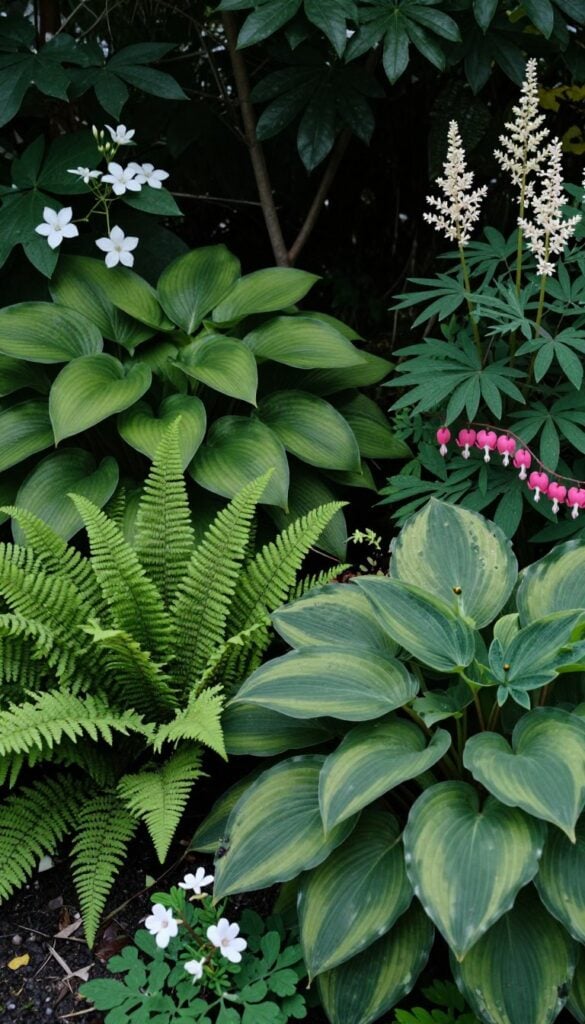
Shaded borders rely more on texture than bold colour. Greens take the lead, with subtle blooms adding softness throughout.
It feels calm, layered, and slightly hidden—like a garden within a garden.
- Use ferns, hostas, and shade-loving flowers
- Focus on leaf shape and variation
- Add white or pale blooms for light
9. A Border with Climbers Woven Through
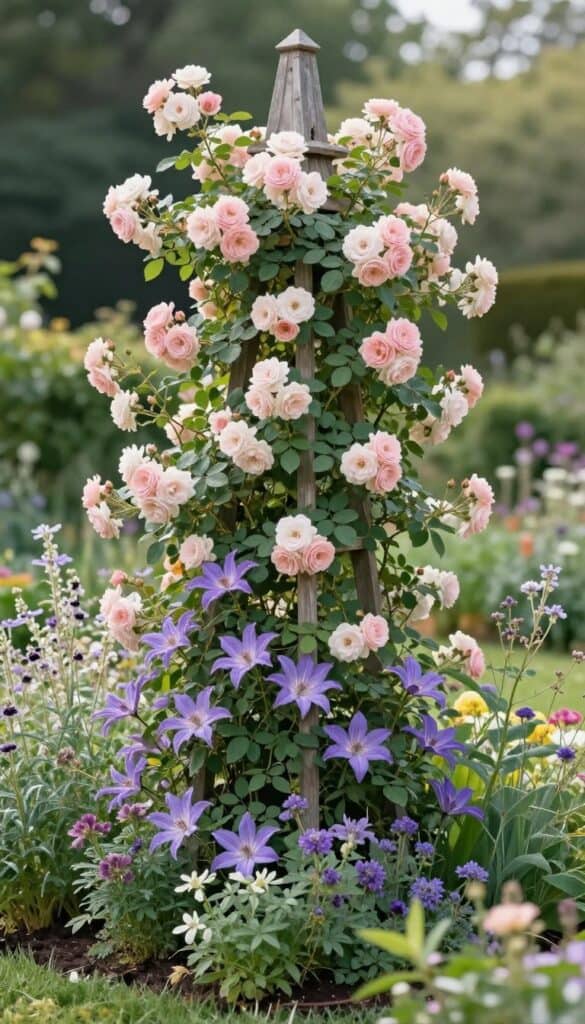
Adding climbers into a border introduces height in a softer, more natural way. They weave through structures or neighbouring plants, creating vertical interest without harsh lines.
It feels organic, like the garden is growing upward as well as outward.
- Use roses or clematis for softness
- Let them climb gently, not tightly trained
- Pair with lower plants for balance
10. A Layered Green Border That Feels Grounded

A border focused mostly on green can feel surprisingly rich. By varying shades and textures, it becomes more about depth than colour.
It’s calming, cohesive, and timeless.
- Mix deep, mid, and pale greens
- Combine glossy and matte leaves
- Add subtle blooms for softness
11. A Seasonal Border That Evolves Naturally
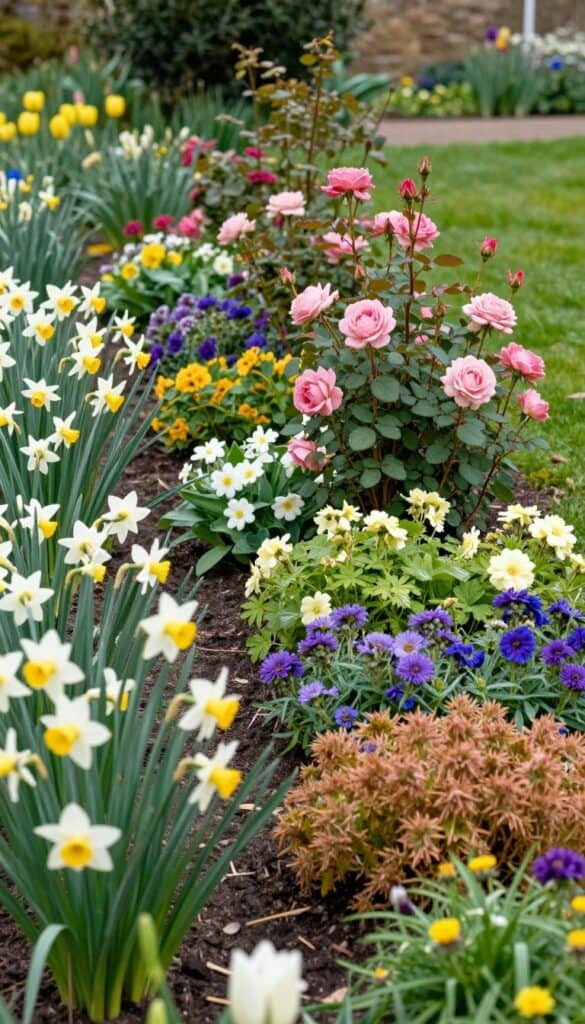
Planning a border that changes through the seasons keeps it feeling fresh. Early spring bulbs give way to summer blooms, followed by late-season colour.
It never feels static—there’s always something shifting.
- Layer bulbs beneath perennials
- Choose plants with staggered bloom times
- Let transitions feel gradual, not staged
12. A Border with Soft Edges That Spill Over
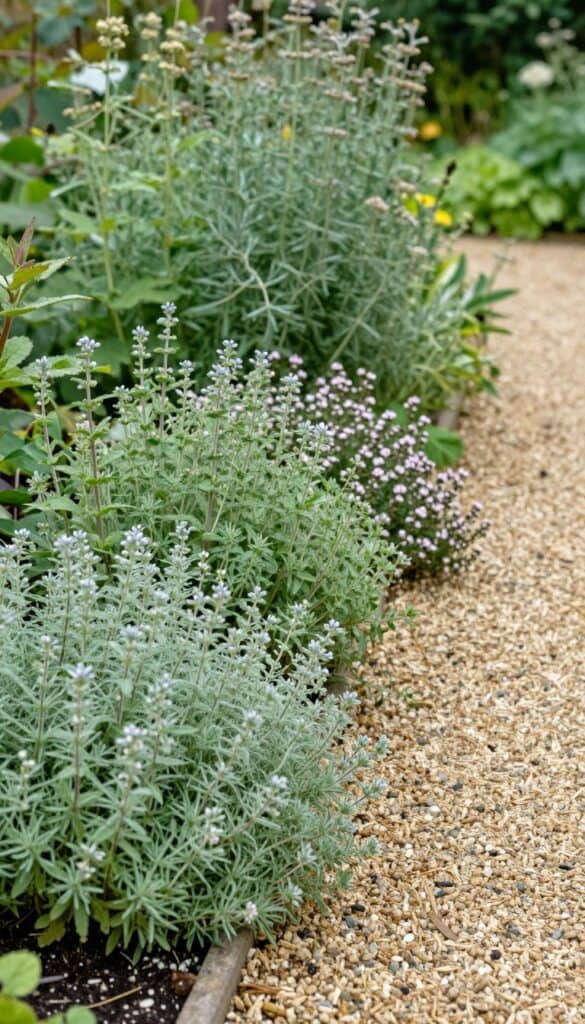
Allowing plants to spill slightly over paths or edges softens the structure of a garden. It makes everything feel less defined and more relaxed.
It’s that slightly undone look that gives English gardens their charm.
- Use trailing or low-growing plants
- Let edges blur naturally
- Avoid sharp, rigid lines
13. A Pollinator-Friendly Border Full of Life
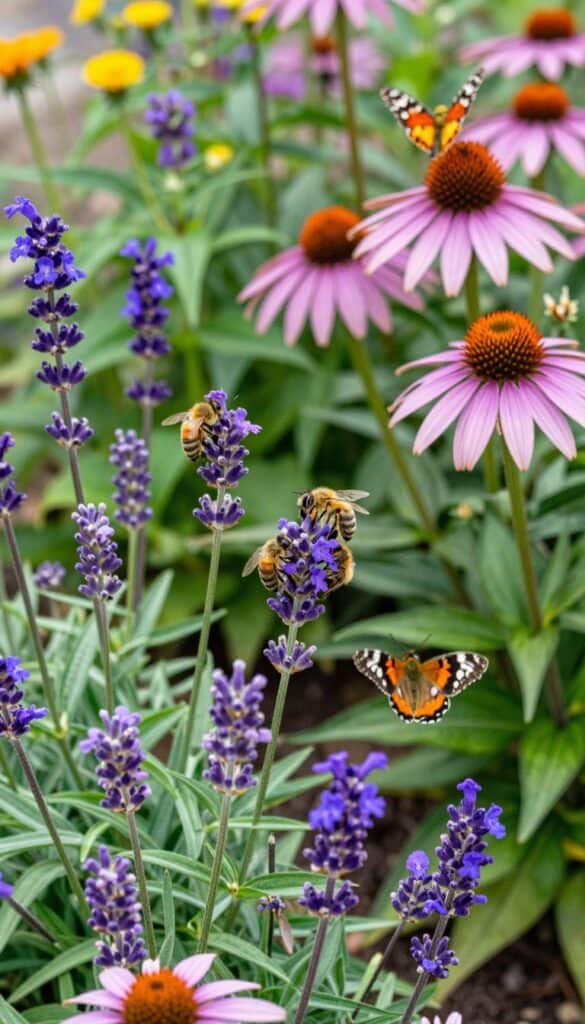
A border designed to attract bees and butterflies feels alive in a different way. Movement becomes part of the design.
It adds a quiet energy that changes throughout the day.
- Include lavender, echinacea, and verbena
- Mix open blooms with clustered flowers
- Keep planting varied for interest
14. A Monochrome Border with Subtle Variation
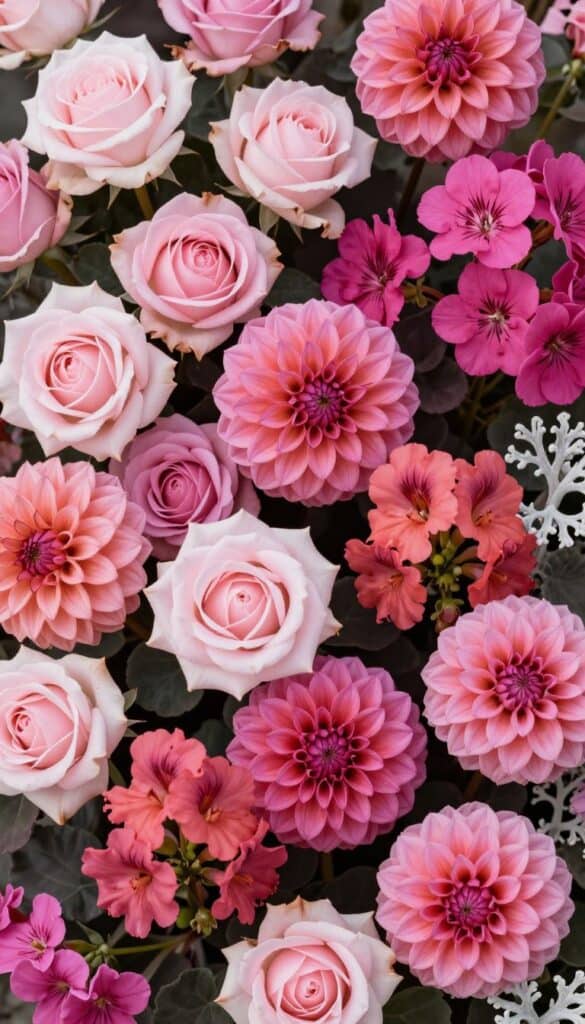
Focusing on a single colour doesn’t mean flat. By layering different shades and textures, the border still feels rich and dimensional.
It’s simple, but never boring.
- Choose one colour and vary the tones
- Add contrast through foliage
- Keep shapes varied for depth
15. A Wild-Feeling Border That Still Feels Intentional
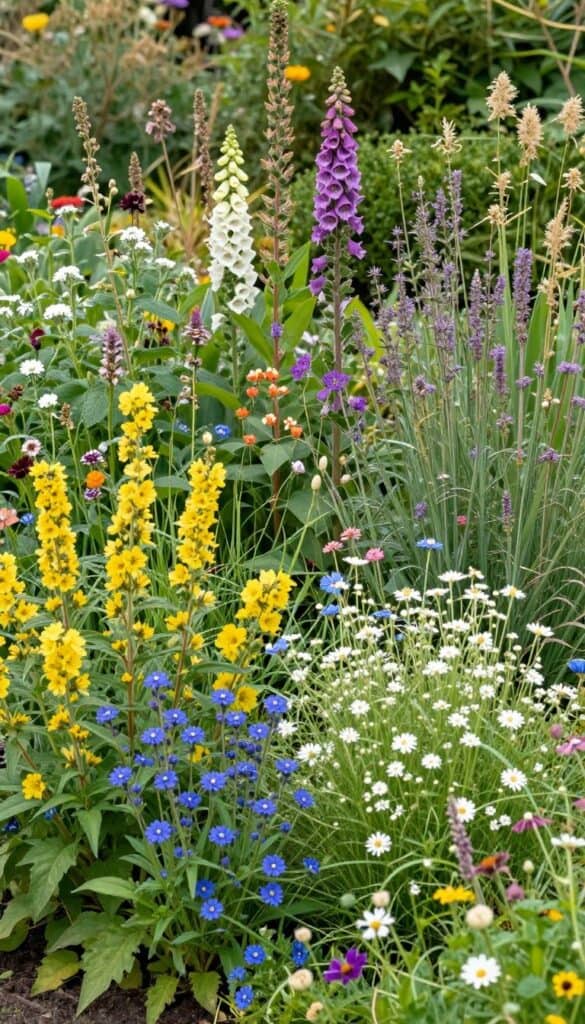
Some of the most beautiful borders look like they just happened—but there’s always a quiet structure underneath. A balance between freedom and subtle planning.
It’s relaxed, slightly untamed, and full of personality.
- Mix heights and textures freely
- Let plants self-seed where possible
- Keep a loose structure beneath the chaos
English garden borders aren’t about perfection—they’re about layering, softness, and letting things evolve over time.
Start with a few plants you love, let them settle in, and allow the space to grow into itself. That’s where the real beauty begins.
You Might Also Like
Shop English Garden Border Essentials
A lovely mix for that abundant, slightly untamed border look with soft colour and layered seasonal interest.
Shop on Amazon
Perfect for weaving roses or clematis upward through the border without making the space feel too structured.
Shop on Amazon
A classic choice for soft edging, pollinator-friendly planting, and that relaxed English garden fragrance.
Shop on Amazon
Ideal for adding movement, texture, and that soft, breezy feel that makes borders look more natural and layered.
Shop on Amazon
Great for creating softer edges, encouraging pollinators, and giving borders that slightly wild, storybook finish.
Shop on Amazon
A simple way to keep taller delphiniums, foxgloves, and other cottage blooms looking graceful without obvious structure.
Shop on Amazon