

50 Creative Self Care Ideas to Try This Week
Do you feel like your phone battery is low? It’s like that when you forget to take care of yourself. You might feel tired, irritable, or like you’re running out of energy.
This guide is not just about relaxing. It’s about real ways to take care of yourself without feeling guilty. You can do these self care ideas in just a few minutes or hours. They help you focus on yourself.
It’s okay to put yourself first. You can’t give if you’re empty. We have ideas like breathing exercises and activities that fit your life. They work for busy people and those on a budget.
Key Takeaways
- Self care is more than just relaxing. It’s about building good habits for your health.
- Small actions can really help your energy and mood.
- You don’t need a lot of free time to take care of yourself.
- Self care should fit into your real life, not some ideal.
- Putting yourself first is not selfish. It’s necessary to be fully present.
- Simple methods can lower stress and clear your mind.
Understanding Self Care and Its Importance
Let’s talk about what self-care really means. It’s not just pretty Instagram posts or expensive spa days. Self-care is strategic maintenance for your mind, body, and soul — it’s like preventive care that keeps you running smoothly.
When you skip self-care, you’re like running your car without oil. This leads to burnout, fatigue, and stress that could have been avoided.
What Is Self Care?
Self-care means doing things that support your health. It’s about meeting your needs before they become big problems.
Here’s what a good self care routine looks like:
- Physical care: Getting enough sleep, eating well, moving your body
- Mental care: Setting boundaries, practicing mindfulness, learning new things
- Emotional care: Processing feelings, connecting with others, doing things you enjoy
- Spiritual care: Finding meaning, spending time in nature, practicing gratitude
The key word is intentional. Self-care isn’t something that just happens. You have to plan for it and make it a priority.
Why You Should Prioritize Self Care
Science shows that neglecting self-care has serious consequences. It can lead to fatigue, anxiety, and health problems.
But the good news is that self-care has amazing benefits:
- Your stress levels go down, reducing inflammation
- You feel happier because of endorphins
- You become more resilient against challenges
- You show up as your best self for everyone
These tips aren’t just feel-good advice. They’re backed by research. People who practice self-care have better emotional control and are happier.
Self-care isn’t selfish — it’s strategic. You can’t pour from an empty cup. Self-care is an investment in your future and everyone who depends on you.
The bottom line? You deserve to feel good. Taking care of yourself is the foundation for everything else in your life.
Creative Activities for Your Mind

Creative self care activities for your mind unlock hidden talents. They also help reduce stress naturally. Your brain loves new things and challenges.
When you do creative things, you’re not just killing time. You’re getting stronger and finding new parts of yourself.
Studies say making art with your hands can lower anxiety. It also cuts down on stress hormones. Creative mental exercises make you feel calm and happy for a long time.
Journaling Prompts to Spark Reflection
Journaling is more than just a diary for teens. It’s a powerful tool for handling emotions and getting clear thoughts. Writing down your thoughts helps you see things more clearly.
Try these prompts to start:
- “What would I do if I knew I couldn’t fail?”
- “Three things that surprised me today”
- “A letter to my past self about what I’ve learned”
- “What I’m most grateful for right now”
Gratitude journaling is great for your mind. Research shows it can really lower stress. Just five minutes a day can change your outlook.
Creative Writing Exercises
Creative writing exercises stretch your imagination and help you release emotions. You don’t need to be a great writer. Just be true to yourself and explore.
Start with these fun exercises:
“Write a letter to your future self describing your current dreams and hopes. Seal it and open it in six months.”
Imagine your pet’s secret life. Describe a perfect day. Write a conversation between two objects in your room. These exercises spark creativity and inspire new projects.
Learning a New Skill
Learning something new changes your brain for the better. It doesn’t matter if it’s a language, instrument, or craft. New learning makes your brain more flexible.
Choose activities that feel like fun, not homework. Here are some ideas based on your interests:
| Skill Type | Beginner Options | Time Investment | Mental Benefits |
|---|---|---|---|
| Language Learning | Duolingo, language apps | 15-30 minutes daily | Improved memory, cognitive flexibility |
| Musical Instruments | Ukulele, keyboard, harmonica | 20-45 minutes daily | Enhanced coordination, stress relief |
| Creative Skills | Watercolor, knitting, origami | 30-60 minutes weekly | Reduced anxiety, increased focus |
| Digital Skills | Photo editing, coding basics | 1-2 hours weekly | Problem-solving, confidence boost |
Remember, these activities should make you feel good, not tired. Pick skills that really interest you. When learning is fun, your brain gets happy, encouraging you to keep growing.
Nurturing Your Body with Movement
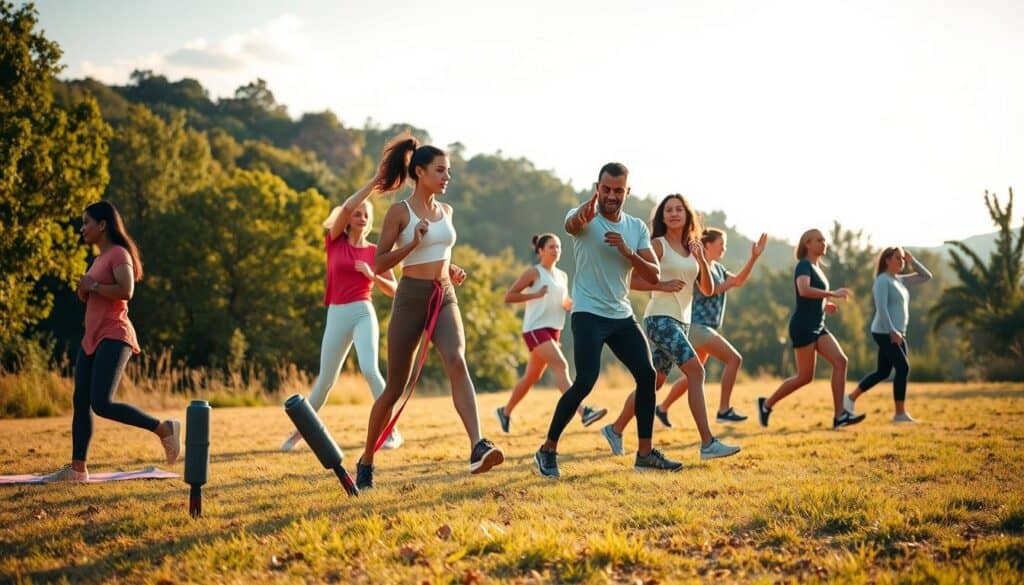
Your body loves to move. You don’t need a gym or perfect form. Just 15 minutes of walking can boost concentration and energy at work.
Exercise makes your brain work better. It helps with memory and thinking.
Think of movement as self care, not punishment. Your body is made to move. This makes you feel good inside and out.
Fun Dance Workouts to Explore
Dancing turns your living room into a wellness studio. Play your favorite music and dance freely. There’s no wrong way to dance for yourself.
Try different dances to keep it fun. Zumba videos add Latin flair. Hip-hop routines boost confidence. Even slow, flowing movements to acoustic music can change your mood.
Dance workouts are easy to start. You don’t need special gear or skills. Just start dancing and feel happy.
Outdoor Activities to Enjoy
Being outside makes movement better. A walk around your neighborhood is great self care. Notice the trees and breathe deeply.
Here are outdoor activities for all levels:
- Nature hiking – Start with easy trails and work your way up
- Gardening – Combines movement with nurturing something beautiful
- Outdoor yoga – Practice poses while connecting with nature
- Walking meditation – Focus on each step and breath
Even 10 minutes outside can change your view and energy. Your body loves natural light and fresh air.
Yoga Poses for Relaxation
Yoga isn’t about perfect poses. It’s about breathing and moving gently. Just 10 minutes of mindful stretching can reduce anxiety.
Try these easy poses:
- Child’s Pose – Kneel and fold forward, arms extended or by your sides
- Cat-Cow Stretch – On hands and knees, arch and round your spine gently
- Legs Up the Wall – Lie on your back with legs elevated against a wall
- Gentle Twists – Seated or lying down, rotate your spine slowly
Yoga is a practice, not a show. Listen to your body and adjust poses as needed. The goal is to feel better, not to impress.
Adding movement to self care is easy. Start small, use what you have, and do what feels good. Your body will thank you with more energy and happiness.
Relaxing Techniques to Unwind

Work deadlines and endless notifications make it hard to relax. Your nervous system needs downtime to reset. These techniques help you find peace in busy days.
Relaxation is simple. You don’t need fancy gear or lots of time. Small habits can greatly improve your well-being.
Guided Meditation Practices
Guided meditation isn’t about clearing your mind. It’s about watching your thoughts without getting lost. This skill is very valuable for your mental health.
Apps make meditation easy for beginners. Start with five minutes of deep breathing. Even this small effort can change your day.
Here are easy ways to start meditating:
- Morning breathing: Take ten deep breaths before checking your phone
- Lunch break reset: Use a 5-minute guided session to break up your workday
- Evening wind-down: Try body scan meditations before bed
- Walking meditation: Focus on your steps during short walks
Aromatherapy at Home
Aromatherapy changes your space quickly and is cheap. You don’t need fancy diffusers. A few drops on a tissue or in warm water works great.
Different scents do different things. Lavender helps you relax and sleep better. Peppermint boosts energy and focus. Eucalyptus clears your mind and helps your breathing.
Here are simple ways to use aromatherapy:
- Adding essential oils to your shower floor for steam therapy
- Creating pillow sprays with lavender and water
- Using a humidifier with a few drops of your favorite oil
- Making DIY room sprays with distilled water and oils
Creating a Calming Environment
Your space affects your stress. Make a calm area with soft lights, comfy textures, and soothing sounds. It’s like creating your own retreat.
The goal isn’t perfection — it’s making a space that tells your brain to relax. Even a small part of your bedroom can be a peaceful spot with the right things.
Here are key things for a calm space:
- Lighting: Use warm, dim lights or candles instead of harsh overhead lighting
- Textures: Add soft blankets, cushions, or a comfortable chair
- Sounds: Try nature sounds, soft music, or even silence
- Organization: Clear clutter from your relaxation space
- Personal touches: Include items that bring you joy or peace
These relaxation methods work best with regular practice. Start with one that you like. As these mental health tips become habits, finding calm will get easier.
Mindful Eating Practices

Your kitchen can be a special place. It’s where cooking and eating become self care ideas. Mindful eating is not about cutting out food or eating perfectly. It’s about enjoying food with purpose and joy.
Seeing meals as a way to care for yourself changes everything. It makes eating a special act of kindness to yourself. This view makes eating a simple yet powerful self love activity every day.
Experimenting with Cooking New Recipes
Make your kitchen a fun place by trying new recipes. Maybe you want to make that famous pasta dish or try making homemade bread.
Cooking new things uses your senses and keeps you in the moment. Chopping, stirring, and seasoning can be like a meditation.
Start with small changes. Try a new spice or swap an ingredient. Each success makes cooking more fun and exciting.
Preparing a Healthy Snack
Preparing healthy snacks is like leaving love notes for yourself. Making healthy choices ahead of time helps you stay on track.
Make colorful veggie platters with hummus, energy balls, or cucumber water. Drinking green tea can help lower blood sugar and support heart health. It’s great for your snacks.
Drinking black tea can lower heart disease risk. Try making different teas to stay hydrated and support heart health.
Food Art: Making Your Meals Beautiful
You don’t need to be a chef to make your food look good. Just believe you deserve beautiful meals. Arrange your salad like a rainbow or make patterns with smoothie bowl toppings.
Food art makes your meals look amazing. It slows you down and lets you enjoy the colors and textures of your food.
Even small touches can make a big difference. Add fresh herbs to soup, arrange fruit in patterns, or use colorful plates.
| Mindful Eating Practice | Time Required | Benefits | Difficulty Level |
|---|---|---|---|
| Recipe Experimentation | 30-60 minutes | Creativity boost, skill building, stress relief | Beginner to Advanced |
| Healthy Snack Prep | 15-30 minutes | Better nutrition, time savings, self-care | Beginner |
| Food Art Creation | 5-15 minutes | Aesthetic pleasure, mindfulness, joy | Beginner |
| Tea Ritual | 10-20 minutes | Heart health, relaxation, hydration | Beginner |
Seeing meals as a chance for creativity and self-care changes everything. It makes eating a daily celebration. These practices help you slow down, enjoy your food, and care for your body with love and intention.
Engaging in Nature

Connecting with nature makes every moment special. It’s like magic when you step outside. It changes how you feel and helps you find your way.
Research says being in nature lowers stress and makes you happier.
Nature self care is easy. You don’t need fancy stuff. You just need to show up and be present.
Planning a Nature Walk or Hike
Going for a walk doesn’t need to be hard. Just find a new trail or a path you forgot. Walking helps you focus and feel more alive.
Choose walks that fit your level and time. Even a short walk around the block is good. Pay attention to the world around you.
Carry water, comfy shoes, and maybe your phone for photos. Leave the headphones at home occasionally to hear nature.
Gardening as a Therapeutic Activity
Gardening connects you to the earth. It’s good for your mood because of the microbes in soil. Even city folks can garden with small plants.
Start with easy plants like herbs or succulents. Cottage garden ideas can help you create a beautiful space.
Gardening is calming. Watching plants grow is rewarding. It shows you’re connected to nature.
Visiting a Local Park
Your local park is special if you look at it with fresh eyes. Notice the trees, clouds, or people. These simple things can be powerful self care.
Visit your park at different times or seasons. Morning and evening light are different. Spring and autumn have their own vibes.
Bring a book or just your thoughts. Parks are great for quiet time. Sometimes the best therapy is simply sitting and remembering you’re part of something bigger.
Digital Detox and Its Benefits
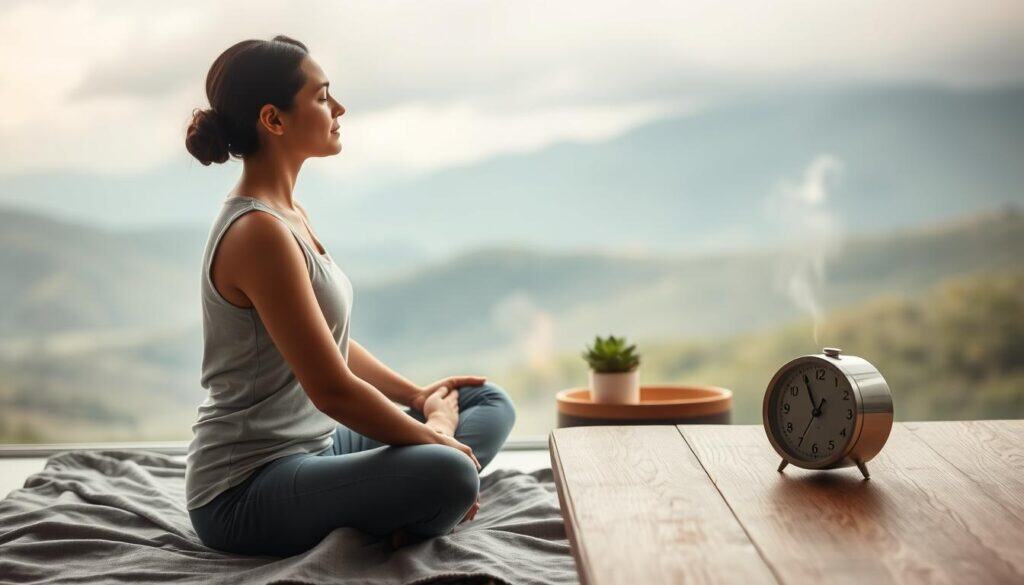
Your phone buzzes, and you’re lost in a scroll for hours. Digital detox isn’t about becoming a tech hermit. It’s about setting boundaries to protect your mind. It’s a great mental health tip that’s free.
Technology affects your mood more than you think. Scrolling makes your brain want more dopamine but never gets enough. Setting digital boundaries helps you control your focus and energy.
Setting Boundaries on Screen Time
Start with small screen time limits. Going cold turkey is hard. Try the phone-free morning rule. Don’t check your phone for the first hour after waking.
Use an old-school alarm clock and keep your phone in another room at night. This stops late-night scrolling and morning addiction. Your brain needs time to wake up naturally without digital stuff.
Make phone-free zones during meals or family time. These aren’t limits, but investments in being present. You’ll notice conversations are better without phones.
Alternatives to Social Media
Do things that really feed you instead of scrolling. Call a friend instead of liking their posts. Real talks are better than digital likes for feeling connected.
Read a real book instead of scrolling. Your brain will love the focus and deep thinking. Reading is better for your brain than scrolling.
Write in a journal about your day instead of posting. This private reflection is more meaningful than seeking likes.
Engaging in Offline Hobbies
Find activities that use your hands and mind. Puzzles, knitting, or building models are rewarding. They give you real results you can touch.
Learn to cook a new recipe without YouTube. Trust your instincts and enjoy the imperfection. Offline self love activities build confidence and skills.
Try playing a musical instrument or sketching. Creative hobbies are good for your brain. They improve focus and reduce anxiety. Choose activities that feel fun, not just productive.
Remember, digital detox makes room for real life. You’re not missing out by stepping away from screens. You’re choosing what really matters.
Boosting Creativity Through Art
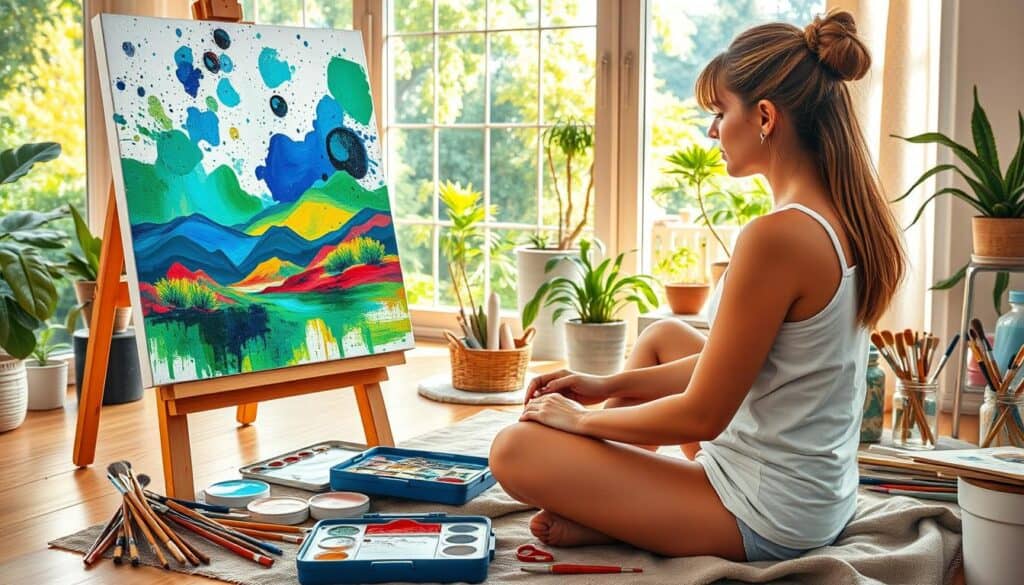
Art is more than just for galleries. It’s a strong self care tool that turns stress into beauty. Studies show that making art lowers anxiety and cortisol levels. It brings calm and gives your mind a break from daily stress.
You don’t need to be a famous artist to enjoy art. Creativity is your birthright as a human being. It shows you can make ideas real, which is very empowering.
Exploring Different Art Mediums
Trying different art mediums is like dating for your creative soul. Watercolors might speak to your gentle side, or clay might feel right in your hands. It’s not about making masterpieces, but enjoying the process.
Begin with pencil sketches or acrylic paints on canvas boards. Try pastels, charcoal, or digital art apps. Each medium offers a unique experience and emotional release. The magic is in the doing, not the final result.
DIY Craft Projects
DIY crafting brings self care ideas to life with hands-on creativity. You can decorate a notebook with washi tape or refinish furniture with chalk paint. The joy is in the process, not perfection.
Make friendship bracelets, photo collages, or custom bookmarks. These activities fit well into your self care routine. They keep your hands busy while your mind relaxes.
Use supplies from dollar stores or items you already have. Old magazines can be used for collages, empty jars for storage, and fabric scraps for bookmarks.
Coloring for Relaxation
Adult coloring books are more than a trend. They’re backed by science as relaxation tools. The focus and repetitive motions quiet your mind. This simple activity is perfect for self care.
Choose designs that you like, from mandalas to geometric patterns. Use colored pencils, markers, or gel pens. The act of coloring is calming, like deep breathing.
Keep a coloring book and supplies in your living room, bedroom, or office. When stressed, spend ten minutes coloring. You’ll feel tension melt away as you focus on your colors.
Building Connections with Others
Humans need to connect with others. It’s not just nice, it’s necessary. The best self care is often about reaching out to friends and family.
Quality is more important than quantity in friendships. Having a few close friends is better than many acquaintances.
Organizing a Virtual Hangout
Have a video call while you cook dinner or watch a movie together. These moments create real bonds. They’re perfect when you can’t meet in person.
Writing Letters to Friends or Family
Writing letters is a special way to connect. It shows you care and creates something lasting. It’s a mix of creativity and connection.
Participating in Local Events
Go to farmers markets, join classes, or volunteer. These activities connect you to your community. They remind you of your place in the world.
Choose connections that make you feel good. Good friends make you feel more like yourself. Caring for your connections is caring for yourself.