

Walking Exercise Mistakes That Slow Results
Walking is one of the most underrated forms of exercise. It’s accessible, low-impact, and surprisingly effective when done right. But if you’ve been walking consistently and feel like your results are crawling instead of climbing, chances are it’s not your effort—it’s a few sneaky mistakes holding you back.
The good news? These mistakes are easy to fix once you spot them. Let’s break down the most common walking exercise errors that slow progress—and how to correct them so your walks actually work for you.
1. Walking at the Same Pace Every Time
A steady stroll is great for clearing your head, but it’s not ideal for improving fitness or fat loss long-term. When your body adapts to one pace, it stops responding. That’s when progress plateaus.
Why this slows results
- Your heart rate stays in the same comfort zone
- Calorie burn levels off
- Fitness improvements stall
Fix it
- Add intervals: alternate brisk walking with slower recovery periods
- Change terrain when possible (slight hills, stairs, inclines)
- Use pace changes even indoors or in small spaces
Even short bursts of faster walking can dramatically improve results. Try walking quickly for 30 seconds, then recover for 90 seconds, and repeat several times during your walk.
2. Not Walking Long Enough (or Often Enough)

Short walks are still valuable—but if they’re the only thing you’re doing, progress may be slow. Consistency and duration both matter when it comes to seeing results from walking.
Why this slows results
- You’re not accumulating enough movement volume
- Calorie burn stays minimal
- Endurance doesn’t build consistently
Fix it
- Aim for 20–30 minutes most days
- Break it up if needed (two 15-minute walks still count)
- Focus on weekly consistency, not perfection
Small sessions done regularly outperform occasional long walks. If you can’t find a 30-minute block, three 10-minute walks throughout your day will still deliver significant benefits.
3. Poor Walking Posture

Posture doesn’t just affect comfort—it affects results. Slouching, looking down, or shuffling reduces muscle engagement and efficiency. Many walkers don’t realize how much their posture impacts their workout quality.
Why this slows results
- Fewer muscles activated
- Less calorie burn
- Increased fatigue and discomfort
Fix it
- Stand tall with relaxed shoulders
- Engage your core lightly
- Swing your arms naturally
- Look forward, not down
Good posture instantly makes walking more effective without increasing effort. Try checking your alignment every few minutes during your walk—are your shoulders relaxed? Is your gaze forward? Small adjustments make a big difference.
4. Treating Every Walk the Same
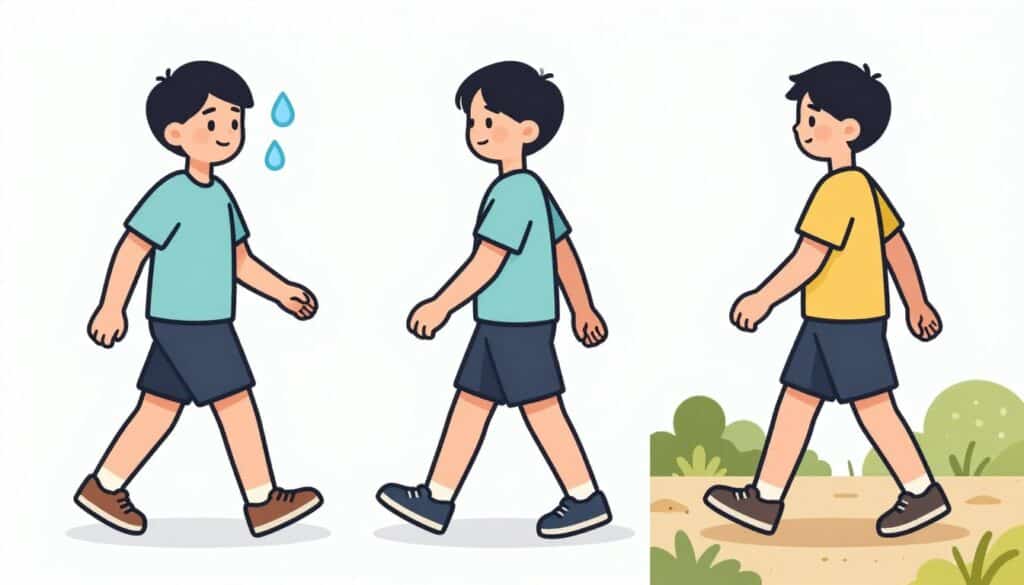
Walking can serve different purposes—fat burning, recovery, stress relief, endurance—but not all walks should feel identical. Variety is key to continued progress and preventing adaptation.
Why this slows results
- No variation = limited adaptation
- Overuse fatigue or boredom
- Missed opportunity for targeted benefits
Fix it
- Mix easy walks with purposeful workouts
- Have “brisk days” and “gentle days”
- Match the walk to your energy level
Intentional variety keeps progress moving and motivation high. Try designating specific purposes for different days: Monday for speed, Wednesday for distance, Friday for hills, and Sunday for a relaxing recovery walk.
-
Decluttering vs Mess-Making
Explore the difference between true decluttering and just shifting the mess.
-
Home Organization Hacks
Clever tips to keep every room tidy, functional, and stress-free.
-
15-Minute Declutter Method
Quick, doable steps to clear clutter in just minutes.
5. Ignoring Strength and Resistance

Walking alone is powerful—but pairing it with strength work unlocks faster results. Many walkers miss out on the metabolic benefits that come from adding resistance to their routine.
Why this slows results
- Muscle mass stays the same
- Metabolism doesn’t get a boost
- Balance and power improvements lag
Fix it
- Add bodyweight exercises 2–3 times a week
- Include light resistance like hills, stairs, or arm movements
- Use walking as a foundation, not the only tool
You don’t need a gym—just strategic movement. Try stopping every 5 minutes during your walk to do 10 squats, 10 lunges, or 10 push-ups against a bench or wall. These quick strength bursts compound over time.
6. Walking Too Casually for Your Goal

There’s nothing wrong with a relaxed walk—but if fat loss or fitness is your goal, effort matters. The intensity of your walk directly impacts the results you’ll see.
Why this slows results
- Heart rate stays too low
- Energy output is minimal
- Progress feels frustratingly slow
Fix it
- Walk at a pace where talking is possible but slightly breathy
- Use the “talk test” to gauge intensity
- Save slow strolls for recovery days
Effort doesn’t mean exhaustion—it means intention. A good rule of thumb: you should be able to talk while walking, but not sing easily. This moderate intensity zone is perfect for sustainable results.
7. Skipping Warm-Ups and Cool-Downs

Jumping straight into walking or stopping abruptly can limit performance and recovery. Many walkers skip these crucial steps, thinking they’re only necessary for more intense exercise.
Why this slows results
- Muscles stay tight
- Injury risk increases
- Energy levels drop over time
Fix it
- Start with 2–3 minutes of gentle walking
- End with slower steps and light stretching
- Treat your walk like a real workout
This simple habit improves comfort and consistency. A proper warm-up increases blood flow to muscles, while cooling down helps prevent stiffness and soreness later. Even just 2-3 minutes for each makes a significant difference.
8. Relying Only on Step Counts
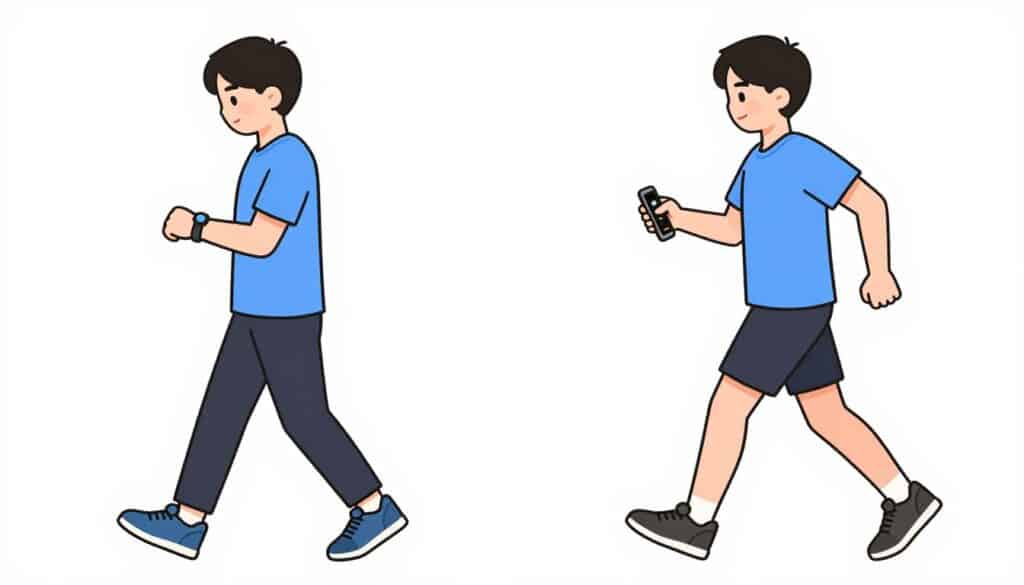
Steps are useful—but they don’t tell the full story. Many walkers focus exclusively on hitting a step goal without considering the quality of those steps.
Why this slows results
- Step totals ignore pace and effort
- You may walk a lot but at very low intensity
- Progress feels confusing
Fix it
- Track time, pace, or intervals instead
- Focus on how the walk feels
- Use steps as a bonus metric, not the goal
Quality matters just as much as quantity. Try focusing on walking with purpose for 20 minutes rather than just accumulating steps. You might find that a shorter, more intense walk delivers better results than a longer, casual one.
9. Not Fueling or Hydrating Properly

Walking might feel gentle, but your body still needs support. Proper nutrition and hydration directly impact your energy levels and recovery.
Why this slows results
- Low energy leads to slower pace
- Recovery suffers
- Motivation dips
Fix it
- Stay hydrated, even for short walks
- Eat balanced meals that support activity
- Listen to fatigue cues instead of pushing through them
Walking should energize you—not drain you. Drink water before, during, and after longer walks. For walks over 45 minutes, consider a small snack with both carbs and protein to maintain energy and support recovery.
10. Expecting Fast Results from Gentle Effort
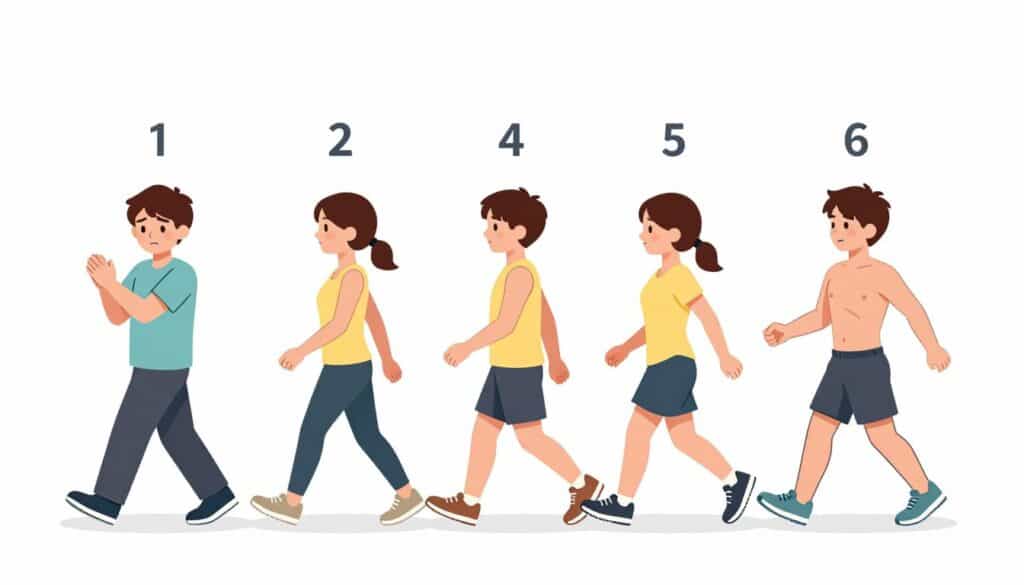
Walking delivers steady, sustainable progress—but it’s not instant. Many people give up too soon because they expect dramatic changes overnight.
Why this slows results
- Unrealistic expectations lead to frustration
- Consistency drops when results feel slow
- Motivation fades too early
Fix it
- Measure progress over weeks, not days
- Notice energy, mood, and endurance improvements
- Trust the compounding effect of daily movement
Walking rewards patience—and it pays off more than you think. The most successful walkers focus on consistency rather than dramatic transformations. Small improvements compound over time into significant results.
The Bottom Line
Walking works—but only when it’s done with intention. If results feel slow, it’s rarely because walking isn’t effective. It’s usually because of small, fixable habits quietly holding you back.
Adjust your pace. Vary your effort. Walk with purpose. Those small changes turn walking from “just movement” into a results-driven routine you can actually stick with.
Ready to Transform Your Walking Routine?
Start by fixing just one mistake this week. Notice how that small change affects your energy, enjoyment, and results. Then gradually incorporate the other fixes for a complete walking transformation.
Begin Your Walking Journey Today