Celebrate Mental Health Month with These Self Care Practices
What if taking better care of your emotional well-being was as simple as organizing that chaotic junk drawer you’ve been avoiding?
May brings us Mental Health Awareness Month. It’s a great time to clean up our emotional mess. Just like cleaning out a drawer, making your mental wellness better might seem hard at first. But, small, intentional steps can really change how you feel and think.
This isn’t about fancy spa days or perfect baths. We’re talking about real, practical ways to fit into your life. Think of this as your guide to celebrating this month in a real and fun way.
Because taking care of your mental wellness shouldn’t be another big task. It should feel like coming home to yourself.
Key Takeaways
- Mental Health Awareness Month in May is a great time to focus on your emotional health.
- Small, consistent steps lead to bigger changes than big overhauls.
- Real, authentic ways work better than perfect but hard-to-follow ideas.
- Improving your mental wellness is like decluttering a space — it takes patience and purpose.
- Taking care of your mental wellness should feel caring, not stressful.
Understanding Mental Health Awareness Month
Mental Health Awareness Month is more than a date on the calendar. It’s a movement that fights stigma and promotes understanding. Every May, it opens up space for real talks about mental wellness. It’s your chance to learn, grow, and support others.
This month has many goals. It teaches communities about mental health resources. It encourages people to get help when they need it. Most importantly, it makes talking about emotional health normal.
The Substance Abuse and Mental Health Services Administration (SAMHSA) offers great toolkits during this time. These resources help spread the word about mental health’s importance. They also give self care tips that anyone can use.
The Importance of Mental Health Education
Knowing about mental health is powerful. Mental health education helps you spot warning signs in yourself and others. It also clears up myths that stop people from getting help.
Think of mental health education as emotional smarts for adults. You learn to spot feelings, understand what triggers them, and find ways to cope. This education lets you make smart choices about your mental health.
During Mental Health Awareness Month, there are many educational efforts. They teach you how to manage stress. They introduce you to mental wellness practices. They also tell you about professional help in your area.
- Recognizing symptoms of common mental health conditions
- Understanding treatment options and their effectiveness
- Learning communication skills for supporting loved ones
- Discovering preventive measures through lifestyle changes
Historical Context of Mental Health Month
Mental Health Awareness Month started in 1949 — over 70 years ago. The Mental Health America organization began it to fight stigma. Back then, talking about mental health was rare.
The campaign first aimed to raise basic awareness. People needed to see that mental health issues were real medical problems. This was a big change for that time.
Today’s Mental Health Awareness Month is much different. It focuses on promoting mental wellness instead of just dealing with crises. It’s about encouraging positive mental health habits.
This shows a lot of progress. What was once hard to talk about is now part of everyday wellness talks. The month-long observance keeps breaking barriers and building supportive communities across the country.
Benefits of Self-Care for Mental Health
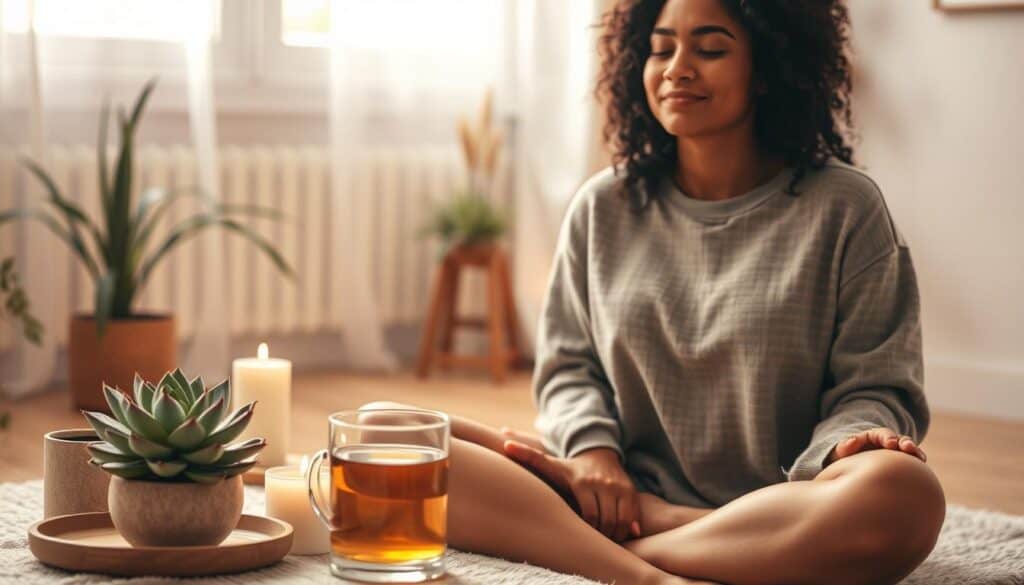
Self-care is more than just a trend. It’s a key to your mental health. By making self-care a regular part of your life, you build a strong “emotional immune system.” This helps you deal with tough times better.
Just like brushing your teeth keeps your teeth healthy, self-care keeps your mind healthy. Regular self-care builds resilience that helps you when you need it most.
Studies show self-care improves well-being. You become a positive influence on others. Taking care of yourself is actually very generous.
Enhancing Emotional Well-Being
Self-care boosts your emotional health. Gratitude can make you happier by up to 25%. This is real change in your brain.
Activities like journaling or meditation change your brain for the better. Your emotions become more balanced. You react less to stress.
Even small moments of self-care can change your day. Just five minutes can make a big difference.
Reducing Stress and Anxiety
Stress and anxiety are common. Self-care acts as a mental guard. It doesn’t remove stress but makes it easier to handle.
Your mind learns to trust you more. When problems come up, you’re better prepared. This builds a positive cycle.
| Self-Care Practice | Stress Reduction Benefit | Time Investment | Difficulty Level |
|---|---|---|---|
| Deep Breathing | Immediate cortisol reduction | 2-5 minutes | Beginner |
| Gratitude Journaling | Shifts focus from problems to positives | 5-10 minutes | Beginner |
| Regular Exercise | Natural endorphin boost | 20-30 minutes | Intermediate |
| Meditation Practice | Long-term anxiety management | 10-20 minutes | Intermediate |
Self-care gives you control over your mental state. It doesn’t make anxiety disappear, but it helps you manage it better.
Simple Self-Care Ideas to Try
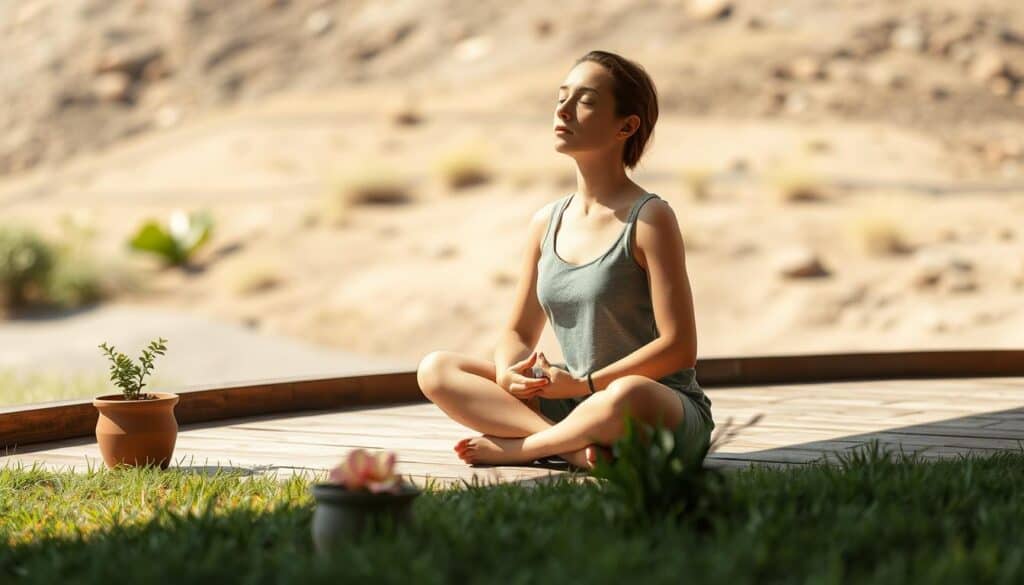
The best self-care is simple and fits into your day. You don’t need a fancy trip or expensive items to care for your mind. Small changes can make a big difference in how you feel.
Self-care is like training a puppy. Your brain is the puppy, and it likes to get distracted. But, even five minutes of focus can help you feel better.
Journaling for Reflection
Journaling isn’t about writing a novel. It’s about getting all your thoughts out of your head. This helps clear your mind.
Use any notebook you have. Set a timer for ten minutes. Write whatever you think of. Don’t worry about spelling or grammar. This helps you understand your feelings and thoughts.
Here are some easy prompts to start:
- What am I feeling right now, and why?
- What went well today?
- What’s one thing I’m grateful for?
- What’s weighing on my mind?
Seeing your thoughts on paper helps. It’s like catching ping-pong balls. For more ways to reset, check out how to mentally and physically reset in 30 days.
Engaging in Mindfulness Practices
Mindfulness exercises help you focus on now. They reduce anxiety without needing special tools or training.
Try this breathing exercise: Set a timer for five minutes. Focus on your breath. When your mind wanders, gently bring it back.
Other easy mindfulness exercises include:
- The 5-4-3-2-1 grounding technique (notice 5 things you see, 4 you hear, 3 you touch, 2 you smell, 1 you taste)
- Mindful walking for just two minutes
- Eating one meal without distractions
- Taking three deep breaths before checking your phone
These practices help because they break your brain’s autopilot mode. Even a short break can improve your mental health and reduce stress.
Creative Self-Care Activities

Your inner artist is waiting to help heal your mind. Even if you think you can’t draw a straight line. Creative self care activities tap into parts of your brain that regular talk therapy might miss. They give your emotions a playground where judgment takes a backseat to expression.
These activities don’t require expensive supplies or years of training. You just need curiosity and the willingness to get a little messy — both literally and emotionally.
Exploring Art Therapy
Remember when coloring outside the lines felt rebellious? Your adult brain craves that creative freedom. Art therapy isn’t about creating museum-worthy masterpieces. It’s about giving your emotions a visual voice when words feel stuck in your throat.
Grab some cheap watercolors and let your feelings splash across paper. Play with clay and watch your stress melt between your fingers. Even doodling in notebook margins counts as legitimate mental health resources.
Art can be a powerful medium for self-expression and storytelling, promoting dialogue and empathy.
Your inner critic might have strong opinions about your artistic abilities. Tell it to take a coffee break. This isn’t about talent — it’s about release.
Art exhibitions featuring works by people with mental health experiences show us something important. They prove that creativity and healing walk hand in hand. Your personal art doesn’t need an audience to be meaningful.
Discovering Nature’s Healing Power
Nature acts like a free therapist that never judges your life choices. Whether you embark on a full hiking adventure or simply sit under a backyard tree, the outdoors offers perspective that indoor spaces can’t match.
Fresh air clears mental fog better than any energy drink. Sunlight on your skin reminds your body how to make happiness chemicals naturally. Even five minutes outside can shift your entire mood.
Nature has this magical way of putting daily stress into perspective. It reminds you that you’re part of something bigger than your immediate worries. Trees don’t stress about tomorrow’s weather — they just grow.
| Creative Activity | Time Needed | Materials Required | Mental Health Benefit |
|---|---|---|---|
| Watercolor painting | 30-60 minutes | Paints, paper, water | Emotional expression and stress relief |
| Nature photography | 20-45 minutes | Phone or camera | Mindfulness and present-moment awareness |
| Clay sculpting | 45-90 minutes | Clay, basic tools | Tactile grounding and anxiety reduction |
| Garden sketching | 15-30 minutes | Pencil, paper | Focus improvement and nature connection |
These self care activities work because they engage different parts of your brain simultaneously. Your hands stay busy while your mind processes emotions. It’s multitasking that actually helps instead of overwhelms.
Building Healthy Routines

Building healthy routines isn’t about being perfect. It’s about making systems that fit your life. Think of mental wellness practices as your personal life’s foundation. You only notice it when it’s not working.
Routines aren’t about being a robot. They’re about creating a support system for your mind. Small, consistent actions help build a strong foundation for well-being.
The Power of Daily Habits
Your daily habits greatly affect your mental state. Start with small, natural actions. Like drinking water first thing or taking deep breaths before your phone.
When these actions become automatic, magic happens. Your brain loves patterns, and healthy routines give it what it wants. Studies show that flexible work and stress-free zones help reduce stress and improve job satisfaction.
| Daily Habit | Time Required | Mental Health Benefit | Difficulty Level |
|---|---|---|---|
| Morning water ritual | 2 minutes | Increased energy and focus | Easy |
| Three deep breaths | 1 minute | Reduced anxiety and stress | Easy |
| Evening phone-free time | 30 minutes | Better sleep quality | Moderate |
| Weekly nature walk | 20 minutes | Improved mood and clarity | Moderate |
Setting Boundaries for Well-Being
Boundaries aren’t walls to keep people out. They’re gates that control what comes in. Saying “no” to draining things means saying “yes” to energizing ones. It’s simple emotional math.
Setting boundaries helps with work-life balance and mental health. Your self care routine relies on protecting your time and energy. This might mean turning off notifications after 8 PM or making Sunday your recharge day.
Healthy boundaries aren’t selfish. They’re necessary. Protecting your mental space makes you better for everyone. Start by finding one area where you need stronger boundaries and take action this week.
Social Connections and Self-Care
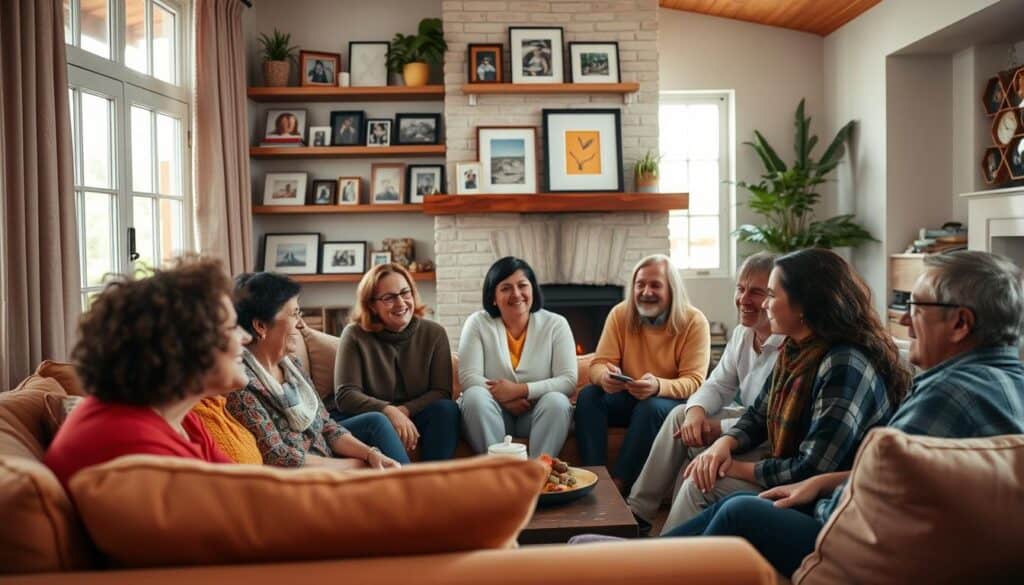
Here’s a surprise: the best self-care can include other people. We often think wellness means being alone with face masks and apps. But promoting mental health often means stepping out and connecting with others.
You don’t need to become a social butterfly right away. Just texting a friend a funny meme or joining a virtual book club can help. It’s about realizing you’re not alone in figuring life out.
The Role of Community in Mental Health
Community support is like emotional scaffolding. It holds you up when you feel shaky. Peer support programs create empowerment and understanding among people who get it.
Connecting with others who share your experiences changes things. You stop feeling like you’re the only one who cries during dog videos. This shared humanity is a powerful tool for promoting mental health.
Your community doesn’t have to be huge or perfect. It could be coworkers who check in, a neighbor who waves, or an online group that shares plant failures without judgment.
Virtual Meetups and Support Groups
The digital age has changed how we connect. Virtual support groups and online meetups make mental health awareness more accessible. You can find your tribe from home, in your pajamas, with snacks.
These digital spaces offer anonymity, consistency, and connection. Whether it’s a weekly Zoom call or an online forum, they provide steady support.
The key is finding groups that match your values and comfort level. Some people love big video calls. Others prefer smaller, text-based communities.
| Support Type | Best For | Time Commitment | Accessibility |
|---|---|---|---|
| In-Person Groups | Face-to-face connection seekers | 1-2 hours weekly | Location dependent |
| Virtual Video Meetups | Real-time interaction lovers | 30-90 minutes scheduled | High with internet access |
| Online Forums | Introverts and flexible schedulers | Self-paced participation | Very high accessibility |
| Peer Support Programs | Structured guidance seekers | Varies by program | Moderate to high |
Building social connections for mental health awareness isn’t about collecting friends. It’s about creating meaningful relationships that support your well-being and help others too.
Physical Health and Its Impact on Mental Well-Being
Your body and mind are connected in a big way. They work together like roommates, sharing feelings and energy. When your body feels good, your mind gets the message.
Physical wellness is a key self care tip for Mental Health Month. You don’t need fancy gyms or hard workout plans. Simple moves and eating mindfully can change your mood.
Incorporating Exercise into Your Routine
Exercise is like nature’s happy pill, releasing feel-good hormones. But, it’s not about forcing yourself to do hard workouts.
Start with small, fun movements. Dance to your favorite songs at home. Take the stairs instead of the elevator. Yoga in your PJs is okay too. It’s about moving in ways that feel good.
A brisk 10-minute walk can change your mood. Fresh air and gentle movement clear your mind and reduce stress. These mental health month activities are free and powerful.
Here are some easy exercise ideas:
- Dancing to three favorite songs
- Stretching while watching TV
- Walking around your neighborhood
- Following a free YouTube workout video
- Playing with pets or children
Nutrition’s Role in Mental Health
Think of food as fuel for your mood. You wouldn’t put sugar in your gas tank. Your brain needs good food to work well.
Small food changes can make a big difference in your mood. Eating veggies, staying hydrated, and eating regular meals help your mood and energy.
Choose foods that are good for your brain:
- Omega-3 rich foods like salmon, walnuts, and flaxseeds
- Colorful fruits and vegetables packed with antioxidants
- Whole grains for steady energy
- Lean proteins to support neurotransmitter production
It’s not about being perfect — it’s about progress. Start with small changes, like adding berries to your breakfast or drinking more water. These small steps can naturally improve your mental health.
Mindfulness Techniques to Practice
Mindfulness is like a mental GPS. It helps you stay in the present moment. Your brain likes to do many things at once. Mindfulness exercises help you focus on just now.
These self care activities don’t need special stuff or lots of time. Even a few minutes can make your day better.
Breathing Exercises for Calmness
Breathing exercises are like a reset button for your body. You’re already breathing, so you’re halfway there.
Try the 4-7-8 technique when you feel stressed:
- Breathe in through your nose for 4 counts
- Hold your breath for 7 counts
- Exhale through your mouth for 8 counts
- Repeat 3-4 times
This simple pattern helps your body relax. Your heart rate slows down, and you feel better.
Box breathing is another good option. Imagine breathing in a square shape. Inhale for 4, hold for 4, exhale for 4, hold for 4. It’s used by military and first responders to stay calm.
Guided Meditation Apps to Consider
Meditation apps are like having a zen master in your pocket. They help you relax, even if you fall asleep.
Headspace has short sessions for beginners. Their animations make meditation easy to understand.
Calm has sleep stories, nature sounds, and daily meditations. Their “Daily Calm” sessions are new every day.
Insight Timer has a huge free library of meditations. You can find what fits your mood and schedule.
Find what works for you. Some like long sessions, others quick breaks. Both are good self care activities.
Start small and be patient. Your mind will wander. But each time you come back to your breath, you’re getting better at mindfulness.
Self-Care During Challenging Times

Real talk: sometimes self-care isn’t just about relaxing. When life gets tough, you need to change how you take care of yourself. It’s about making it through each day.
During hard times, you might need to do less and ask for help more. This isn’t failing. It’s using mental health resources wisely.
Feeling better might mean getting help from professionals. Seeking help is a sign of strength, not weakness. If what you’re doing now isn’t working, it’s time to try something new.
Coping Strategies for Anxiety
Anxiety makes everything seem urgent and scary. Your brain starts thinking of the worst. The trick is to stop these thoughts.
Try the 5-4-3-2-1 grounding technique when you feel anxious. See five things, touch four, hear three, smell two, and taste one. It helps you stay in the moment.
Another good strategy is to question your anxious thoughts. Ask if they’re helpful. Usually, they’re not. Mental health resources offer more ways to cope.
Finding Hope and Resilience
Building resilience isn’t about being unbreakable. It’s about being able to bounce back. Think of it as not breaking completely.
Start small to build resilience. Celebrate small wins, like getting dressed. These small victories help when things feel too much.
Remember, tough times are short, even when they feel long. Promoting mental health means accepting some days are just about surviving. Tomorrow is a new chance.
Focus on what you can control, not what you can’t. You can’t control everything, but you can control how you react. This is key to promoting mental health and lasting resilience.
Incorporating Gratitude Practices
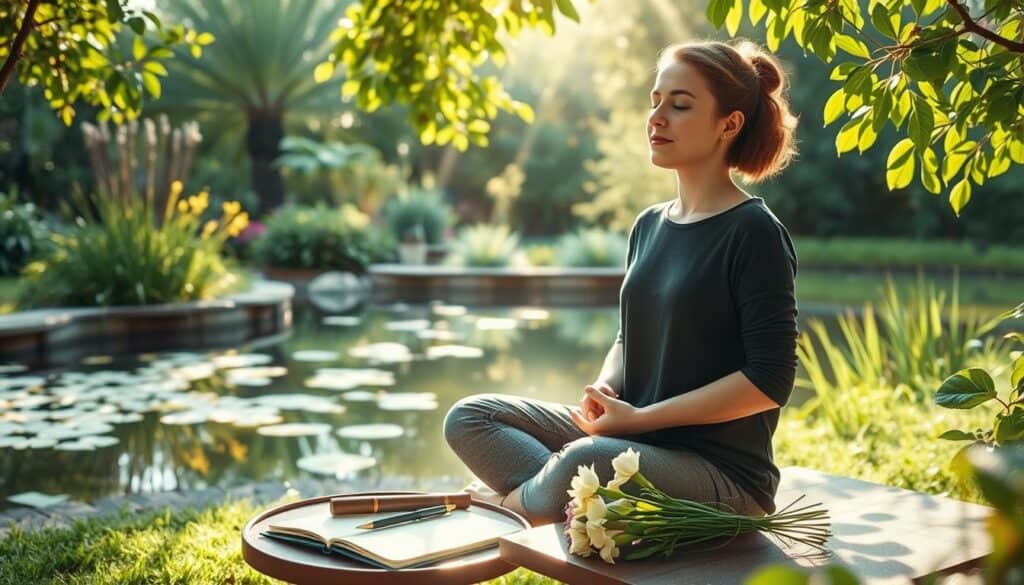
Gratitude is more than just feeling good. It actually changes your brain to see more good things. It’s not about ignoring problems or pretending everything is okay. It’s about noticing the small wins and challenges in life.
Studies show that being thankful can make you 25% happier and lower stress. Adding gratitude to your self care routine makes your brain stronger in finding the positive.
Gratitude does more than just help you feel better. It makes relationships stronger and builds emotional strength. It’s free and has real benefits.
Keeping a Gratitude Journal
Your gratitude journal doesn’t need to be fancy. A simple notebook is enough. The important thing is to be consistent, not perfect.
Start by writing down three things you’re thankful for each day. They can be simple, like your morning coffee. Or something big, like a friend’s support.
Be specific and personal. Instead of saying “I’m grateful for my family,” say “I’m grateful for my sister’s funny text this morning.” This helps your brain remember the good moments better.
“Gratitude is not only the greatest of virtues but the parent of all others.”
Choose a regular time to write in your journal. Many people like morning or bedtime. It’s okay if some days are hard. Even small things, like having clean water or a roof, count.
Sharing Gratitude with Others
Telling others you’re thankful can make both you and them feel better. It’s not about posting on social media. It’s about real, personal connections that make relationships stronger.
Send a quick text to thank someone for their help. Write a note to a colleague who made your day easier. Tell your barista you appreciate their friendly service. These small acts create positive feedback loops in your social network.
| Gratitude Practice | Time Required | Mental Health Benefit | Social Impact |
|---|---|---|---|
| Daily journaling | 5-10 minutes | Improved mood and sleep | Personal reflection |
| Thank you notes | 2-5 minutes | Increased empathy | Strengthened relationships |
| Verbal appreciation | 30 seconds | Reduced stress | Enhanced social bonds |
| Gratitude meditation | 10-15 minutes | Better emotional regulation | Increased compassion |
Research shows that being thankful can lead to better sleep and a stronger immune system. When you share gratitude, you’re not just helping yourself. You’re making the world a better place for everyone.
Resources for Continued Learning
Your mental health journey doesn’t end in May. Think of Mental Health Awareness Month as just the start. There’s a lot of help out there to keep you growing.
Books and Articles on Mental Health
Forget the boring textbooks. Authors like Brené Brown, Johann Hari, and Matt Haig make mental health easy to understand. They talk in a way that feels real and helpful.
SAMHSA has great toolkits and materials. They make learning about mental health fun and easy. It’s like having a smart friend explain things to you.
Online Courses and Workshops
Places like Coursera, Udemy, and YouTube have lots of workshops. You can learn about stress and resilience from home. You can learn at your own speed, without feeling rushed.
It’s important to find learning that fits you. Some like listening to podcasts, others like interactive courses. Learning about mental health is like investing in your future. It keeps getting better and better.