
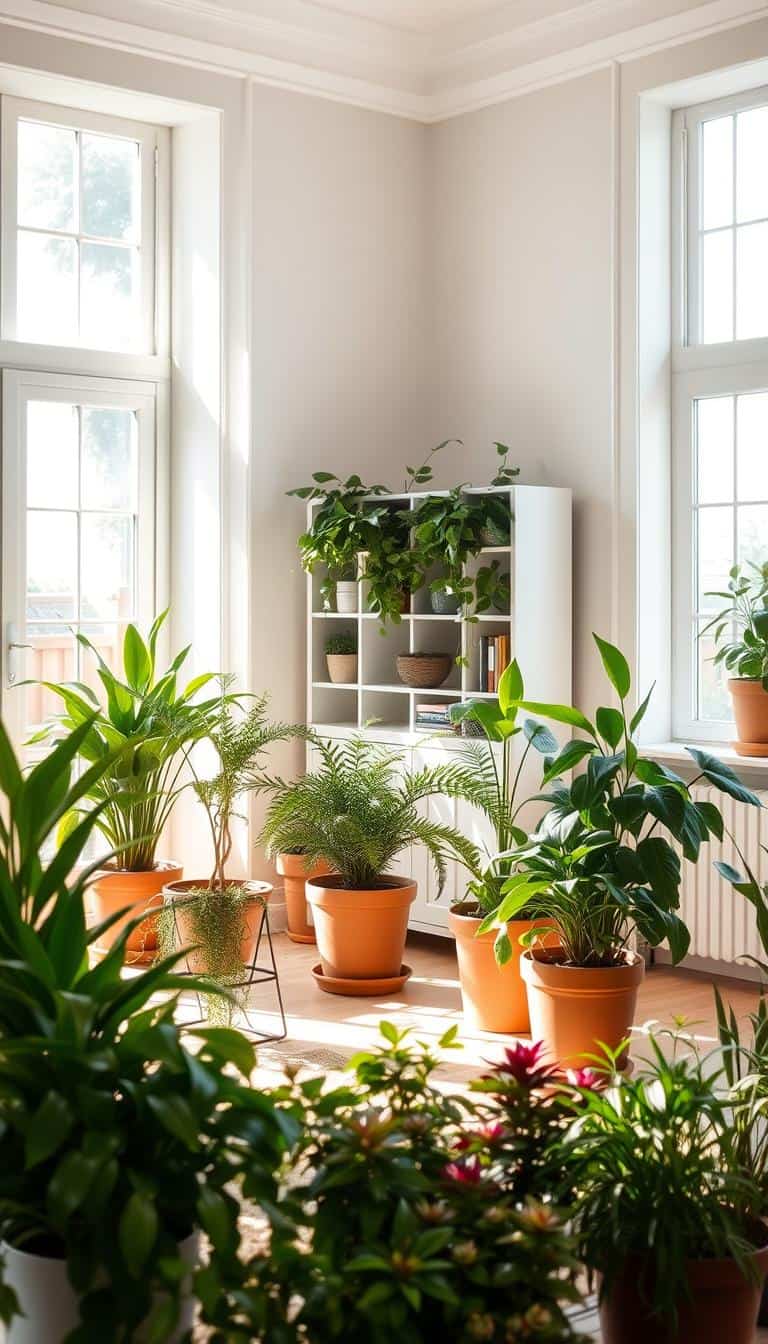
How to Choose the Right Indoor Plant for Each Room
Which plant will actually thrive on your windowsill and which will sulk until it dies?
Pick the wrong plant and you’ll fight yellow leaves, pests, and constant guilt. Pick the right one and your home looks fresher, your air may be cleaner, and you even sleep or work better. This short guide helps you make smart indoor plants selection decisions by matching light, size, humidity, and your real-life care habits to the best indoor plants for home.
Start simple: north-facing corners suit cast iron plant or snake plant; bright east windows love fiddle-leaf fig or lavender; humid bathrooms reward ferns and bird’s nest fern.
Key Takeaways
- Match plant light needs to the room first — it’s the single biggest success factor.
- Consider mature size so plants don’t hit ceilings or block walkways.
- Pick humidity lovers for bathrooms; drought-tolerant types for sunny kitchens.
- Be honest about your care style — travel often? Choose ZZ plant or snake plant.
- Use reliable plant lists and care notes to find the best indoor plants for home.
Assessing room conditions before you buy — light, size, humidity, and care style

Before buying, take a quick look around the room. Check the windows, vents, and room size. This helps pick the right plants easily.
Evaluate light levels in each room
Do a shadow test: stand where you want the plant and hold your hand up. A sharp shadow means bright light. A faint shadow means medium light. No shadow means low light.
Count how many hours of direct sun the spot gets. Pothos and philodendron do well in low light but grow faster in medium/bright indirect. Fiddle-leaf fig likes east-facing sun but not hot, unfiltered afternoon rays.
Consider room size and plant growth habit
Measure the height and width of the room. Vines like pothos or monsteras can trail or climb. They fill vertical space well.
Tall floor plants like fiddle-leaf fig and rubber plant are good for corners and stands. Small plants like peperomia or haworthia are perfect for desks and shelves. Make sure the plant won’t outgrow the space.
Match humidity and temperature to plant needs
Bathrooms and steamy kitchens are great for tropicals and ferns. Bird’s nest fern, calathea, and peace lily love humidity. Living rooms and bedrooms with lower humidity are better for succulents, snake plant, and ZZ plant.
Use a humidifier or pebble tray for tropicals when it’s dry.
Be realistic about your plant care style
Think about if you water regularly or forget sometimes. Drought-tolerant plants like snake plant, ZZ plant, and succulents forgive missed waterings. If you enjoy caring for plants, choose calathea or alocasia for a challenge.
Remember, many popular houseplants are toxic to pets. Place them out of reach or pick pet-safe plants.
For more tips on choosing indoor plants, check this guide: best tall indoor plants for low light. Use these tips to pick the right plants for each room and place them well.
How to Choose the Right Indoor Plant for Each Room
Choose plants that match the light, humidity, and your schedule. This simple rule makes a big difference. Use height and texture to add depth: succulents at eye level, a tall rubber plant in the corner, trailing pothos on a high shelf.

Bedroom — plants that promote calm and tolerate lower light
Choose options that soothe and handle dim light. Peace lily and ZZ plant work well when you want low fuss. French lavender and aloe vera need brighter spots; place them on a sunny sill if you want scent or a handy burn remedy.
Try parlor palm for soft vertical green that won’t dominate a small room. These picks rank high when people search for indoor plants for bedroom spaces.
Bathroom — humidity-loving plants that thrive in low to medium light
Bathrooms reward ferns and bird’s nest ferns — they love steam and steady warmth. Begonia maculata and calathea enjoy the moisture and show off dramatic leaves. Keep plants away from direct shower spray and avoid letting water pool in rosettes to prevent rot.
Chinese evergreen is forgiving when you forget care now and then, which makes it a solid choice for houseplants for different rooms where humidity varies.
Kitchen — useful and pollutant-reducing plants
Grow culinary herbs like basil and rosemary on a sunny windowsill for fresh flavor. Use hanging planters or compact pots to save counter space. Spider plant and English ivy help reduce indoor pollutants like formaldehyde and benzene while staying easy to maintain.
Place herbs within arm’s reach of your stove for convenience and scent. These small moves turn the kitchen into a practical green zone.
Living room — statement plants and easy-care focal points
Use a large focal plant to anchor the room: fiddle-leaf fig delivers instant style when you can meet its light needs. Rubber plant offers bold leaves and scale without constant fuss if you prune it to size.
For lower light, snake plant, pothos, and philodendron make reliable living room indoor plants. Trailing varieties create layers on shelves and mantels for a curated look that feels real.
Home office — plants to boost productivity and tolerate artificial light
Pick compact, tolerant plants for desks and shelves. Peperomia, small succulents, and peperomia obtusifolia sit well on a corner of your workspace. ZZ plant and pothos handle artificial light and mixed conditions — they raise mood and focus without demanding daily care.
Use varying heights to craft an inviting office; place a tall plant behind your monitor and a small pot on the desk. For more styling ideas that blend comfort with function, see a practical roundup of cozy setups at cozy home office ideas.
Indoor plant care tips, placement suggestions, and troubleshooting

Start simple. Match your routine to plant needs. If you travel, pick plants like snake plant or ZZ. If you like to play with plants daily, choose tropicals like calathea or alocasia.
Use these tips to avoid mistakes. They help you know what to expect.
Watering strategies to avoid over- and underwatering
Most problems come from too much water. Check the soil’s top inch weekly. Stick your finger in to feel the moisture.
Let succulents and snake plants dry out a lot. Pothos and philodendron need the top inch dry. Ferns, calathea, and bird’s nest ferns like moist soil but not wet.
Use pots with holes and mix that drains well. Succulents need cactus mix, while tropicals like peat-based media. If unsure, choose drier soil. Plants usually prefer a bit of dryness.
Feeding, repotting, and seasonal care
Most plants don’t need much food. Feed them lightly in spring and summer. Cut back in winter.
Some plants, like rubber and fiddle-leaf fig, need more food. Feed rubber plant every two weeks and fiddle-leaf fig monthly from spring to fall.
Repot only when the plant is rootbound. Do it in early spring. Small plants like peperomia rarely need new pots. Use a mix of loam, peat moss, and sand or perlite for a good balance.
Placement suggestions and microenvironment fixes
Put sun lovers in south or west windows. Most plants need bright light. Use curtains to soften harsh sun for plants like philodendron and fiddle-leaf fig.
Create humid spots for tropicals. Use trays, group plants, or a humidifier. Rotate plants to ensure even growth. Check leaves when you turn them. These tips help you place plants right.
Common troubleshooting and quick fixes
Yellow leaves mean too much water. Check the soil and drainage. Leggy plants need more light. Move them closer to windows or add a grow light.
Brown edges mean low humidity or salt. Flush the soil and increase humidity. Watch for pests like spider mites and scale. Inspect new plants and treat early. Choose safe plants for pet homes.
For more tips, see this beginner’s guide to growing houseplants. It’s great for choosing plants by room and for office spaces.
Conclusion
Finding the right indoor plant for each room is easy. It’s all about matching the plant to your room’s conditions. Think about light, size, humidity, and temperature.
For sunny bedrooms, try lavender or aloe. Ferns and Calathea are great for humid bathrooms. Kitchens do well with herbs and spider plants. Living rooms can have a statement piece like a fiddle-leaf fig. Offices benefit from ZZ, pothos, and peperomia.
Start with a small plant. Measure your space and check the light. Choose hardy plants like pothos, snake plant, ZZ, or spider plant.
Get a pot with drainage and the right mix. These steps help avoid common problems.
If you want tropical plants, use a pebble tray or humidifier. Set a regular watering schedule. Check for pests often and repot when needed.
Choosing plants that match your room and style is key. This way, you get plants that are both stylish and healthy.