
Houseplant Hacks: Make Them Last Longer & Grow Better
Houseplants shouldn’t feel like a high-stakes science experiment. If your plants start strong and slowly… give up on life, you’re not alone. The good news? Most plant problems come down to a few fixable habits—not a lack of a green thumb.
These simple houseplant hacks focus on what actually keeps plants alive longer, growing better, and looking good on your shelves (instead of limping toward compost).
1. Water Less Often—but More Thoroughly
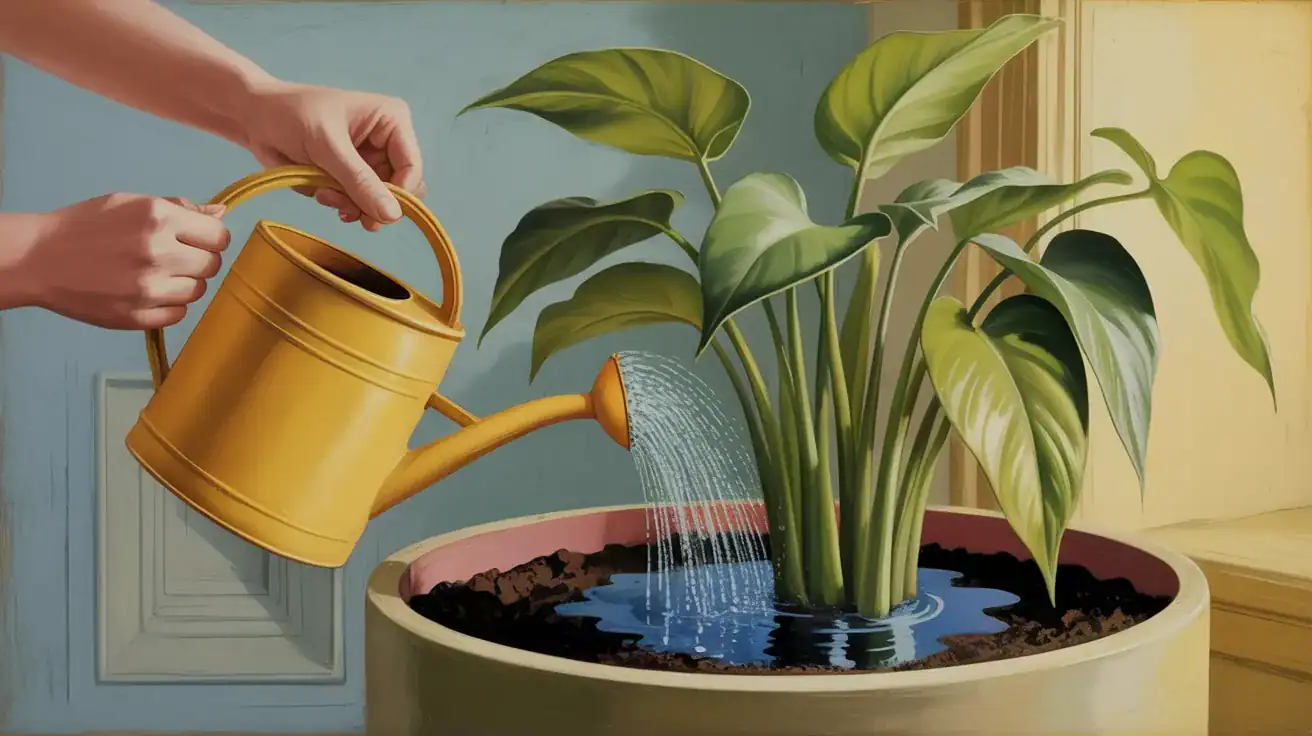
Overwatering is the number one plant killer. Most houseplants prefer a deep soak followed by time to dry out, not frequent sips.
Why it works
- Encourages deeper, stronger roots
- Prevents root rot and soggy soil
- Mimics natural rainfall patterns
How to do it
- Water until it drains out of the bottom
- Empty saucers after 10–15 minutes
- Wait until the top 1–2 inches of soil are dry before watering again
2. Match the Pot to the Root System
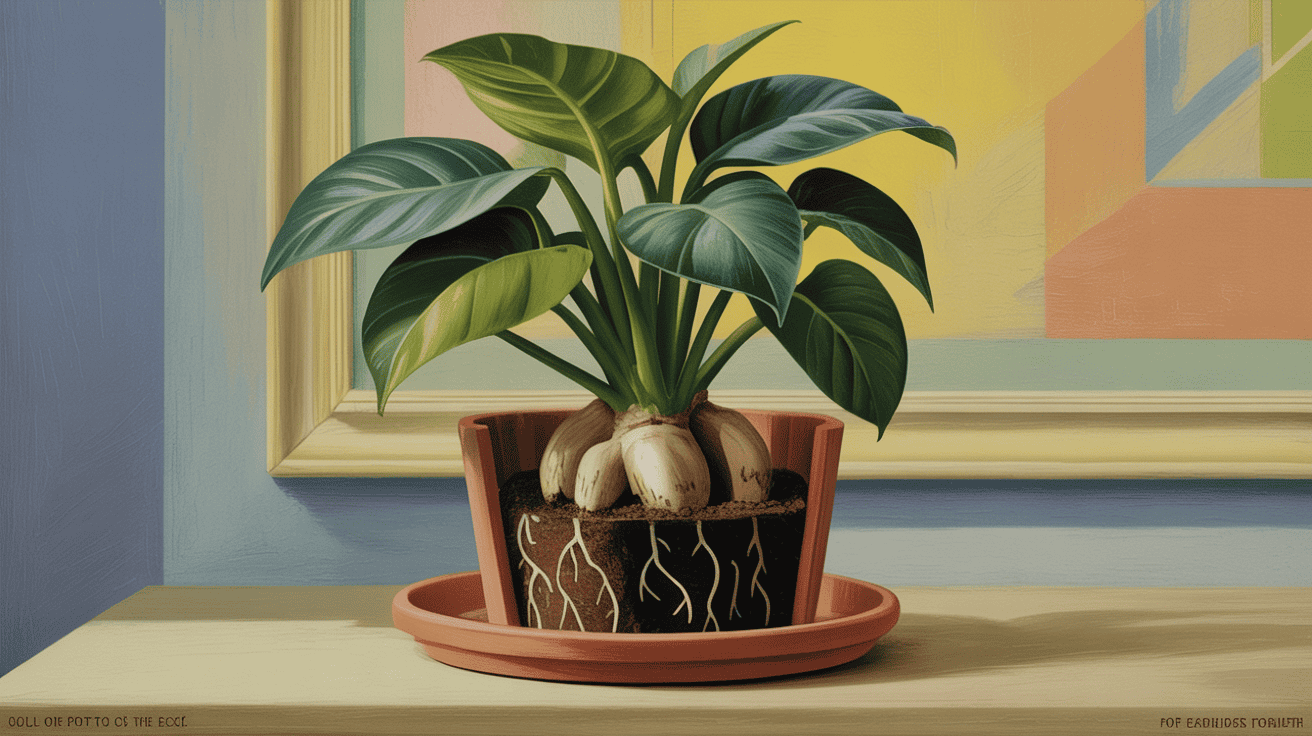
Bigger pots aren’t better. Too much empty soil holds moisture and suffocates roots.
Why it works
- Prevents waterlogged soil
- Helps roots dry evenly
- Encourages controlled growth
Quick check
If the plant looks small in a huge pot, size down. Roots should fill about two-thirds of the container.
3. Use the Right Light (Not Just “Bright”)
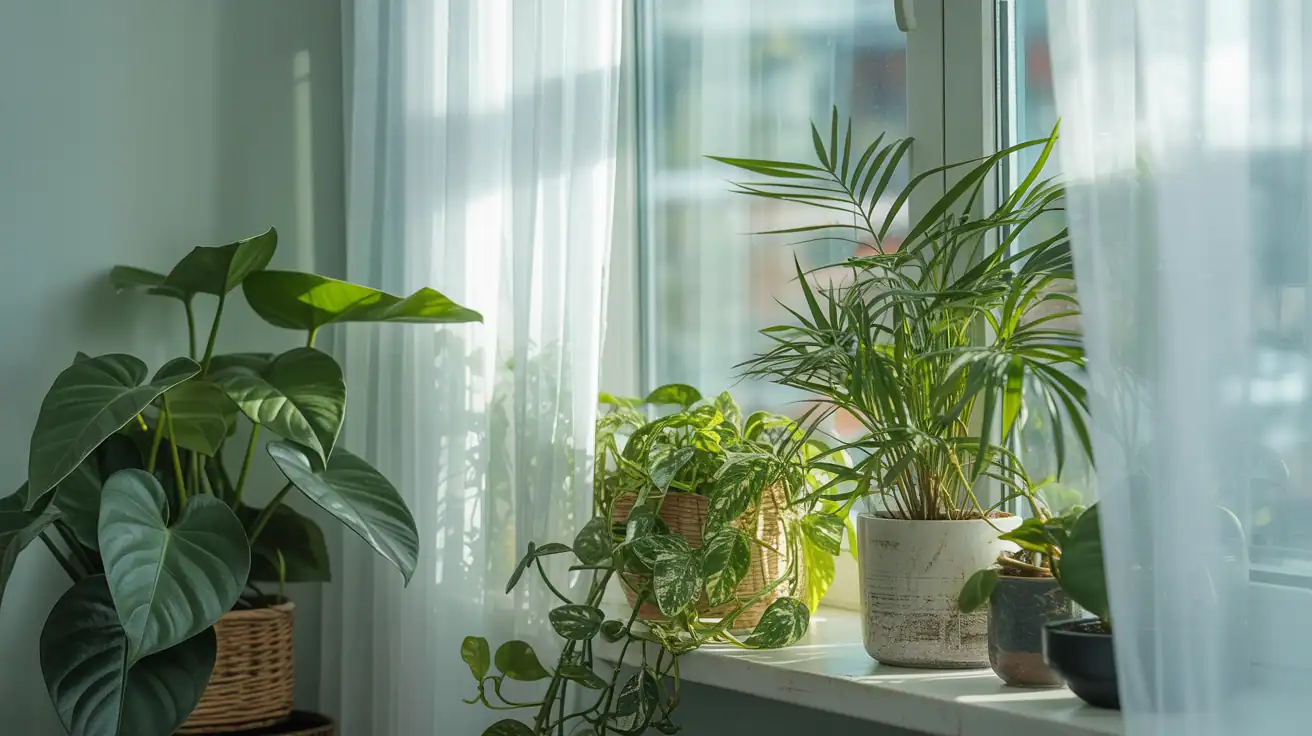
“Bright light” doesn’t always mean direct sun. Many plants burn quietly over time in harsh light.
Light fixes that matter
- South-facing windows = strongest light
- East-facing = gentle morning sun
- North-facing = low light (best for tolerant plants)
Rotate plants every 1–2 weeks to prevent leaning and uneven growth.
4. Improve Drainage Instantly (No Repotting Required)
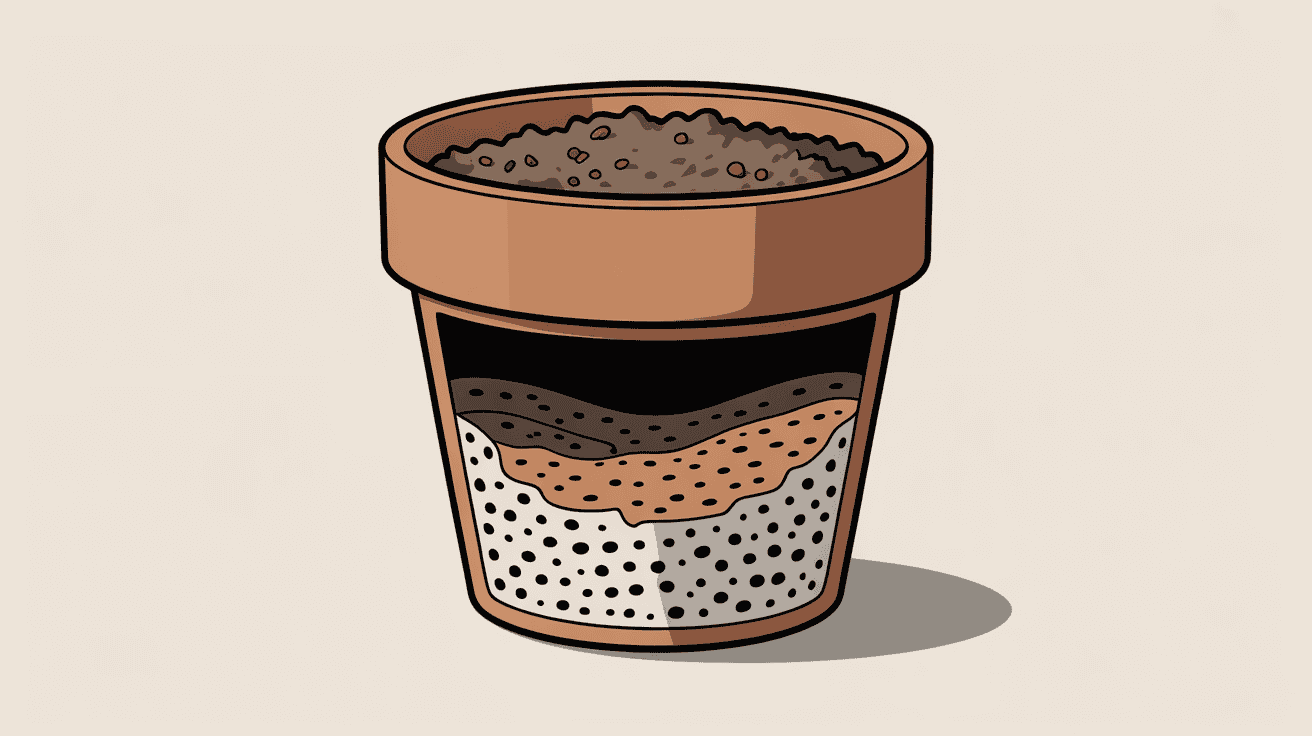
If repotting feels like a chore, this hack helps immediately.
Quick drainage upgrades
- Add a layer of perlite or pumice to the topsoil
- Loosen compacted soil gently with a chopstick
- Elevate pots slightly so drainage holes aren’t blocked
5. Clean Leaves = Better Growth
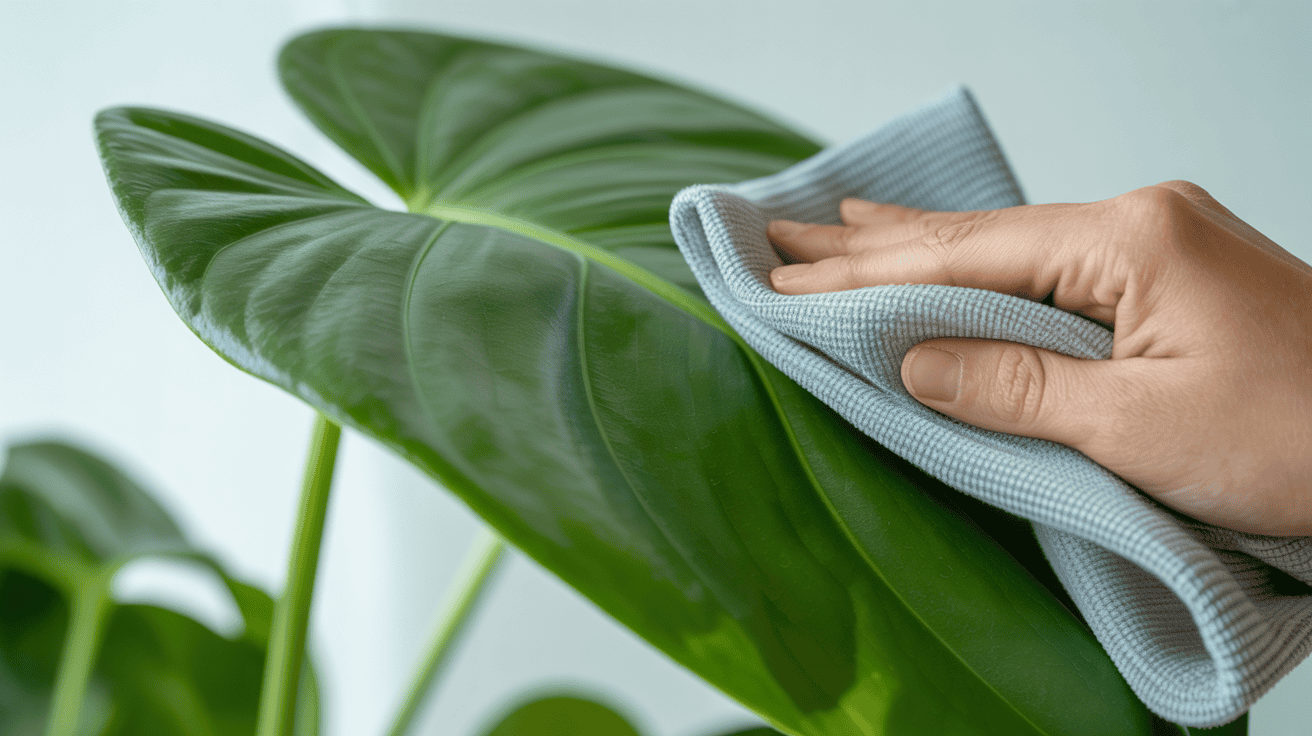
Dust blocks light. Plants photosynthesize through clean leaves, not grimy ones.
How to clean safely
- Soft damp cloth for large leaves
- Gentle shower for sturdier plants
- Skip leaf-shine sprays—they clog pores
This one habit alone can noticeably improve growth.
6. Feed Lightly—but Consistently
More fertilizer doesn’t mean faster growth. It usually means stressed roots.
Smarter feeding
- Use diluted liquid fertilizer (half strength)
- Feed during spring and summer only
- Skip feeding if the plant isn’t actively growing
7. Group Plants to Boost Humidity
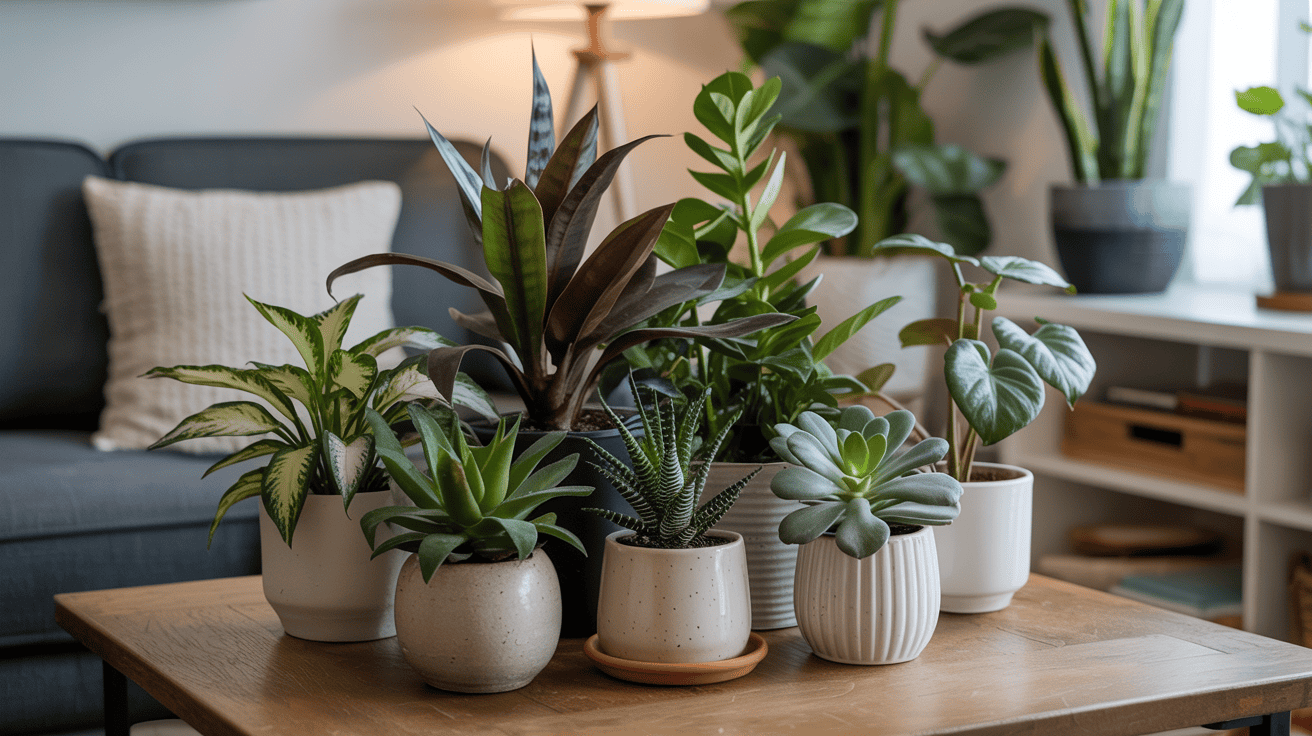
Many houseplants love humidity—even if your home doesn’t.
Easy humidity hacks
- Group plants together
- Place water trays nearby
- Use pebble trays under pots
No humidifier required unless you want one.
8. Stop Repositioning Them Constantly
Plants don’t like surprise lifestyle changes.
Why stability matters
- Sudden light changes stress growth
- Drafts cause leaf drop
- Temperature swings confuse growth cycles
Once a plant is thriving, leave it alone.
9. Check Roots Before Blaming Yourself
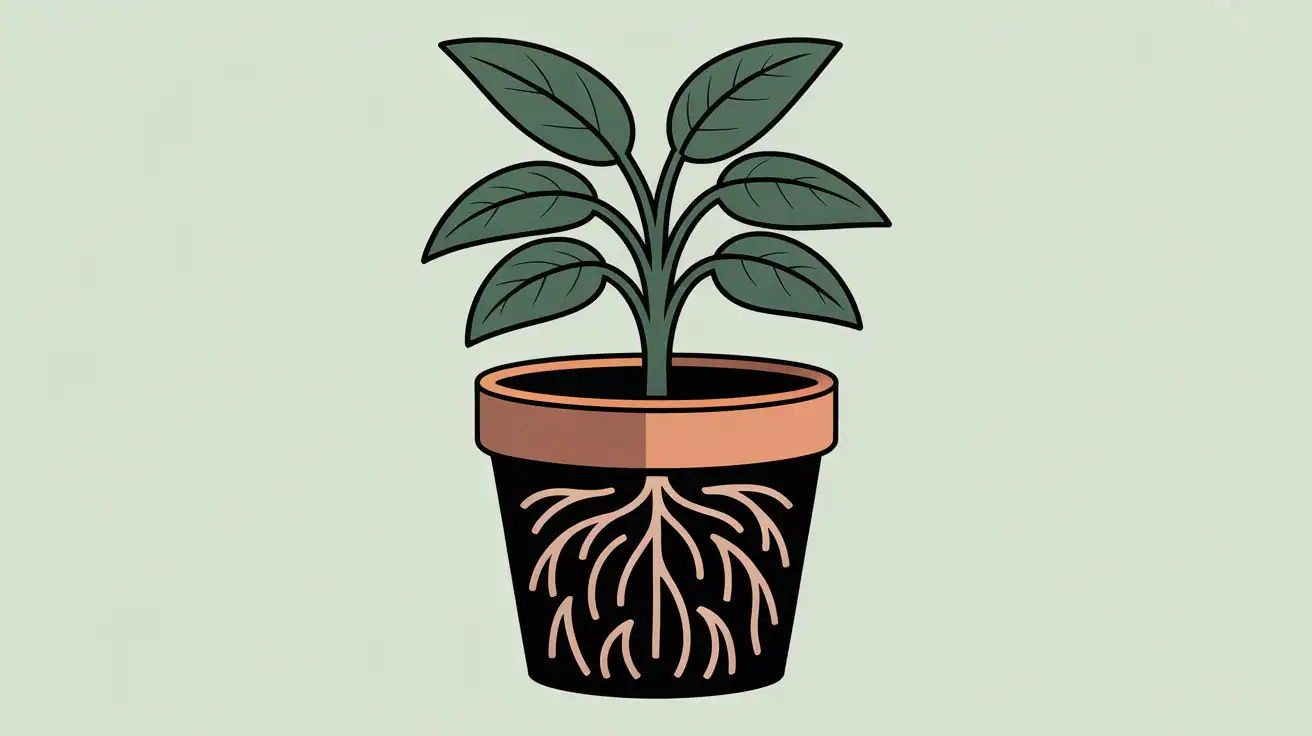
Yellow leaves don’t always mean you’re doing something wrong.
Root warning signs
- Roots circling the pot = root-bound
- Mushy roots = rot
- No roots near drainage holes = oversized pot
A quick root check can save months of guessing.
10. Learn the “Do Nothing” Phase
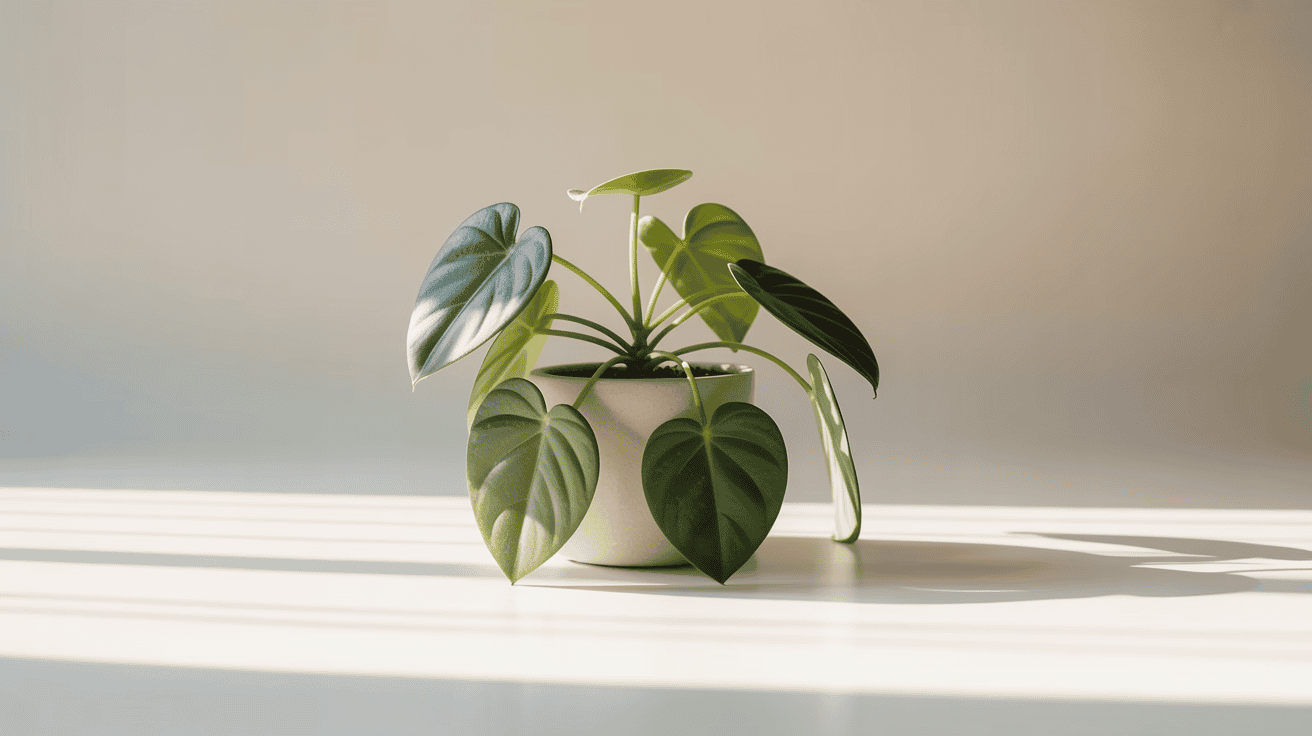
Many plants slow down or pause growth naturally—especially in winter.
What to do instead
- Reduce watering
- Stop fertilizing
- Maintain light, not heat
Dormant doesn’t mean dying.
Quick Plant Survival Cheatsheet
- Fewer waterings, deeper soak
- Smaller pots than you think
- Light matched to window direction
- Clean leaves monthly
- Gentle feeding only during growth
Houseplants don’t need perfection—they need consistency. Fix a few habits, stop hovering, and your plants will quietly reward you by staying alive and actually growing.