

Growing Cayenne Peppers at Home: The Complete Guide
Growing cayenne peppers at home is one of the easiest ways to add bold flavour and heat straight from your garden to your kitchen.
With their signature kick (30,000 to 50,000 on the Scoville scale), cayenne peppers are perfect for sauces, seasoning, and everyday cooking. The best part? They’re surprisingly simple to grow once you understand the basics.
Grow your own cayenne peppers
Free 3-page printable growing guide
Save to Pinterest · Print at home · No sign-up needed
This complete guide walks you through everything step by step—from choosing the right variety to harvesting and storing your peppers—so you can grow confidently, even as a beginner.
Key Takeaways
- Cayenne peppers are medium-heat peppers (30,000–50,000 Scoville units).
- Plants grow up to 2 feet tall and thrive in warm, sunny conditions.
- They need at least 6–8 hours of direct sunlight daily.
- Best grown in well-draining, nutrient-rich soil (pH 6.0–6.8).
- Harvest when peppers turn bright red for maximum flavour and heat.
Understanding Cayenne Peppers
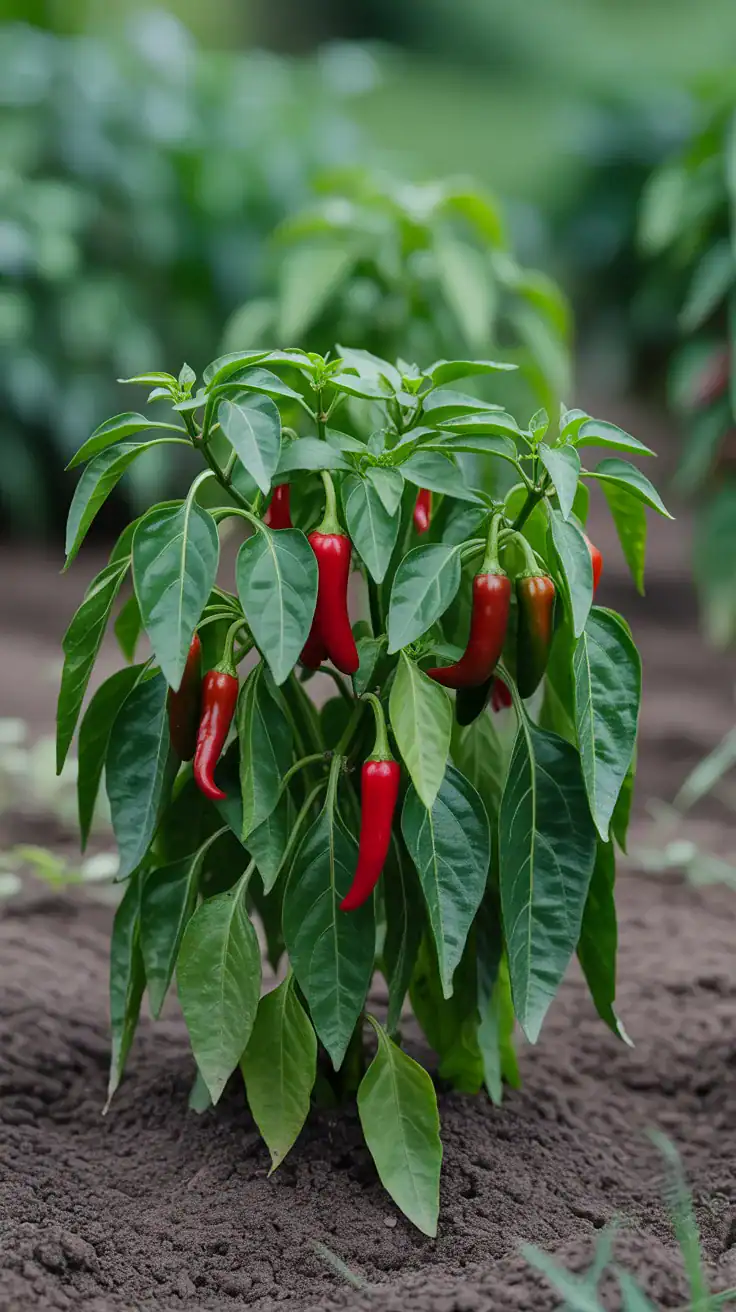
Cayenne peppers belong to the Capsicum annuum family and are loved for their long, slender shape and vibrant red colour when fully ripe.
They are heat-loving plants that grow quickly in the right conditions, making them ideal for home gardens, raised beds, or containers.
Popular Cayenne Varieties
Some of the most popular types include Red Ember, Dragon, Sweet Cayenne, and Purple Cayenne. While they all share similar heat levels, each offers slight differences in flavour, colour, and size.
Heat Level and Uses
Cayenne peppers are hotter than jalapeños but milder than habaneros, making them incredibly versatile.
You can use them fresh, dried, or ground into powder to add a rich, spicy depth to sauces, marinades, and everyday meals.
How to Grow Cayenne Peppers at Home
Growing cayenne peppers is simple once you get the basics right. These plants thrive with warmth, sunlight, and consistent care.
Start seeds indoors 8 to 10 weeks before the last frost, then transplant outdoors once temperatures are stable and warm.
Choose a sunny location with well-draining soil and space plants about 18 inches apart to allow airflow and healthy growth.
Best Growing Conditions
Temperature
Cayenne peppers love warm weather. They grow best in temperatures between 18°C and 24°C and should always be protected from frost.
Sunlight
Full sun is essential. Aim for at least 6 to 8 hours of direct sunlight daily for strong plants and better yields.
Soil
Use rich, well-draining soil with a pH between 6.0 and 6.8. Adding compost will improve both structure and nutrients.

Starting Cayenne Peppers from Seed
Sow seeds about 1/4 inch deep in a seed-starting mix. Keep the soil warm (around 21°C) and lightly moist.
Seedlings typically appear within 2 to 3 weeks. Once they develop a few true leaves, they’re ready to be hardened off and moved outdoors.

Transplanting and Spacing
Move seedlings outdoors once the risk of frost has passed and soil temperatures are warm.
Space plants 12 to 24 inches apart to allow airflow and reduce disease risk. Prepare soil with compost before planting for the best results.

Watering and Feeding
Water deeply when the top inch of soil feels dry, keeping moisture consistent but not soggy.
Feed plants every 2 to 3 weeks with a low-nitrogen, high-phosphorus fertilizer to encourage fruit production rather than leafy growth.

Growing Cayenne Peppers in Containers
Cayenne peppers grow very well in containers, making them ideal for patios and balconies.
Choose pots between 2 and 5 gallons with good drainage. Container plants may need more frequent watering and feeding, but they’re easy to manage in small spaces.

Pests and Common Problems
Watch out for aphids, mites, and caterpillars. These can usually be controlled with a strong spray of water or natural insecticidal soap.
To prevent fungal issues, ensure good spacing, avoid overhead watering, and keep leaves dry.

Harvesting and Storing Cayenne Peppers
Cayenne peppers are ready to harvest when they turn a deep, glossy red, usually 70 to 100 days after planting.
Use scissors or pruning shears to cut peppers cleanly from the plant.
Store fresh peppers in the fridge for up to a week, or dry them for long-term storage. Dried peppers can be kept whole or ground into powder for year-round use.

Conclusion
Growing cayenne peppers at home is simple, rewarding, and perfect for adding bold flavour to your cooking.
With the right sunlight, soil, and care, you’ll enjoy a steady harvest of vibrant, spicy peppers all season long.
Start small, stay consistent, and your garden will quickly become your favourite source of heat.