
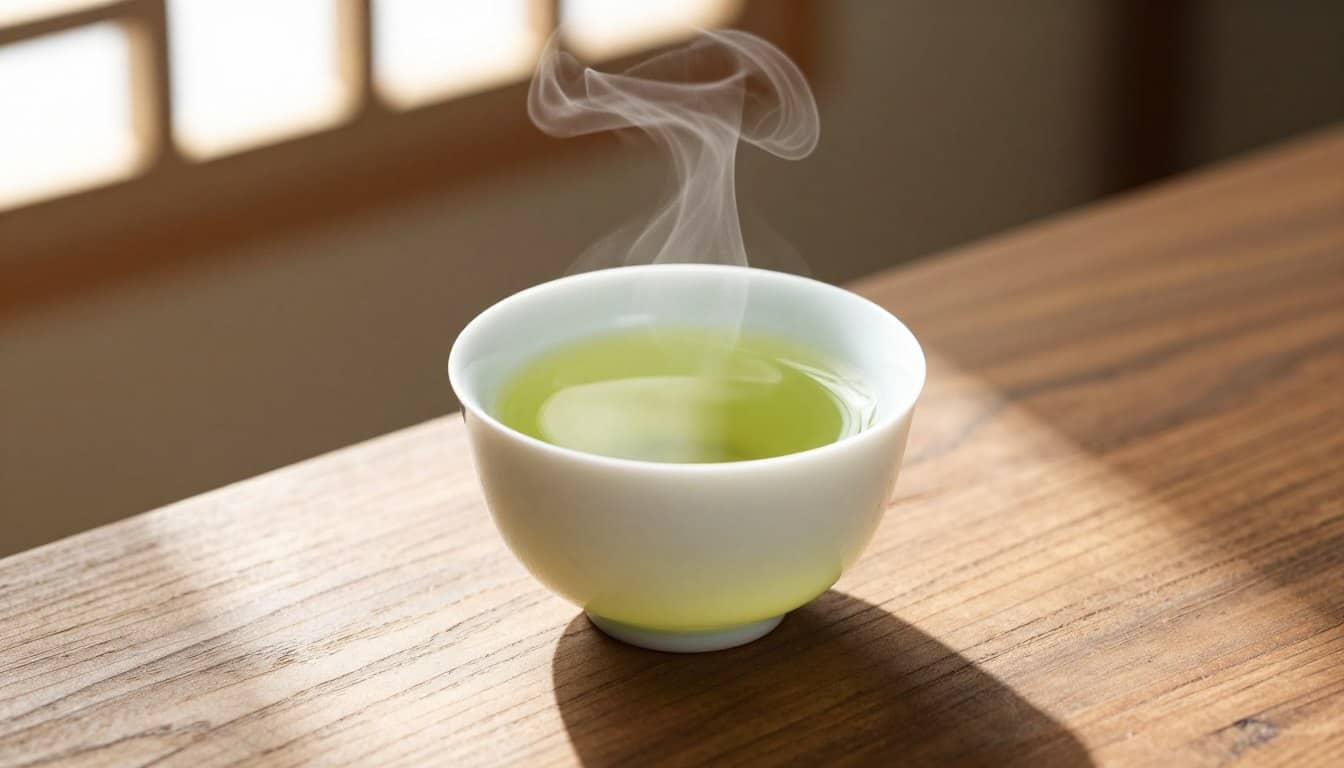
I Drank Green Tea Every Day for 30 Days — Here’s What Happened
I didn’t start this expecting a miracle. No detox fantasy. No dramatic “before and after.” No sudden glow-up montage. I just wanted a simple habit that felt supportive instead of extreme. Something small enough to stick with, but meaningful enough to notice.
So for 30 days, I drank green tea every single day. Usually one cup. Sometimes two. No supplements. No deliberate lifestyle overhaul. Just green tea, consistently, layered into real life.
Here’s what actually happened.

Why I Tried It in the First Place
I wasn’t trying to “fix” anything. I was just tired of habits that felt loud, complicated, or unsustainable.
I wanted something that:
- Gave gentle energy without coffee jitters
- Supported focus and digestion naturally
- Felt easy enough to repeat daily
- Didn’t require discipline, rules, or willpower gymnastics
Green tea kept showing up as quietly effective. Not flashy. Not promising instant results. Just steady and well-established.
That felt like a good place to start.

The Science-Backed Green Tea Benefits I Was Hoping For
Before starting my experiment, I researched the potential green tea benefits that made it worth trying. The evidence is impressive:
Antioxidant Powerhouse
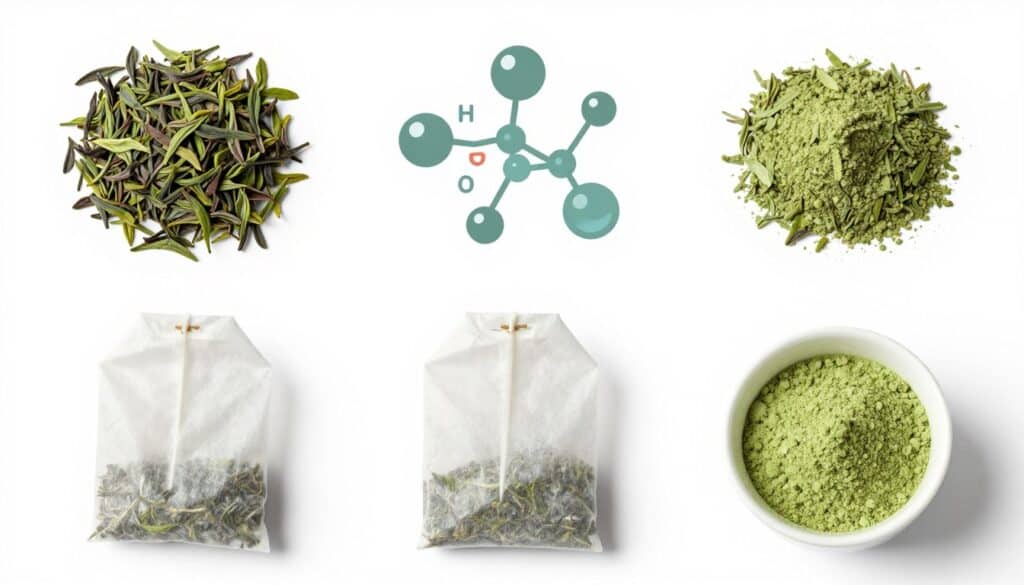
Green tea contains polyphenols called catechins, particularly epigallocatechin-3-gallate (EGCG), which have powerful antioxidant properties that help reduce inflammation and protect cells from damage.
Brain Function Support
The combination of caffeine and L-theanine in green tea has been shown to improve brain function, including mood, reaction time, and memory, while creating a milder, more stable energy than coffee.
Metabolism and Weight Management
Some studies suggest green tea can boost metabolism and increase fat burning, especially during exercise, though the effects are modest.
Heart Health Protection
Research indicates green tea may help lower cholesterol levels and reduce the risk of cardiovascular disease by improving blood vessel function.
The Rules I Followed (Very Unscientific, Very Real Life)
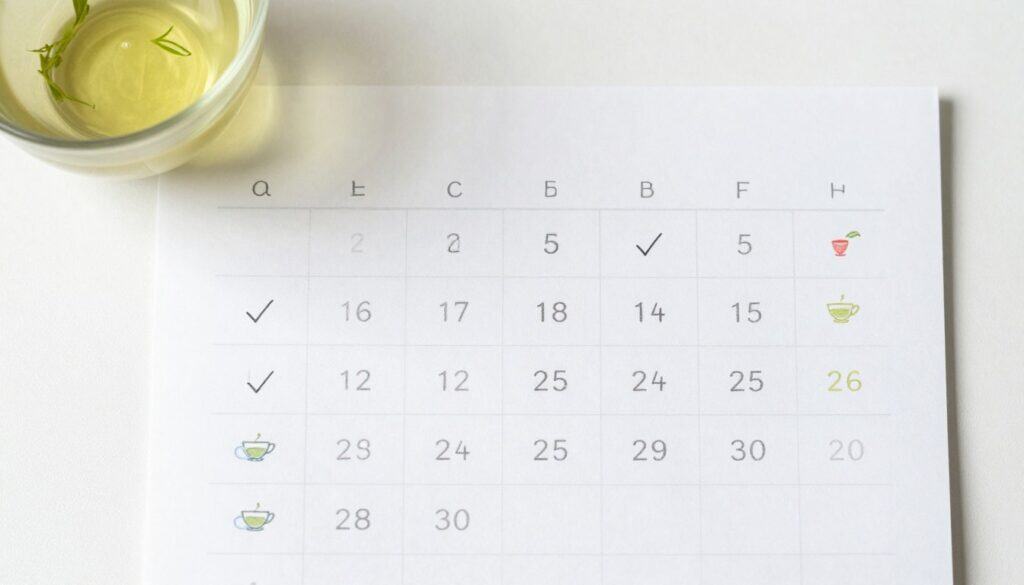
I deliberately kept this loose. No tracking apps. No rigid rules.
Here’s what I actually did:
- Drank 1–2 cups per day, I like it cold rather than hot but each to their own
- Mostly in the morning, occasionally early afternoon
- Plain green tea (sometimes with lemon, never sweetened)
- Skipped it if I truly didn’t want it
- My stomach is sensitive first thing in the morning, I tend to wait 2 after breakfast to have my tea
No forcing. No guilt. No “making up for missed days.” That flexibility turned out to be important.

Week 1: Subtle, But Noticeable
The first few days were… underwhelming. There was no dramatic surge of energy. No sudden mental clarity. No feeling of “wow, this is working.”
But by midweek, I started noticing small shifts:
- My morning energy felt smoother
- I didn’t reach automatically for a second coffee
- I felt calmer after drinking it
Not energized in a buzzy way — steadied. Green tea didn’t push my energy up. It seemed to even it out.

Week 2: Focus Improved (Without Trying)
Week two was when the changes became clearer. I wasn’t doing anything differently — but I noticed:
- Better focus during work blocks
- Less mental bouncing between tasks
- Fewer moments of feeling scattered or overstimulated
The energy felt clean and level. Not wired. Not flat. Just… usable. This was the first time I thought, okay, this is actually doing something.

Week 3: Digestion & Cravings Shifted
By week three, something unexpected happened. My digestion felt lighter. I noticed:
- Less bloating after meals
- Fewer sluggish, heavy feelings
- Less random snacking, especially mid-afternoon
I wasn’t eating less. I wasn’t restricting anything. But the pull toward mindless eating softened. That alone felt like a quiet win.

Week 4: It Became a Ritual (Not a Chore)
By the final week, green tea wasn’t something I had to remember. It had become part of my rhythm. What stood out most wasn’t a physical change — it was the emotional shift:
- Calmer mornings
- More intentional starts to the day
- A subtle sense of doing something kind for myself
No pressure. No productivity angle. Just care. Nothing dramatic. But quietly stabilizing.

What Didn’t Happen (Important to Say)
Let’s be honest — this matters.
- I didn’t lose a dramatic amount of weight
- My skin didn’t suddenly glow overnight
- My life didn’t magically reorganize itself
Green tea didn’t fix everything. And that’s okay. This wasn’t about transformation. It was about support.
Green tea is not a miracle cure. Research shows its benefits come from consistent consumption over time, not from occasional use. The catechins in green tea work gradually to support your body’s natural processes, not override them.
The Most Unexpected Benefit: Consistency
The biggest shift wasn’t physical. It was behavioral. Green tea became:
- A calm anchor in the morning
- A pause before the day took over
- A habit that didn’t demand perfection
Because it was gentle, I stuck with it. And that consistency created more impact than intensity ever could.
How I Think About Green Tea Now
After 30 days, I don’t see green tea as:
- A detox
- A weight-loss trick
- A productivity hack
I see it as:
- A supportive habit, not a fix
- A gentle upgrade, not a reset
- Something that complements life, not controls it
That mindset makes all the difference.
Would I Keep Drinking It?
Yes — but without pressure. Some days it’ll be green tea. Some days it won’t. Some days it’ll replace coffee. Some days it won’t. And that flexibility is exactly why it works.
“The best wellness habits aren’t the most extreme ones. They’re the ones you can actually maintain without feeling deprived or exhausted.”

Who This Habit Is Best For
This 30-day experiment would suit you if:
- You want steadier energy without stimulants
- You prefer low-effort wellness habits
- You’re tired of extremes
- You want something calming, not demanding
It’s especially helpful if you’re feeling overstimulated, trying to reduce caffeine reliance, or looking for a gentle morning ritual.
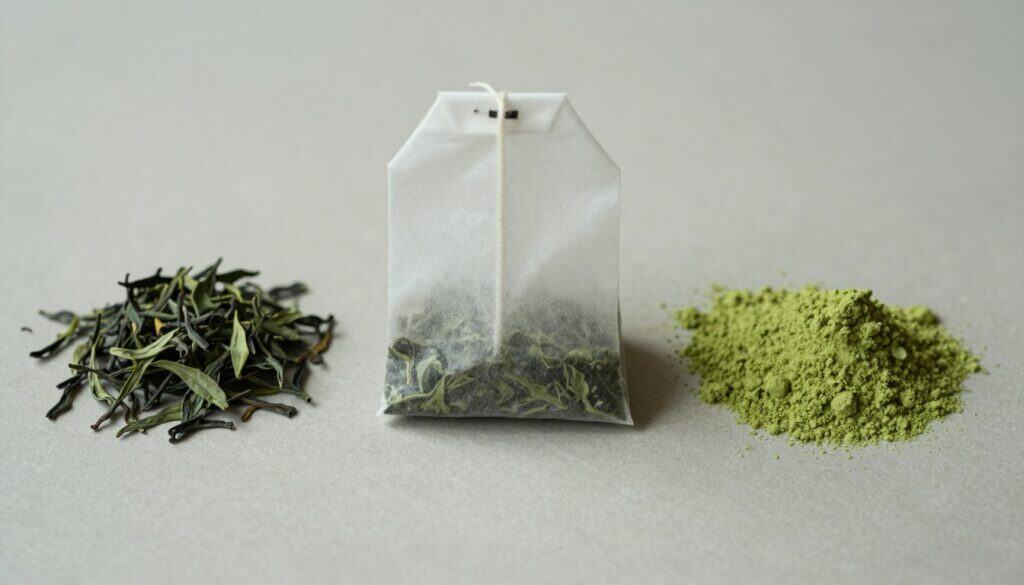
How to start: Choose a quality green tea that appeals to you. Sencha is a good starting point for beginners. Steep for 1-3 minutes in water that’s hot but not boiling (around 175°F). Start with one cup in the morning and adjust based on how you feel.
Final Thought
Green tea didn’t change my life in 30 days. But it changed how my days began. And when the start of your day feels calmer, steadier, and more intentional — everything else feels more manageable.
If you’re looking for something simple, quiet, and genuinely sustainable, this is one habit that’s worth trying.
No hype. No pressure. Just a cup at a time.
Ready to Try Your Own Green Tea Experiment?
Start small. Stay consistent. Notice what happens. The green tea benefits might surprise you in their subtlety and staying power.
Learn More About Quality Green Tea Options