
This Simple Layout Trick Makes Any Garden Look Fuller
Sometimes your garden just feels empty. You walk outside and notice gaps between plants. The beds look thin. Everything sits at the same height.
You might think you need more plants. Maybe dozens more. But that is not always true.
The real problem is often about placement. How you arrange plants matters more than how many you have. One simple change in your layout can transform a sparse garden into something full and intentional.
This trick works in any space. Small yards benefit just as much as large properties. You do not need special tools or years of gardening experience.
1. Layering Plants in Depth (Not Just Rows)

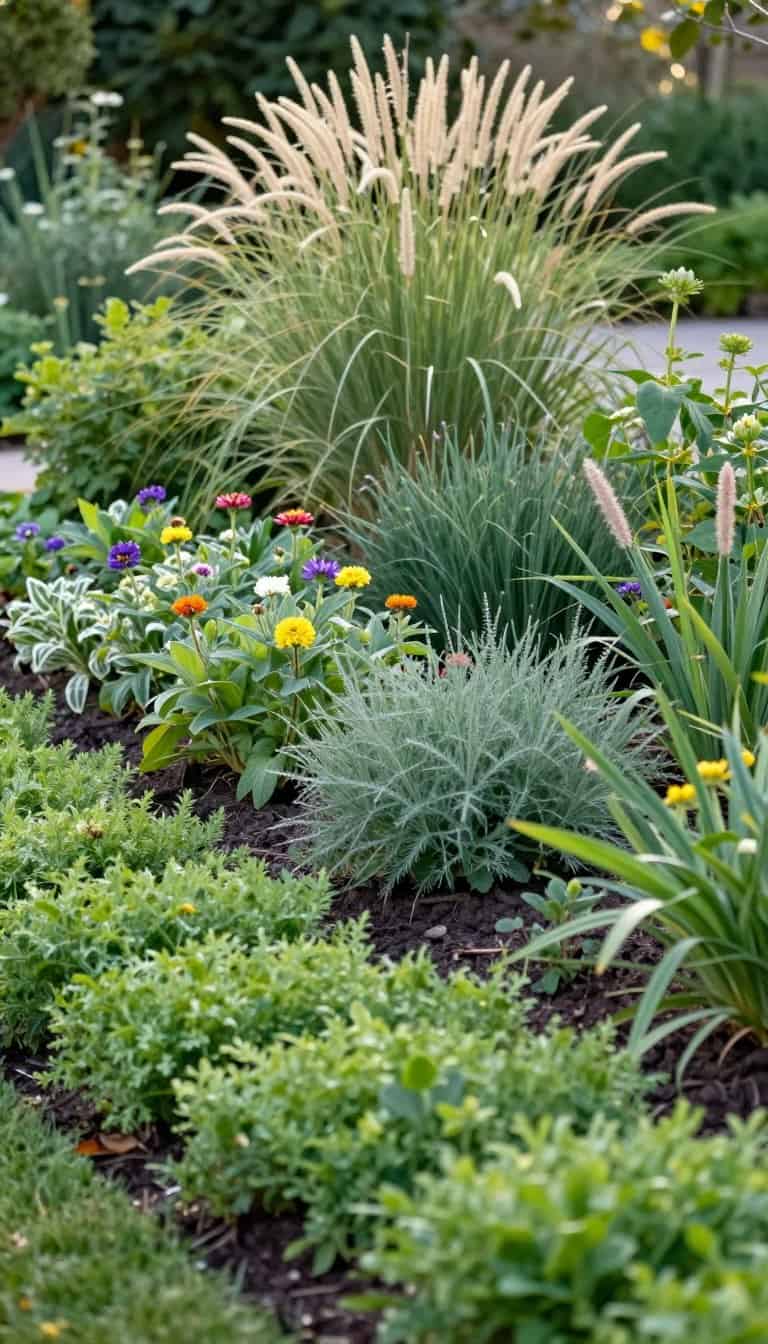
Here is where everything starts to change. Instead of planting in straight rows, you layer from front to back. Think about how you would arrange objects on a shelf. Different heights create interest.
Start with taller plants at the back of your garden beds. These anchor the space. Then add medium-height plants in the middle. Finish with low-growing plants at the front.
This one shift adds instant depth. Even a small garden bed begins to feel fuller and more intentional. Your eye moves through the space naturally.
- Back layer: Taller plants, grasses, or shrubs
- Middle layer: Bushier plants that add volume
- Front layer: Low-growing plants or trailing greenery

Many gardens feel flat because everything sits at the same level. Layering adds dimension. It creates depth and makes the space feel more complete without adding more plants.
2. Why This Layout Works So Well

There is a reason this works so well. In nature, plants do not grow in neat rows. They overlap, vary in height, and fill space naturally.
When you recreate this effect in your own garden, the space instantly feels more established and visually interesting.
- Creates depth so your garden looks larger
- Fills visual gaps between plants
- Adds texture through varied shapes and heights
- Makes the space feel more natural and balanced
A flat garden can feel unfinished. Layering changes that by giving your eye different levels to explore.
3. How to Make It Look Effortless (Not Overcrowded)

The goal is fullness, not clutter. Adding too many plants too close together creates a messy look instead of a natural one.
You want a loose rhythm where plants repeat, but still have room to breathe.
- Repeat key plants to create cohesion
- Mix textures for contrast
- Leave small gaps for breathing space
- Group plants in odd numbers for a natural feel
Spacing is just as important as placement. Plants should have room to grow into their natural shape over time.
4. Small Garden? This Trick Works Even Better

Small spaces benefit even more from layering. When you cannot spread out, you build upward instead.
This creates the illusion of more space while making your garden feel fuller.
- Use vertical elements like trellises or tall grasses
- Choose compact plant varieties
- Layer slightly closer together
- Use contrast to create depth
Even a narrow garden bed can feel lush and complete with the right layering approach.
5. A Simple Shift That Changes Everything

You do not need more plants. You do not need a bigger garden. You just need a better layout.
Move taller plants toward the back. Bring smaller plants forward. Fill the middle with volume.
This is what transforms a garden from looking simply planted into something that feels designed.
Once you see it, you will notice this technique everywhere. It is one of the simplest ways to make your garden look fuller, more balanced, and more intentional.
You Might Also Like
English Garden Border Ideas That Add Depth and Structure
Cottage Garden Plants That Create a Full and Lush Look
Perennial Plant Combinations That Layer Beautifully
English Cottage Garden Layouts That Feel Natural and Flowing
Cottage Garden Color Schemes That Blend Seamlessly