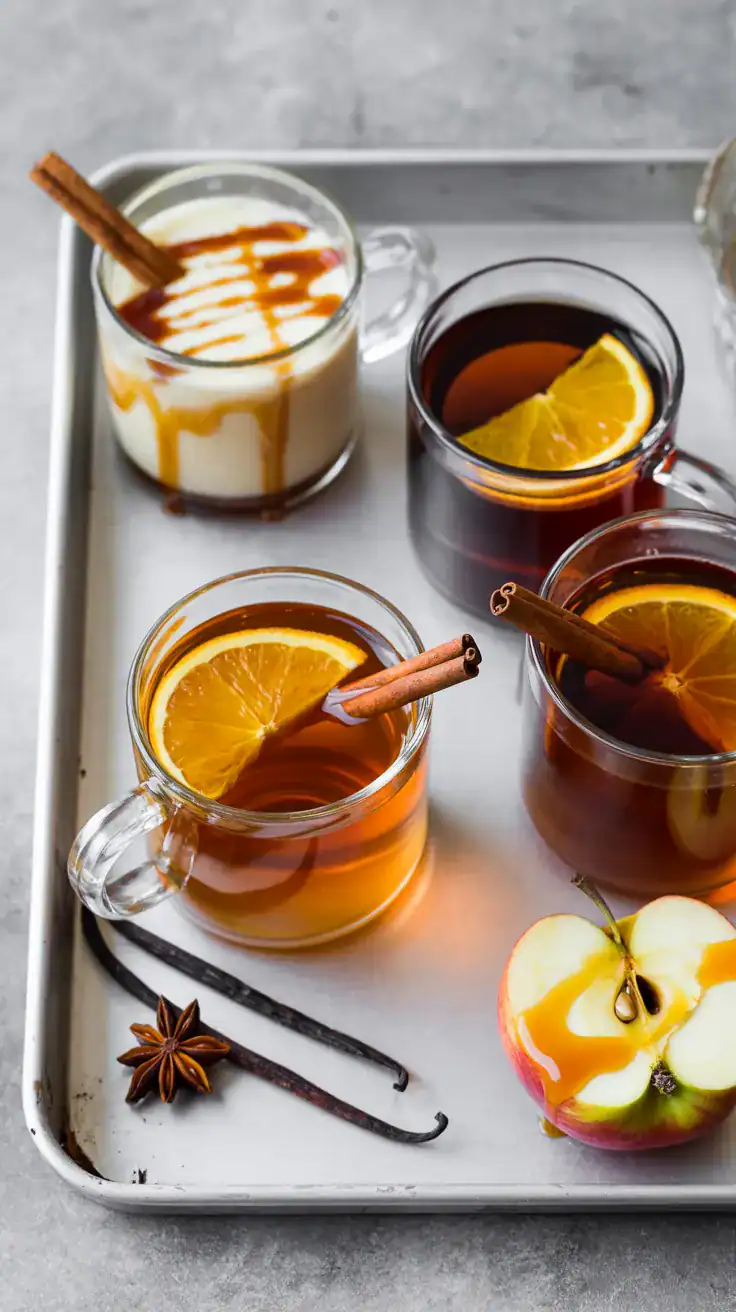
Fallen Apple Cider – A Cozy, Small-Batch Homemade Cider
Apple season has a way of sneaking up on you. One day the trees are heavy with fruit, and the next, the ground is dotted with apples that are still perfectly good. This fallen apple cider is a simple, small-batch way to turn that bounty into something warm, fragrant, and comforting.
It’s not fussy, it doesn’t need special equipment, and it tastes like fall in a cup. Whether you’re hosting friends or just want a quiet evening treat, this recipe delivers real, honest flavor.
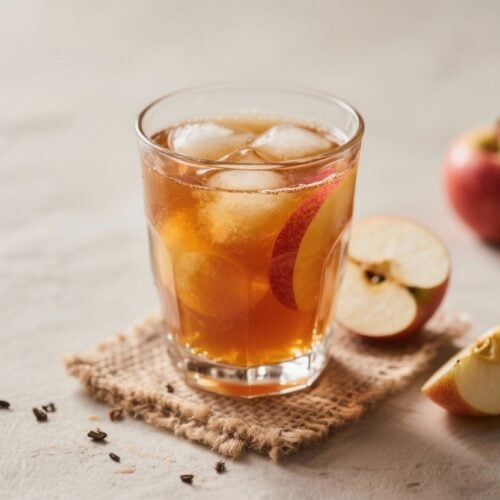
Fallen Apple Cider – A Cozy, Small-Batch Homemade Cider
Ingredients
- 8–10 medium apples (a mix of tart and sweet; washed and trimmed)
- 1 orange (optional, for brightness)
- 8 cups water (enough to just cover the fruit in the pot)
- 2–3 cinnamon sticks
- 6–8 whole cloves
- 2–3 whole allspice berries (optional)
- 1 star anise (optional, for a gentle licorice note)
- 1–2 inches fresh ginger, sliced (or 1 teaspoon ground ginger)
- 1/4–1/3 cup brown sugar or maple syrup (to taste)
- Pinch of salt (to enhance flavor)
- Optional add-ins: vanilla bean or extract, lemon peel, nutmeg, bourbon or dark rum for serving
Instructions
- Prep the fruit. Quarter the apples; remove bruised or mushy spots and stems. No need to peel or core. Slice the orange into rounds and remove any seeds.
- Load the pot. Add apples, orange slices, cinnamon sticks, cloves, allspice, star anise, and ginger to a large pot. Pour in water until the fruit is just covered.
- Simmer low and slow. Bring to a gentle boil, then reduce to a low simmer. Cover slightly ajar and cook for 1.5–2 hours, stirring occasionally. The apples should be very soft and fragrant.
- Mash for flavor. Use a potato masher or large spoon to crush the apples and orange in the pot. This releases more juice and oils from the peels and spices.
- Simmer again. Let it cook another 20–30 minutes, uncovered, to deepen the flavor and reduce slightly.
- Strain carefully. Place a fine-mesh sieve over a large bowl or second pot. Ladle the mixture through, pressing the solids to extract as much liquid as possible. For ultra-smooth cider, strain again through cheesecloth.
- Sweeten and balance. Return the liquid to the pot. Add brown sugar or maple syrup a little at a time, plus a pinch of salt. Taste and adjust. If it’s flat, add a squeeze of lemon or a splash of orange juice.
- Warm and serve. Heat gently until steaming. Serve in mugs. For a grown-up version, add a shot of bourbon or dark rum to each mug.
- Garnish (optional). Add a cinnamon stick, orange peel, or apple slice for a cozy touch.
Why This Recipe Works

This cider leans on whole spices and a long, gentle simmer to extract deep flavor without bitterness. Using a mix of apple varieties adds natural balance—tart apples bring brightness, and sweeter ones round it out.
We muddle and strain instead of juicing, so the cider stays rustic and aromatic.
A touch of citrus keeps it lively, and a small amount of sugar enhances the apples without turning the drink into dessert. It’s flexible, too—easy to make alcohol-free or spiked, depending on the moment.
What You’ll Need
- 8–10 medium apples (a mix of tart and sweet; washed and trimmed)
- 1 orange (optional, for brightness)
- 8 cups water (enough to just cover the fruit in the pot)
- 2–3 cinnamon sticks
- 6–8 whole cloves
- 2–3 whole allspice berries (optional)
- 1 star anise (optional, for a gentle licorice note)
- 1–2 inches fresh ginger, sliced (or 1 teaspoon ground ginger)
- 1/4–1/3 cup brown sugar or maple syrup (to taste)
- Pinch of salt (to enhance flavor)
- Optional add-ins: vanilla bean or extract, lemon peel, nutmeg, bourbon or dark rum for serving
Step-by-Step Instructions

- Prep the fruit. Quarter the apples; remove bruised or mushy spots and stems. No need to peel or core.
Slice the orange into rounds and remove any seeds.
- Load the pot. Add apples, orange slices, cinnamon sticks, cloves, allspice, star anise, and ginger to a large pot. Pour in water until the fruit is just covered.
- Simmer low and slow. Bring to a gentle boil, then reduce to a low simmer. Cover slightly ajar and cook for 1.5–2 hours, stirring occasionally.
The apples should be very soft and fragrant.
- Mash for flavor. Use a potato masher or large spoon to crush the apples and orange in the pot. This releases more juice and oils from the peels and spices.
- Simmer again. Let it cook another 20–30 minutes, uncovered, to deepen the flavor and reduce slightly.
- Strain carefully. Place a fine-mesh sieve over a large bowl or second pot. Ladle the mixture through, pressing the solids to extract as much liquid as possible.
For ultra-smooth cider, strain again through cheesecloth.
- Sweeten and balance. Return the liquid to the pot. Add brown sugar or maple syrup a little at a time, plus a pinch of salt. Taste and adjust.
If it’s flat, add a squeeze of lemon or a splash of orange juice.
- Warm and serve. Heat gently until steaming. Serve in mugs. For a grown-up version, add a shot of bourbon or dark rum to each mug.
- Garnish (optional). Add a cinnamon stick, orange peel, or apple slice for a cozy touch.
How to Store
- Refrigerator: Store in a sealed jar or pitcher for up to 5 days.
Shake or stir before serving.
- Freezer: Cool completely, then freeze in airtight containers or freezer bags for up to 3 months. Leave headspace for expansion.
- Reheating: Warm gently on the stove over low heat. Avoid boiling to preserve the fresh apple flavor.
- Batching: Double the recipe for gatherings; keep warm in a slow cooker on the “warm” setting.

Health Benefits
Apples bring natural fiber and plant compounds like polyphenols, which may support heart health.
When you simmer whole apples with the peels, you capture more of those beneficial compounds than you would with filtered, store-bought juice.
Fresh ginger and spices like cinnamon and cloves add a gentle anti-inflammatory boost. Because you control the sweetener, you can keep the sugar in check while still getting full flavor. It’s a warm, hydrating drink that feels indulgent without being heavy.
What Not to Do
- Don’t use badly spoiled apples. Small bruises are fine, but avoid moldy or fermented fruit.
- Don’t rush the simmer. High heat can make the cider harsh and cloudy.
Low and slow is key.
- Don’t oversweeten early. Wait to add sugar until after straining. The flavor concentrates as it cooks.
- Don’t skip the strain. Pressing and straining give a smooth, drinkable cider without pulp grit.
- Don’t forget acid. A touch of citrus keeps the cider bright and prevents it from tasting dull.
Recipe Variations
- Caramel Apple Cider: Stir in 2–3 tablespoons of caramel sauce after straining. Finish with a pinch of sea salt.
- Spiced Vanilla: Add half a vanilla bean during the simmer or 1 teaspoon vanilla extract at the end.
- Pear-Apple Blend: Swap 2–3 apples for ripe pears for a softer, floral sweetness.
- Maple Ginger: Use maple syrup for sweetness and double the ginger for a brighter edge.
- Mulled Cider Punch: Thin with a splash of black tea and orange juice, then spike with rum for a party-friendly punch.
- Low-Sugar: Skip sweeteners and rely on sweeter apple varieties like Gala, Fuji, or Honeycrisp.
- Chili Heat: Add a small slice of fresh chili or a pinch of cayenne for a warming kick.
FAQ
Can I use only one type of apple?
Yes, but a mix tastes better.
Combining tart apples (like Granny Smith) with sweet ones (like Fuji or Gala) gives a fuller, more balanced flavor.
Do I have to peel or core the apples?
No. The peels and cores add flavor and body. Just trim away any spoiled spots and remove stems and seeds from citrus.
How do I make it in a slow cooker?
Add everything to the slow cooker, cover, and cook on Low for 6–8 hours.
Mash, then cook another hour, strain, and sweeten to taste.
Can I make this ahead for a party?
Absolutely. Make it a day or two ahead and refrigerate. Reheat gently and keep warm in a slow cooker or on the stove over low heat.
What if my cider tastes too sharp?
Add a bit more sweetener or a pinch of salt to soften the edges.
You can also stir in a splash of orange juice for balance.
Is this the same as hard cider?
No. This is a non-alcoholic mulled-style cider. For hard cider, you’d need fermentation with yeast over days or weeks.
Can I use ground spices instead of whole?
Yes, but use them sparingly to avoid grit.
Start with 1/2 teaspoon ground cinnamon, 1/4 teaspoon ground cloves, and 1/4 teaspoon ground allspice. Strain through cheesecloth for a smoother finish.
How can I reduce waste with fallen apples?
Trim bruises and use the good parts for cider. Compost the trimmings and strained solids, or simmer the solids with water again for a lighter “second brew.”
In Conclusion
Fallen apple cider is the kind of recipe that never feels forced.
It respects what you have on hand and turns it into something warm, fragrant, and shareable. With simple steps, everyday spices, and a little patience, you’ll have mugs of cozy comfort ready in a couple of hours. Keep a pot on the stove, and let the season do the rest.