

The Emotional Side of Decluttering (And How to Push Past It)
Decluttering isn’t just about stuff. If it were, you’d be done already.
What really slows people down is the emotional weight attached to what they’re trying to let go of—memories, guilt, “just in case” thinking, and the quiet fear of making the wrong decision. That’s why decluttering can feel exhausting even before you touch a single drawer.
The good news? These emotions are normal—and they don’t mean you’re bad at decluttering. They just need to be handled gently and strategically.
Why Decluttering Feels So Emotional
Our belongings often act as placeholders for experiences, identities, and expectations.
You’re not just sorting objects—you’re sorting:
- Who you were
- Who you thought you’d be
- What you feel responsible for remembering
Understanding this makes decluttering feel less like failure and more like closure.
1. Guilt Over Money Spent

Why it hits hard
- Letting go feels like admitting a mistake
- You associate keeping it with “getting your money’s worth”
- Guilt overrides practicality
How to push past it
- The money is already gone—keeping the item doesn’t bring it back
- Ask: Would I buy this again today?
- Release it so it doesn’t keep costing you space and peace
Decluttering isn’t wasting money—it’s stopping the loss from continuing.
2. Fear of Needing It Later

Why it stalls progress
- You imagine future emergencies
- You overestimate how often things are actually needed
- Storage becomes emotional insurance
How to push past it
- Set a realistic replacement rule: Could I replace this easily if needed?
- Remember: most items are replaceable—space and calm are not
- Trust your ability to adapt
Clutter doesn’t protect you. Confidence does.
3. Emotional Attachment to Memories

Why it’s difficult
- Letting go feels like losing the memory
- Objects become emotional anchors
- You fear regret
How to push past it
- Keep the memory, not the item
- Take photos of meaningful pieces before donating
- Choose one representative item instead of many
Memories live in you, not in your cupboards.
4. Identity Tied to Stuff

Examples
- Clothes for a lifestyle you no longer live
- Hobby supplies for projects you never enjoyed
- Items that reflect who you thought you’d be
Why this slows decluttering
- Letting go feels like giving up on a version of yourself
- You feel pressure to “become” that person again
How to push past it
- Honour who you are now
- Keep what supports your current life
- Release what creates guilt or pressure
Decluttering is an act of self-respect, not self-rejection.
-
The Therapeutic Power of Cleaning
How cleaning can calm the mind and uplift your lifestyle.
-
Lifestyle Smart Living: Home Organization & Decluttering Guide
Friendly tips to declutter and organize for a simpler home.
-
Home Organization Hacks
Clever ideas to keep every room tidy, functional, and stress-free.
5. Overwhelm From Too Much at Once

Why it happens
- You start with sentimental items
- Decision fatigue kicks in
- Emotions pile up quickly
How to push past it
- Start with low-emotion zones (bathroom, pantry, linen closet)
- Build confidence before tackling sentimental areas
- Stop before exhaustion—not after it
Momentum matters more than marathon sessions.
6. Perfectionism and “Doing It Right”
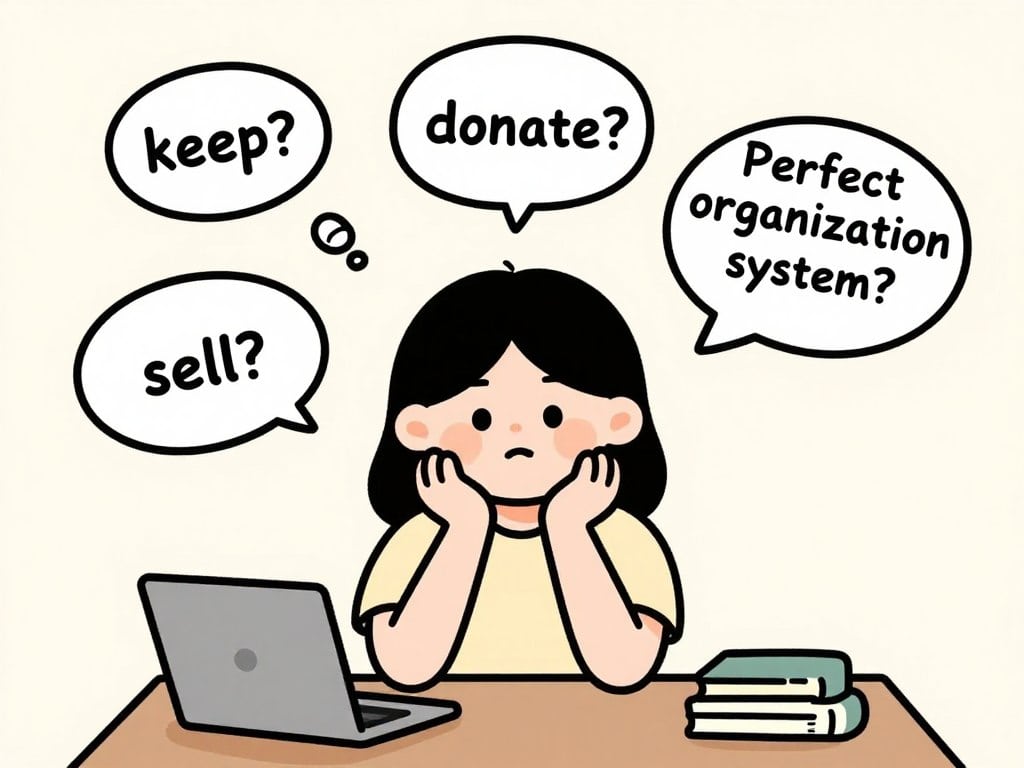
Why it blocks progress
- Fear of making wrong decisions
- Overthinking donation vs sell vs keep
- Waiting for the “right time”
How to push past it
- Aim for progress, not perfection
- Make decisions good enough for today
- You’re allowed to adjust later
Done is better than perfect—especially in decluttering.
7. Feeling Like Decluttering Is Selfish

Why this happens
- You prioritise others’ needs over your own
- You downplay your discomfort
- Clutter becomes normalized
How to push past it
- Your environment affects your mental health
- Calm spaces benefit everyone in the home
- Wanting peace is not selfish
Your space should support you, not drain you.
8. Emotional Fatigue After Decluttering

Why
- Emotional processing takes energy
- You’re closing chapters
- Change is tiring, even positive change
How to push past it
- Take breaks
- Celebrate small wins
- Pair decluttering with comforting routines
Rest is part of the process, not a setback.
The Bottom Line

Decluttering isn’t just a physical reset—it’s an emotional one. If it feels hard, that doesn’t mean you’re doing it wrong. It means you’re doing the real work.
Go slowly. Be kind to yourself. Let go with intention, not force.
Every item released is a small act of choosing space, clarity, and ease—over guilt, pressure, and overwhelm.