

The Ultimate Daily Routine for Healthy Hormones
Our hormones are the body’s chemical messengers, orchestrating everything from our energy levels and digestion to our mood and metabolism. When these messengers are in balance, we feel vibrant, focused, and well. But when they’re disrupted, we might experience fatigue, mood swings, weight changes, or sleep disturbances. The good news? Simple daily habits can make a profound difference in supporting hormone balance. In this guide, we’ll walk through a practical, hormone-friendly day that anyone can implement—no complicated protocols or expensive supplements required.
Morning: Wake Up Your Hormones Gently
How we start our day sets the tone for our hormonal rhythm. A gentle, intentional morning routine helps regulate cortisol (our primary stress hormone) and supports a healthy metabolic response throughout the day.
Rise with Natural Light
We aim to expose ourselves to natural light within the first hour of waking. This simple habit helps reset our circadian rhythm, which governs the release of key hormones like cortisol and melatonin. Open your curtains, step outside for a moment, or enjoy breakfast near a window. This morning light exposure signals to your brain that it’s time to be alert and helps regulate your sleep-wake cycle.

Hydrate Before Caffeine
After the natural dehydration that occurs during sleep, we prioritize rehydration before reaching for caffeine. A glass of warm water with fresh lemon helps gently wake up our digestive system and supports the liver—our primary organ for hormone detoxification. This simple habit helps flush out toxins that can disrupt hormone balance and prepares our body for optimal nutrient absorption.
Move Your Body Mindfully
Gentle morning movement stimulates healthy cortisol production without triggering a stress response. We incorporate 10-15 minutes of stretching, yoga, or a calm walk to get blood flowing to our muscles and organs. This type of movement supports insulin sensitivity and helps regulate blood sugar levels throughout the day.

Eat a Protein-Rich Breakfast
We break our overnight fast with a balanced meal containing protein, healthy fats, and fiber. This combination helps stabilize blood sugar and prevents the insulin spikes that can throw other hormones out of balance. Some hormone-friendly breakfast options include eggs with avocado and vegetables, a protein smoothie with ground flaxseeds, or Greek yogurt with nuts and berries.
Midday: Keep Energy and Focus Steady
The middle of the day is when many of us experience energy dips and stress peaks. With intentional habits, we can support steady hormone levels instead of the rollercoaster that leads to afternoon crashes.
Prioritize a Balanced Lunch
We take a proper break for lunch, focusing on a meal with adequate protein, fiber-rich vegetables, and healthy fats. This combination helps maintain steady insulin levels and provides sustained energy. A large salad with lean protein, a grain bowl with vegetables and avocado, or a hearty soup with beans and greens are all excellent options that support hormone balance.

Step Outside After Eating
We make it a habit to move after meals, even if it’s just a 5-10 minute walk around the block or office. This gentle movement helps our bodies process glucose more efficiently, supporting insulin function and preventing the post-lunch energy crash. The natural light exposure also helps maintain our circadian rhythm throughout the day.
Practice Mindful Breathing
Taking even a few minutes for deep, conscious breathing can significantly lower cortisol levels and activate our parasympathetic nervous system (our “rest and digest” mode). We incorporate a simple breathing practice: inhale for a count of four, hold for one, exhale for a count of six, and repeat for 2-3 minutes. This quick reset helps balance stress hormones during the busiest part of our day.

Stay Hydrated and Limit Sugar
We continue drinking water throughout the day and avoid the temptation of sugary snacks or drinks that can spike insulin and disrupt other hormones. Instead, we opt for hydrating foods like cucumber and celery, or keep a reusable water bottle visible as a reminder to sip regularly.
Afternoon: Protect Against the Energy Crash
The afternoon hours can be challenging for hormone balance as cortisol naturally dips and energy levels may wane. With strategic habits, we can navigate this time without resorting to choices that disrupt our hormones.
Choose Hormone-Supporting Snacks
Instead of reaching for caffeine or sugar when energy dips, we opt for snacks rich in magnesium, protein, and healthy fats. A small handful of pumpkin seeds, a few squares of dark chocolate, or apple slices with almond butter provide sustained energy without disrupting insulin or cortisol levels. These choices support steady blood sugar and help prevent evening cravings.

Take a Movement Break
We schedule a brief 10-minute walk, stretch session, or even a few minutes of gentle desk exercises during the afternoon slump. This movement break helps regulate cortisol, improves insulin sensitivity, and boosts circulation to the brain for better focus. Even standing up and doing a few gentle stretches can make a significant difference in hormone balance.
Manage Stress Intentionally
The afternoon often brings accumulated stress from the day. We take proactive steps to manage this stress before it impacts our hormones. This might look like a quick journaling session, a few minutes of meditation, or even stepping outside to feel the sun on our face. These small reset moments prevent cortisol from remaining elevated into the evening.

Evening: Wind Down for Hormonal Recovery
The evening hours are crucial for hormone restoration and preparing the body for quality sleep—when much of our hormonal repair and regulation occurs. Our evening routine focuses on gently transitioning from the activity of the day to restful sleep.
Eat Dinner Earlier
We aim to eat dinner at least 2-3 hours before bedtime, allowing our digestive system to complete its work before sleep. This timing supports healthy insulin regulation and gives our body time to produce melatonin without interference. Our evening meals emphasize easy-to-digest proteins, cooked vegetables, and moderate portions to support overnight hormone restoration.

Create a Digital Sunset
We gradually reduce exposure to blue light from screens as evening progresses. This might mean switching phones to night mode, wearing blue-light blocking glasses, or simply putting devices away 1-2 hours before bed. This habit supports natural melatonin production, which not only improves sleep but also plays a role in regulating reproductive hormones and metabolism.
Establish a Calming Ritual
A consistent evening ritual signals to our body that it’s time to transition to rest. We might take a warm bath with magnesium salts to support muscle relaxation and hormone production, sip a cup of calming herbal tea like chamomile or lemon balm, or read a physical book under soft lighting. These practices help lower cortisol and prepare the body for restorative sleep.

Prioritize Quality Sleep
We aim for 7-9 hours of quality sleep in a cool, dark room. During sleep, our bodies perform critical hormone regulation and repair work. Growth hormone is released, cortisol levels reset, and reproductive hormones are balanced. Creating optimal sleep conditions—like keeping the room between 65-68°F, using blackout curtains, and maintaining a consistent sleep schedule—supports this essential hormonal work.
Bonus Hormone-Supporting Strategies
Beyond our daily routine, we can incorporate these additional practices to further support hormone balance:
Seed Cycling
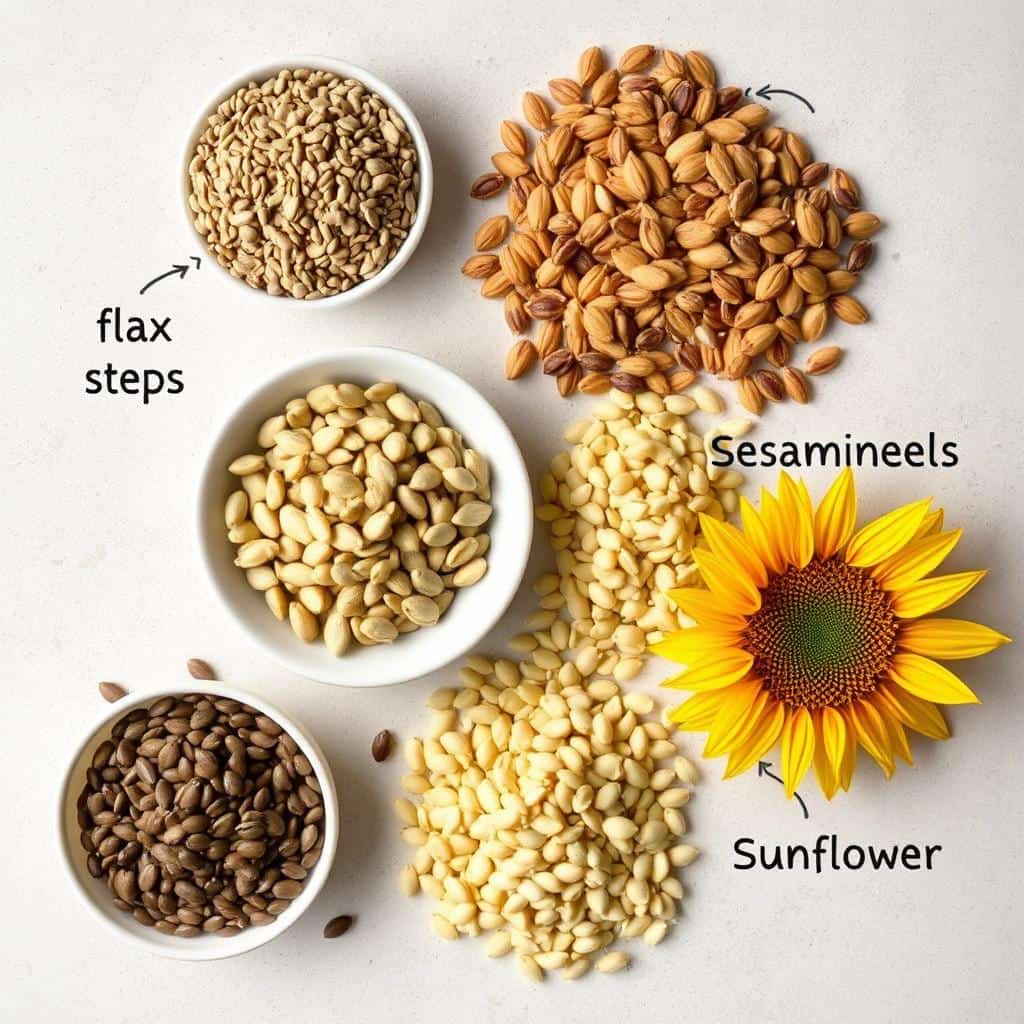
For those with menstrual cycles, seed cycling can provide gentle support for reproductive hormones. During the follicular phase (days 1-14), we consume 1-2 tablespoons each of ground flax and pumpkin seeds daily to support estrogen production. During the luteal phase (days 15-28), we switch to sesame and sunflower seeds to support progesterone. This practice provides essential fatty acids and lignans that help modulate hormone levels naturally.
Adaptogenic Herbs
Certain herbs known as adaptogens can help the body respond more effectively to stress, supporting overall hormone balance. We might incorporate ashwagandha to help moderate cortisol levels, maca root to support reproductive hormones, or holy basil to promote a balanced stress response. These can be taken as teas, tinctures, or supplements after consulting with a healthcare provider familiar with herbal medicine.

Remember: Consistency matters more than perfection when it comes to hormone balance. Even implementing a few of these practices regularly can make a significant difference in how you feel day to day. Start with the habits that seem most manageable for your lifestyle, and gradually build from there.
Building Your Hormone-Balancing Routine
Creating a daily routine that supports hormone balance doesn’t require a complete lifestyle overhaul. We can start by incorporating just one or two new habits from each time block, paying attention to how our bodies respond, and gradually building from there. The key is consistency—these small daily choices compound over time to create significant improvements in our hormonal health.
As we implement these practices, we might notice improvements in energy levels, mood stability, sleep quality, digestion, and even skin clarity—all signs that our hormones are finding their natural balance. And while each person’s hormone needs are unique, these foundational habits support the body’s innate wisdom to regulate itself.

The more consistently we show up for our hormones, the better they show up for us. Let’s build a daily routine that supports balance, energy, and long-term wellness—one habit at a time.
Which hormone-supporting habit will you implement first? Whether it’s morning hydration, afternoon stress management, or creating a digital sunset, each step brings you closer to hormonal harmony and the vibrant wellbeing that comes with it.