
Cleaning as Self-Care: 12 Simple Ways to Reset Your Home and Mind
Cleaning doesn’t have to feel like a chore you dread. When you shift the mindset, it becomes something else entirely—a reset button. A way to clear visual noise, calm your thoughts, and gently take control of your space again.
You don’t need a full deep-clean marathon. Just a few intentional rituals can refresh your home and your mood.
Here are 12 simple ways to turn cleaning into a form of self-care.
1. Start with One Small Surface

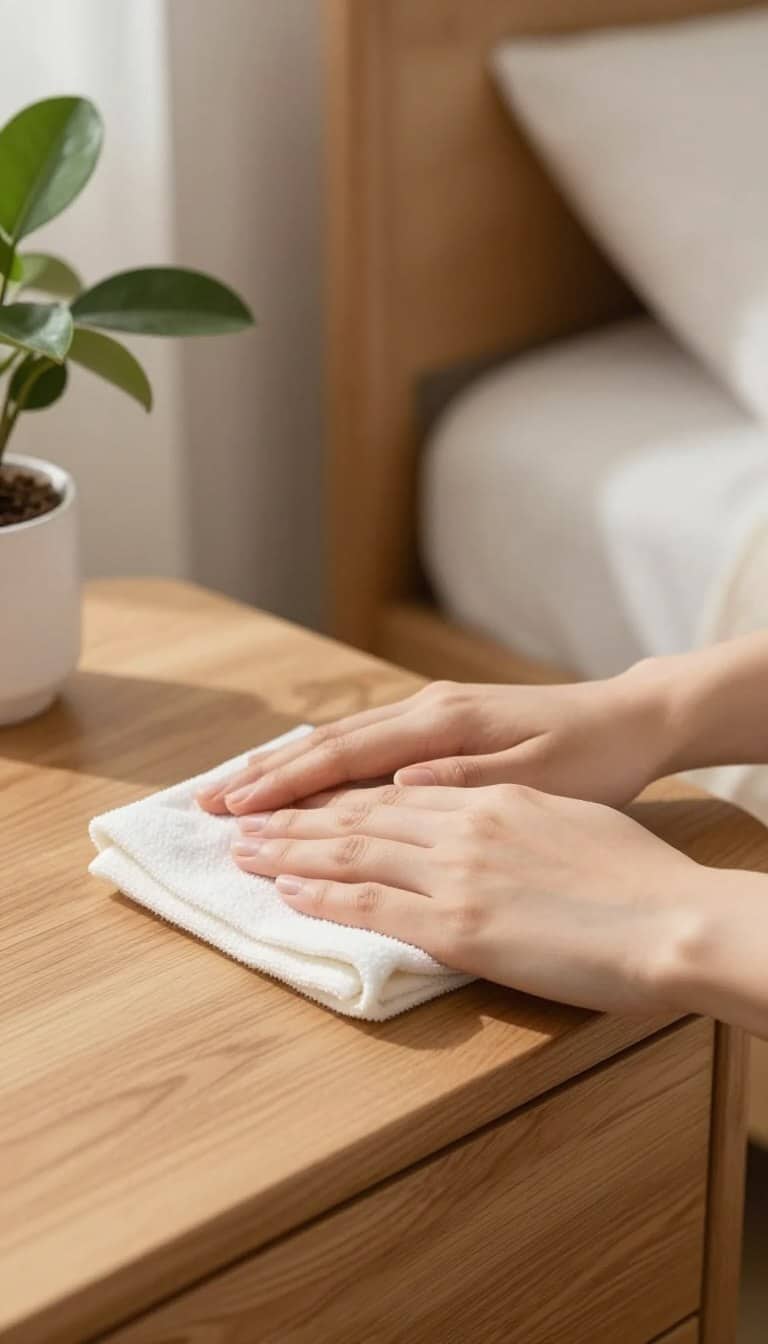
Choose a single surface: your bedside table, coffee table, or kitchen counter.
Focus: Clear everything off.
Wipe Down: Use a scent you love.
Return: Only what belongs.
That tiny reset creates immediate visual calm. The act of cleaning one small place helps reduce stress in your day. When clutter disappears from even one spot, your mind feels lighter.
This simple cleaning task takes less than five minutes. Yet the benefits of cleaning extend beyond the physical space. You gain a sense of control over your environment.
2. Open the Windows First

Fresh air changes everything.
Why It Works: Circulating air shifts stale energy.
Add: Soft music or a podcast.
Time: Even 10 minutes helps.
It signals that something new is beginning. Opening windows creates an immediate impact on your mood and the overall environment. Fresh air helps people feel more alert and present.
This is one of the most overlooked benefits of cleaning routines. Studies show that improving air quality in your home directly affects your mental health. Even in small apartments, proper ventilation makes a difference.
3. Make the Bed Like a Ritual

Instead of rushing, slow down and smooth each layer intentionally.
Straighten: Sheets and pillows.
Fluff: Cushions.
Finish: A small decorative touch.
A made bed anchors the whole room. This cleaning ritual provides a sense of accomplishment right at the start of your day. Women and men alike report feeling more in control when they complete this task.
Even though it seems minor, this form of self-care creates order in your most personal space. Professionals in mental health often recommend making your bed as a foundational habit.
4. Create a 15-Minute Reset Timer

Set a timer and clean one zone only.
Pick: Bathroom sink, entryway, or desk.
Stop When It Ends: No pressure to continue.
Repeat: Later if you feel like it.
Short bursts prevent overwhelm. Breaking cleaning into manageable cleaning tasks makes the process feel less daunting. This approach works especially well for people with busy life schedules.
The benefits of cleaning in time-limited sessions include reduced anxiety and increased energy. You maintain control without exhausting yourself. This method fits naturally into any cleaning routine.
5. Declutter One Drawer
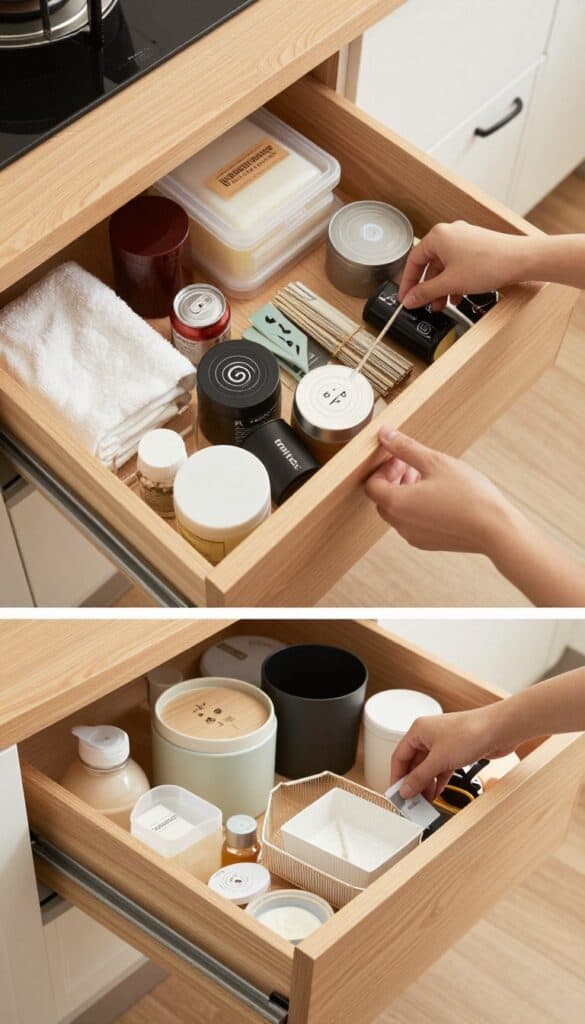
Don’t tackle the whole house—just one drawer.
Remove: Everything.
Keep: What you actually use.
Donate or Toss: The rest.
Small wins build momentum. Cleaning decluttering in one focused place provides immediate results. This simple act helps reduce stress by eliminating visual mess.
Research shows that clutter in your home directly affects your stress levels. Even though it’s tempting to tackle everything at once, starting with one drawer makes the task feel achievable. The sense of accomplishment you gain fuels motivation to continue.
6. Wipe Down Your Kitchen Sink

A clean sink feels surprisingly grounding.
Scrub: Basin and taps.
Polish: Stainless steel if applicable.
Step Back: Notice the shine.
It’s a small detail that feels powerful. This cleaning task takes only minutes but transforms the entire kitchen’s appearance. Many people underestimate the impact of a clean home starting point.
When your sink shines, it creates a ripple effect throughout your space. This form of self-care signals that you’re taking care of your environment. The benefits extend beyond aesthetics—you feel more capable and in control of your day.
Continue Your Self-Care Journey
Download our free 30-Day Mindful Cleaning Calendar and use simple daily rituals to bring more calm to your home and routine.
Download Free Calendar7. Refresh Soft Furnishings

Swap cushion covers, shake out throws, or lightly vacuum upholstery.
Instant Effect: Visual refresh.
Bonus: Add a seasonal scent.
Result: The room feels updated.
Tiny changes shift the atmosphere. This cleaning routine element requires minimal time but delivers maximum impact. Your living space transforms without major effort.
The physical activity involved in refreshing soft furnishings also provides benefits. Movement helps reduce stress and lifts your mood. These cleaning tasks engage your body gently while improving your environment.
8. Light a Candle After Cleaning

End your reset with something sensory.
Choose: Calming scents like lavender or citrus.
Pair With: A cup of tea.
Pause: Enjoy the stillness.
It marks the transition from effort to relaxation. This simple form of self-care signals that the cleaning process is complete. The act of lighting a candle creates a clear boundary between the task and rest time.
Scent has a powerful impact on your mental health. Studies link certain aromas to reduced anxiety and improved mood. This cleaning ritual ending helps your mind and body shift into a calmer state.
9. Clear the Entryway

Your entry sets the tone for the entire home.
Remove: Shoes and clutter.
Wipe: Surfaces.
Add: A simple tray or bowl for keys.
Walking into calm changes your mood instantly. The entryway creates your first impression each time you arrive home. When this space feels organized, everything else feels more manageable.
This cleaning task helps you maintain a sense of control from the moment you enter. The benefits of a clean entry extend to everyone in your house. Even though it’s a small area, the psychological impact is significant.
10. Do a “Visual Noise” Sweep

Stand in the room and look around. What feels loud or distracting?
Tidy: Loose cables.
Stack: Papers neatly.
Remove: One unnecessary item.
Less visual clutter equals less mental clutter. The mess we see affects our ability to focus and relax. Cleaning decluttering this way targets the things that drain your energy most.
This form of self-care addresses the hidden sources of stress in your environment. Many people don’t realize how much visual noise affects their daily life. Taking time to clear these distractions provides immediate relief.
11. Reset Your Bathroom Counter

Clear toiletries, wipe the surface, and put back only essentials.
Keep Out: Daily basics.
Store Away: Extras.
Add: A small plant or candle.
It turns a functional space into a calm one. Bathrooms often become cluttered with products and items we rarely use. This cleaning routine step reclaims that space.
A clean bathroom counter gives you a sense of accomplishment every morning. The benefits of this simple task extend throughout your day. Starting and ending each day in an organized environment improves your overall mental health.
12. Finish with a Gratitude Moment

After cleaning, pause.
Notice how the room feels.
Take a slow breath.
Appreciate the effort you just made.
Cleaning becomes less about perfection and more about care. This final step transforms the entire cleaning process into a true form of self-care. You acknowledge the work and the positive impact it created.
Gratitude practices are proven to improve mood and reduce stress. When combined with the physical act of cleaning, the benefits multiply. This isn’t just about having a clean home—it’s about honoring yourself.
A Gentle Shift in Perspective
When you approach cleaning as self-care rather than obligation, the energy changes. You’re not scrubbing for the sake of it—you’re creating space to think clearly, breathe deeply, and feel grounded.
You don’t need to reset the entire house in one day. Start small. One surface. One drawer. One room.
The calm builds from there.
The Connection Between Cleaning and Mental Health
Research consistently shows strong links between your physical environment and mental health. A study published in the Personality and Social Psychology Bulletin found that women who described their homes as cluttered or full of unfinished projects had higher levels of cortisol, the stress hormone.
The act of cleaning provides multiple benefits beyond a tidy space. Physical activity releases endorphins that naturally improve mood. The sense of accomplishment from completing cleaning tasks builds confidence and helps reduce anxiety.
When you clean your apartment or house, you’re also creating order in a world that often feels chaotic. This sense of control over your immediate environment can help offset feelings of helplessness about things you can’t change in life.
Why Cleaning Works as a Form of Self-Care
Unlike other forms of self-care that might feel indulgent or require extra time and resources, cleaning offers tangible results. The benefits accumulate with each task you complete.
Cleaning routines provide structure to your day. For professionals working from home, establishing boundaries through cleaning rituals helps separate work time from personal time. The simple act of tidying your desk signals your brain that the workday has ended.
Many people find the repetitive nature of cleaning tasks meditative. The rhythmic motions involved in wiping surfaces, folding laundry, or sweeping floors can quiet racing thoughts and provide a break from mental stress.
Creating Sustainable Cleaning Habits
The key to maintaining cleaning as a form of self-care is sustainability. You don’t need to deep-clean your entire home every day to experience the benefits.
Start with one or two cleaning tasks that make the biggest impact on your mood. For some people, that’s making the bed each morning. For others, it’s keeping the kitchen sink clear throughout the day.
Pay attention to which areas of your home affect your stress levels most. Clutter in your bedroom might disrupt sleep quality. A messy entryway might create anxiety before leaving the house. Target these high-impact zones first.
Remember that perfection isn’t the goal. Some days, you might complete all twelve tips. Other days, clearing one surface is enough. Both choices honor your current energy levels and count as self-care.
The Ripple Effect in Your Life
As your home becomes more organized, you’ll likely notice changes beyond the physical space. Many people report sleeping better in clean environments. Others find they save time because they’re not constantly searching for misplaced items.
The sense of accomplishment from maintaining your space can motivate you in other areas of life. Small wins create momentum. When you prove to yourself that you can maintain order in your home, tackling other challenges feels more manageable.
Cleaning as self-care also affects the people around you. In shared living spaces, your efforts often inspire others to contribute. The collective energy shift improves everyone’s mood and reduces household stress.
Your relationship with your home transforms when cleaning becomes care rather than obligation. Instead of resenting the mess, you see opportunities to create calm. The act of cleaning becomes an investment in your mental health and overall well-being.
Start wherever you are today. Choose one tip from this list and try it tomorrow. Notice how it feels. Build from there. The calm you create compounds over time, one small cleaning ritual at a time.