

Castor Oil: Your Guide to This Powerful Natural Ingredient
Ever wonder why your grandma used old remedies? Castor oil has been around for thousands of years. It was used in ancient Egypt and is now in your bathroom.
This oil comes from Ricinus communis seeds. It has ricinoleic acid, which is good for you. The beans have ricin, but it’s removed when the oil is made.
The FDA says it’s okay for constipation. Most of it is made in India, just like in Cleopatra’s time.

One tablespoon has 120 calories and 14g of fat. It also has vitamin E and omega fatty acids. It’s not just for looks; it’s for real health benefits.
Let’s look at the real castor oil benefits and uses. It might just become a part of your daily life.
Key Takeaways
- This natural extract has been used medicinally for thousands of years, dating back to ancient Egypt
- The toxic ricin found in raw seeds is completely removed through heating during production, making it safe to use
- Ricinoleic acid is the active fatty acid responsible for most therapeutic properties
- The FDA approves it as a safe treatment for constipation
- One tablespoon contains 120 calories, healthy fats, vitamin E, and omega fatty acids
- India produces most of the world’s supply today
1. What Makes Castor Oil a Standout Natural Remedy

Let’s talk about what makes castor oil special. It’s not just a trend. Castor oil has real science behind it and a long history. You should know what you’re putting on your skin and why it works.
Knowing the basics helps you make better choices. When you understand where castor oil comes from, you can find good products. Plus, its story is really interesting.
The Origins and Extraction Process
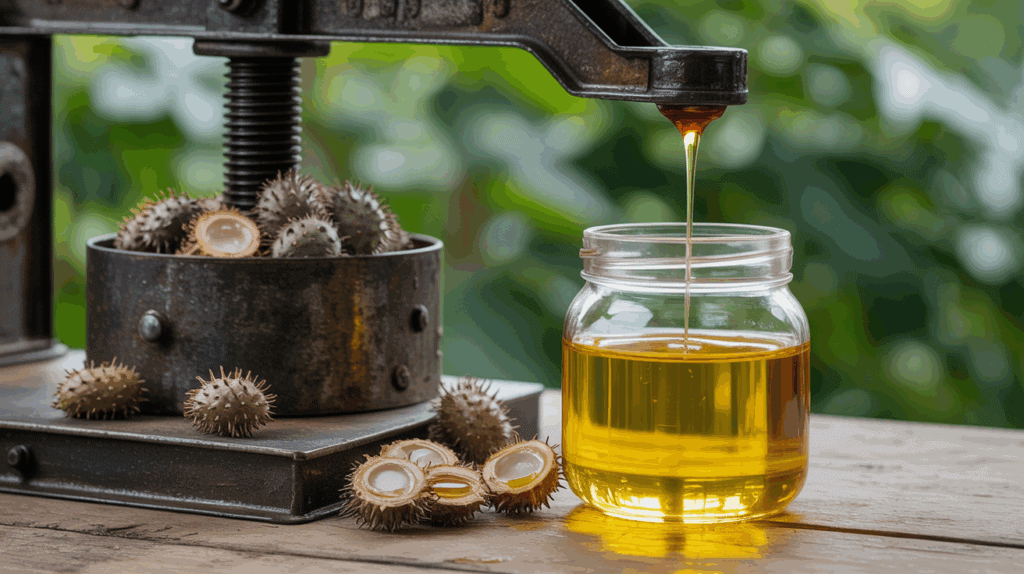
Castor oil comes from the seeds of the castor plant, known as Ricinus communis. This plant loves warm weather, and India grows the most. India is like the castor oil headquarters.
Raw castor beans have ricin, which is very toxic. But the extraction process makes it safe. The heating and pressing methods get rid of the ricin, making the oil safe to use.
The seeds are pressed to get the oil. Cold-pressed organic castor oil is the best because it keeps more nutrients. It’s made without chemicals.
Why does this matter for your skin? The way it’s made affects its quality. Bad methods can ruin some of the good stuff. That’s why reading labels is important.
Key Components: Ricinoleic Acid and Its Properties

Ricinoleic acid is the star of castor oil. It’s in about 90% of the oil. This is more than other oils.
This acid helps calm irritated skin and reduce redness. It also fights bacteria that cause breakouts. It’s good for acne and minor wounds.
But there’s more to castor oil. It also has other fatty acids, vitamin E, and antioxidants. These help fight free radicals and protect the skin.
| Component | Percentage | Primary Benefit | How It Works |
|---|---|---|---|
| Ricinoleic Acid | 85–95% | Anti-inflammatory & antimicrobial | Penetrates skin deeply, reduces inflammation, fights bacteria |
| Oleic Acid | 2–6% | Moisture retention | Acts as emollient, softens skin texture |
| Linoleic Acid | 1–5% | Barrier support | Strengthens skin’s protective layer |
| Vitamin E & Antioxidants | 1–3% | Anti-aging protection | Neutralizes free radicals, prevents oxidative damage |
Castor oil also keeps your skin moist. It draws moisture from the air without being greasy. This is why it’s great for dry skin and chapped lips.
It also helps your skin stay elastic and firm. As we get older, our skin makes less collagen. Castor oil helps with that.
Why Castor Oil Has Stood the Test of Time

Ancient Egyptians used castor oil for beauty and medicine. They even used it to brighten their eyes. Cleopatra was a big fan.
Castor oil has been used in many cultures for a long time. It’s been in Ayurvedic medicine, traditional Chinese healing, and European folk remedies. Its long history is proof of its value.
Your great-aunt probably had castor oil in her cabinet. It’s not just old-fashioned. It’s because it really works.
Today, we know why castor oil is good for you. Modern science has confirmed its benefits. We understand how it works at a molecular level.
The beauty industry changes fast, but castor oil stays the same. It’s not trendy, but it’s reliable and works well.
Castor oil is easy to find, affordable, and effective. You don’t need fancy products. A good castor oil can do a lot for your skin and hair.
The science and history of castor oil are both strong. Your wallet will like the price too. You get the best of both worlds in one bottle.
2. Comprehensive Castor Oil Benefits for Health and Beauty
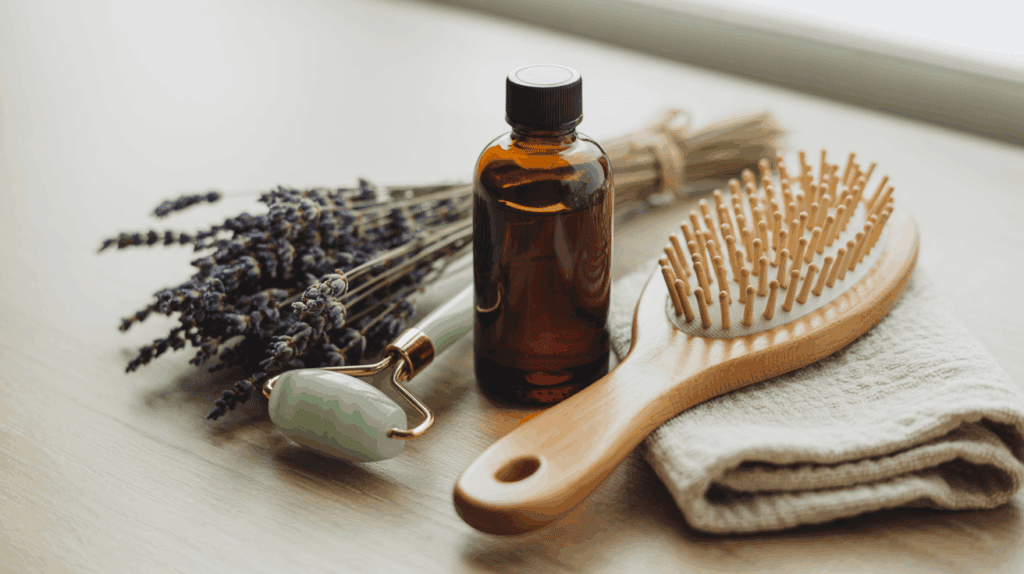
Let’s get real about castor oil. You’ve seen lots of claims online. Some are true, backed by science and history. Others? Just wishful thinking.
Castor oil has real benefits in some areas but not all. We’ll explore what works, what might work for you, and what’s just marketing.
Transformative Benefits for Skin Health
Castor oil is great for your skin. It’s known for its skin-saving properties, but not always for the reasons you think.
Moisturizing and Anti-Aging Effects

Castor oil is amazing for skin moisturizing. Ricinoleic acid, a key part of the oil, acts like a moisture magnet.
This means your skin gets hydrated without feeling greasy. It locks in moisture, keeping your skin healthy.
Vitamin E and antioxidants in castor oil fight free radicals. These molecules damage your skin cells, making you look older. Castor oil reduces fine lines and wrinkles.
It also helps your skin produce collagen and elastin. This makes your skin look better, but it won’t erase years of sun damage.
Treating Acne and Skin Conditions
Castor oil’s effects on acne are mixed. Some people swear by it, while others have concerns.
It should help with acne because it fights bacteria. But there’s no solid research to back this up. It might work for some, but not everyone.
Castor oil’s thick consistency can trap bacteria and oil, making acne worse.
If you try it for acne, do a patch test first. Mix it with a lighter oil. And listen to your skin if it reacts badly.
Hair and Scalp Nourishment

Now, let’s talk about castor oil for hair growth. This topic is everywhere, but what’s the truth?
Promoting Hair Growth and Thickness
Castor oil actually moisturizes your hair well. It makes hair more flexible and less prone to breakage. This means you keep more hair length.
But, there’s no science backing up claims it grows hair or reduces loss. It’s not a miracle cure.
People love it because it makes hair look healthier. It’s not growing more hair, but it’s keeping what you have.
The thickness claims are also exaggerated. Your hair isn’t getting thicker. It just looks fuller because it’s better hydrated.
Addressing Dandruff and Dry Scalp
Castor oil can help with dry scalp issues. It moisturizes well, which is great for flaky scalps.
But, it’s not proven to treat dandruff. Dandruff needs specific treatment, not just moisturizing.
One warning: castor oil can cause acute hair felting in long hair. This makes hair very tangled. Use it carefully if you have long hair.
| Hair Benefit Claim | Scientific Evidence | Actual Effect |
|---|---|---|
| Promotes hair growth | None available | Moisturizes hair, reduces breakage |
| Thickens hair strands | None available | Makes hair appear fuller through hydration |
| Treats dandruff | None available | Moisturizes dry scalp only |
| Reduces hair loss | None available | May reduce breakage-related loss |
Internal Wellness and Digestive Support

Castor oil is a clear winner for digestive health. It’s approved by the FDA as a natural laxative.
When taken orally, ricinoleic acid in castor oil helps move stool through your colon. It’s fast and effective, used for thousands of years.
Doctors use it for colon cleansing before procedures. It works well.
But, castor oil for constipation isn’t for casual use. It can cause side effects like cramps and diarrhea.
- Abdominal cramping and discomfort
- Diarrhea (sometimes severe)
- Nausea and vomiting
- Bloating and gas
- Dizziness and electrolyte imbalance
It’s for occasional constipation only. Never use it without knowing the right dose. And skip it if you have certain health issues.
Castor oil is good for moisturizing skin, conditioning hair, and relieving constipation. But it’s not a miracle cure. Use it wisely for real results.
3. Choosing the Right Type of Castor Oil for Your Needs
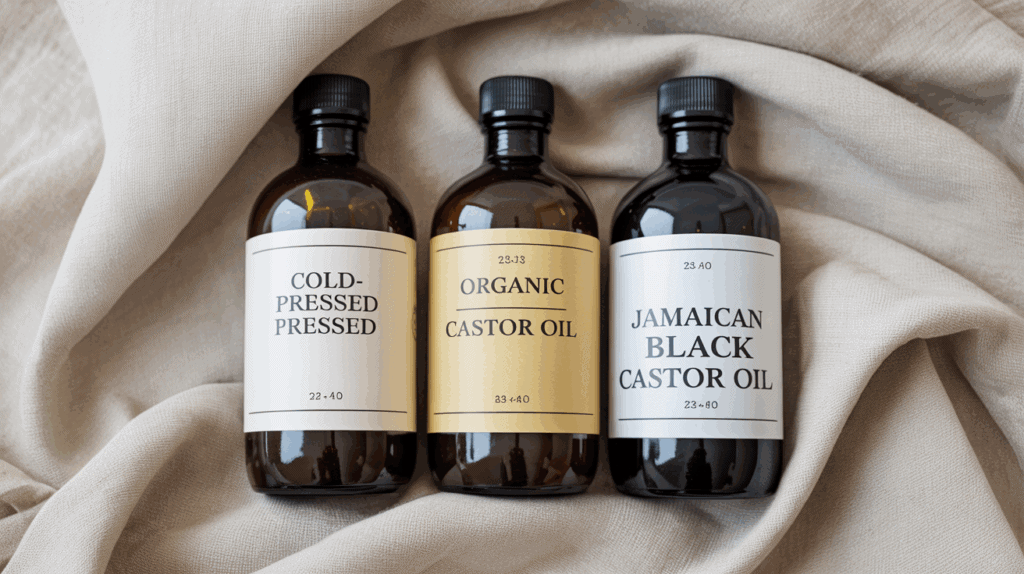
Before buying castor oil, think about what makes it good. The quality of castor oil affects how well it works and how your skin reacts.
Choosing castor oil is like picking olive oil. You wouldn’t pick a cheap bottle for health benefits, right? The same goes for castor oil.
Cold-Pressed Castor Oil: The Gold Standard
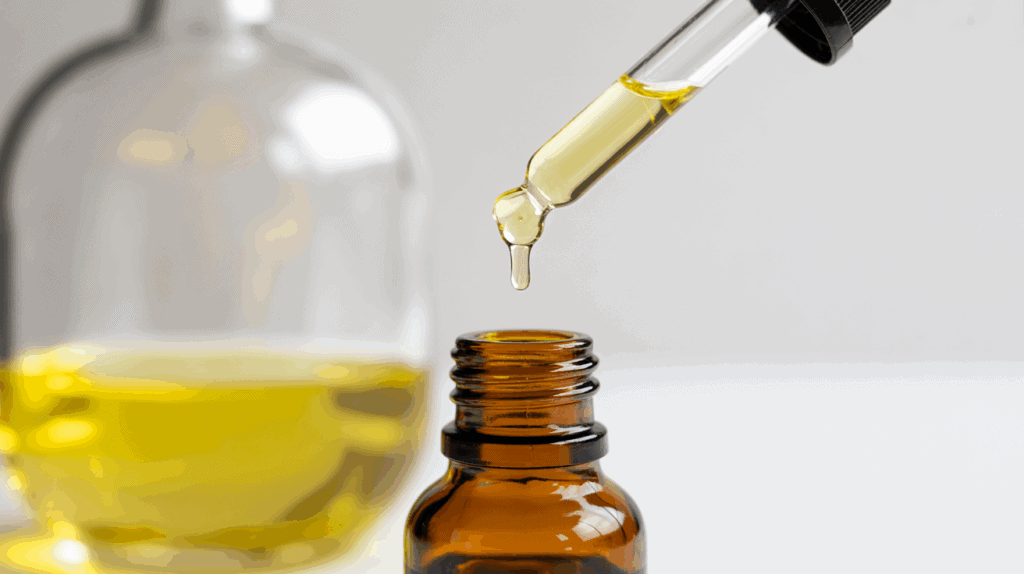
Cold-pressed castor oil is the best quality. It’s made without heat or chemicals. This keeps the oil’s good stuff in.
This method keeps the oil’s benefits. Ricinoleic acid and fatty acids stay strong.
Think of it like orange juice. Cold-pressed castor oil keeps more of the good stuff.
The color and feel of the oil tell you a lot. Good cold-pressed oil is pale yellow and smooth. If it’s too clear or thin, it’s not good.
Cold-pressed oil costs more, $12 to $25 for 16 ounces. But it’s worth it for your skin or health.
Organic Castor Oil and Why Purity Matters
Organic castor oil is pure. It’s made without harmful chemicals. This is important for your skin.
What you put on your skin goes into your body. Chemicals can cause problems. Organic oil avoids these issues.
“The skin is not a barrier but a pathway. What we apply topically can affect our internal systems, making ingredient purity essential for long-term wellness.”
Organic castor oil is checked by third parties. Look for USDA Organic or similar labels. These show it’s really organic.
Is organic worth it? Yes, for your face, health, or kids. For general use, regular cold-pressed might be enough.
Organic costs $3 to $8 more. It’s a small price for safety and quality.
Jamaican Black Castor Oil: Unique Benefits and Uses

Jamaican black castor oil is thick and dark. It smells roasted. This is because of how it’s made.
It’s made by roasting the beans first. This makes it dark and adds ash. The ash changes the oil’s pH and makes it thicker.
It’s great for hair. People say it makes hair grow thicker. The ash helps the oil get into hair better.
Does it work better than regular oil? It depends. Some see big hair improvements. Others don’t notice a difference.
It’s thick, so it’s hard to wash out. It’s good for thick hair. But thin hair might not like it.
Jamaican black castor oil costs $15 to $30 for 8 ounces. The price is because of the special making process.
How to Read Labels and Select Quality Products
Knowing how to read labels changes everything. Brands often use confusing terms.
Look for a short ingredient list. You should only see castor seed oil. No additives or fragrances.
Watch for “hexane-free” and “first press.” These mean no chemicals were used. “Virgin” doesn’t mean the same as for olive oil. Look for cold-pressed and organic instead.
For good advice on choosing castor oil, check these label things:
- Extraction method: Should say “cold-pressed” or “expeller-pressed”
- Certification seals: Look for USDA Organic, Non-GMO Project Verified, or similar
- Country of origin: India makes most castor oil; check where it’s from
- Bottle material: Dark glass is better than plastic
- Expiration date: Good brands show this; castor oil lasts 1-2 years
Price can tell you quality, but not always. Cheap oil might be bad. But the most expensive isn’t always the best.
The best price for quality products is $10 to $20 for 16 ounces. If it’s more, it’s likely for marketing.
| Castor Oil Type | Best For | Key Features | Price Range |
|---|---|---|---|
| Cold-Pressed | All-purpose use, sensitive skin, internal consumption | Maximum nutrient retention, pale yellow color, no chemicals | $12–$25 per 16 oz |
| Organic | Facial applications, children, health-conscious users | No pesticide residues, third-party certified, highest purity | $15–$28 per 16 oz |
| Jamaican Black | Thick/curly hair, scalp treatments, traditional applications | Roasted processing, high ash content, thick consistency | $15–$30 per 8 oz |
| Standard Commercial | Body moisturizing, general use, budget applications | Heat or chemical extracted, may contain additives, lighter texture | $6–$12 per 16 oz |
Watch out for vague terms like “pure” without details. Missing ingredient lists or too-good-to-be-true claims are red flags. Trust your doubts.
Keep your castor oil in a cool, dark place. Heat and light can damage it. This keeps it effective.
Knowing the differences helps you pick the right castor oil. Whether it’s cold-pressed castor oil, organic castor oil, or Jamaican black castor oil, you’ll know why it’s good.
4. Practical Application Guide: How to Use Castor Oil Effectively

Let’s get practical. The difference between success and disaster with castor oil is in how you use it. You can buy the best oil, but if you apply it wrong, you won’t see results. You might end up with greasy hair, clogged pores, or a messy bathroom.
This section shows you real-world application methods that work. We’ll cover how much oil you need and the best times to apply it without disrupting your day.
Think of this as your guide. It has realistic expectations and tips for solving problems.
Castor Oil for Hair Growth: Step-by-Step Application

Using castor oil for hair growth needs patience and the right technique. The oil is thick, so you can’t just pour it on. You need a plan that maximizes absorption and minimizes mess.
Start with clean hair and scalp. This is more important than most people think. Applying castor oil to dirty hair means it sits on top of buildup, not penetrating where it’s needed.
Here’s your step-by-step process:
- Warm the oil by rubbing a small amount between your palms — this makes it less viscous and easier to distribute
- Section your hair into manageable parts so you can reach every area of your scalp
- Apply directly to the scalp using your fingertips, not to the hair shaft (unless you’re treating dry ends)
- Use less than you think — start with a teaspoon and add more only if needed
- Mix with lighter carrier oils like jojoba or coconut if the thickness is overwhelming
The massage is as important as the oil itself. Proper scalp massage boosts circulation, helping deliver nutrients to hair follicles and improving oil penetration.
Use circular motions with gentle to moderate pressure. Start at your hairline and work backward toward the crown. Then move to the sides and back of your head.
Apply upward pressure, not side to side. This stimulates blood flow without tangling your hair or irritating your scalp. Spend at least 5-10 minutes on the massage — this isn’t a quick rub-through.
Focus extra attention on areas where you want to see the most growth. If you’re dealing with thinning at the temples or crown, spend additional time massaging those zones.
Best Practices and Frequency
More castor oil doesn’t mean faster results. In fact, overuse can lead to product buildup that actually blocks hair follicles.
Start with once or twice per week. Many people opt for overnight treatments, covering their hair with a shower cap to protect their pillowcase. Just know that washing out castor oil in the morning takes effort — plan for extra shower time.
If overnight treatments don’t fit your schedule, try a 30-minute to 2-hour treatment before your regular wash day. You’ll need to shampoo twice (maybe three times) to fully remove the oil. A warm, damp cloth can help lift excess oil before shampooing.
Give it time. If castor oil works for you, expect to wait at least 3-6 months before seeing noticeable changes. Hair grows slowly, and no oil can change that biological reality.
Using Castor Oil for Skin Care
Castor oil for skin works differently than most moisturizers. Its thick consistency and unique fatty acid profile mean you need to adjust your application method based on your skin type and goals.
Always apply to clean, dry skin. This gives the oil direct access to your pores, not mixing with leftover makeup or other products.
The key principle: less is more. A few drops go surprisingly far when you warm them between your fingers first.
Facial Application Methods
For facial use, your skin type determines your approach. If you have dry or mature skin, you can use castor oil more liberally. Mix 2-3 drops with your regular moisturizer or apply directly to dry patches.
If you have oily or acne-prone skin, dilution is critical. Mix castor oil with lighter oils like jojoba that mimic your skin’s natural sebum. A good ratio is 1 part castor oil to 3 parts jojoba or grapeseed oil.
Application technique matters:
- Warm a few drops between your fingertips until the oil feels less thick
- Apply using upward, circular motions starting at your chin and moving toward your forehead
- Pat gently around delicate areas like under your eyes, not rubbing
- Allow full absorption before applying makeup — give it at least 10-15 minutes
You can use castor oil morning and evening, though many people find once daily (at night) works better. Morning application can make makeup application tricky if you don’t wait long enough for absorption.
For DIY face masks, combine castor oil with ingredients that balance its thickness. Popular combinations include castor oil with honey and lemon juice for brightening, or with mashed avocado for extra hydration.
Body Moisturizing and Massage
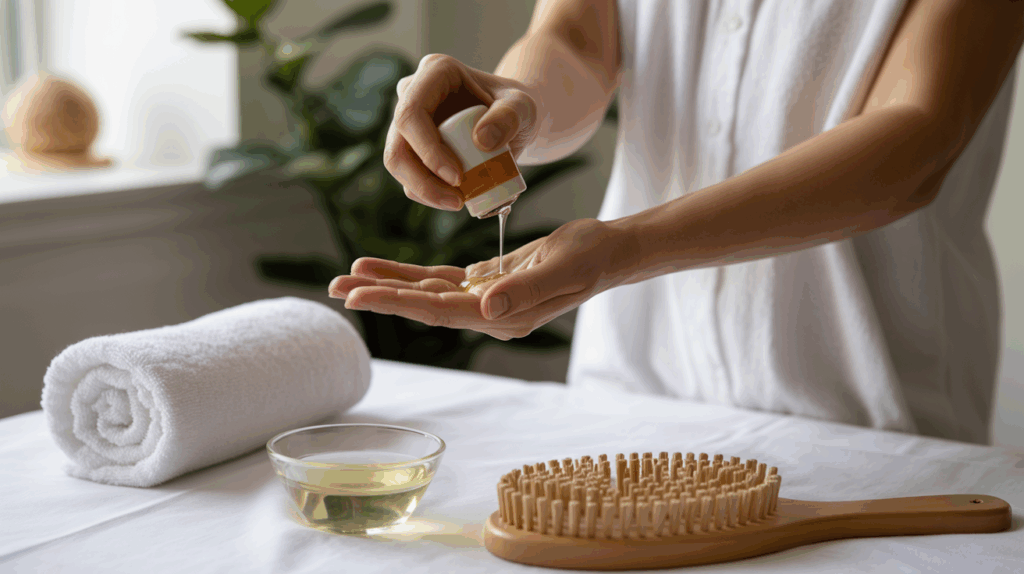
Using castor oil on your body requires a different strategy than facial application. The larger surface area means you’ll need more oil, but straight castor oil can be impractical and messy.
Mix castor oil into your regular body lotion. This dilutes the thickness while boosting your moisturizer’s hydrating power. A good ratio is 1 tablespoon of castor oil per 8 ounces of body lotion.
For targeted areas like elbows, knees, or heels, apply undiluted castor oil and massage in circular motions. The massage technique helps the oil penetrate, not just sit on your skin’s surface.
Apply to slightly damp skin right after showering. This helps lock in moisture and makes the oil spread more easily. Give yourself a few minutes to let it absorb before getting dressed — trust me on this one.
Castor Oil for Eyelashes and Eyebrows

Let’s address this upfront: there’s no scientific evidence that castor oil grows longer or thicker eyelashes and eyebrows. The studies simply don’t exist. That said, many people swear by it, and proper hydration can improve the appearance of existing lashes.
If you want to try castor oil for eyelashes despite the lack of research, application technique is critical. This is your eye area — one wrong move and you’re dealing with stinging, irritation, or worse.
Safe Application Techniques
Never apply castor oil directly from the bottle to your lashes. You need a clean applicator for precise, controlled application.
Use a clean mascara wand or a cotton swab. If you’re reusing a mascara wand, wash it thoroughly with soap and water first, then let it dry completely.
Here’s the safe approach:
- Start with a tiny amount — dip your applicator and wipe off the excess
- Apply to the base of your upper lashes like you would liquid eyeliner, not to the lash tips
- Avoid the lower lash line initially until you know how your eyes react
- Keep oil away from your actual eyeball — if any drips in, flush immediately with water
- For eyebrows, use a clean spoolie brush and work the oil through the entire brow
Apply at night before bed. This gives the oil time to work without interfering with makeup. Just be aware it might transfer to your pillowcase.
Stop immediately if you experience redness, itching, or any irritation. Some people are sensitive to castor oil near their eyes, and that’s okay — it’s not worth damaging your eye health.
Expected Results and Timeline
Managing expectations is important here. If you see results at all, you’re looking at months of consistent daily use, not weeks.
Most people who claim success report noticing changes after 3-6 months. Even then, the “results” are often subtle — maybe slightly fuller-looking lashes or fewer gaps in eyebrows.
What castor oil might do is condition existing lashes, making them appear healthier and potentially reducing breakage. What it definitely won’t do is create lashes where none exist or dramatically increase lash length.
If you want options with actual research backing them, consider peptide-based lash serums instead. They’re pricier, but the science is stronger.
Castor Oil for Constipation: Internal Use Guidelines

Now we get serious. Using castor oil for constipation means consuming it internally, which carries real risks if done incorrectly. This isn’t like applying it to your hair — mistakes here can lead to dangerous complications.
Castor oil is FDA-approved as a stimulant laxative for temporary constipation relief. It works by stimulating intestinal contractions, typically producing results within 6-12 hours.
But here’s what you need to understand: this is for occasional constipation only. Not regular use. Not long-term management. Occasional relief when other methods haven’t worked.
Proper Dosage and Timing
Dosage matters critically. Too little won’t work; too much can cause severe side effects.
Typical adult dosage ranges from 1-2 tablespoons taken on an empty stomach. Children should only take castor oil under medical supervision with appropriate pediatric dosing.
Timing is equally important. Take castor oil at a time when you can be near a bathroom for the next several hours. Most people take it in the morning, as it typically works within 6-12 hours.
Do not take it right before bed unless you enjoy midnight bathroom emergencies. Plan ahead.
Take castor oil several hours before or after other medications. Laxatives can interfere with drug absorption, potentially making your medications less effective.
| Timing Factor | Recommendation | Why It Matters |
|---|---|---|
| Food intake | Empty stomach | Works faster and more effectively |
| Time of day | Morning preferred | Results occur during waking hours |
| Other medications | 2–3 hours apart | Prevents absorption interference |
| Expected onset | 6–12 hours | Plan bathroom access |
Important Safety Precautions
This section contains critical warnings. Read carefully and take them seriously.
Do NOT use castor oil internally if you:
- Are pregnant (can induce labor and cause serious complications)
- Have any gastrointestinal conditions like IBS, Crohn’s disease, or ulcerative colitis
- Have appendicitis or any abdominal pain of unknown origin
- Are experiencing nausea or vomiting
- Have used it within the past week
Side effects are common and include cramping, diarrhea, nausea, vomiting, bloating, and dizziness. If side effects are severe or persistent, seek medical attention.
Long-term use of any stimulant laxative, including castor oil, can damage your intestines and create laxative dependence. Your body can “forget” how to have normal bowel movements without chemical stimulation.
Signs of overdose or dangerous reactions include severe cramping, bloody stools, severe diarrhea leading to dehydration, chest pain, or difficulty breathing. These require immediate emergency care.
Before using castor oil for constipation, try gentler approaches first: increase water intake, add more fiber to your diet, exercise regularly, and establish consistent bathroom routines. Save castor oil as a last resort, not a first option.
When in doubt, consult your healthcare provider. This is essential if you take regular medications, have any chronic health conditions, or if constipation is a recurring problem that needs proper medical evaluation.
5. Conclusion

Let’s talk about what castor oil really does. It’s good for moisturizing and helps with constipation. It also has anti-inflammatory properties. These are facts, not just claims.
The claims about hair growth and longer eyelashes? Those are just dreams. There’s no real science to back them up. Your favorite wellness influencer might be wrong.
Try castor oil if you want a natural moisturizer or need to ease constipation. It’s great for dry skin and split ends. It can help make your skin and hair look better.
But be careful if you have oily or acne-prone skin. Castor oil’s thick texture might not be good for you. Don’t take it if you’re pregnant or have digestive problems.
Always check with your doctor before using castor oil for health issues. They can tell you if it’s safe for you. Changing your diet and lifestyle might help more than laxatives.
Castor oil is just one part of taking care of yourself. It works best with drinking water, eating right, and taking care of your skin. And don’t forget to see a doctor when you need to.
You deserve to know the truth about castor oil. Make your choices based on facts and what’s best for you. That’s how you take care of yourself the right way.
FAQ
Is castor oil safe to use despite coming from toxic castor beans?
Yes, it is safe. The heating process during oil extraction removes the toxin. It’s like cooking kidney beans to remove toxins. The oil is FDA-approved for use when used correctly.
Does castor oil actually promote hair growth or is that just hype?
There’s no scientific evidence it grows hair faster. But, it moisturizes your scalp and hair, reducing breakage. This makes your hair look healthier and fuller.
Can I use castor oil on my face if I have oily or acne-prone skin?
Use it with caution. It can clog pores. Start with a small patch test and dilute it with a lighter oil. Watch for breakouts.
What’s the difference between regular castor oil and Jamaican black castor oil?
Jamaican black oil is roasted, giving it a dark color and scent. It’s believed to be more effective for hair. But, there’s no scientific proof. Choose based on personal preference.
How much castor oil should I use for an overnight hair treatment?
Use 1-2 tablespoons for shoulder-length hair. Mix it with a lighter oil for easier application. Apply it to your scalp and roots.
Is organic castor oil worth the extra money?
Yes, for face and internal use. It’s worth the investment for purity. For body moisturizing, it’s nice but not essential.
Can castor oil really help me grow longer eyelashes?
There’s no scientific proof. But, many people try it. It’s inexpensive and safe. Be patient and realistic.
How quickly does castor oil work as a laxative and how much should I take?
It works in 6-12 hours. Start with 1-2 tablespoons. It’s strong, so expect cramping and frequent bathroom trips.
What’s cold-pressed castor oil and why does it matter?
It’s extracted without heat or chemicals. This preserves nutrients and quality. Look for “cold-pressed” on the label.
Can castor oil cause hair felting and what is that exactly?
Yes, it can cause hair felting. Use it sparingly and dilute it. Avoid rough handling and long-term application.
Should I dilute castor oil or can I use it straight from the bottle?
Dilute it for easier use. It’s thick and sticky. Mix it with a lighter oil for better application and washout.
Does castor oil expire and how should I store it?
Yes, it expires in 1-2 years. Store it in a cool, dark place. Keep the cap tight to prevent oxidation.
Can I use castor oil during pregnancy or while breastfeeding?
Topical use is generally safe. But, never take it internally during pregnancy. It can trigger uterine contractions.
Will castor oil help with my dandruff or seborrheic dermatitis?
Maybe, but it’s not proven. It might soothe a dry scalp. But, it won’t treat dandruff or seborrheic dermatitis.
Can castor oil interact with medications or cause allergic reactions?
Yes, it can interact with medications and cause allergic reactions. Be cautious and do a patch test before using it extensively.