
15 Bullet Journal Page Ideas for Beginners (Simple, Calm & Zero Pressure)
Starting a bullet journal can feel exciting… and oddly intimidating. You open a fresh notebook, stare at the blank page, and suddenly wonder if you need perfect handwriting, colour-coded pens, or a degree in stationery design.
You don’t.
A bullet journal is meant to support your life, not stress you out. This guide is focused on simple, practical pages that beginners actually use and come back to. No artistic skills required. No complicated layouts. Just pages that help you organise your thoughts, track what matters, and feel a little more grounded.
If you’re brand new, start with two or three pages only and build from there.
1. Simple Monthly Overview
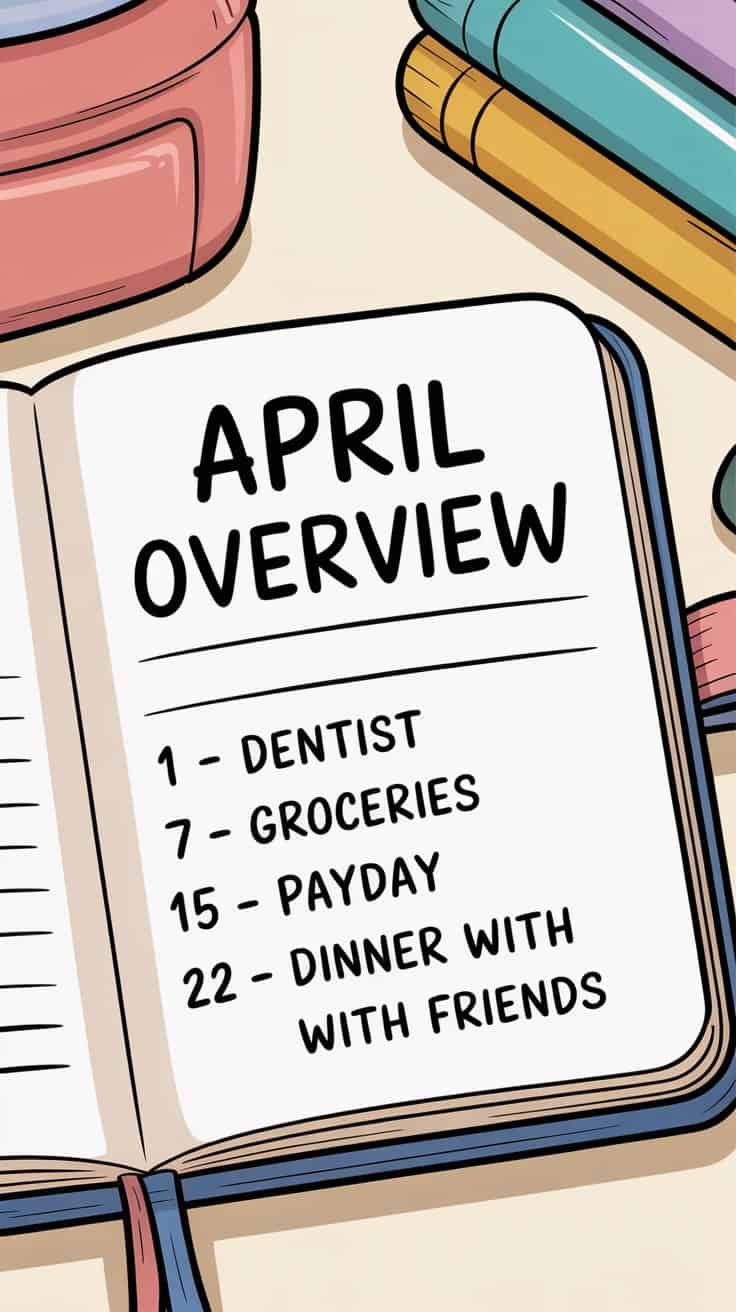
This page gives you a calm, big-picture view of the month ahead.
Write the month at the top and list key dates, appointments, or priorities underneath. Keep it flexible—plans change, and that’s normal.
Why it works:
• Helps you see the month at a glance
• Prevents overplanning
• Easy to update without stress
Beginner tip: Pencil or erasable pen keeps this page low-pressure.
2. Daily Log (The Heart of Bullet Journaling)
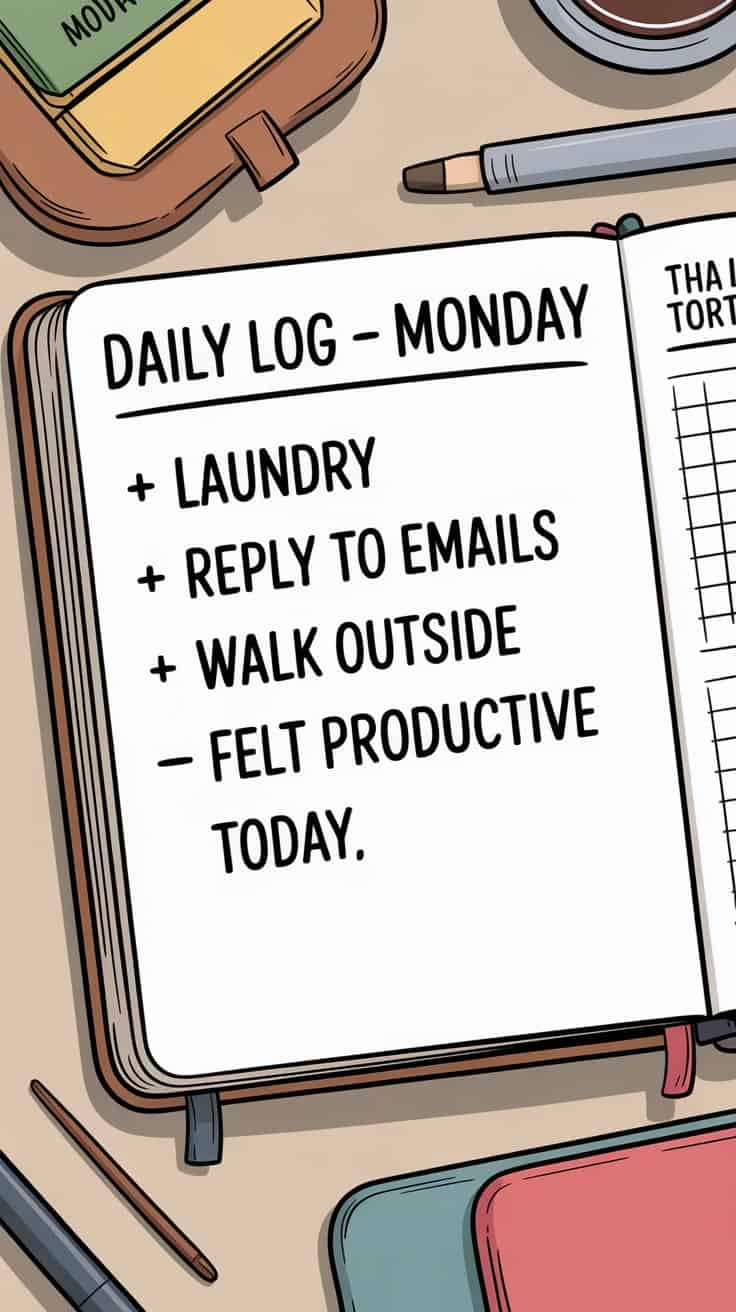
The daily log is where most of your journaling happens.
Write the date and jot down tasks, notes, reminders, or thoughts as they come up. Use simple symbols if you like, but don’t overthink it.
Helpful symbols to try:
• Tasks
— Notes
○ Events
Messy pages are a sign you’re using your journal correctly.
3. Weekly To-Do Dump

Instead of planning every day perfectly, create one weekly page to dump everything on your mind.
This is ideal if your schedule changes often or you prefer flexibility over structure.
Why beginners love it:
• Less pressure
• No “failed” plans
• Easy to adapt as the week unfolds
4. Easy Mood Tracker

Skip the complicated charts and colouring systems.
Write the days of the month in a list and note one word per day—calm, tired, productive, overwhelmed, content. Over time, patterns appear naturally.
5. Simple Habit Tracker
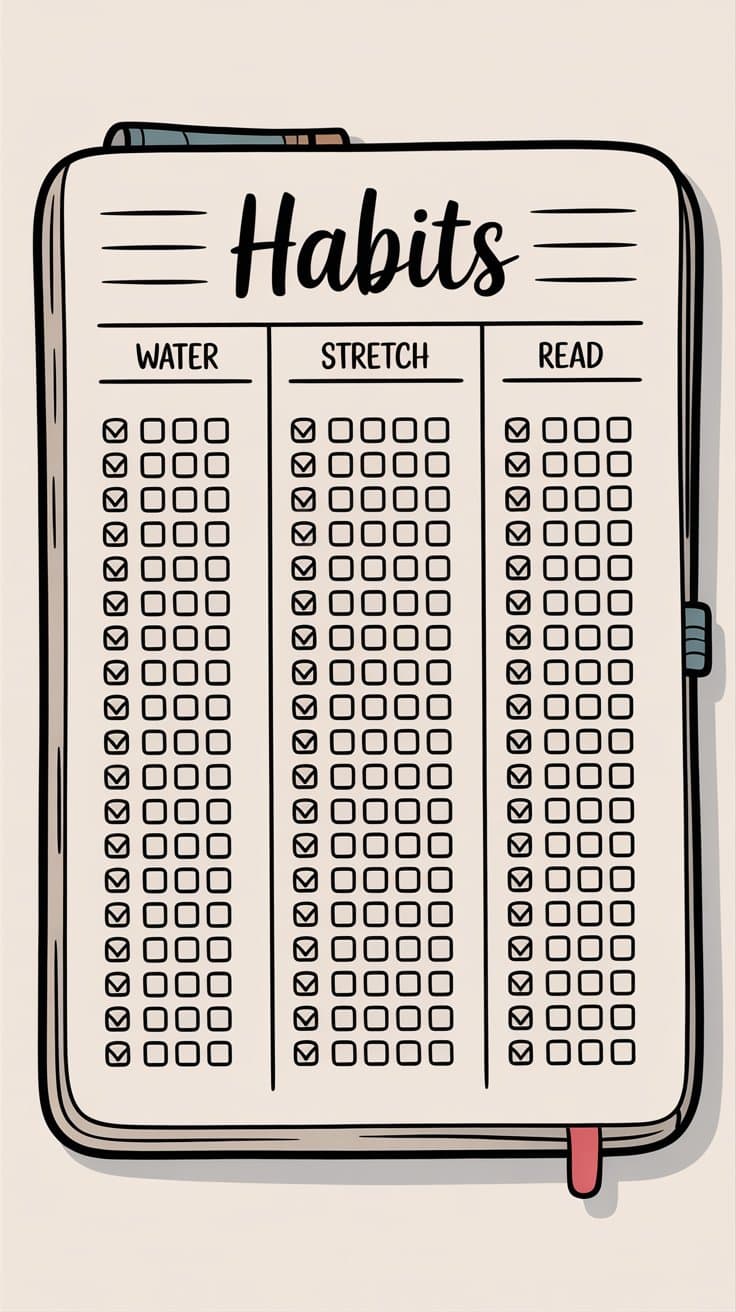
More habits don’t equal better results.
Choose one to three habits max and track them in a small grid. This keeps the page encouraging instead of overwhelming.
Good beginner habits include:
• Drinking water
• Stretching
• Reading a few pages
6. Daily Gratitude Page

This doesn’t need to be deep or poetic.
Write one thing per day that you appreciated. Coffee, quiet moments, finishing a task—it all counts.
Why it helps:
• Takes under a minute
• Easy to stay consistent
• Gently shifts your focus
7. Brain Dump Page

This page is your mental reset button.
Use it whenever your head feels full. Write everything down—tasks, worries, ideas, reminders—with no order or structure.
You’ll be surprised how calming this page can be.
8. Weekly Reflection


At the end of the week, answer three simple prompts:
• What went well?
• What felt hard?
• One thing I learned
Short answers are perfect. This page helps you reflect without overanalysing.
9. Monthly Goals Page

Write three to five gentle goals for the month.
These aren’t rigid promises—they’re intentions. Think direction, not perfection.
Examples:
• Move a little more
• Rest better
• Finish one small project
10. Self-Care Check-In
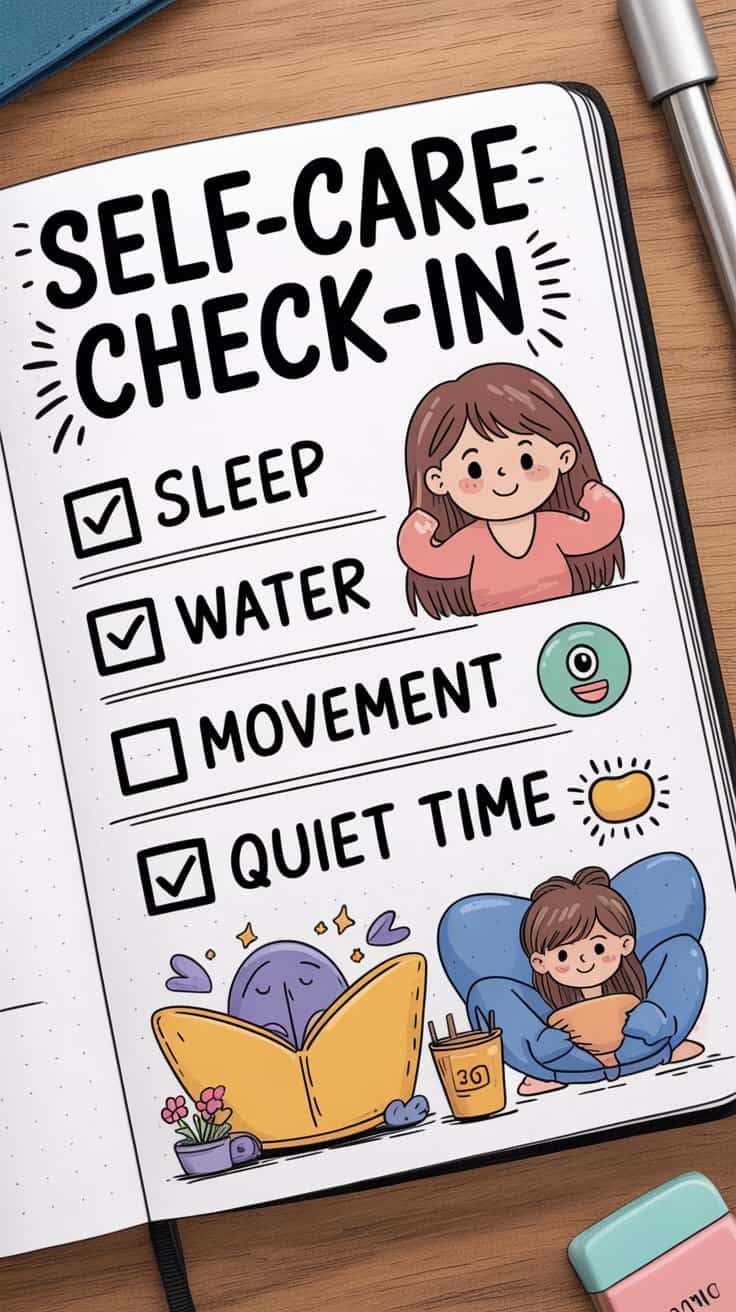
Instead of tracking everything, focus on basics that support your wellbeing.
You might include:
• Sleep
• Water
• Movement
• Quiet time
Check in once or twice a week to notice—not judge—how you’re doing.
11. “Currently” Page
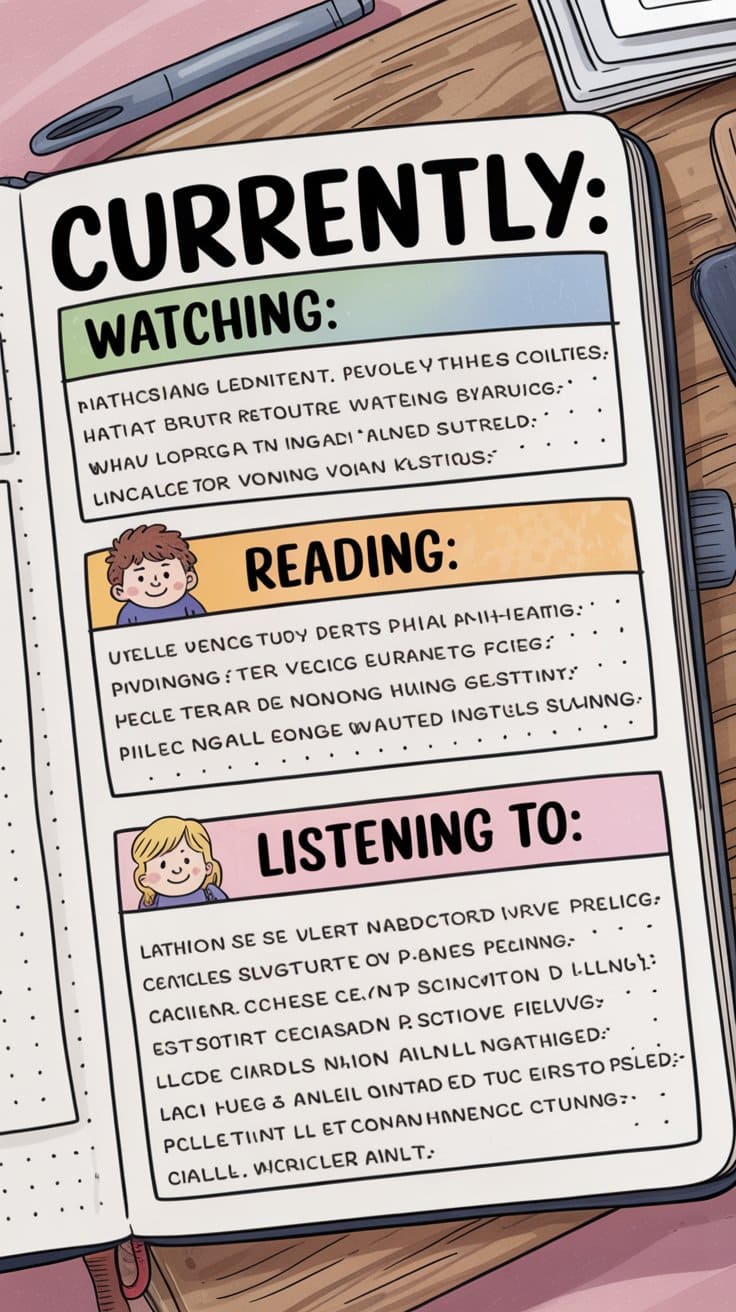
This is one of the easiest and most enjoyable pages to keep.
Divide the page into simple sections like:
• Watching
• Reading
• Listening to
• Enjoying
It becomes a lovely snapshot of your life over time.
12. Notes & Ideas Page
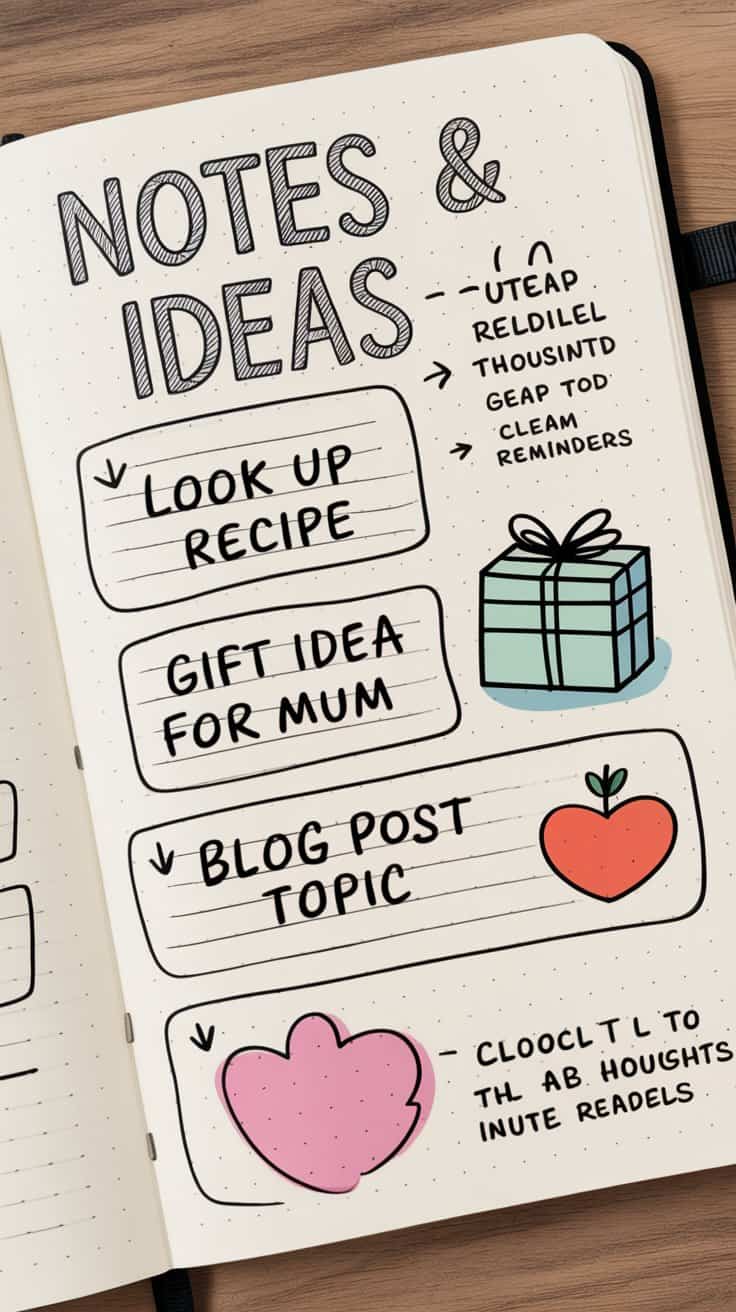
This is your catch-all page.
Use it for ideas, quotes, reminders, things to look up, or random thoughts you don’t want to forget. Label it once and keep adding to it.
13. Monthly Wins Page
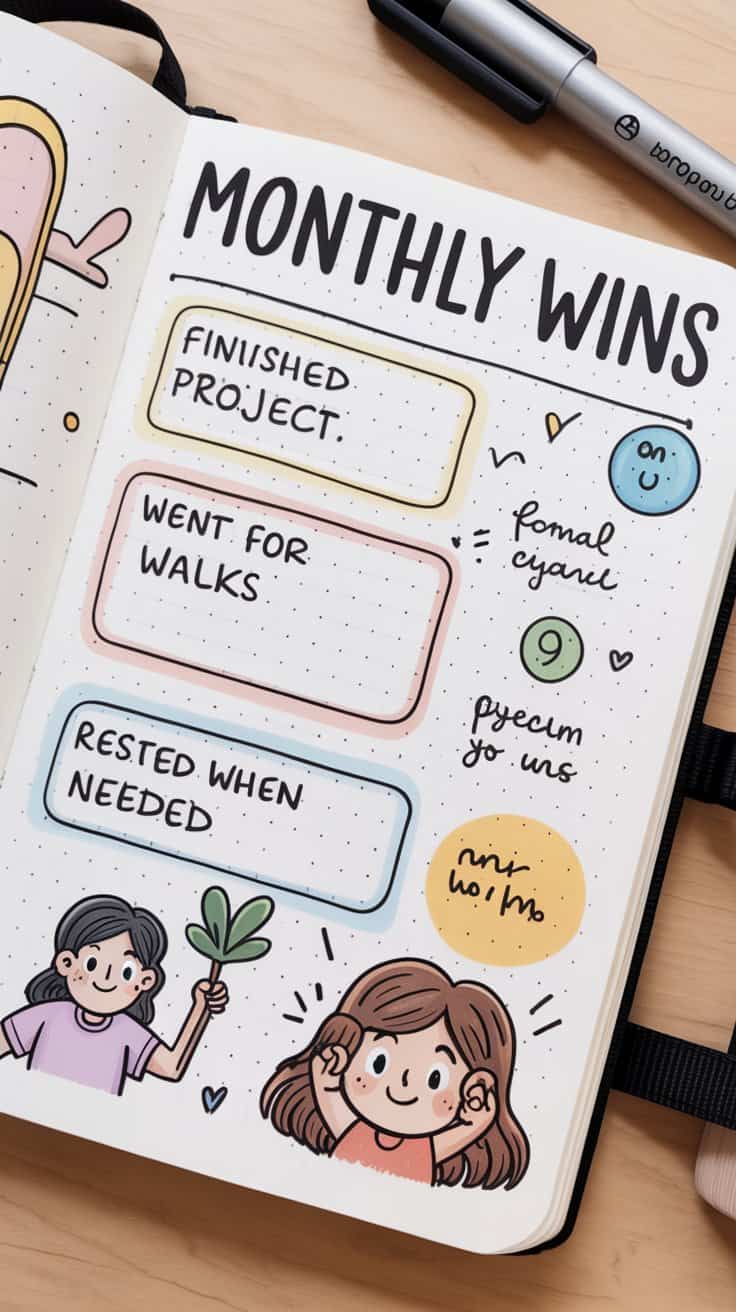
This page is more powerful than it looks.
Write down anything that felt like a win—big or small. Finishing a task, resting when you needed to, or simply getting through a tough week all count.
On low-motivation days, this page is gold.
14. Minimal Expense Tracker

You don’t need a full budgeting system to build awareness.
Track spending by broad categories such as food, extras, home, or treats. The goal is mindfulness, not restriction.
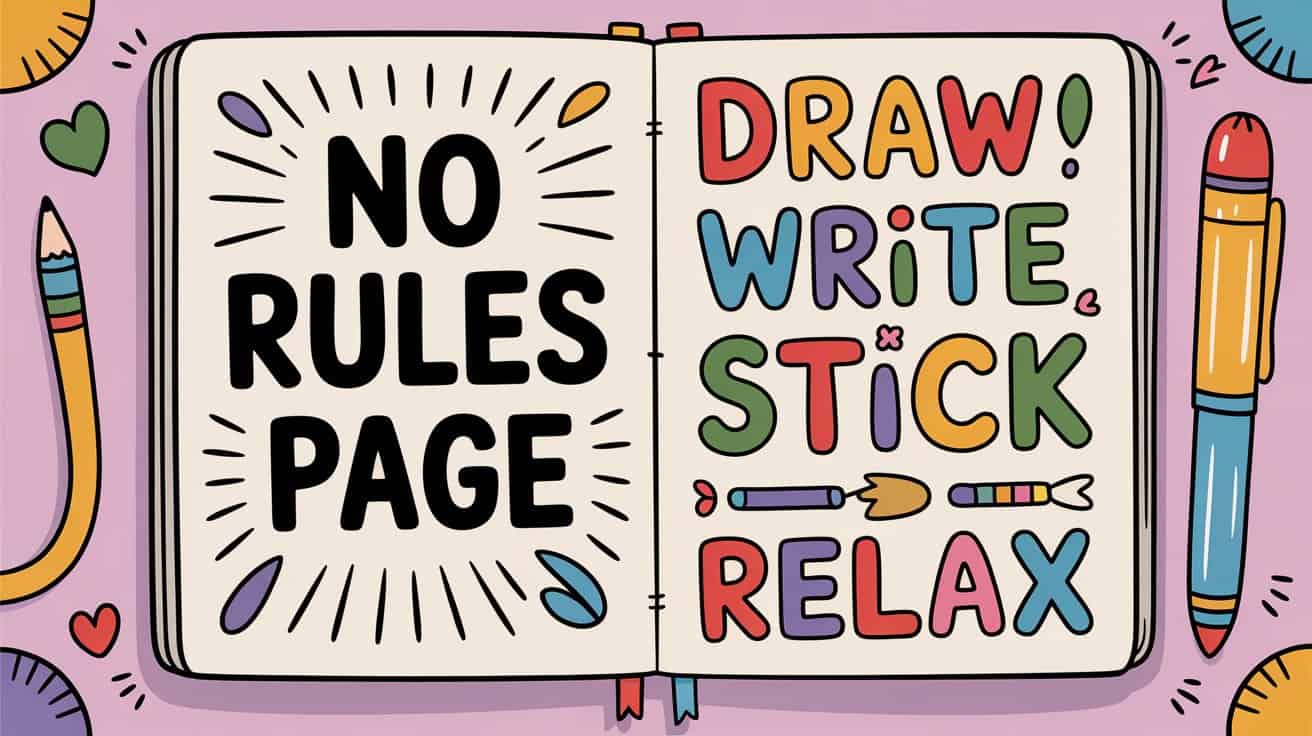
15. No-Rules Creative Page

This page exists purely for freedom.
Doodles, stickers, messy handwriting, quotes, collage—or even blank space. There is no wrong way to use it.
This page reminds you that your bullet journal doesn’t have to be productive to be valuable.
Final Thought
Your bullet journal doesn’t need to be perfect, aesthetic, or consistent to work.
Start small. Use what helps. Skip what doesn’t. The best journal is the one you come back to—even when life is busy or messy.