
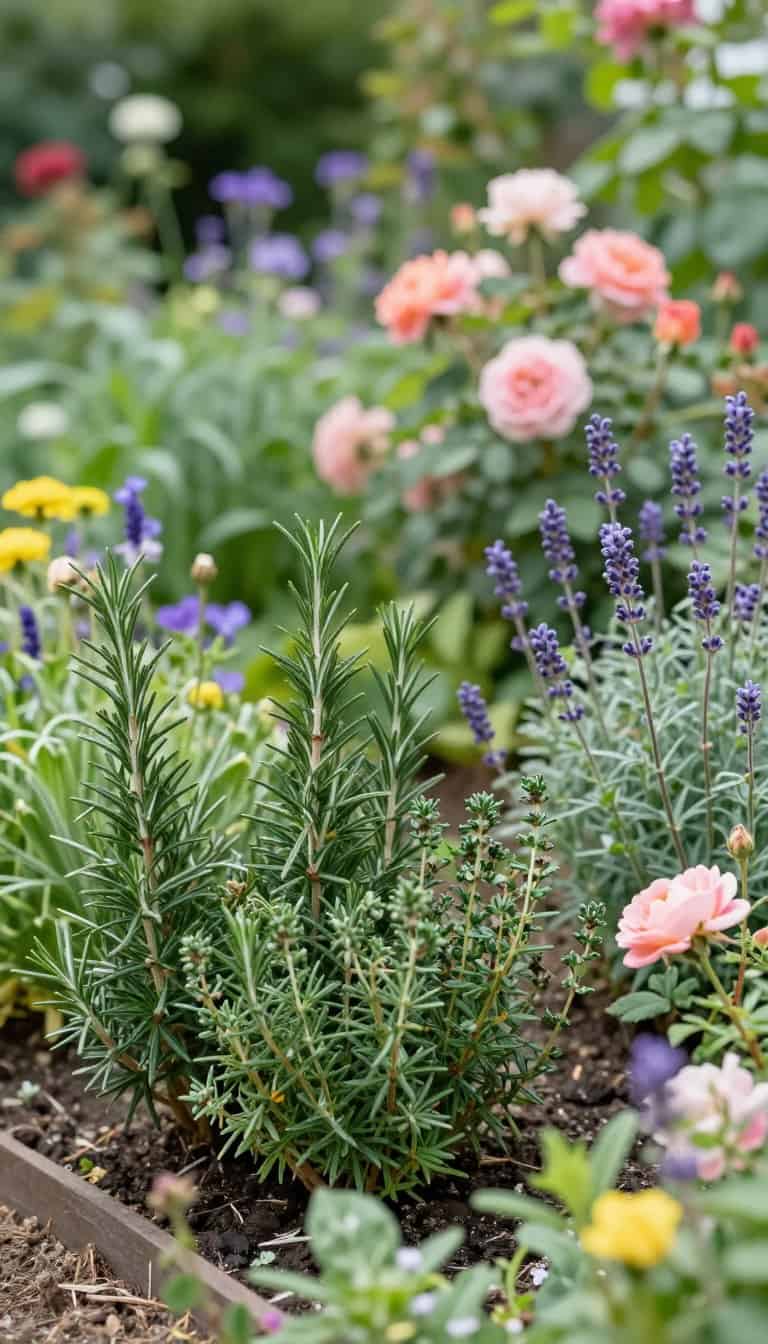
How to Mix Edible and Ornamental Plants in Your Cottage Garden
A cottage garden is not meant to feel perfectly planned or purely decorative. It is meant to feel abundant, layered, and a little generous. It gives something back.
That is exactly why mixing edible and ornamental plants works so beautifully here. You are not separating pretty from practical. You are letting them grow side by side, the way they naturally would.
With the right approach, your garden can look soft and romantic while quietly growing herbs, fruit, and vegetables in the background.
1. Start with a soft structure instead of strict rows
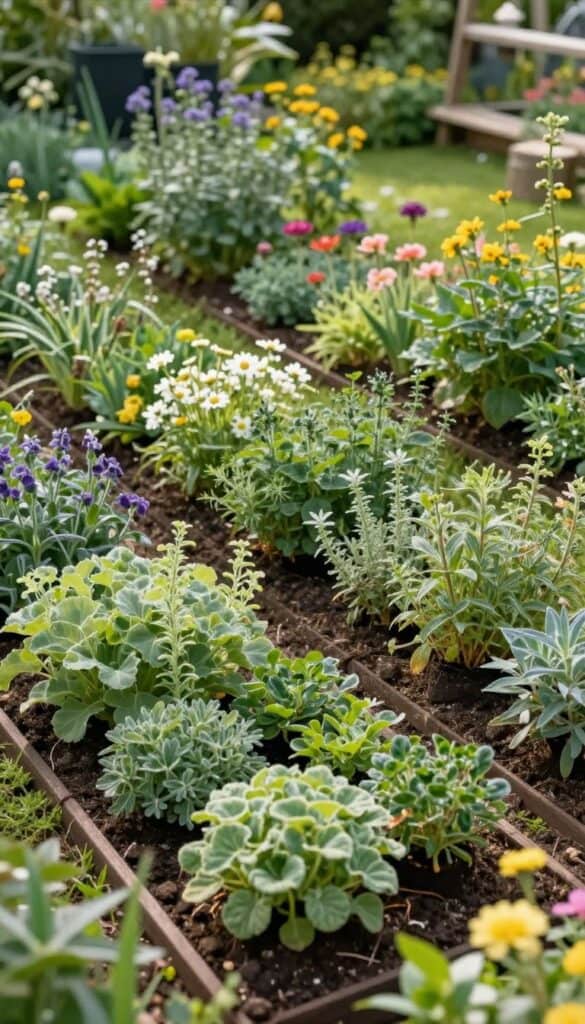
The quickest way to lose that cottage feel is to plant in straight, rigid rows. Cottage gardens work best when they feel loose and gently layered, not lined up like a vegetable plot.
Let herbs and vegetables weave between flowers instead of giving them their own separate section. It instantly feels softer, fuller, and much more natural.
- Plant in groups instead of lines
- Let edges soften and overlap
- Mix heights to create a more layered look
This works especially well in cottage gardens because the goal is abundance rather than precision. The space feels full without looking forced.
2. Choose edible plants that are beautiful too
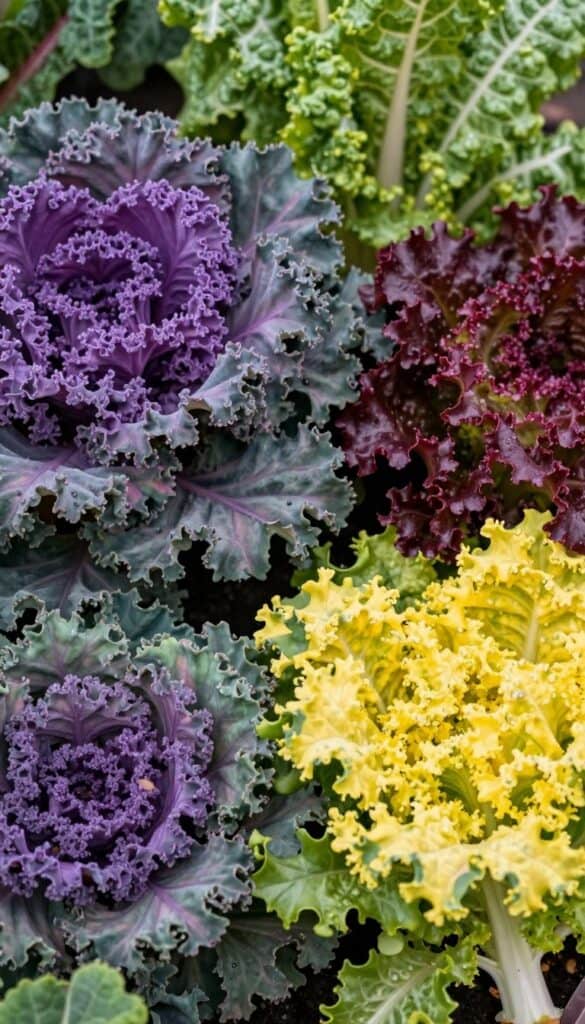
Some of the best edible plants are just as decorative as flowers. When you choose with both beauty and usefulness in mind, everything blends much more easily.
Leaf shape, colour, and texture all matter here. Many edible plants bring just as much visual interest to a bed as ornamental planting does.
- Kale, chard, and lettuce for leafy texture
- Strawberries for low, trailing growth
- Rosemary, thyme, and sage for structure
These are the kinds of plants that make a cottage garden feel rich and layered from spring into late summer, without ever looking too obviously productive.
3. Use herbs as natural fillers
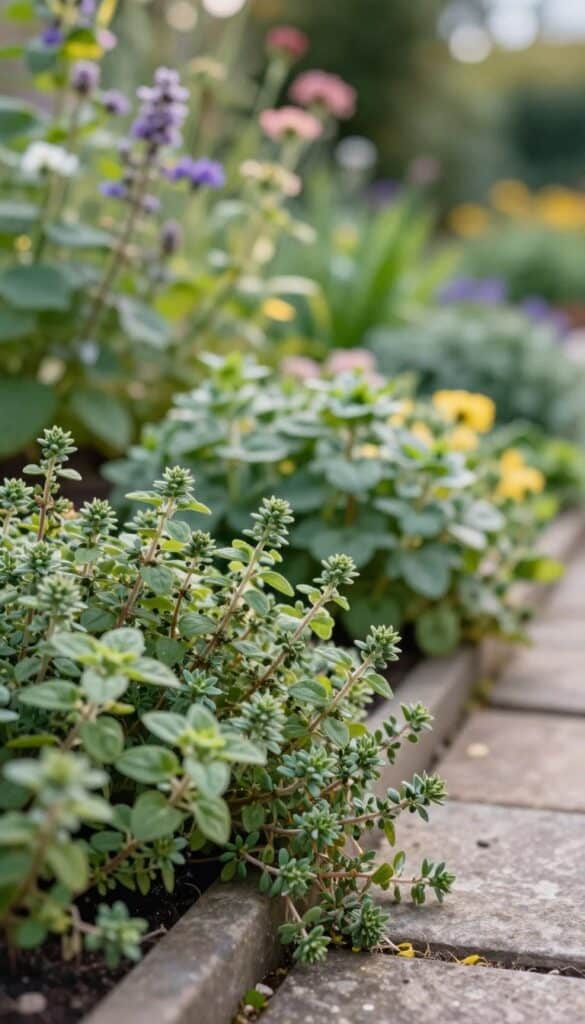
Herbs are one of the easiest ways to bridge the gap between ornamental and edible planting. They soften spaces, fill awkward gaps, and never feel out of place.
They also add fragrance, which makes the whole garden feel even more immersive. Walking through the beds becomes something you notice, not just something you do.
- Tuck herbs between flowers and along edges
- Let them spill slightly over pathways
- Use them to connect different planting areas
They work beautifully in containers too, which makes them especially useful in smaller cottage gardens or tricky corners.
Get your free cottage garden planting guide
Download our complete companion planting chart showing which herbs, vegetables, and flowers grow best side by side in cottage garden beds.
4. Let flowers protect your edibles
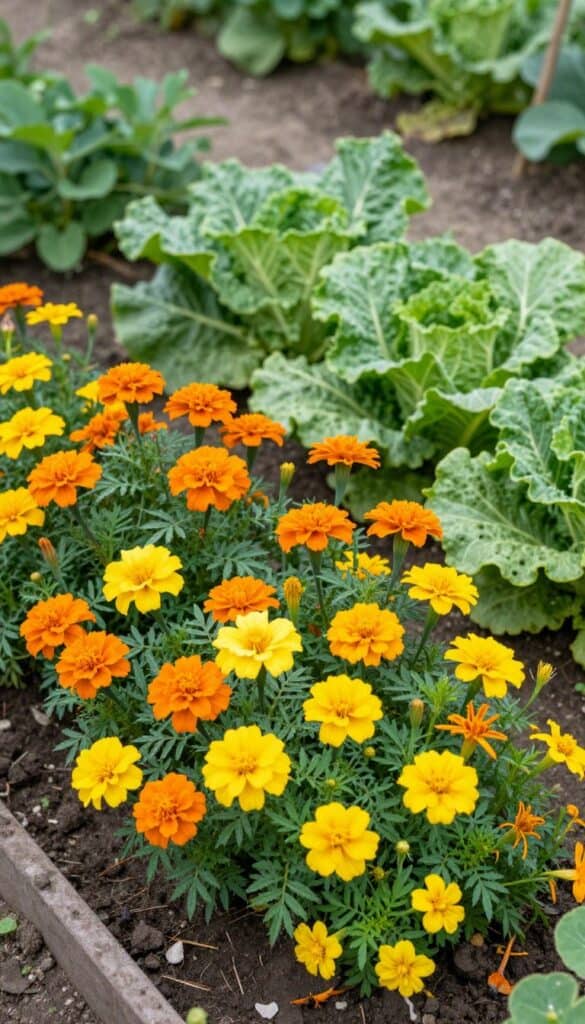
Companion planting fits naturally into a cottage garden. Many flowers do more than look pretty. They help protect edible plants and attract the insects you actually want nearby.
It is practical, but it also adds to that relaxed, mixed planting style. The garden looks fuller while quietly working harder behind the scenes.
- Marigolds near vegetables for pest control
- Nasturtiums to draw pests away from crops
- Lavender to attract pollinators
This kind of planting support keeps the garden healthier while still feeling soft and natural rather than overly managed.
5. Layer heights for that full, lush look
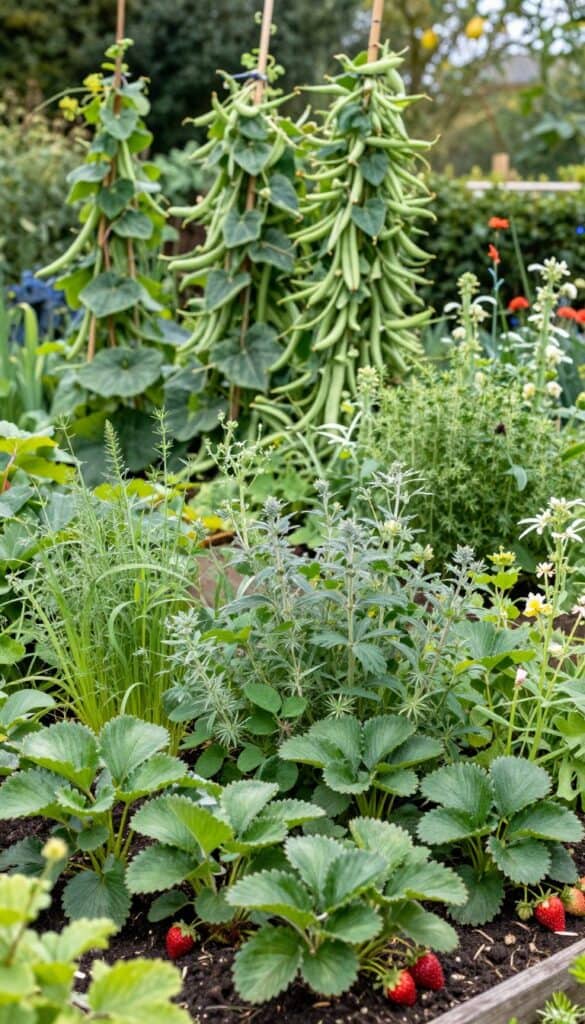
Cottage gardens thrive on layers. Taller plants at the back, medium growers through the middle, and low plants at the front create that rich, generous feeling this style is known for.
Edibles fit naturally into that structure. They do not need to be tucked away or treated differently from the ornamental planting around them.
- Climbing beans or peas for vertical interest
- Medium-height herbs and vegetables in the middle
- Low-growing edibles like strawberries at the front
This layering works in large borders and smaller beds alike, and it makes even compact spaces feel fuller and more thoughtfully planted.
6. Blend colours instead of separating them
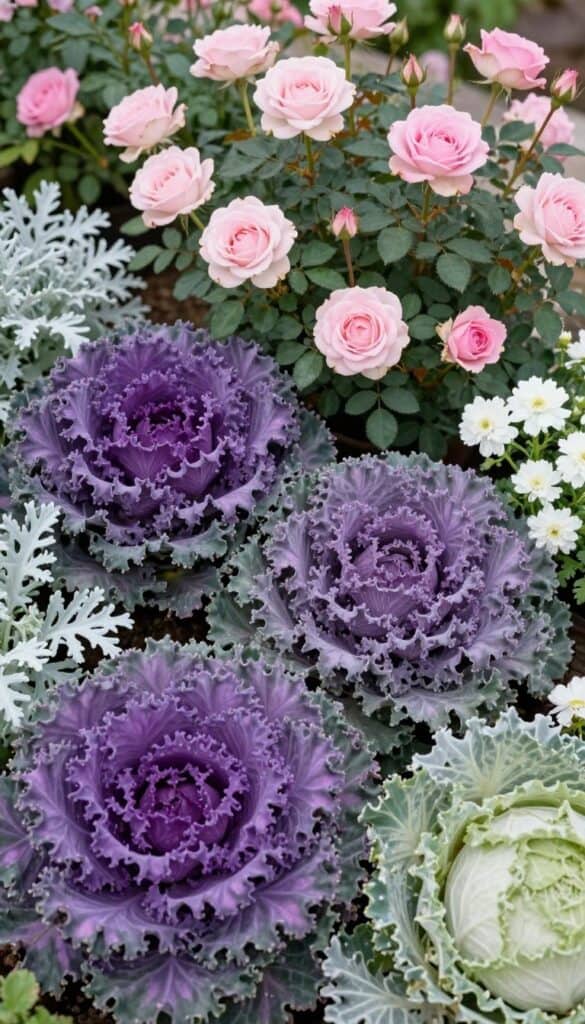
Rather than giving edible plants their own section, think about how their colours work with the flowers around them. That is what makes the whole garden feel more connected.
Deep greens, silvery herbs, and even purple vegetables can add depth and contrast in a way that feels intentional and beautiful.
- Match leafy greens with soft florals
- Use herbs to soften stronger flower colours
- Let everything flow instead of dividing sections
Once colour starts guiding the planting, the garden feels like one space rather than separate decorative and edible zones pushed together.
7. Use edible plants as borders
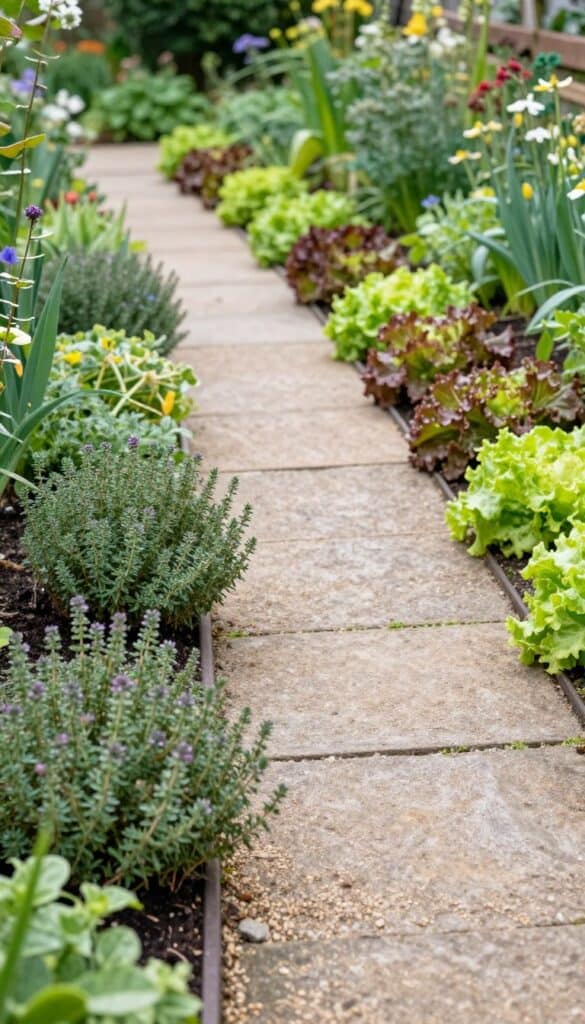
Edibles can work beautifully as edging plants. Instead of a purely decorative border, use low-growing herbs or vegetables to define pathways and soften bed edges.
It feels natural, useful, and a little more interesting than a traditional border treatment.
- Thyme or oregano along pathways
- Lettuce for soft, seasonal edging
- Strawberries for a trailing border effect
This is especially helpful when you want a little structure without losing that loose cottage garden feel.
8. Add vertical features for climbing edibles
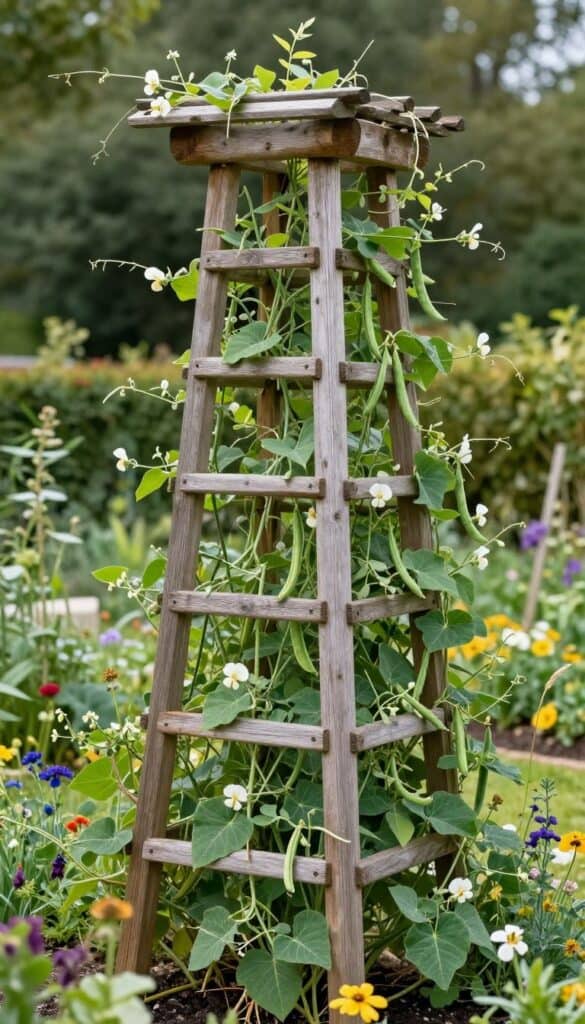
Trellises, arches, and obelisks do more than decorate a cottage garden. They are perfect for growing climbing edibles while adding that lovely sense of height and structure.
They draw the eye upward and make the whole space feel more layered, especially in smaller gardens where every bit of planting space matters.
- Climbing beans or peas on trellises
- Grapevines for a softer romantic look
- Position structures near paths or seating areas
Vertical growing also frees up more room underneath for lower plants, which makes the whole bed work harder without looking crowded.
9. Keep it slightly imperfect
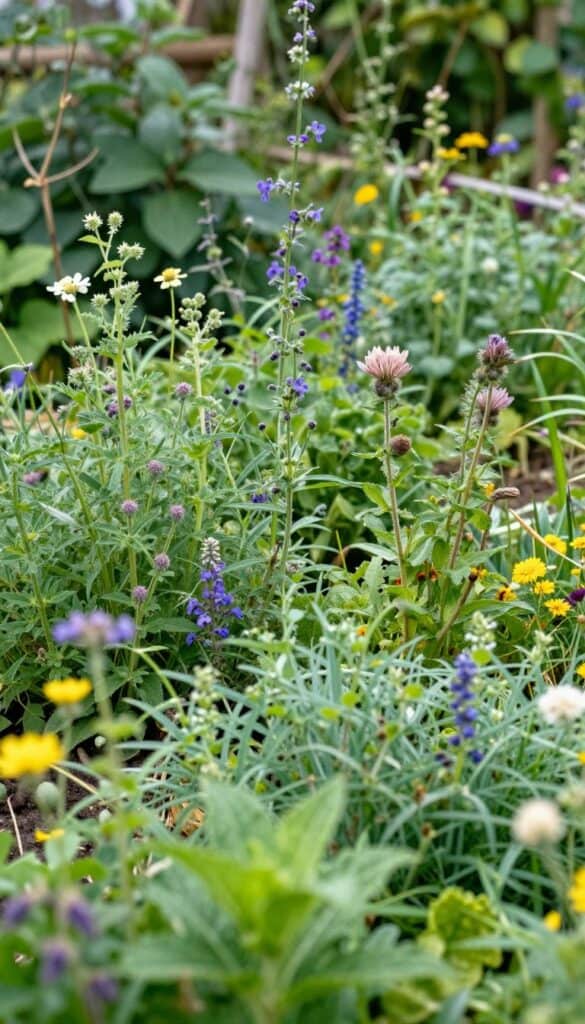
Part of what makes a cottage garden feel so lovely is that it is not too tidy. Plants spill, self-seed, and grow into each other a little. That softness is part of the whole appeal.
If everything is too controlled, the garden starts to lose that relaxed, generous character.
- Do not over-prune or over-organise
- Let plants mingle naturally
- Embrace a little unpredictability
This slightly looser approach also makes the garden more forgiving, which is part of what makes cottage planting so enjoyable to live with.
10. Harvest little and often
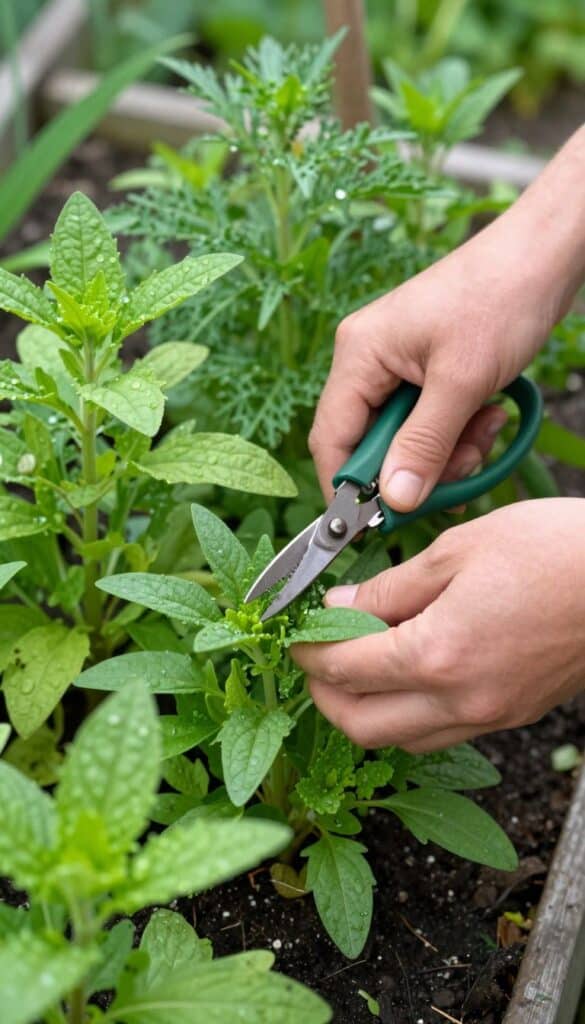
Regular harvesting keeps edible plants looking fresh and encourages even more growth. That matters in a cottage garden, where you want the planting to stay soft and beautiful rather than bulky or tired.
It also turns the garden into something you interact with more often, which is part of the joy of growing edible plants in the first place.
- Pick herbs often to keep them compact
- Harvest vegetables before they become oversized
- Use what you grow so the garden keeps evolving
Little and often usually works better than leaving everything until one big harvest. It keeps the garden useful and looking good at the same time.
Creating your perfect cottage garden mix
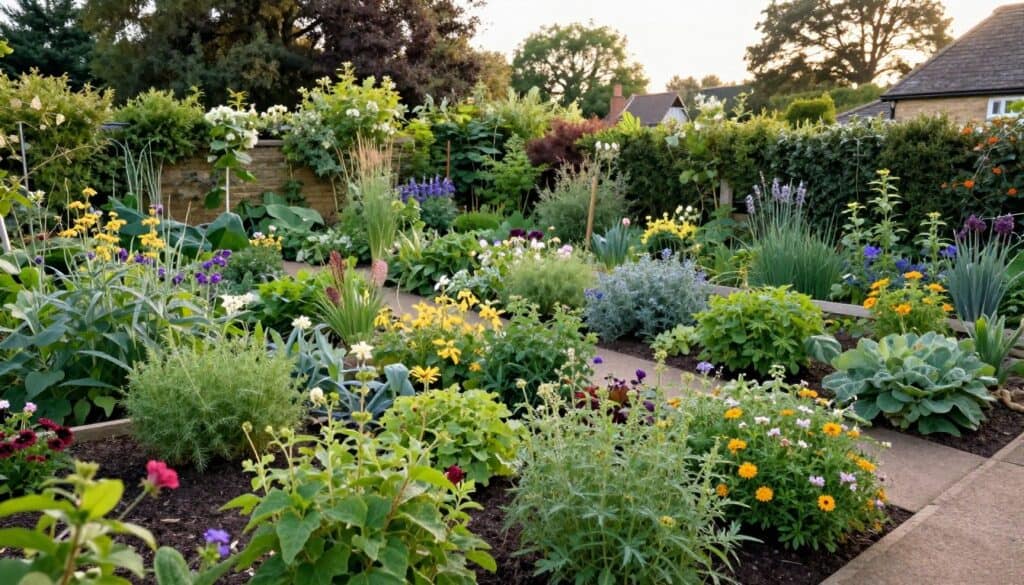
Mixing edible and ornamental plants is not really about doing more. It is about blending things differently. When everything grows together, the garden feels richer, softer, and more alive.
The beauty of a cottage garden is that it welcomes both form and function. Herbs settle between perennials. Vegetables grow alongside flowers. Fruit and fragrance sit together quite naturally.
Start small and experiment with a few combinations. Let the space develop over time. You will find a rhythm that feels both useful and beautiful.
That is exactly what a cottage garden is meant to be. A place where plants live generously side by side, where beds serve more than one purpose, and where the line between pretty and practical becomes wonderfully blurred.
The result is a garden that gives back in every way. It feeds you, delights you, and makes the whole space feel fuller all season long.