

How to Build a Journaling Ritual for Stress Relief (That You’ll Actually Stick To)
Stress has a way of piling up quietly—until it doesn’t. One minute you’re fine, the next you’re overwhelmed by everything from unanswered emails to the state of your sock drawer. Journaling won’t magically erase stress, but done the right way, it gives your mind a place to unload instead of looping endlessly.
This isn’t about perfect handwriting, deep literary insight, or journaling for an hour a day. It’s about creating a simple, repeatable ritual that helps you feel calmer, clearer, and more grounded—without turning into another obligation.
Why Journaling Works for Stress Relief

Journaling works because it moves stress out of your head and onto the page. This simple act creates powerful shifts in your nervous system.
- Slows racing thoughts by giving them structure and organization
- Reduces emotional overload through expression and release
- Helps you notice patterns instead of reacting blindly to triggers
- Creates a pause between stress and your response to it
Studies show that even a few minutes of writing can signal to your body that it’s safe to slow down. This activates your parasympathetic nervous system—the “rest and digest” mode that counteracts stress.
Ready to Build Your Stress-Relief Journaling Ritual?
Download our free 5-Minute Journaling Template with calming prompts, simple tips, and a 30-day tracker to help you create a sustainable, stress-relieving practice—without overwhelm.
Get Your Free Journaling KitStep 1: Choose a Time That Supports Calm (Not Perfection)

The best journaling time is the one you’ll actually keep. There’s no perfect moment—just the one that works realistically with your life.
Good options include:
Morning
Clear mental clutter before the day starts. Even 5 minutes while your coffee brews can set a calmer tone for the hours ahead.
Evening
Decompress and process the day. This helps prevent stress from following you into sleep and creates mental closure.
After Stress
Use journaling as a reset button after tense moments. This creates a pattern interrupt when emotions run high.
Important: Avoid choosing a time that already feels rushed. Journaling should feel like relief, not another task to squeeze in.
Step 2: Create a Low-Friction Journaling Setup
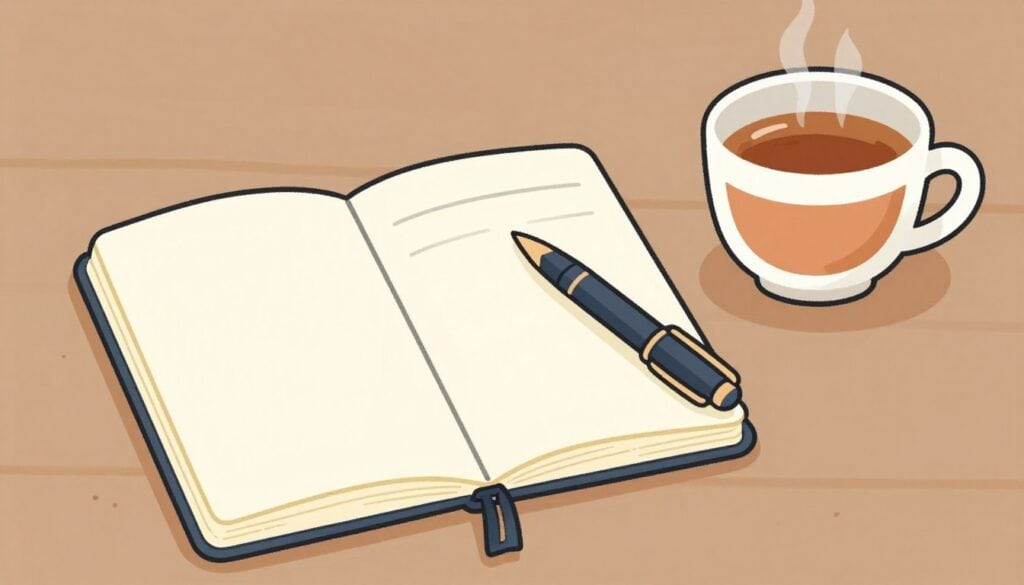
If journaling requires too much effort to start, it won’t last. The key is to keep it simple and inviting. Remove as many barriers as possible between you and getting started.
Your setup might include:
- One dedicated notebook (no pressure to make it pretty)
- A pen you enjoy using (the small pleasure of a smooth-writing pen matters)
- A calm spot where you can sit comfortably (bed, sofa, desk, or kitchen table)
- Optional comforts like tea, a candle, or soft lighting

Remember, the goal is familiarity, not aesthetics. Your journal doesn’t need to be Instagram-worthy—it just needs to be accessible and ready when you are.
-
Journaling Tips for Women Over 30
Practical journaling advice tailored for women in their 30s and beyond.
-
Guided Journaling Explained
What guided journaling is and how to use it for clarity and growth.
-
Journaling Ideas for Goal Setting
Creative journaling prompts to clarify and achieve your goals.
Step 3: Decide What You’ll Write Before You Sit Down

Staring at a blank page is stressful in itself. One of the biggest barriers to consistent journaling is the moment of “What should I write about?” Decide your format in advance to eliminate this friction point.
Simple stress-relief journaling options:
Brain Dump
Write everything on your mind without filtering. Let thoughts flow freely without judgment or organization.
One-Question
Answer a single prompt fully. This gives your writing direction and purpose without overwhelming choices.
Bullet Journal
Use short lines instead of full paragraphs. Perfect for when you’re short on time or energy.
Emotion Check-In
“Today I feel ___ because ___” This simple format helps build emotional awareness.
Removing the decision-making makes the ritual easier to repeat. You can always change formats based on your needs that day, but having a default eliminates hesitation.
Step 4: Use Gentle Prompts That Release Stress

You don’t need deep or dramatic prompts to experience relief. Calm comes from honesty, not intensity. The right prompts create space for reflection without adding pressure.
“The questions we ask determine the answers we find. For stress relief, gentle, open-ended prompts often work better than probing or complex ones.”
Try prompts like:
- What’s weighing on me right now?
- What am I holding tension about today?
- What do I need more of this week?
- What can I let go of tonight?
- What went better than I expected?
Write without correcting yourself. Remember, this is for you, not an audience. There are no wrong answers, and you don’t need to impress anyone with your insights.
Need More Journaling Inspiration?
Our free prompt collection includes 30 gentle journaling prompts specifically designed to help release stress, quiet racing thoughts, and make writing feel supportive—not overwhelming.
Download Prompt CollectionStep 5: Keep the Ritual Short (Yes, Really)

Five minutes of consistent journaling beats thirty minutes once a month. When building any habit, consistency matters more than duration, especially at the beginning.
A sustainable ritual looks like:
- 5–10 minutes of focused writing
- One page or less of content
- No rereading or editing during the session
- No pressure to be insightful or profound

Stopping while it still feels manageable makes it easier to come back tomorrow. You want to finish each session thinking “I could do more” rather than “That was exhausting.”
Pro Tip: Set a timer on your phone so you don’t have to watch the clock. This helps you stay present with your writing instead of worrying about time.
Step 6: Anchor Journaling to an Existing Habit

Rituals stick best when they’re attached to something you already do consistently. This technique, called habit stacking, uses existing routines as triggers for your new journaling practice.
Examples:
Morning Anchors
- Journal while your coffee brews
- Write after making your bed
- Journal before checking your phone
Evening Anchors
- Write after brushing your teeth
- Journal with your evening tea
- Write after changing into pajamas
This approach turns journaling into a natural extension of your day instead of a separate chore. Your existing habit becomes the cue that triggers your journaling ritual automatically.
Step 7: Let the Ritual Evolve With You
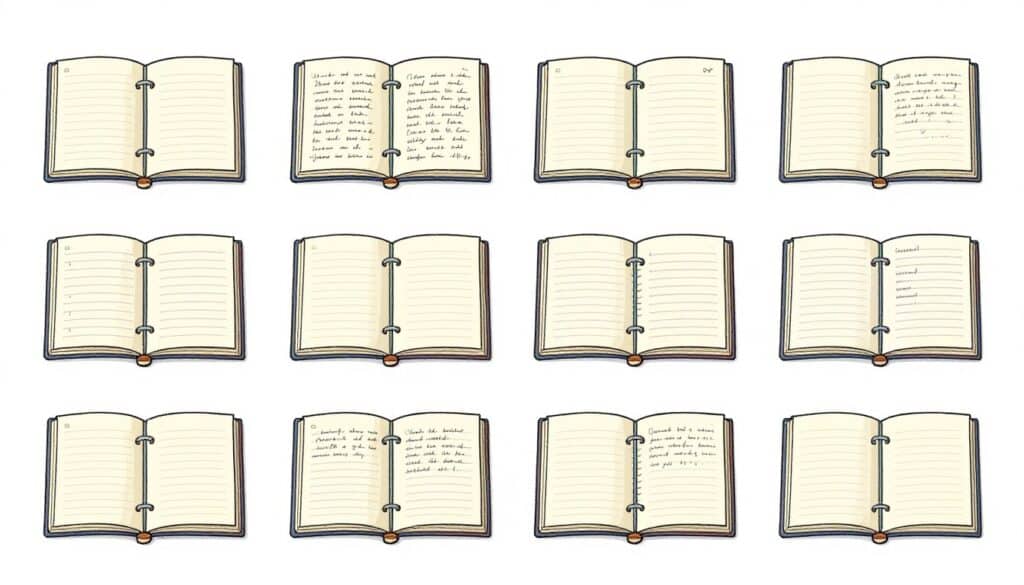
Some days you’ll write a lot. Other days, barely anything. That’s normal and exactly as it should be. Stress-relief journaling isn’t about consistency for its own sake—it’s about support.
“The most sustainable rituals are those that adapt to our changing needs rather than demanding we adapt to them.”
Ways your practice might evolve:
- Changing prompts based on current challenges
- Adjusting timing as your schedule shifts
- Varying formats depending on energy levels
- Adding elements like gratitude or goal-setting
The ritual should serve you, not the other way around. Give yourself permission to experiment and adjust as needed. What matters is that it continues to provide relief and insight.
Final Thoughts: Calm Comes From Showing Up, Not Writing Well

You don’t need to be good at journaling for it to work. You don’t need profound insights or beautiful prose. You just need to show up honestly, even briefly.
Over time, this small ritual becomes a quiet anchor—one place in your day where nothing is expected of you except presence. A few minutes where you can be exactly as you are, without judgment or pressure to perform.
If stress has been running the show lately, this might be the simplest place to start taking back control. Not with grand gestures, but with five minutes, a pen, and the willingness to meet yourself on the page.
Do I need to journal every day for it to work?
No. While consistency helps build the habit, even journaling 2-3 times a week can provide significant stress relief. The key is regular practice, not perfect daily adherence.
What if I don’t know what to write about?
This is where prompts come in handy. Having 3-5 go-to questions eliminates the blank page problem. You can also simply write “I don’t know what to write about today” and see where your thoughts go from there.
Is digital journaling as effective as writing by hand?
Research suggests handwriting may have some additional benefits for memory and processing, but digital journaling is still highly effective. The most important factor is choosing the method you’ll actually stick with.