

Mushroom & Celery Healing Soup – A Comforting, Nourishing Bowl
This soup is for the days you want something soothing, steadying, and full of gentle flavor. Mushrooms bring a savory depth, celery adds freshness and crunch, and together they make a broth that feels calming and light. It’s simple to make, easy on the stomach, and loaded with feel-good ingredients.
Whether you’re under the weather or just craving something warm and restorative, this soup hits the spot. It’s humble food in the best way—honest, comforting, and nourishing.
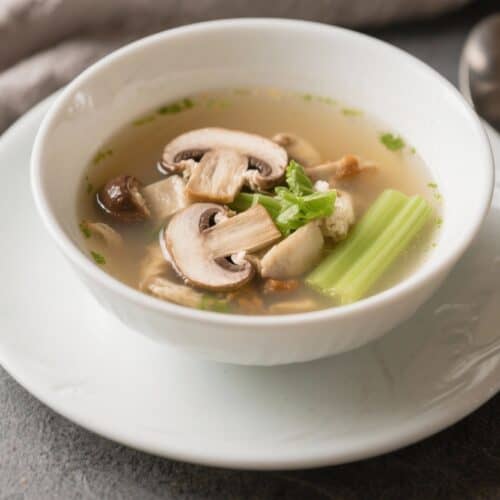
Mushroom & Celery Healing Soup – A Comforting, Nourishing Bowl
Ingredients
- Olive oil (2 tablespoons) or ghee for a richer flavor
- Yellow onion (1 medium, finely chopped)
- Celery (4–5 stalks, thinly sliced, plus a handful of leaves if you have them)
- Garlic (3–4 cloves, minced)
- Mushrooms (16 oz / 450 g; a mix of cremini, shiitake, and oyster if possible; thinly sliced)
- Carrot (1 medium, diced small; optional but adds sweetness)
- Fresh thyme (4–5 sprigs) or 1 teaspoon dried thyme
- Bay leaf (1)
- Low-sodium vegetable broth (6 cups) or chicken broth if you prefer
- Cooked brown rice or barley (1 cup, optional for a heartier bowl)
- Fresh parsley (a small handful, chopped)
- Lemon (1, for zest and juice)
- Sea salt and black pepper (to taste)
- Red pepper flakes (a pinch, optional)
Instructions
- Prep your vegetables. Slice the mushrooms and celery thin for a softer texture. Finely chop the onion, mince the garlic, and dice the carrot if using. Have the thyme and bay leaf ready.
- Warm the pot. Heat the olive oil in a large soup pot over medium heat. When shimmering, add the onion and a pinch of salt. Cook 3–4 minutes until translucent, stirring often.
- Sweat the celery and carrot. Add celery (and carrot if using). Cook 5–6 minutes, stirring occasionally, until the vegetables soften but don’t brown. This gentle heat keeps flavors calm and sweet.
- Add mushrooms in batches. Stir in half the mushrooms and let them release their liquid, about 3–4 minutes. Add the remaining mushrooms and a pinch more salt. Cook until they shrink and smell earthy, 4–5 minutes.
- Layer aromatics. Add the garlic, thyme, bay leaf, and red pepper flakes if using. Cook 30–60 seconds until fragrant. Don’t let the garlic brown.
- Pour in the broth. Add the vegetable broth and scrape the bottom of the pot to release any browned bits. Bring to a gentle simmer, then reduce the heat to low.
- Simmer softly. Let the soup cook for 15–20 minutes. Keep it at a low simmer so the flavors meld without becoming muddy or harsh.
- Finish bright. Remove the thyme stems and bay leaf. Stir in parsley, lemon zest, and a squeeze of lemon juice. Taste and adjust with salt, pepper, and more lemon as needed.
- Optional grains. If using cooked brown rice or barley, stir in now and warm through for 2–3 minutes.
- Serve. Ladle into bowls and top with extra parsley or a drizzle of olive oil. Enjoy warm.
What Makes This Special
This isn’t a heavy cream-based soup. It’s a clean, vegetable-forward broth with layers of flavor from mushrooms, celery, garlic, and herbs.
The method is gentle, which helps preserve the nutrients and the bright, clean taste of the vegetables.
The “healing” part comes from a few simple choices: slowly sautéed aromatics to build a soothing base, a mix of mushroom varieties for minerals and umami, and fresh lemon and parsley to lift the finish. It’s satisfying without weighing you down, and it’s easy to customize depending on your mood or what’s in your kitchen.
What You’ll Need
- Olive oil (2 tablespoons) or ghee for a richer flavor
- Yellow onion (1 medium, finely chopped)
- Celery (4–5 stalks, thinly sliced, plus a handful of leaves if you have them)
- Garlic (3–4 cloves, minced)
- Mushrooms (16 oz / 450 g; a mix of cremini, shiitake, and oyster if possible; thinly sliced)
- Carrot (1 medium, diced small; optional but adds sweetness)
- Fresh thyme (4–5 sprigs) or 1 teaspoon dried thyme
- Bay leaf (1)
- Low-sodium vegetable broth (6 cups) or chicken broth if you prefer
- Cooked brown rice or barley (1 cup, optional for a heartier bowl)
- Fresh parsley (a small handful, chopped)
- Lemon (1, for zest and juice)
- Sea salt and black pepper (to taste)
- Red pepper flakes (a pinch, optional)
Step-by-Step Instructions
- Prep your vegetables. Slice the mushrooms and celery thin for a softer texture. Finely chop the onion, mince the garlic, and dice the carrot if using.
Have the thyme and bay leaf ready.
- Warm the pot. Heat the olive oil in a large soup pot over medium heat. When shimmering, add the onion and a pinch of salt. Cook 3–4 minutes until translucent, stirring often.
- Sweat the celery and carrot. Add celery (and carrot if using).
Cook 5–6 minutes, stirring occasionally, until the vegetables soften but don’t brown. This gentle heat keeps flavors calm and sweet.
- Add mushrooms in batches. Stir in half the mushrooms and let them release their liquid, about 3–4 minutes. Add the remaining mushrooms and a pinch more salt.
Cook until they shrink and smell earthy, 4–5 minutes.
- Layer aromatics. Add the garlic, thyme, bay leaf, and red pepper flakes if using. Cook 30–60 seconds until fragrant. Don’t let the garlic brown.
- Pour in the broth. Add the vegetable broth and scrape the bottom of the pot to release any browned bits.
Bring to a gentle simmer, then reduce the heat to low.
- Simmer softly. Let the soup cook for 15–20 minutes. Keep it at a low simmer so the flavors meld without becoming muddy or harsh.
- Finish bright. Remove the thyme stems and bay leaf. Stir in parsley, lemon zest, and a squeeze of lemon juice.
Taste and adjust with salt, pepper, and more lemon as needed.
- Optional grains. If using cooked brown rice or barley, stir in now and warm through for 2–3 minutes.
- Serve. Ladle into bowls and top with extra parsley or a drizzle of olive oil. Enjoy warm.
Storage Instructions
- Refrigerator: Cool fully, then store in a sealed container for up to 4 days. If you’ve added grains, they’ll continue to absorb broth, so keep grains separate if you prefer a brothy soup.
- Freezer: Freeze in portions for up to 2–3 months.
Leave a little headspace in containers. For best texture, freeze without grains, then add fresh-cooked grains when reheating.
- Reheating: Warm gently on the stove over low heat to keep the flavors soft. Add a splash of water or broth if it has thickened.
Finish with fresh lemon and parsley to revive the brightness.
-
Mushroom Carrot Soup
A cozy, savory blend of mushrooms and sweet carrots — perfect for chilly days.
-
Mushroom Parsley Soup
Earthy mushroom goodness brightened with fresh parsley.
-
Mushroom Sweet Potato Stew
Hearty, wholesome stew combining mushrooms with sweet potatoes.
Benefits of This Recipe
- Light yet satisfying: The mushroom umami makes it feel hearty without heavy cream or butter.
- Digestive-friendly: Celery and gentle aromatics keep the soup easy on the stomach.
- Nutrient-dense: Mushrooms bring minerals and antioxidants; parsley and lemon add vitamin C and freshness.
- Flexible: Works with different mushroom mixes, broths, and add-ins like greens or beans.
- Meal-prep friendly: Keeps well and tastes even better the next day as the flavors settle.
Pitfalls to Watch Out For
- High heat: Boiling hard can make the soup cloudy and the flavors harsh. Keep it at a gentle simmer.
- Skipping seasoning: Mushrooms need salt to bloom. Season in layers—onions, mushrooms, then final tasting.
- Overcooking garlic: Burnt garlic turns bitter fast.
Add it late and cook briefly.
- Too much lemon: Add a little at a time. The goal is brightness, not sourness.
- Wet mushrooms: If they’re very damp, pat dry before cooking so they brown and develop flavor.
Alternatives
- Protein boost: Add cannellini beans, shredded chicken, or tofu cubes in the last 5 minutes.
- Greens: Stir in baby spinach, kale, or Swiss chard for the final 2–3 minutes until wilted.
- Herb swap: Try rosemary or sage instead of thyme for a woodsy vibe; finish with dill for a fresh twist.
- Creamy version: Blend 1–2 cups of the soup and stir back in, or add a splash of coconut milk for a silkier texture.
- Grain options: Use quinoa, farro, or small pasta like orzo. Cook separately and add to bowls before ladling hot soup over.
- Broth base: Chicken broth adds richness; miso stirred in off-heat gives a deeper savory note.
FAQ
Can I use only one type of mushroom?
Yes.
Cremini or button mushrooms work well on their own. A mix adds complexity, but a single variety still delivers a comforting, savory soup.
Is this soup vegan?
It is if you use olive oil and vegetable broth. Avoid ghee and chicken broth to keep it vegan.
How can I make it more filling without grains?
Add beans, extra mushrooms, or chopped potatoes.
You can also top each bowl with toasted nuts or seeds for texture and healthy fats.
What if I don’t have fresh herbs?
Use dried thyme (about 1 teaspoon). Add it with the garlic so it has time to bloom. Finish with extra lemon to keep the flavor bright.
Can I blend the soup?
Absolutely.
Blend partially for a creamy-meets-chunky texture, or fully for a silky broth. If blending hot, vent the lid and work in batches.
What can I do if the soup tastes flat?
Add a pinch of salt, a squeeze more lemon, or a splash of soy sauce or tamari for deeper umami. A small drizzle of olive oil at the end can also round out the flavor.
How do I avoid soggy celery?
Slice it a little thicker and keep the simmer low.
Add a portion of the celery in the last 5 minutes if you prefer a firmer bite.
Can I make this in a slow cooker?
Yes. Sauté onions, celery, mushrooms, and garlic first for best flavor. Transfer to the slow cooker with broth and herbs, then cook on low for 4–5 hours.
Finish with lemon and parsley before serving.
In Conclusion
Mushroom & Celery Healing Soup is simple, grounding, and flexible. It relies on good technique, gentle heat, and fresh finishing touches to taste vibrant and clean. Keep it brothy for a light meal or bulk it up with grains and beans.
Either way, it’s a bowl that comforts without slowing you down—and it’s easy enough to make on any weeknight.