

Low-Maintenance Front Yard Cottage Garden Ideas That Still Look Magical
A front yard cottage garden should feel welcoming, relaxed, and full of quiet charm — not like a second job you didn’t apply for. While traditional cottage gardens have a reputation for being high-effort, the truth is that with the right structure and plant choices, they can be surprisingly easy to maintain.
This post includes affiliate links. If you make a purchase through them, I may earn a small commission at no extra cost to you. More details here.
These low-maintenance front yard cottage garden ideas focus on working with nature rather than constantly fighting it. Think dependable plants, forgiving layouts, and designs that actually look better when they’re allowed to grow in naturally.
1. Gravel Paths with Soft Plant Borders
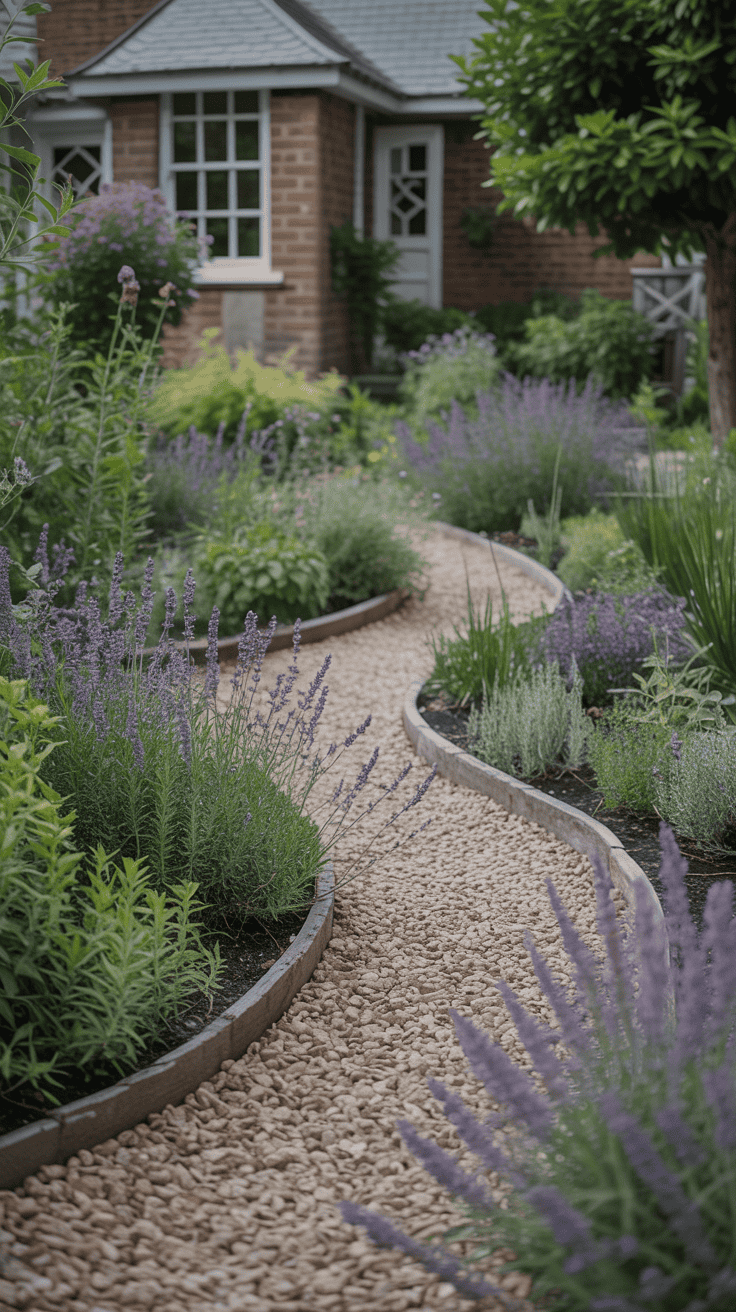
Why it works: Gravel paths replace high-maintenance lawns and prevent muddy walkways while instantly adding character. They feel informal and timeless, which suits the cottage style perfectly.
How to use it: Create a gently curved path rather than a straight line, and soften both sides with plants that lean or spill slightly over the edge. Lavender, catmint, and ornamental grasses all thrive here.
Low-maintenance tip: Install a weed membrane underneath and choose gravel that compacts well to keep upkeep minimal long term.
2. Perennials That Come Back Every Year

Why it works: Perennials form the backbone of a low-maintenance garden because they return year after year with very little intervention.
How to use it: Focus on hardy varieties that suit your climate and soil, planting them in loose groups rather than single specimens for a fuller look.
Low-maintenance tip: Once established, most perennials need far less watering than annuals and rarely require replanting.
3. Raised Cottage Beds Near the House
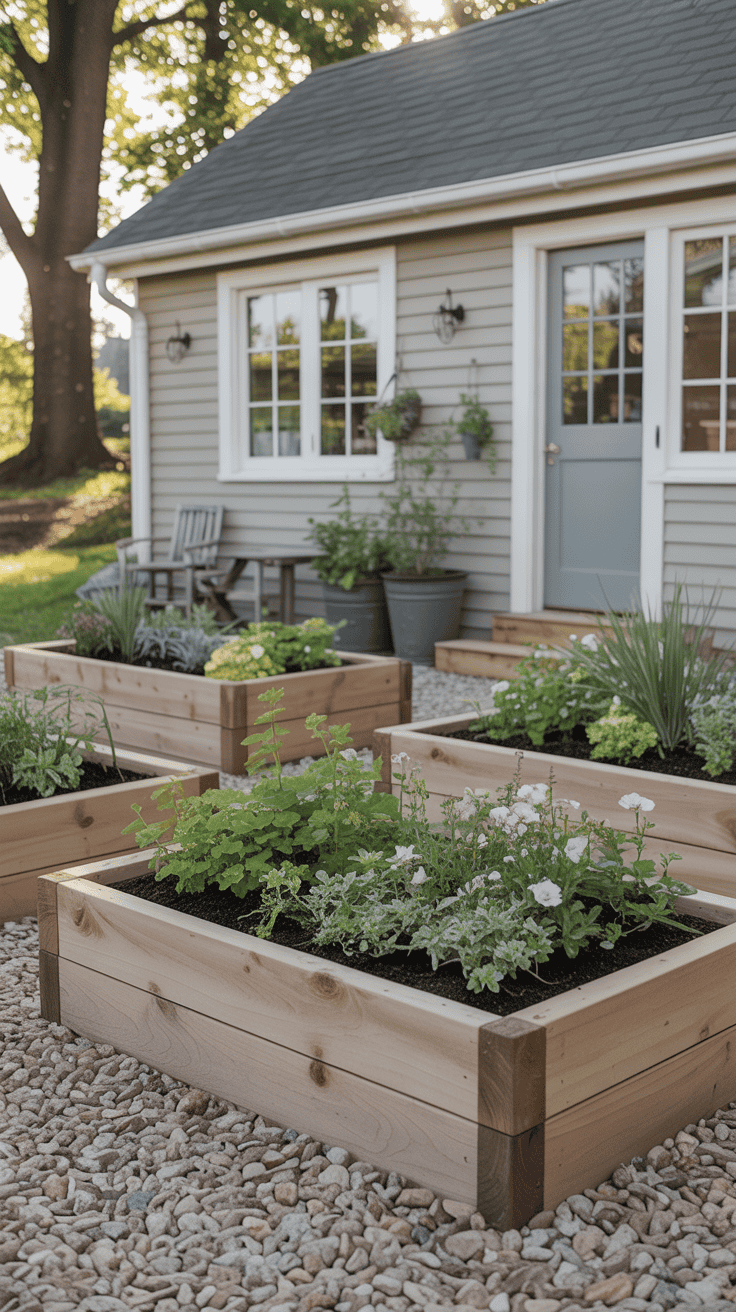
Why it works: Raised beds add structure and make the garden feel intentional while improving drainage and soil quality.
How to use it: Keep materials simple — wood, stone, or brick — and fill beds with a mix of shrubs, perennials, and trailing plants to soften the edges.
Low-maintenance tip: Raised beds reduce soil compaction and make weeding quicker and easier.
4. Evergreen Structure for Year-Round Charm
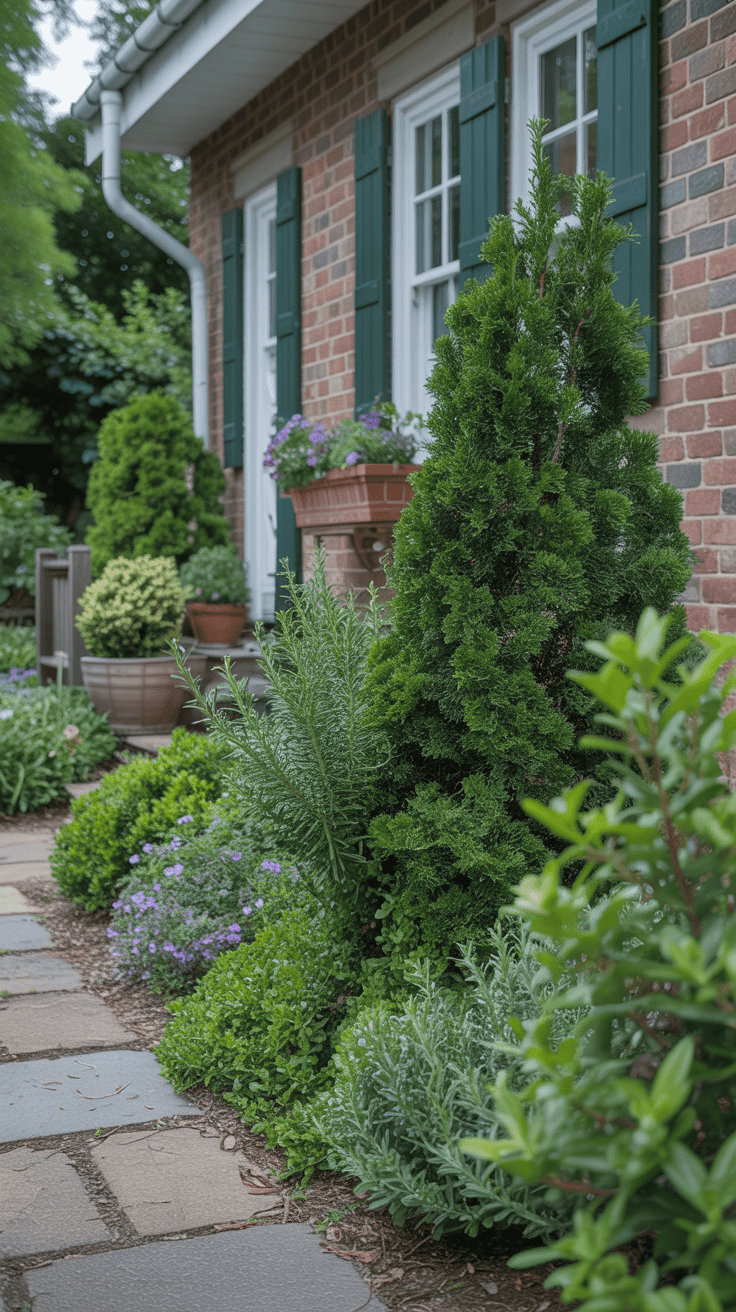
Why it works: Evergreen plants provide visual stability and prevent the garden from looking bare outside of flowering seasons.
How to use it: Use evergreens as anchors throughout the garden, then weave flowering plants between them for softness.
Low-maintenance tip: Choose compact or slow-growing varieties to avoid constant trimming.
5. Mulch Everything (Seriously)
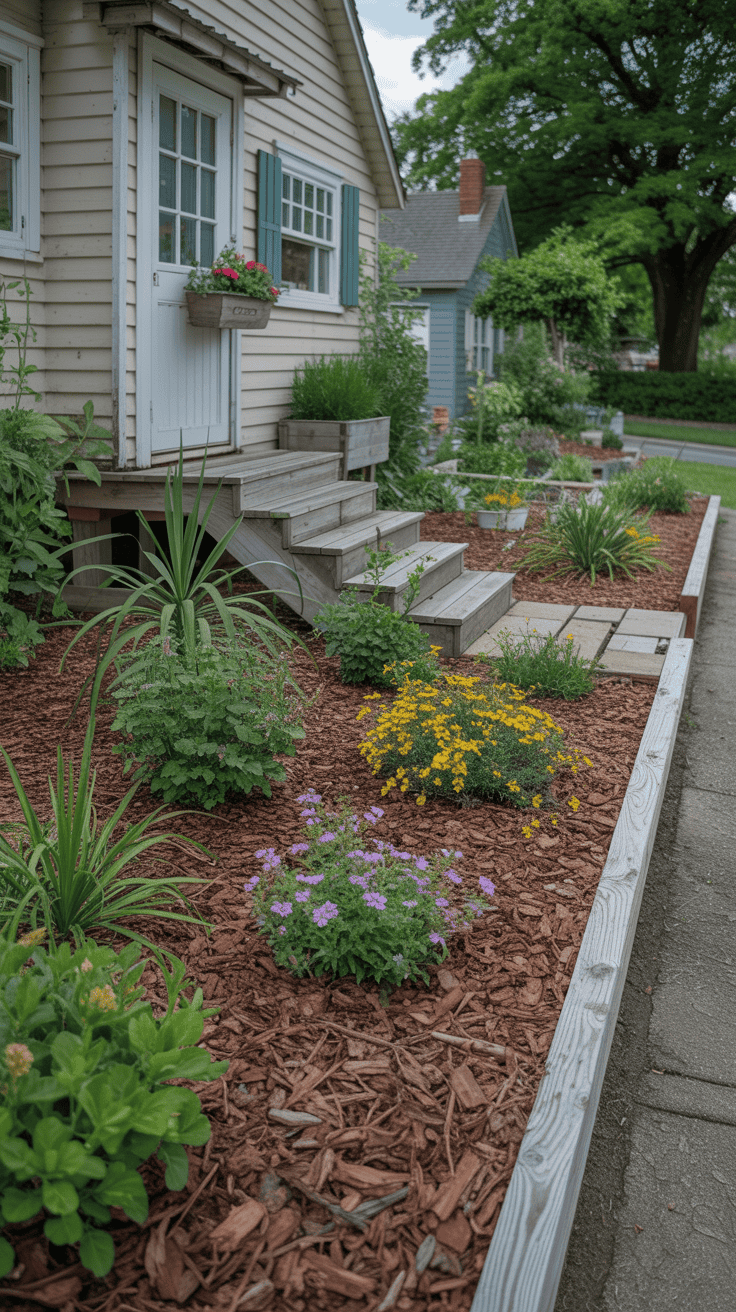
Why it works: Mulch is one of the most effective low-maintenance tools you can use, quietly doing several jobs at once.
How to use it: Apply mulch generously around all plants, keeping it slightly away from stems.
Low-maintenance tip: Mulch reduces watering needs, suppresses weeds, and improves soil health over time.
6. Cottage-Style Shrubs Instead of Delicate Flowers
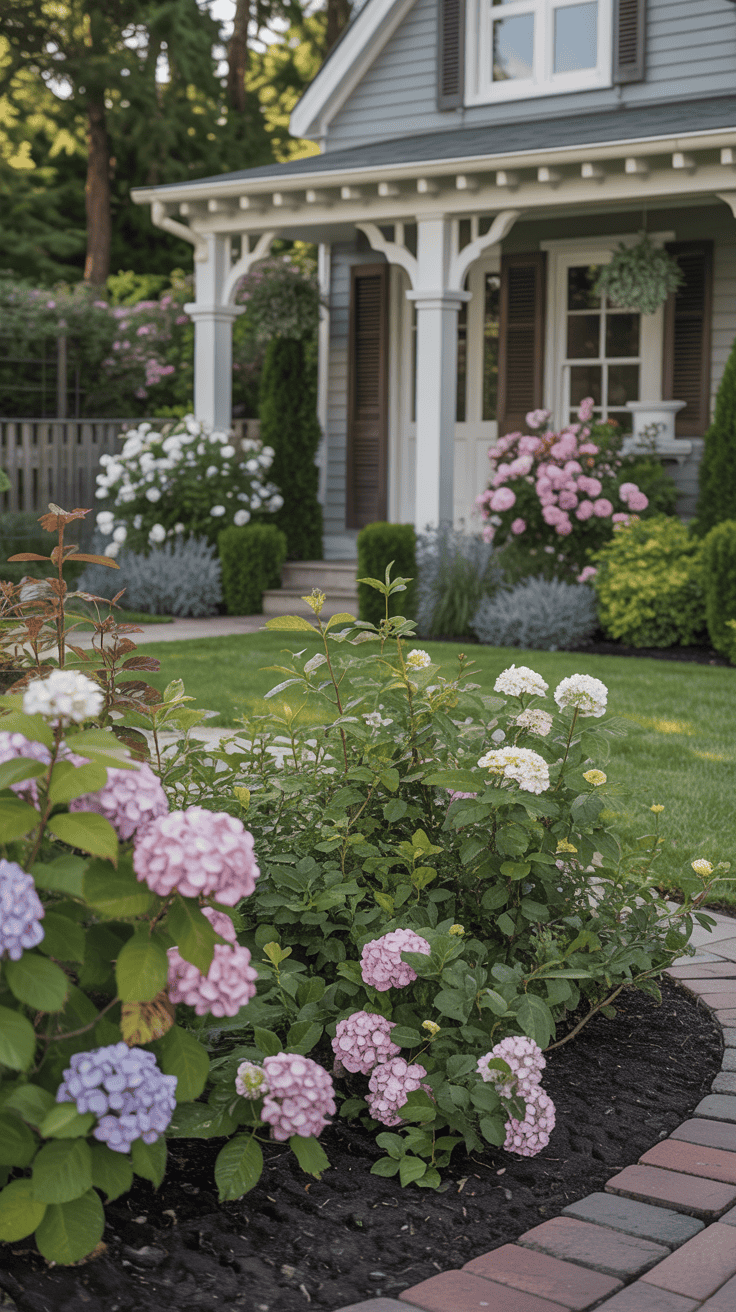
Why it works: Shrubs provide fullness, height, and seasonal interest with far less care than delicate annual flowers.
How to use it: Choose flowering shrubs that bloom once or twice a year and then quietly hold their shape.
Low-maintenance tip: Shrubs usually need pruning just once a year, if at all.
7. Let Plants Spill (On Purpose)
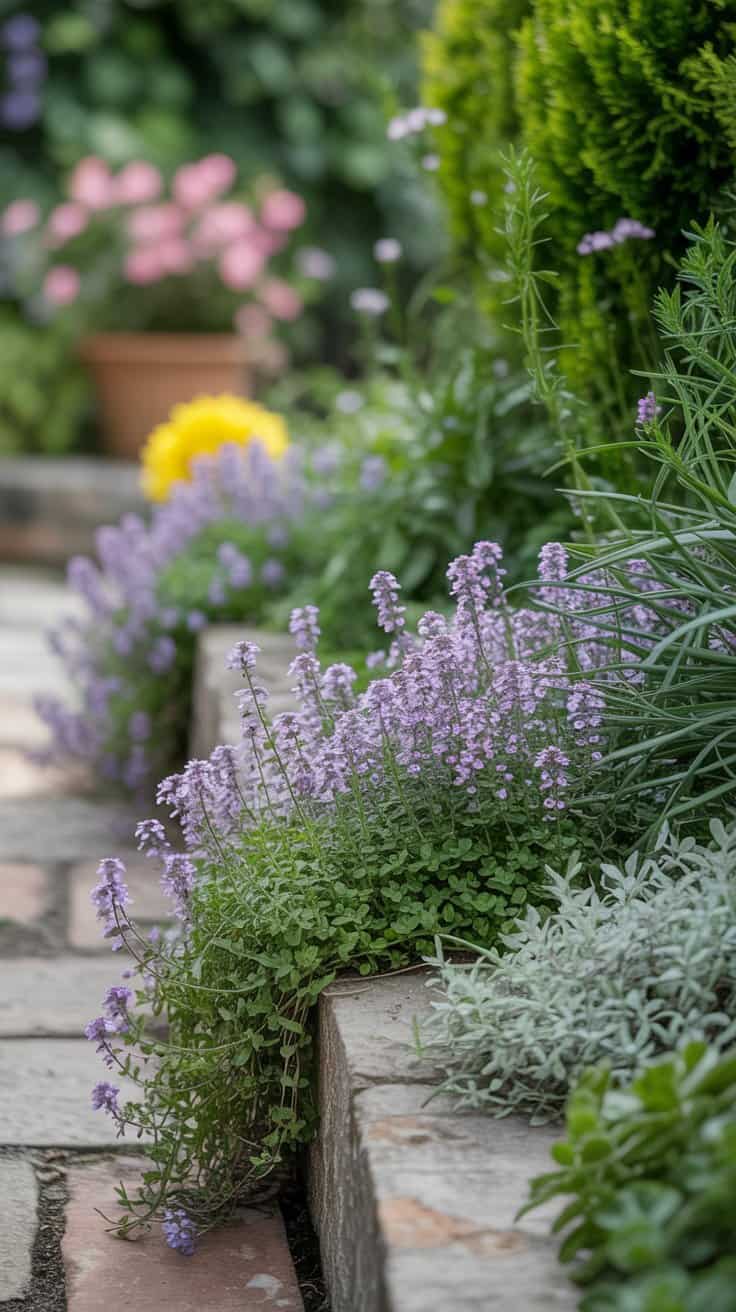
Why it works: A relaxed, overflowing look is far more forgiving than tightly controlled planting.
How to use it: Allow ground cover and soft plants to spill over paths, beds, and edges naturally.
Low-maintenance tip: Spilling plants reduce visible gaps where weeds like to appear.
8. Drought-Tolerant Cottage Plants
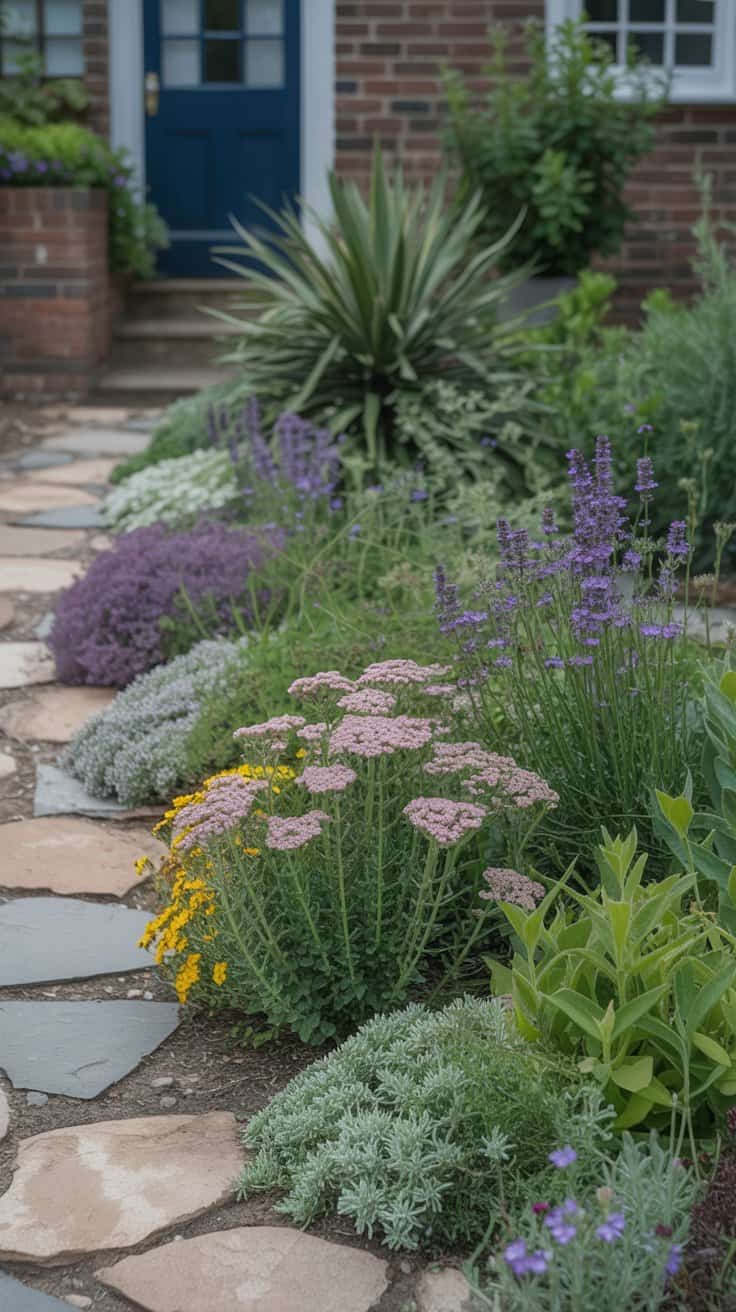
Why it works: Drought-tolerant plants are resilient and thrive without constant watering once established.
How to use it: Group these plants in sunny areas and let them settle in without overwatering.
Low-maintenance tip: Less watering encourages deeper root systems and stronger plants.
9. Simple Borders Instead of Fussy Edging
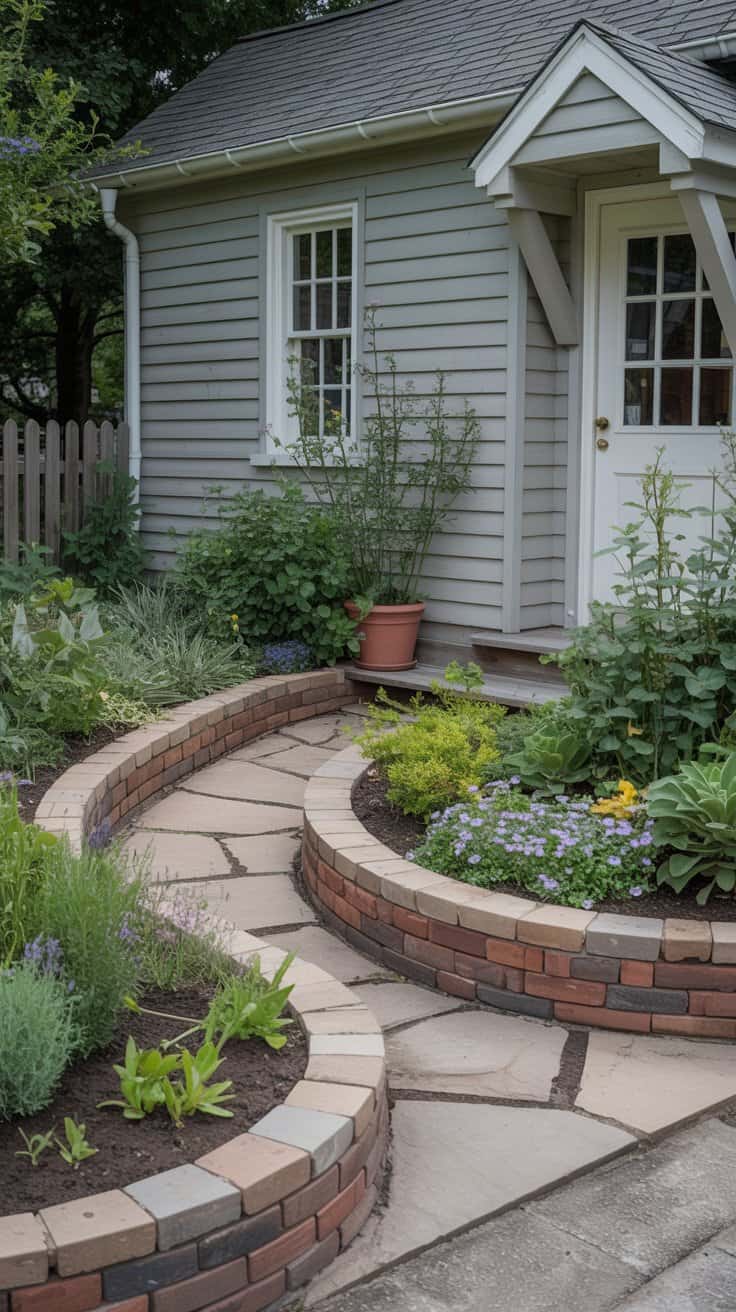
Why it works: Soft, curved borders feel more natural and require far less maintenance than sharp lines.
How to use it: Use stone, brick, or gentle planting transitions instead of crisp edging.
Low-maintenance tip: The fewer straight lines you create, the less trimming you’ll need to do.
10. Mix Flowers with Herbs
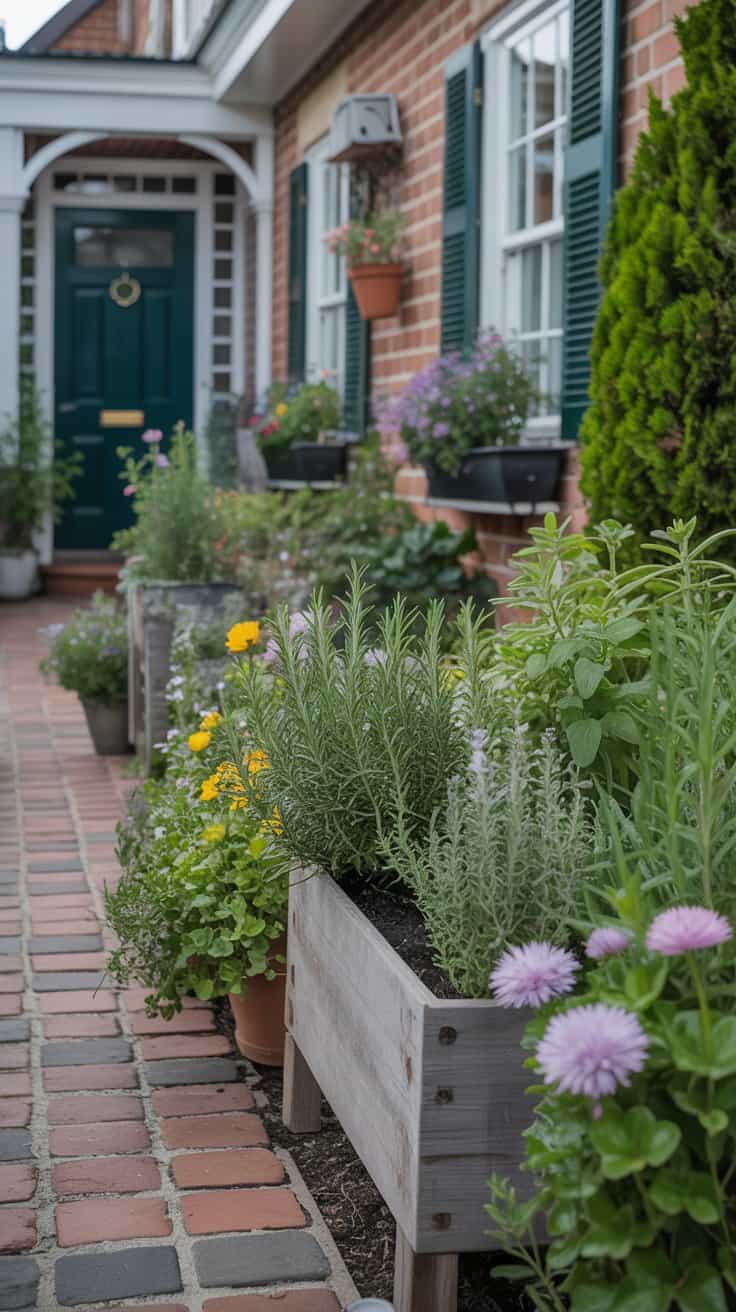
Why it works: Herbs are tough, fragrant, and incredibly forgiving, making them ideal for cottage gardens.
How to use it: Tuck herbs into borders rather than keeping them confined to one area.
Low-maintenance tip: Many herbs thrive with minimal watering and even improve when lightly neglected.
11. Cottage Containers for Flexibility

Why it works: Containers add charm and allow you to control soil and placement without committing to permanent beds.
How to use it: Stick to large containers and hardy plants that don’t dry out quickly.
Low-maintenance tip: Fewer containers mean less watering and less upkeep overall.
12. Repeat the Same Plants Throughout
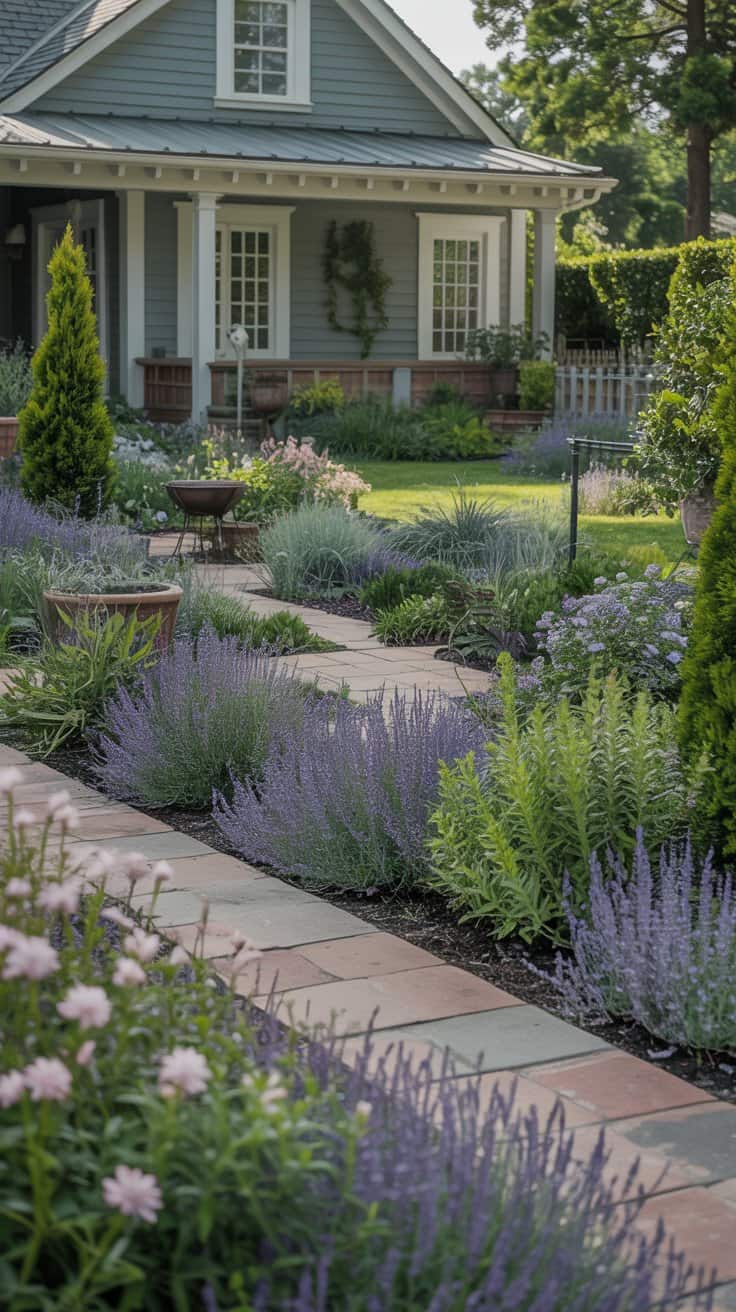
Why it works: Repetition creates cohesion and keeps the garden calm rather than chaotic.
How to use it: Choose a small palette of plants and repeat them across the front yard.
Low-maintenance tip: Familiarity with your plants makes care faster and easier.
13. Embrace Self-Seeders (Selectively)
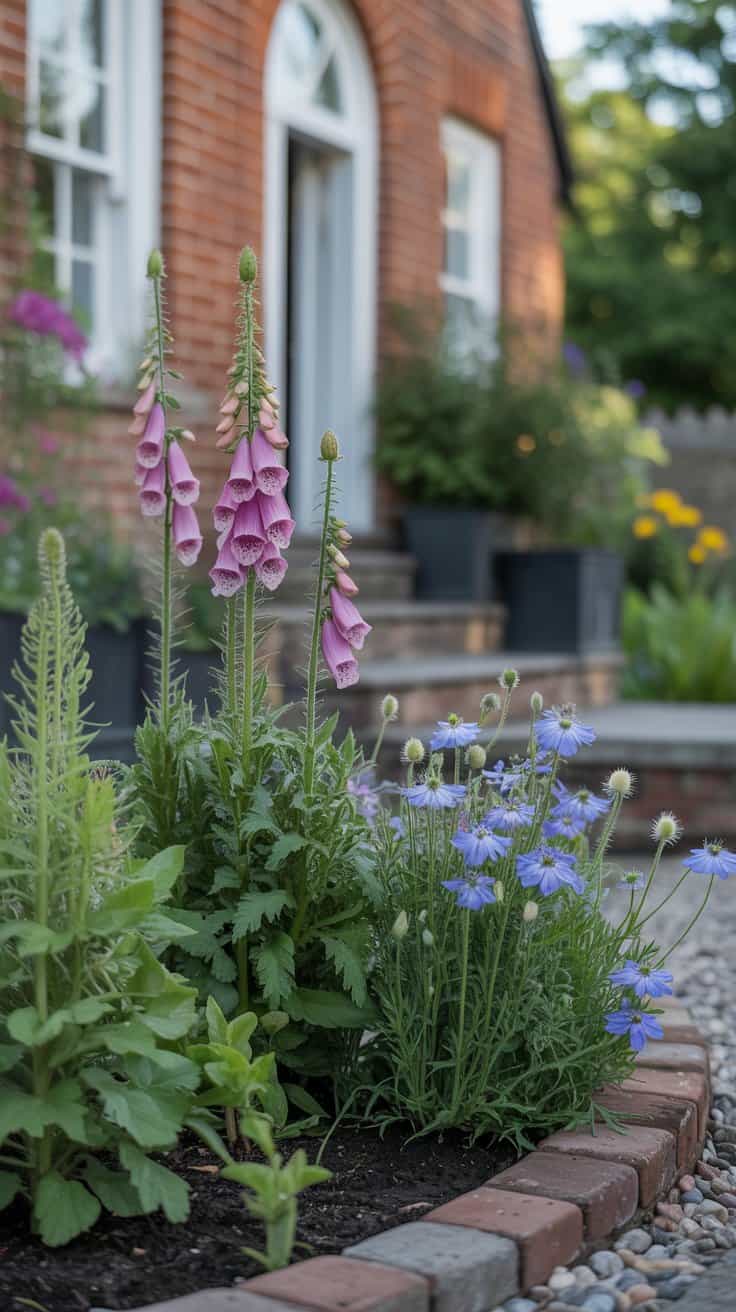
Why it works: Self-seeding plants fill gaps naturally and add to the relaxed cottage feel.
How to use it: Let them seed where they won’t overwhelm other plants or block pathways.
Low-maintenance tip: Thin seedlings only when needed and enjoy the rest for free.
14. Front Yard Cottage Gardens Without Lawns
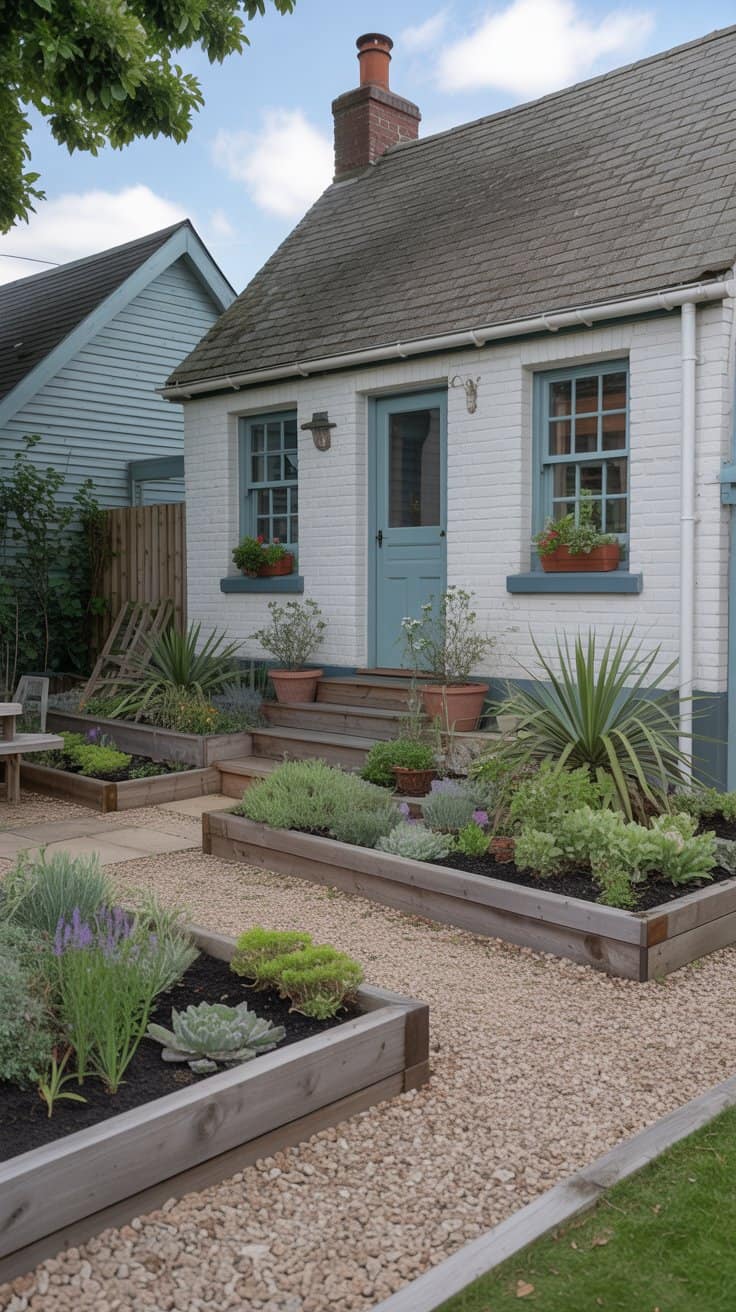
Why it works: Lawns often demand the most time, water, and effort of any garden feature.
How to use it: Replace grass with gravel, planting beds, or ground cover plants.
Low-maintenance tip: Less lawn equals less mowing, watering, and seasonal stress.
15. Focus on Layers, Not Perfection
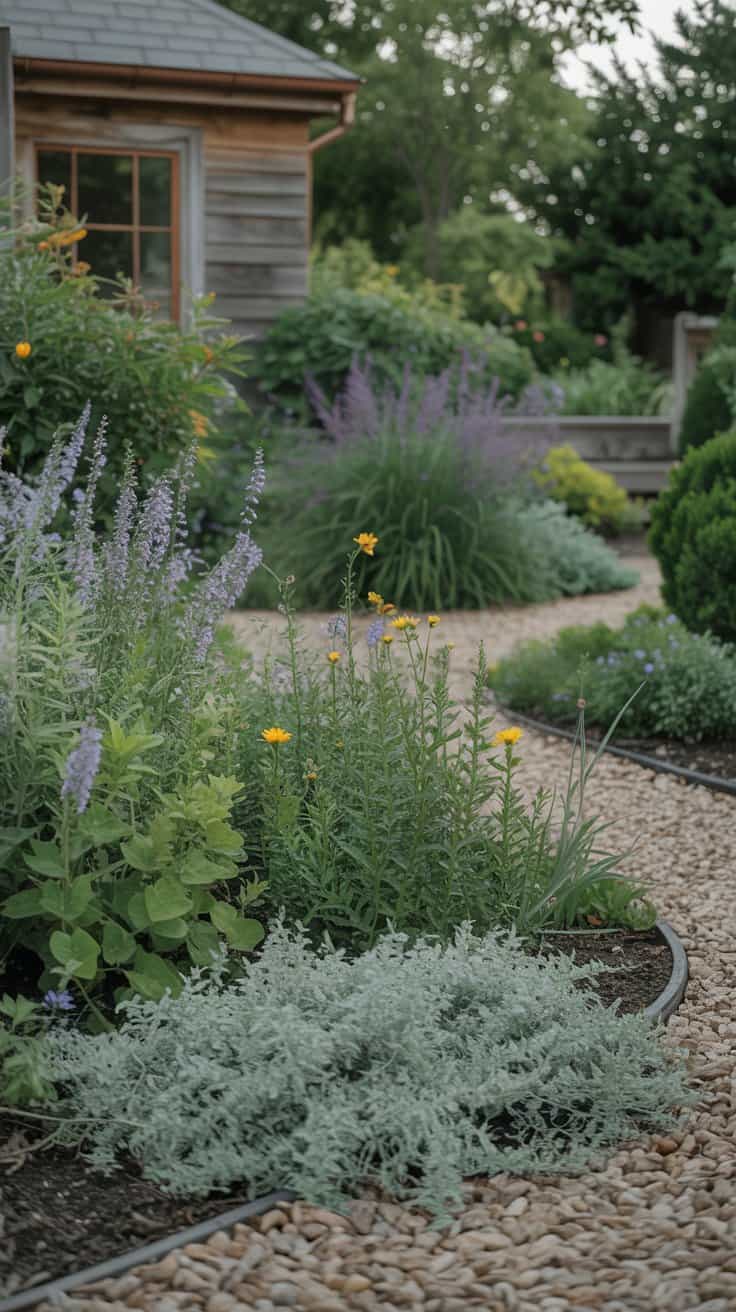
Why it works: Cottage gardens shine when they feel full, layered, and slightly imperfect.
How to use it: Build layers from ground cover to mid-height plants and taller shrubs.
Low-maintenance tip: Layers hide bare spots and allow the garden to evolve naturally.
Final Thoughts
A low-maintenance front yard cottage garden is about choosing plants and layouts that work quietly in the background. With thoughtful structure and forgiving planting, your garden can feel romantic and welcoming without demanding constant attention.
It’s less about control — and more about letting the garden do what it does best.