

Avoid These Common Green Tea Mistakes
Ever had green tea taste bad? Yeah, we get it. But, there’s good news. The secret to great green tea isn’t hard to find. It’s all about how you make it.
You might be making some mistakes. But don’t worry, we’re here to help. Let’s make your green tea better, together.
Key Takeaways
- Understanding the art of green tea preparation is key for great taste and health benefits.
- Staying away from common mistakes can make your tea experience better.
- It’s not just about the tea bag. It’s about the leaves, temperature, and time too.
- Missing out on details can make your tea not as good as it could be.
- Follow along to make your green tea experience even better.
Understanding the Basics of Green Tea Preparation
Starting to brew green tea means learning some key steps. These steps make sure every cup is full of flavor. Many people start with easy-to-find powdered or bagged tea, but it’s not the best way.
Choosing the Right Leaves Over Convenience
Real flavor comes from green tea leaves chosen with care. Using loose leaves instead of bags makes your tea better. It lets you control the quality of your tea.
While it’s tempting to grab bagged tea, loose leaves are like fresh veggies. They taste much better.
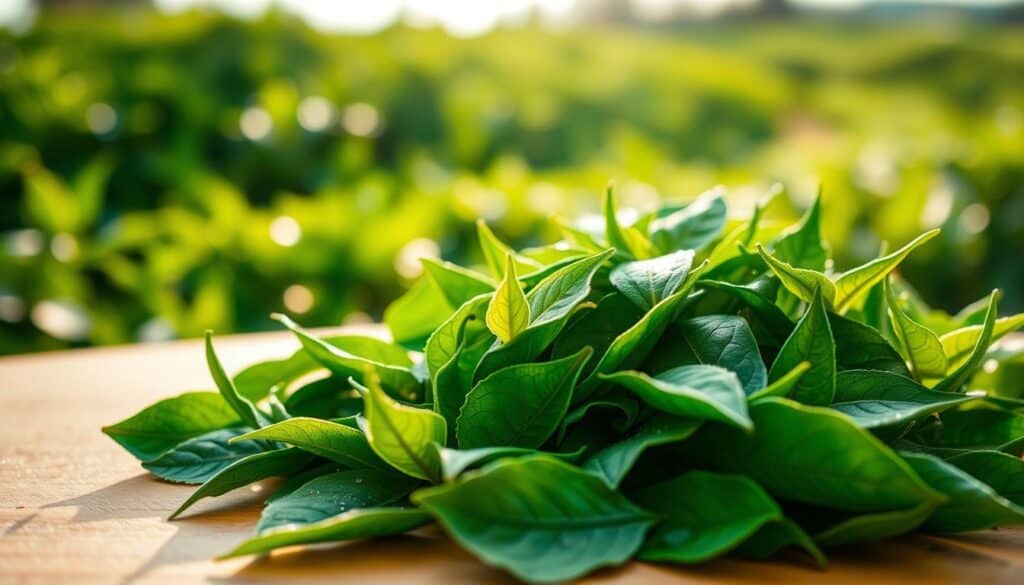
Quality Matters: Assessing Color and Shape Consistency
When picking the best green tea practices, look at the leaves’ color and shape. Good green tea leaves are bright and even in shape. This shows they were grown and made with care.
Leaves that are different colors or shapes are not good. They mean the tea is not of high quality. So, take your time to pick the best tea.
The Importance of Proper Water in Brewing Green Tea
Water is key for a great green tea. The right water is as important as the tea leaves. We’ll explore why water matters and share tips for brewing.
Think all water is the same for brewing green tea? No, it’s not. Water quality affects taste and tea experience. We’ll show you the best water choices.
The Dangers of Using Distilled or Hard Water
Distilled water is bad for green tea. It lacks minerals, making tea tasteless. Hard water also ruins the flavor, making tea less enjoyable.
Choosing the Best Water for Brewing
Soft water, spring water, or filtered tap water are good options. They have few additives and a neutral pH. This keeps green tea’s flavor pure.
| Type of Water | Pros | Cons |
|---|---|---|
| Spring Water | Perfect balance of minerals. | Can be expensive and not easily available. |
| Filtered Tap Water | Accessible and economical. | Quality depends on the filter used. |
| Soft Tap Water | Low in minerals, does not alter taste. | May require water softening equipment. |
| Bottled Water | Consistent quality and taste. | Not environmentally friendly. |
For great green tea, use clean water. Always taste the water before brewing.

Green Tea Mistakes You’re Probably Making
Let’s talk about green tea. You might be missing out on its green tea health benefits because of some common mistakes. Like drinking it too soon after eating, which can hurt iron absorption. Or maybe you’ve added boiling water to the leaves, thinking it’s like black tea.
Steeping times are another issue. If you leave the leaves in too long, it gets bitter. And drinking it too hot can hurt your esophagus.
Don’t worry, green tea isn’t the enemy. Making mistakes is part of learning. Your perfect cup is just a few changes away.
More Green Tea Resources
Mastering the Brewing Temperature and Time
Brewing green tea is like an art. It needs a gentle touch and the right conditions. This makes every cup special.
Avoid Boiling Water: Finding the Sweet Spot
Don’t use boiling water. Hot water can ruin green tea’s flavors. It makes the tea taste bitter instead of smooth.
Instead, use water between 160 to 180 degrees Fahrenheit. This is just before boiling. Use a thermometer or listen to your kettle to get it right.
Patience Pays Off: Optimal Brewing Time
The right brewing time is key. Brew green tea for 2 to 3 minutes. This lets the flavors come out without being too strong.
But, the time might change with different tea types and freshness. You might need to try a few times to find what you like best.
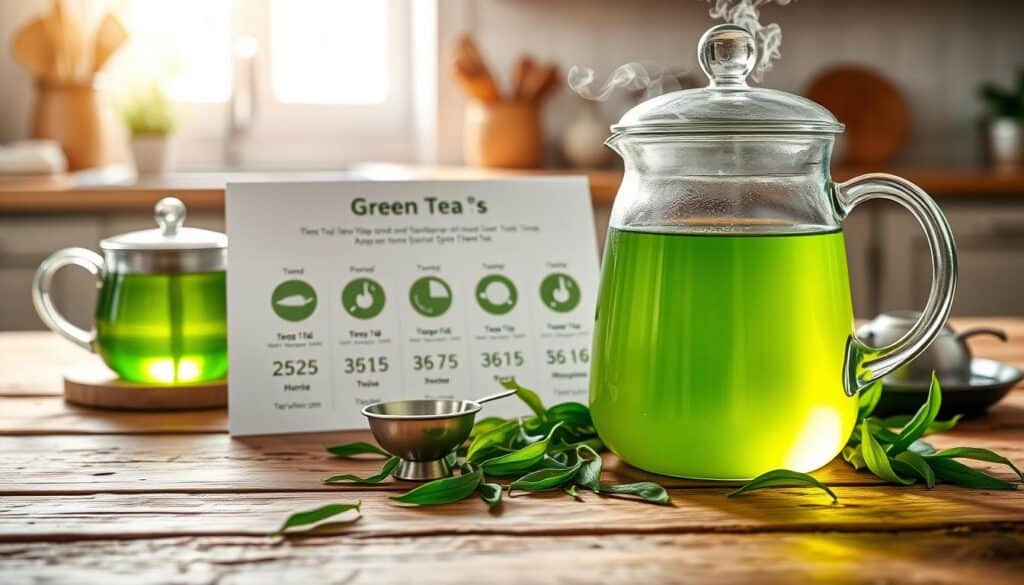
Remember, less is more when brewing green tea. Start with cooler water and shorter times. You can always add more time if needed.
Enjoy the process and make each cup your own. This way, you get a tea experience that’s just for you.
Storage and Serving: Preserving the Essence
Storing green tea is like caring for a delicate wine. The way you store it affects its taste and health benefits. Knowing how to store green tea well keeps it fresh and full of green tea health benefits.
Keeping green tea away from light, air, and moisture is key. These things can harm its antioxidants. These antioxidants are important for green tea for weight loss and health. Store your tea in an airtight container in a cool, dark spot.
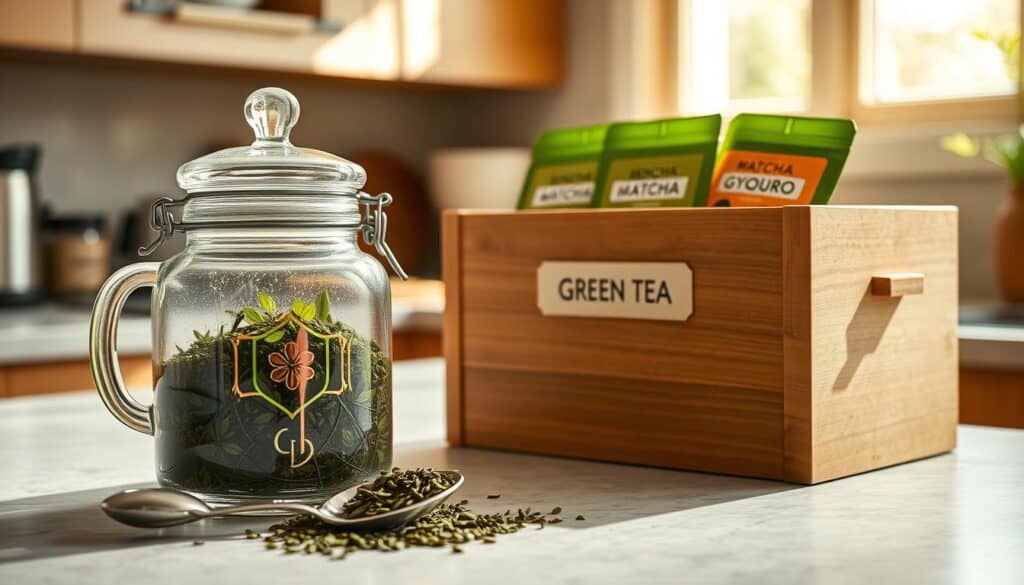
Choosing the right teaware is important for enjoying green tea. Pick teapots and cups that are gentle on the tea. A narrow-mouth cup keeps the tea warm and flavorful.
Storing and serving green tea right is important for its health benefits. Treat your green tea with care, and it will reward you!
Avoiding the Overconsumption Trap
When it comes to green tea, a little is best. It’s easy to think more is better. But, this isn’t always true. Knowing how much to drink is key to enjoying its benefits without problems.
Drinking too much green tea might seem like a health boost. But, it can cause jitters and mess up your sleep. This turns a calm tea time into a less comfortable one.
Too much of anything is good for nothing – This holds specially true when sipping your way to health.
Drinking green tea at different times of the day is smart. It helps your body get the most benefits. It also keeps your energy up without the crash from too much caffeine.
Limit Your Intake: The Right Amount of Green Tea
Drinking 2-3 cups a day is a good rule for most. This amount gets you the health benefits without too much caffeine.
The Best Times to Enjoy Green Tea
When you drink green tea matters a lot. For the best health benefits, drink it in the morning or early afternoon. This helps you stay energized during the day.
Don’t drink green tea too close to bedtime. The caffeine can mess up your sleep. This is bad if you’re trying to use green tea for health reasons.

Real benefits come from being consistent and balanced. Keep your green tea drinking in check. This way, you’ll likely see better health and well-being. So, think about the timing and amount when you grab that teapot. It’s not just about the taste, but also how it helps you.
Conclusion
Alright, folks. If your green tea ritual was a little off-key, now you’ve got the harmonies down. Making green tea is more than just hot water and a bag. It’s an art that needs care and mindfulness.
We’ve cleared up common misconceptions that might have been holding you back. Now, you know how to make a perfect cup of green tea. And remember, the truth about green tea is always more refreshing than myths.
So, let’s make your tea-time special. Being a green tea guru is not just knowing about tea. It’s about the love and respect you put into every cup. You might make mistakes, but brewing with intention is what matters.
Keep these tips close to your kettle. Treat them like pearls of wisdom from a wise tea lover. Every sip of green tea should celebrate taste and calmness. It’s a soothing ritual that takes you away from daily stress.
So, keep brewing and sipping. Let each cup remind you that the magic of green tea is in the method. Cheers to your tea journey!