
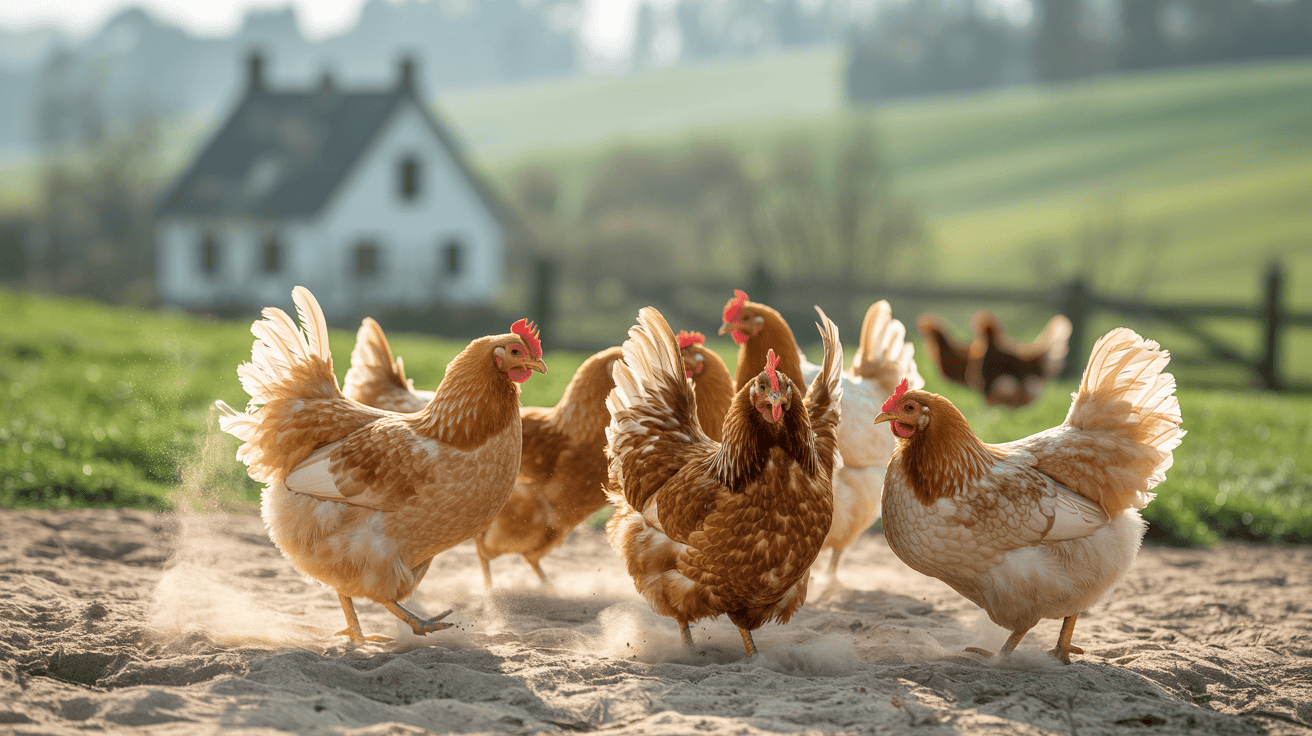
12 Mistakes New Chicken Owners Should Avoid
Getting your first chickens feels exciting, chaotic, and slightly terrifying all at once. You picture fresh eggs, adorable fluffy butts, and wholesome “backyard farmer” vibes. Then reality taps you on the shoulder like, “Hey… you sure you know what you’re doing?” 🙂
This post contains affiliate links. If you purchase through these links, I may earn a small commission at no extra cost to you. Learn more here.
Don’t worry — every new chicken keeper makes mistakes. Some are harmless. Others can derail your entire flock before you even realise what happened. I’ve screwed up more than once (FYI, chickens do not magically feed themselves… learned that the hard way).
Let’s walk through the most common mistakes new chicken owners make — and how to avoid them like a pro.
1. Building a Coop That’s Too Small

Your chickens need more space than you think. Those cute little fluff balls turn into full-size drama queens in weeks. Tight coops create stress, fighting, and health issues.
How to avoid it
At least 3–4 sq ft per chicken inside the coop
8–10 sq ft per chicken in the run
Why it matters
Cramped birds act like toddlers stuck indoors too long. They peck, bully, and turn into feathery menaces.
2. Using the Wrong Bedding
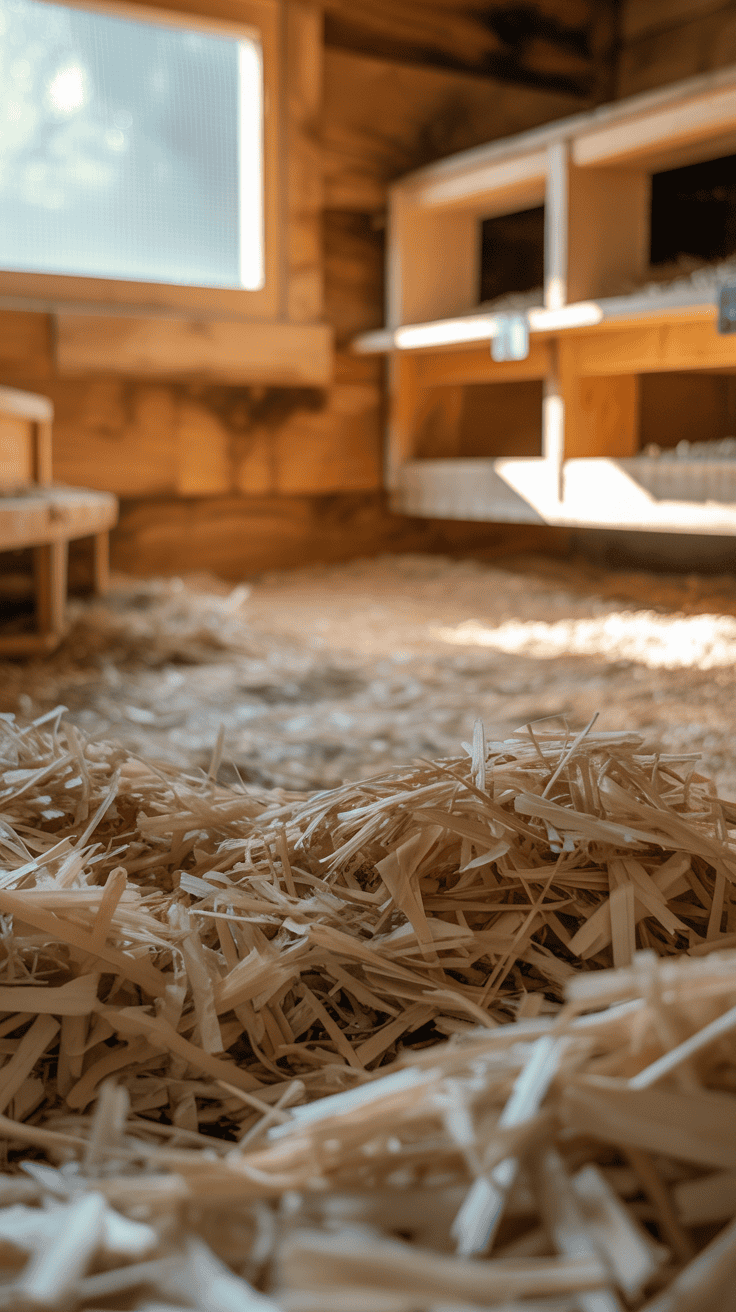
Not all bedding works. Some new owners grab whatever they can find — newspaper, straw, even shredded junk mail.
Best bedding choices
Pine shavings
Hemp bedding
Sand
Avoid
Cedar shavings
Straw
Newspaper
3. Underestimating Predator Problems
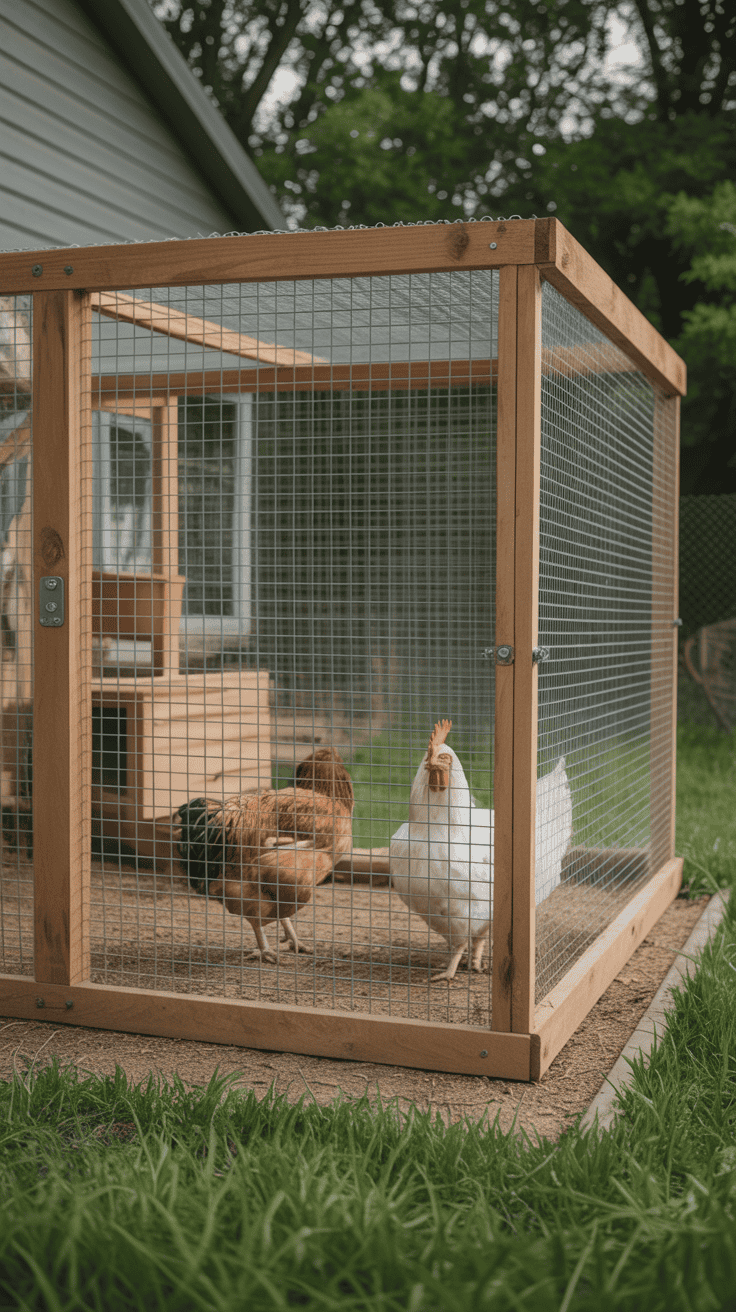
Everything wants your chickens — foxes, raccoons, hawks, badgers, even neighbourhood cats.
How to avoid disaster
Use hardware cloth, not chicken wire
Secure the coop floor
Use predator-proof locks
Predators only need one chance.
4. Forgetting About Ventilation
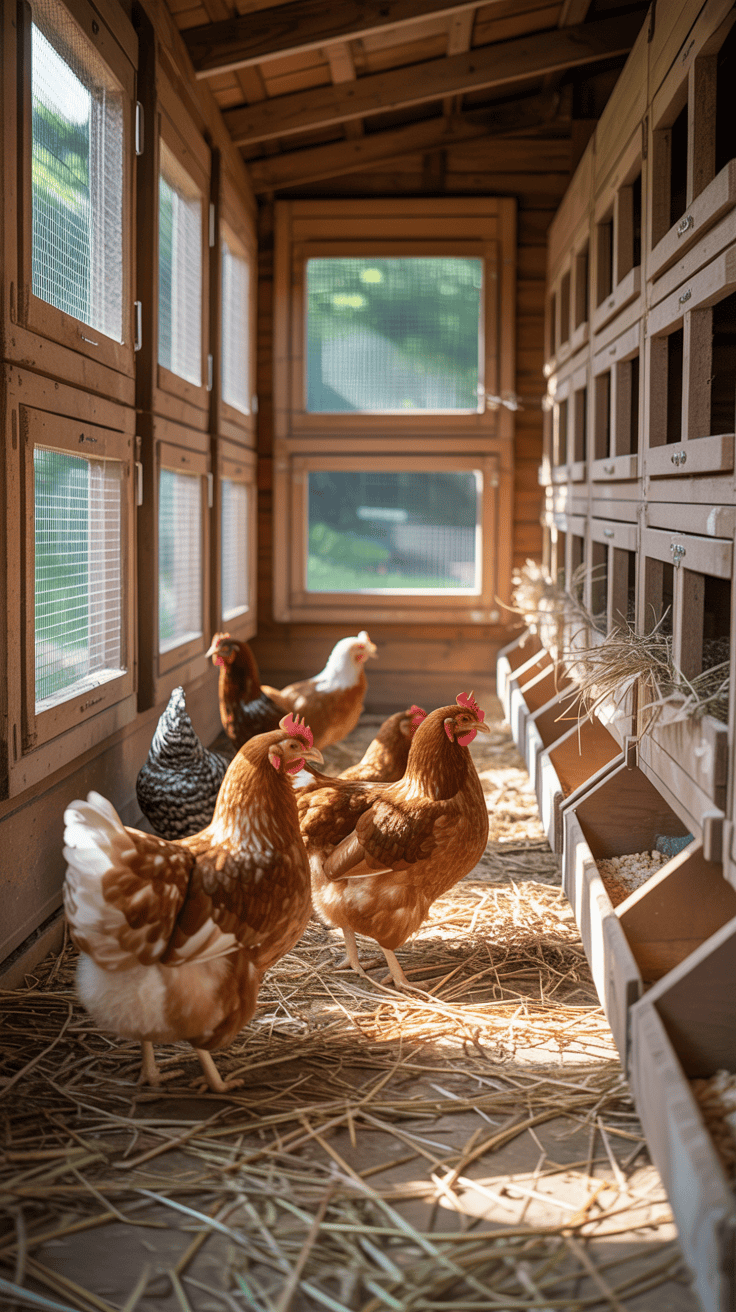
Ventilation ≠ drafts. Many owners accidentally create a chicken sauna.
Why ventilation matters
Chickens produce moisture, heat, and ammonia. Bad air leads to respiratory issues.
Rule of thumb
More ventilation in summer
Less in winter
Never zero
5. Mixing Too Many Chicken Breeds Too Soon
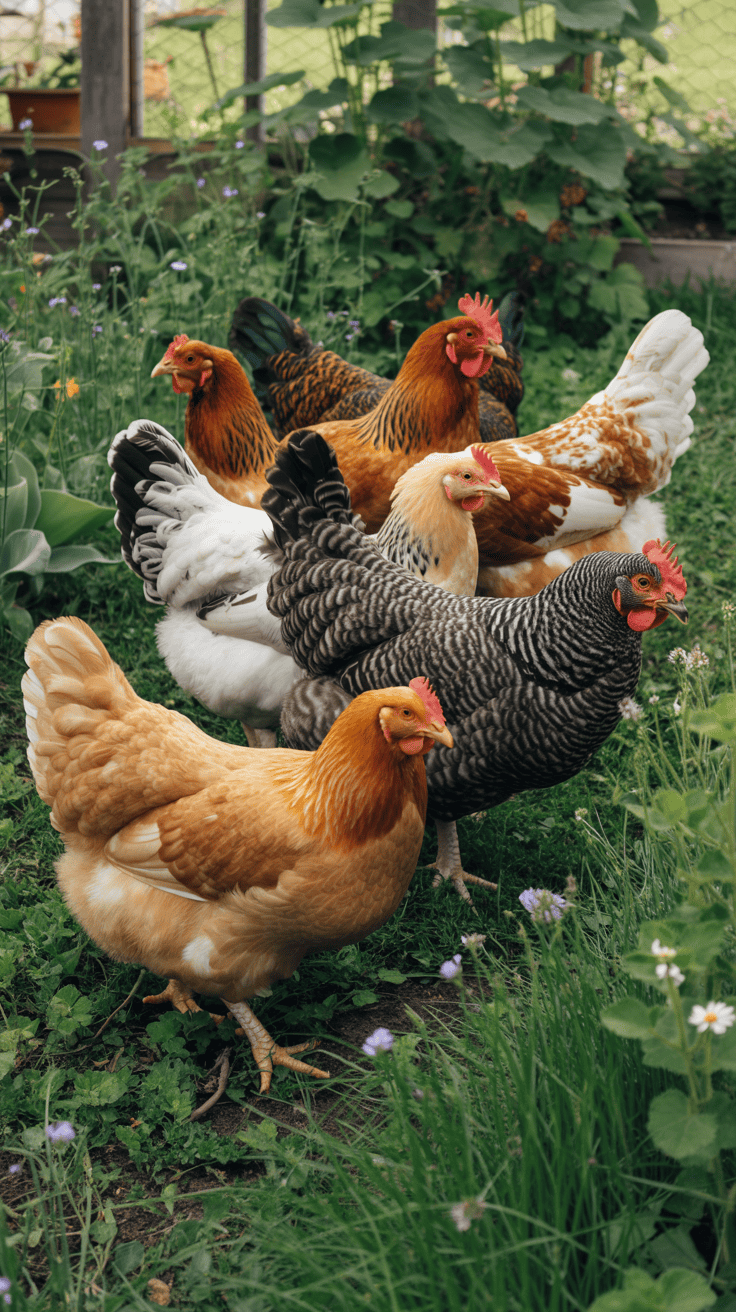
Different breeds = different personalities. Some are sweet. Others act like they run a biker gang.
How to avoid chaos
Choose similar temperaments:
Buff Orpingtons
Barred Rocks
Australorps
Speckled Sussex
6. Feeding the Wrong Diet
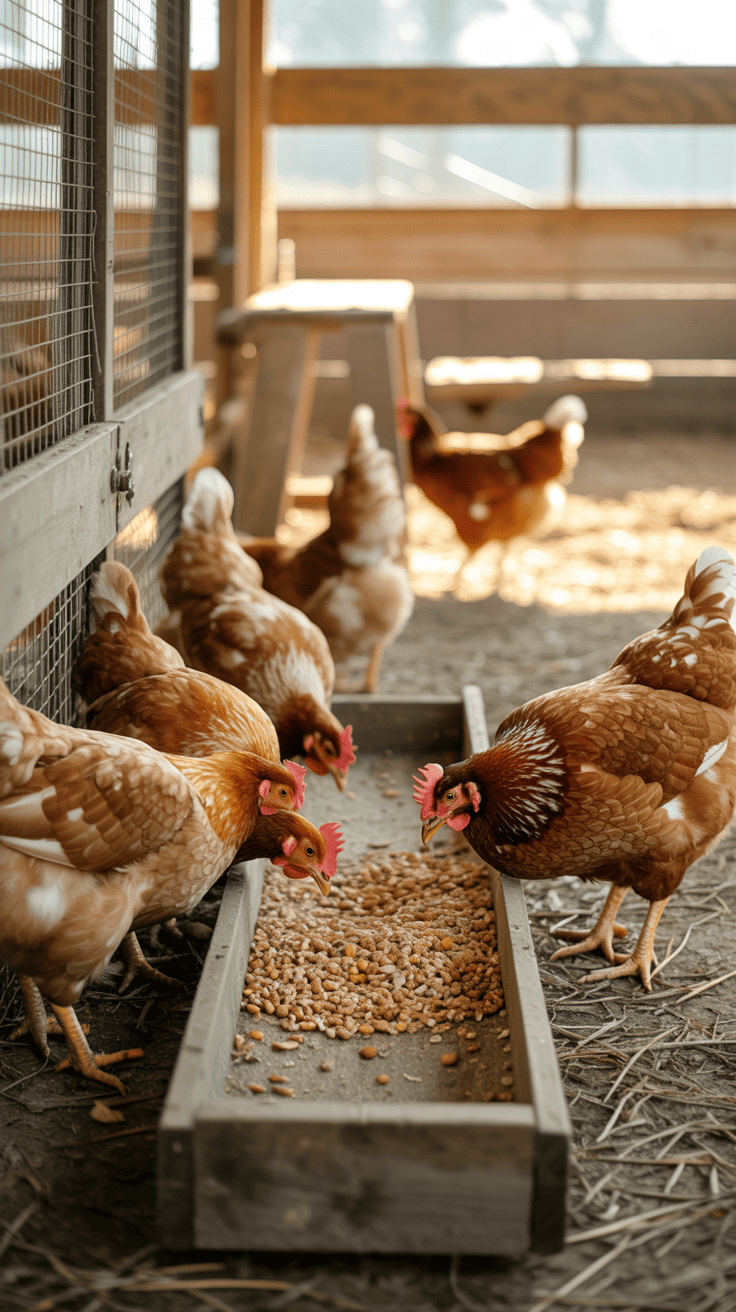
Chickens aren’t garbage disposals.
What your flock needs
Starter feed (0–16 weeks)
Grower feed (16–20 weeks)
Layer feed (after laying starts)
Grit + oyster shell
Foods to avoid
Chocolate
Raw beans
Moldy food
Salty leftovers
Avocado pits & skins
7. Skipping a Proper Cleaning Schedule
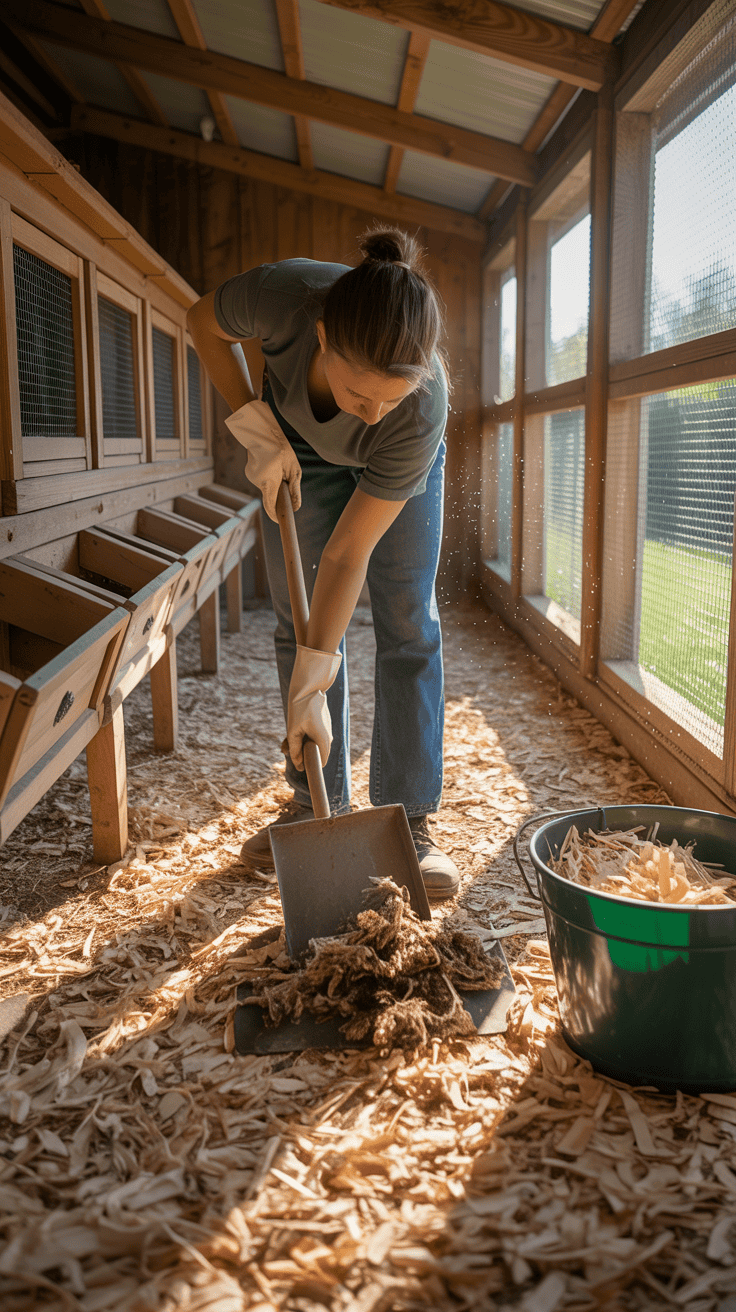
The coop will not magically clean itself.
Keep it simple
Clean droppings boards daily
Coop floors weekly
Deep clean monthly
Quick tip
A poop scraper is a surprisingly life-changing tool.
8. Ignoring Mites and Lice
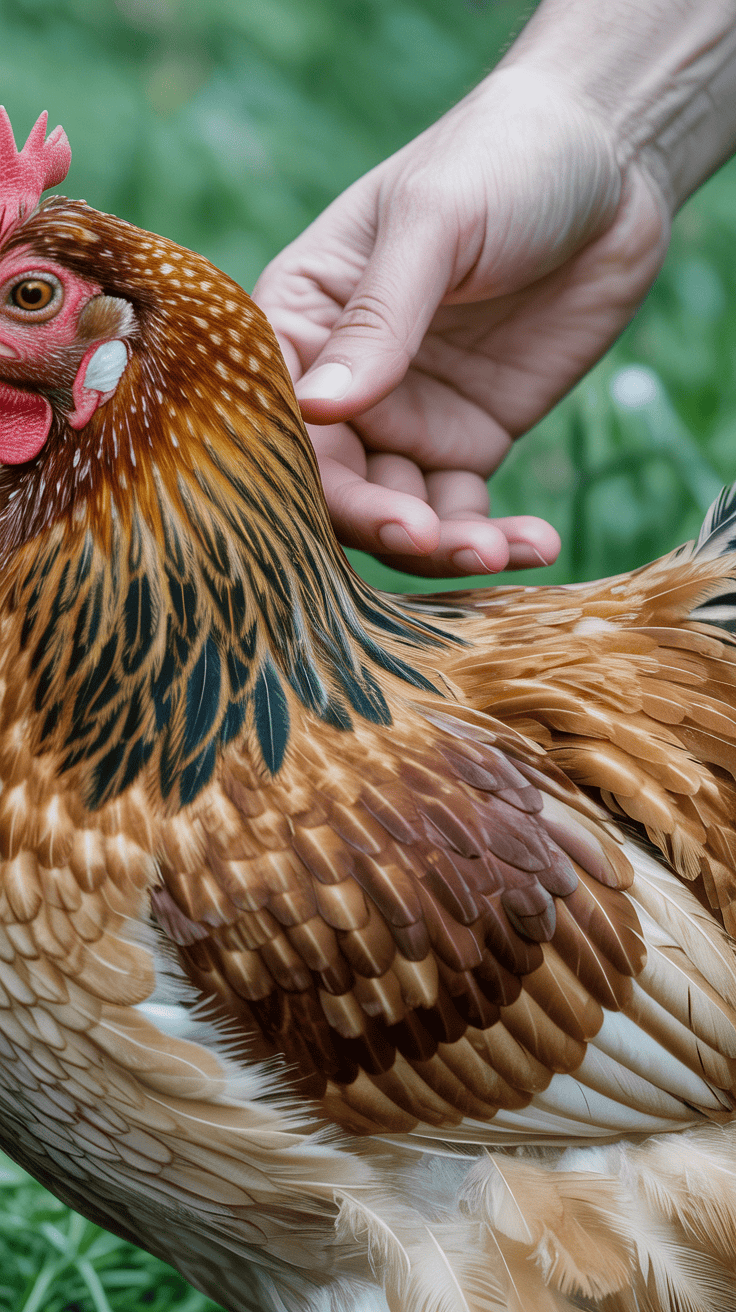
You won’t see them until the damage begins.
Signs
Scratching
Feather loss
Lethargy
Prevention
Dust baths
DE (lightly)
Weekly feather checks
Treatment
Permethrin spray or poultry-safe products
9. Not Providing Dust Baths
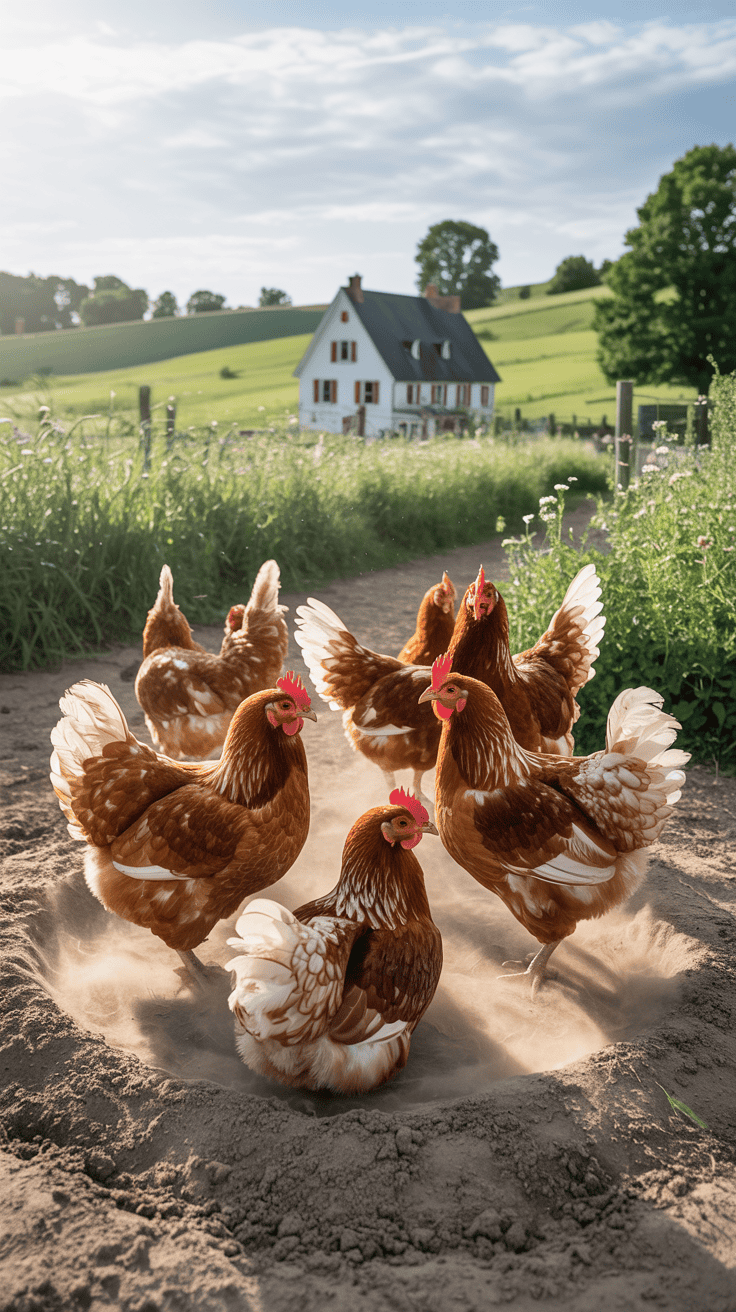
Dust baths = chicken self-care.
How to do it right
Mix dry soil, sand, and a little DE.
Dust baths prevent parasites and keep feathers healthy.
10. Letting Chickens Free-Range Without Boundaries
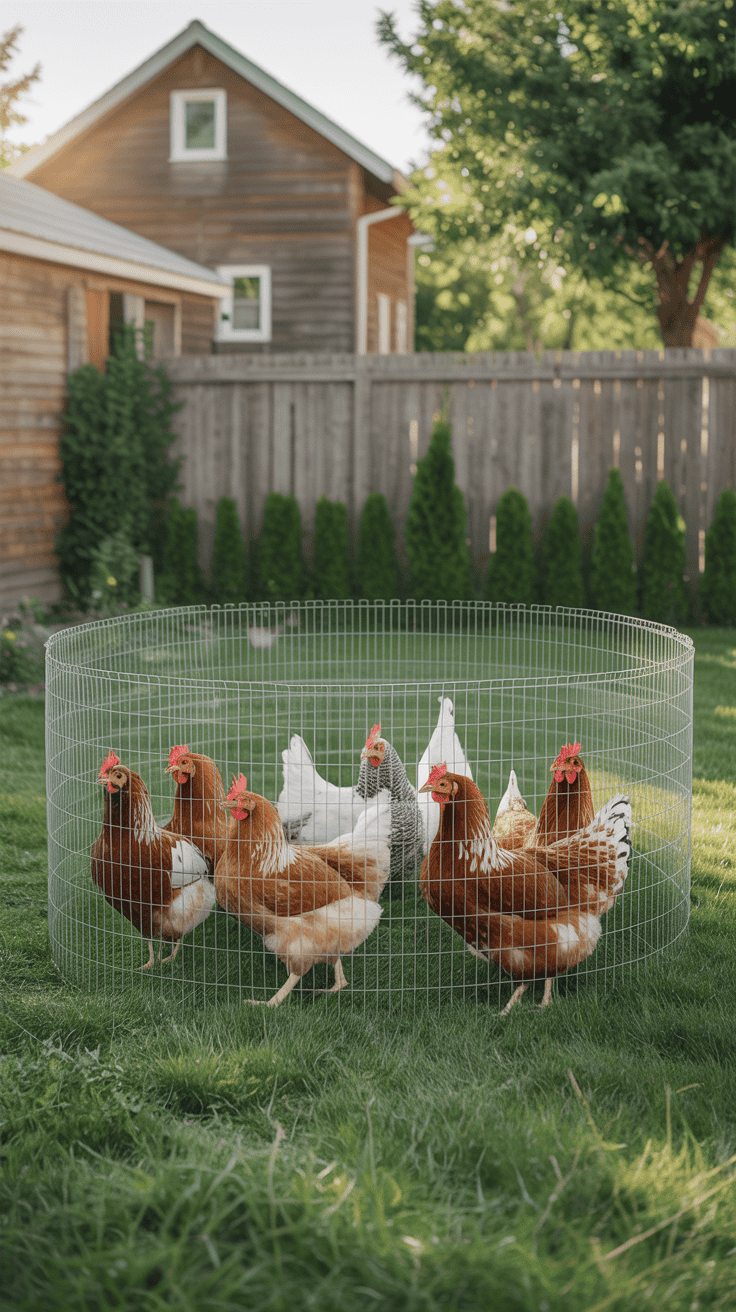
Free-range sounds cute — until chickens destroy your garden and wander into the road.
How to free-range safely
Use portable fencing
Supervise in risky areas
Use treats to lure them back
11. Not Planning for Winter or Extreme Weather
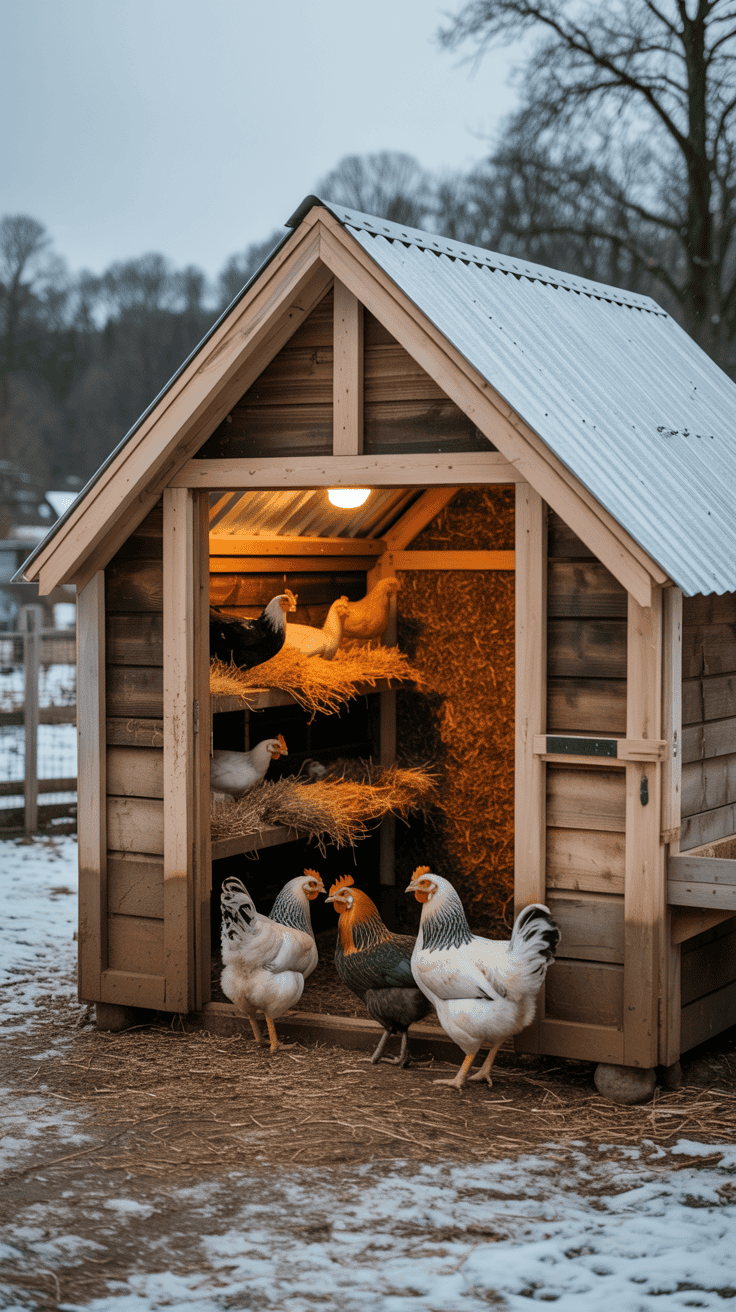
Hot summers roast chickens; cold winters freeze combs.
Prepare for all seasons
Shade + frozen bottles in summer
More bedding + vents in winter
Covered runs for wet weather
12. Forgetting Chickens Live 6–10+ Years
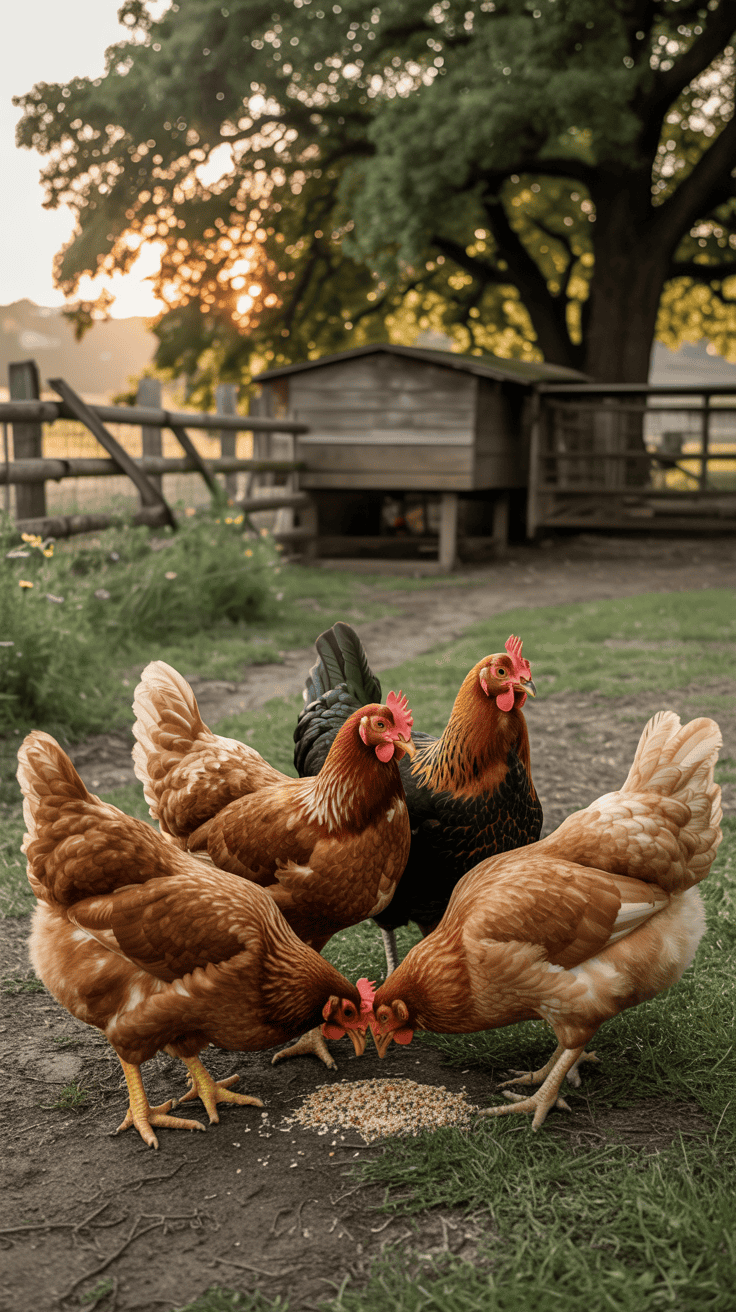
It’s a long-term commitment.
Plan ahead
Space for retired hens
Budget for long-term care
Decide if you’ll rotate younger birds
Final Thoughts
Raising chickens is rewarding, hilarious, sometimes messy, but always worth it. You’ll learn fast, and your flock will thrive when you feed them well, keep things clean, and stay ahead of predators.
Nothing beats collecting a warm egg in the morning — nature’s version of a gold star.
Avoid these common mistakes, and you’ll enjoy years of healthy, happy chickens and plenty of fresh eggs.
Shop Chicken Owner Essentials 🐔
Start your flock off right with the best coop gear, feeders, heaters, and accessories every new chicken keeper needs.
Essential for keeping foxes, raccoons, and other clever predators out of your coop and run.
Shop Hardware ClothKeep food and water clean, dry, and spill-free — a must-have for new flock owners.
Shop Feeder & WatererProtect your flock during winter and prevent frostbite with a safe, low-heat radiant coop heater.
Shop Coop HeaterSuper absorbent bedding that keeps your coop clean, dry, and fresh-smelling longer.
Shop Pine ShavingsGives your flock extra predator protection and saves you from early morning wake-ups.
Shop Automatic DoorHelps prevent mites and lice and keeps your chickens’ feathers healthy and clean.
Shop Dust Bath Supplies