

How to Create a Cocktail Menu for Your Next Party
Imagine this: Your guests arrive, glance at your drink offerings, and their eyes light up. No awkward squinting at confusing lists or defaulting to beer. Instead, they’re excited — because your menu feels like it was made just for them. Sound like magic? It’s not. It’s strategy.
This post contains affiliate links. If you purchase through these links, I may earn a small commission at no extra cost to you. Learn more here.
The best drink lists aren’t random recipes tossed together. They’re curated journeys that balance familiarity with adventure. Think of your menu as a conversation starter — one that whispers, “Trust me, you’ll love this,” while leaving room for delightful surprises.
Here’s the twist: Your signature drink might be incredible, but if your menu overwhelms guests with 20 options, even gold turns to glitter. That’s why creative cocktail ideas need structure. We’re talking flavor balance, visual appeal, and psychological nudges that guide choices without pressure.
Key Takeaways
- Audience insight drives menu success — know your guests’ preferences and comfort zones
- Flavor balance trumps quantity — 5-7 well-crafted options outperform a crowded list
- Menu psychology matters — placement and descriptions influence what people order
- Seasonal ingredients elevate perception — fresh = premium, even on a budget
- Accessibility is key — include at least one low-alcohol and one alcohol-free option
Ready to transform your next gathering? Let’s dive into the art of building a drink list that feels effortless but leaves everyone convinced you’ve got a professional mixologist on speed dial.
Understanding Your Event and Audience
Picture your front door swinging open — the real magic begins when drinks align perfectly with who walks through. Crowd analysis isn’t corporate jargon here it’s your secret weapon for crafting a menu that feels personal, not generic.
Decoding Taste Buds Before They Arrive
Your college buddy who hates cilantro? The vegan coworker? They’re all clues. Start a quick survey in invites: “Pick your vibe — citrus spark, herbal zen, or tropical escape?” Three clicks reveal more than guessing ever could.
Dietary needs aren’t hurdles — they’re creative springboards. Swap honey for agave syrup. Keep one clear spirit (vodka/gin) and one dark (whiskey/rum) to satisfy both light and bold preferences. Pro move: Batch one cocktail using seasonal fruit — it’s inclusive and cuts prep time.
Style Isn’t Just Decor — It’s in the Glass
A rustic barn wedding demands different sips than a rooftop cocktail hour. Match glassware to your theme: mason jars for casual, coupes for elegance. Even ice matters — chunky cubes whisper “crafted,” while crushed says “beach party ready.”
Don’t overlook the power of aroma. A rosemary garnish elevates a simple gin fizz. Smoked sea salt on a margarita rim? Suddenly you’re not just serving drinks — you’re creating moments people photograph.
Choosing the Right Theme for Your Next Party Atmosphere
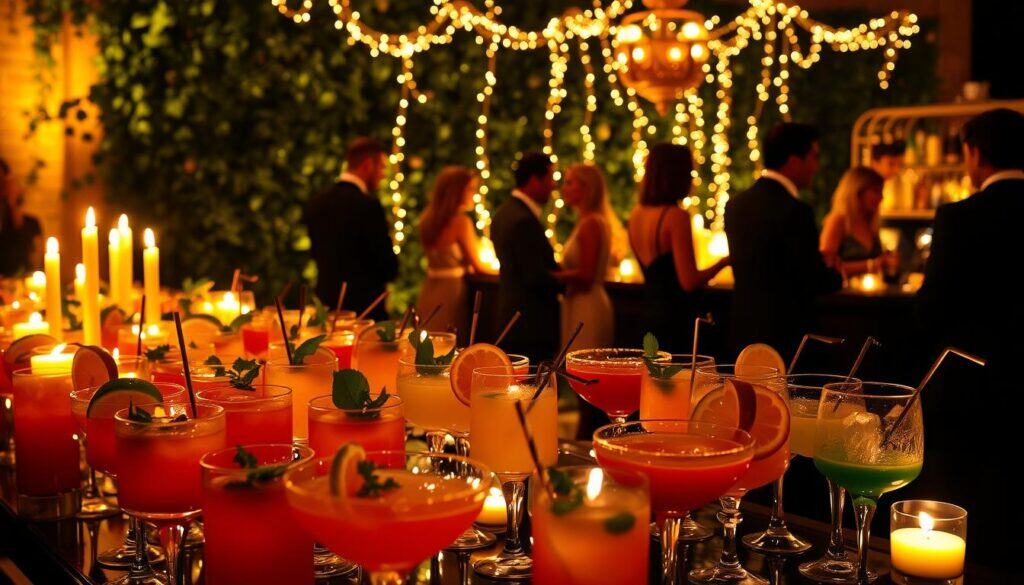
Ever notice how certain drinks transport you to another place? That’s the power of a themed cocktail lineup — it turns sips into stories. Your event becomes a curated experience where every glass reinforces the vibe.
Aligning the Menu with Your Party Atmosphere
Think of your theme as the secret sauce that binds decor, drinks, and delight. A tropical summer bash begs for pineapple wedges and umbrellas, while a speakeasy demands smoked glassware and bourbon whispers. The goal? Make guests feel they’ve stepped into a cohesive world — not just your backyard.
Consider these crowd-pleasing pairings:
| Theme | Signature Drink | Vibe | Garnish Hack |
|---|---|---|---|
| Tropical Escape | Mango-Chili Margarita | Lively & Colorful | Tajín-rimmed glasses |
| Rustic Wedding | Blackberry Sage Smash | Earthy & Romantic | Fresh herb sprigs |
| Retro Lounge | Espresso Martini | Nostalgic & Bold | Chocolate-dipped spoons |
Summer soirées thrive on icy, shareable drinks — think pitchers of hibiscus iced tea spiked with rum. Contrast that with a winter party where spiced cider cocktails in mugs create warmth. The magic happens when flavors and visuals work together to amplify your theme.
Don’t just match colors — sync textures too. A garden event? Serve lavender lemonade in weathered mason jars. Hosting a corporate experience? Opt for crystal-clear ice cubes and minimalist garnishes. Your menu isn’t just fuel — it’s time travel in a glass.
Mastering the Essentials of Cocktail Crafting
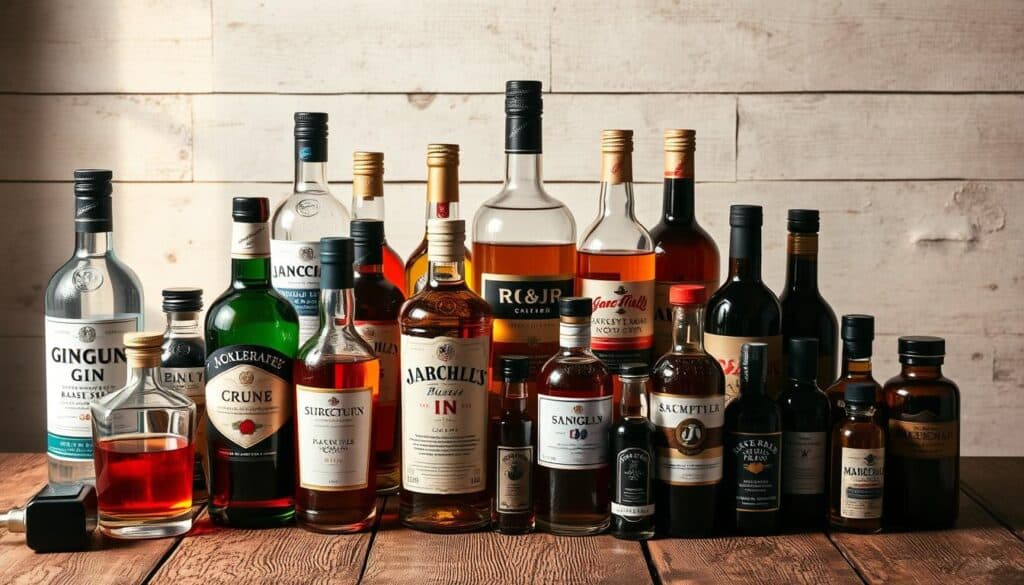
Think of your shaker as a paintbrush — every great drink begins with understanding your palette. The secret? It’s not about memorizing 100 recipes. It’s about grasping three core elements that transform random ingredients into liquid art.
The Trinity of Mixology
Your base spirit sets the stage. Gin brings botanical intrigue, tequila offers earthy warmth, vodka delivers clean versatility. These aren’t just alcohols — they’re personalities in a bottle.
Modifiers work like musical conductors. Sweet vermouth tames whiskey’s fire in a Manhattan. Lime juice brightens rum’s richness in a Daiquiri. The magic happens when these elements dance rather than duel.
| Drink Family | Base Spirit | Modern Twist |
|---|---|---|
| Spirit-Forward | Whiskey | Add coffee-infused bitters |
| Sour | Gin | Swap lemon for yuzu juice |
| Fizz | Vodka | Top with lavender tonic |
Old Soul, New Tricks
That 19th-century recipe with just four elements? It’s your blueprint, not your cage. Classic cocktails become fresh when you:
- Use local honey instead of simple syrup
- Infuse spirits with seasonal herbs
- Experiment with unexpected garnishes
The best drinks balance tradition with curiosity. A Margarita becomes new again with charred pineapple juice. An Old Fashioned sings when you add black cardamom flavor. Your guests taste the familiar — but feel the thrill of discovery.
How to Create a Cocktail Menu for Your Next Party
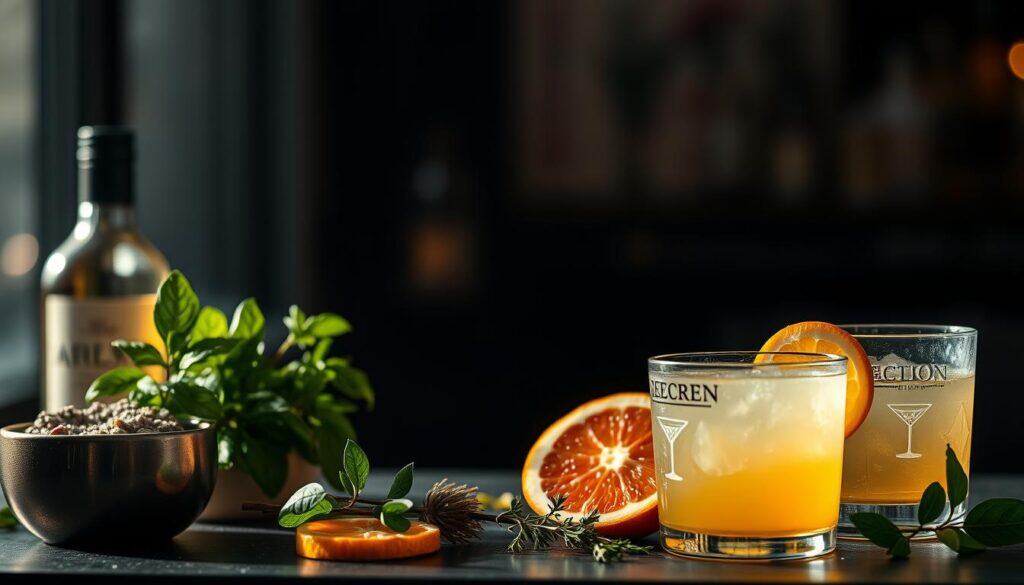
Time to turn inspiration into action. That perfect mix of drinks doesn’t happen by accident — it’s built through smart curation. Start with 10-12 options. Why? Psychology proves this range balances excitement with comfort, letting guests explore without drowning in choices.
Strategic Drink Architecture
Bartenders swear by this formula: 2-3 signature stars that scream your event’s personality. Think smoked peach old fashioneds for a fall wedding or hibiscus palomas for summer. Then anchor with 4-5 trusted classics — cosmos, mojitos, margaritas — familiar flavors that ease decision stress.
Now layer in texture:
- 2 light sippers (spritzes, vodka-cucumber)
- 1-2 bold options (negronis, whiskey smashes)
- 3 non-alcoholic showstoppers (think shrubs, not juice)
Here’s the pro move: Build your menu like a music playlist. Open strong with your signature pour. Place crowd-pleasers in the middle. End with adventurous sips that tempt curious drinkers. This flow guides choices while feeling organic.
| Category | Examples | Prep Tip |
|---|---|---|
| Signature | Basil-Berry Gin Fizz | Batch base mix night before |
| Classic | Moscow Mule | Use ginger beer, not ale |
| Non-Alc | Spiced Pineapple Tonic | Add star anise for aroma |
Make sure every drink has a clear flavor identity. Start with base spirits, then layer modifiers (citrus, syrups), finishing with accents like bitters or salts. This hierarchy prevents muddy flavors — and helps bartenders execute smoothly.
Designing a Visually Captivating Menu

Your drink list isn’t just paper—it’s your best-dressed host. Guests’ eyes follow predictable paths, drawn first to the center, then the top right corner. This Golden Triangle effect means your star cocktails belong in these hotspots. Place bold flavors or unique creations here to spark curiosity.
Strip dollar signs from prices. Studies show “14” instead of “$14” shifts focus from cost to experience. Guests become 24% more likely to try unfamiliar drinks when numbers stand alone. It’s a subtle nudge toward adventure.
QR Codes Meet Craft Cocktails
Dim lighting? No problem. Embed QR codes that link to digital menus with high-contrast text. Bonus: Track which drinks get the most clicks. Use that data to refine future offerings.
Design hierarchy matters most. Try this formula:
- Headlines: Bold fonts for signature drinks
- Spacing: White space around premium options
- Color: Match your bar setup’s aesthetic
Smart menus use decoy pricing. Include one luxe option (think gold-flecked garnishes) to make other cocktails seem reasonably priced. Suddenly your $12 smoked maple old fashioned feels like a steal next to a $22 truffle-infused martini.
Incorporating Signature Cocktails and Seasonal Ingredients
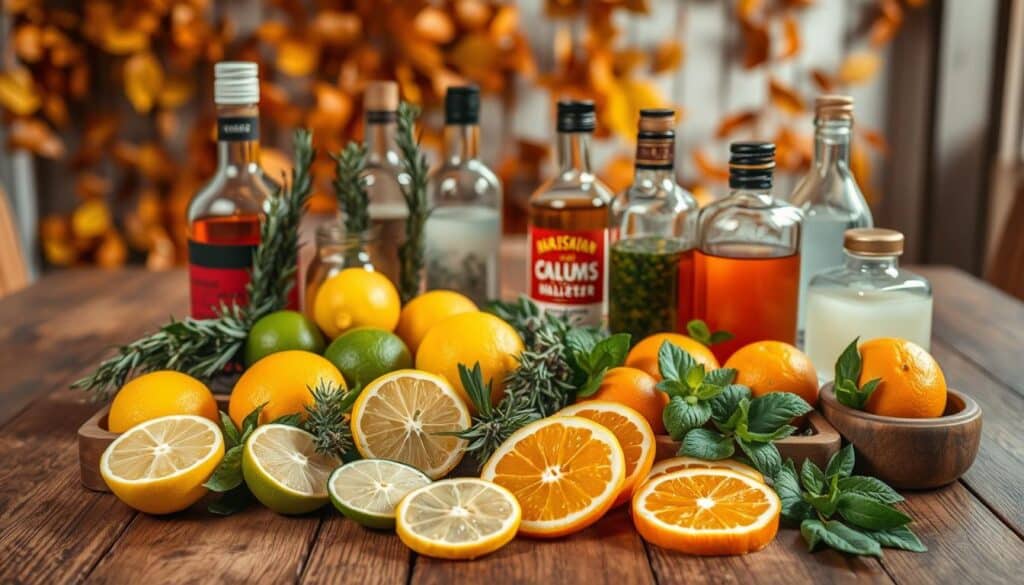
That first sip should feel like your event’s personality in a glass. Signature cocktails become edible name tags when crafted with intention—they tell guests who you are before you’ve said a word. Start with spirits that mirror your crowd’s preferences: bourbon for warmth, tequila for adventure, gin for sophistication.
Liquid Storytelling Through Drinks
Your signature creation isn’t just alcohol + mixer. It’s a three-act play:
- Act 1: Base spirit (local distillery rye)
- Act 2: Seasonal star (roasted pear purée)
- Act 3: Garnish drama (thyme smoke under the glass)
Farmers’ markets are your new best friend. Summer’s ripe strawberries muddle into vodka with basil. Fall’s apple cider shakes hands with cinnamon-infused rum. These ingredients don’t just taste fresh—they spark conversations about your commitment to quality.
The Seasonal Ingredient Playbook
| Season | Hero Ingredients | Garnish Game |
|---|---|---|
| Spring | Rhubarb, elderflower, pea shoots | Edible violets, candied ginger |
| Summer | Watermelon, mint, heirloom tomatoes | Salt-rimmed tajín, charred lime |
| Fall/Winter | Cranberry, spiced honey, chestnut | Smoked cinnamon, sugared rosemary |
Want guests to remember your memorable signature cocktail menu? Name drinks like inside jokes. The “Karen’s Bachelorette Blues” (blueberry-mint margarita) or “Dad’s Garage Project” (bourbon with burnt orange). Every sip becomes a shared memory.
Analyzing Menu Profitability and Engineering for Success
Your cocktail lineup isn’t just about taste—it’s a strategic business model in disguise. Even casual gatherings benefit from menu engineering strategies that balance guest delight with budget reality. Think of it as matchmaking: pairing popular drinks with profitable recipes.
The Four Drink Personalities
Every cocktail falls into one of four categories using the menu engineering matrix. Stars (crowd favorites with high margins) get prime real estate on your list. Plow Horses—those vodka sodas everyone orders—need cost tweaks to boost profits. Identify Puzzles (underrated gems) with bold descriptions, and quietly retire Duds draining your wallet.
Flavor Math That Works
Balance your offerings like a flavor compass: Light & Refreshing (think gin fizz), Adventurous (smoked chili margaritas), Strong & Aromatic (negronis), and Comforting (spiced old fashioneds). This mix ensures every guest finds their north star.
Calculate contribution margins nightly: Selling price minus ingredient costs. That $8 mezcal cocktail? If ingredients cost $3, its $5 margin funds other recipes. Smart hosts batch high-margin drinks while keeping premium ingredients for showstopper sips.
This approach turns your home bar into a well-oiled machine—profitable enough to fund future gatherings, memorable enough to have friends begging for invites. Because nothing says “host with the most” like a party that’s both unforgettable and financially sustainable.