
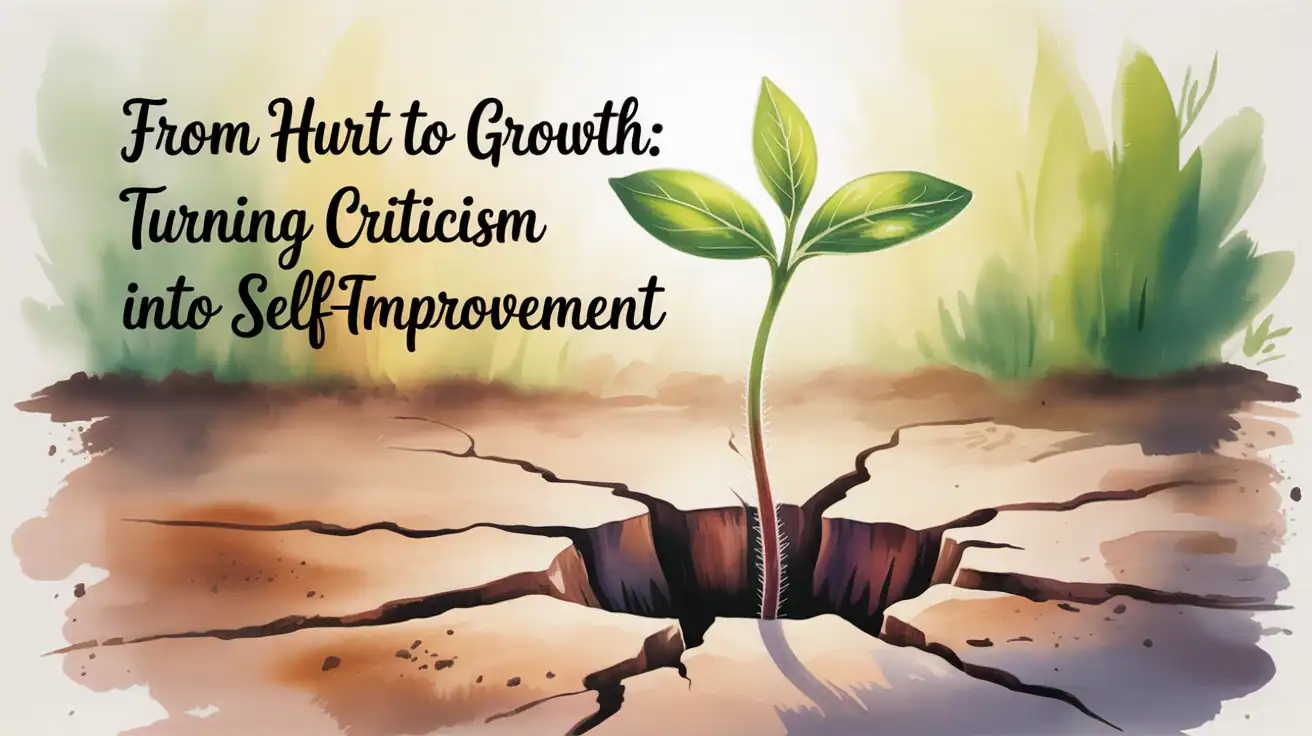
From Hurt to Growth: Turning Criticism Into Self-Improvement
What if that sting of criticism could actually become your secret weapon for personal growth?
Your heartbeat races. Your palms sweat. That familiar knot forms in your stomach. When criticism strikes, your brain launches into survival mode – treating harsh words like a charging bear. Daniel Goleman calls this “amygdala hijacking” in his groundbreaking book Emotional Intelligence. Your ancient brain can’t tell the difference between a saber-toothed tiger and a scathing email from your boss.
But here’s where things get interesting. Frank A. Clark once observed that criticism should be “gentle enough to nourish a man’s growth without destroying his roots.” Think of it like rain – too much floods everything, but just the right amount makes gardens flourish. The trick lies in transforming criticism from poison into fertilizer.
That toxic cocktail of emotions flooding your system? You can actually redirect it. Instead of letting criticism torpedo your self-esteem, you can channel that same energy into personal growth. It’s not about developing thick skin or pretending words don’t hurt. It’s about turning criticism into self-improvement fuel.
Key Takeaways
- Your brain treats criticism like physical danger – triggering the same fight-or-flight response
- Transforming criticism starts with understanding your emotional reactions
- Personal growth happens when you redirect negative energy into positive action
- Criticism can become a tool for self-improvement instead of self-destruction
- Learning to process feedback effectively builds emotional resilience
- The right mindset turns harsh words into stepping stones for success
Understanding the Nature of Criticism
Not all criticism is the same. Some makes you feel better and helps you grow. Others just make you feel small. Knowing the difference can change how you grow and improve yourself.
What Is Constructive Criticism?
Constructive feedback is like a GPS for your life. It tells you what went wrong and how to fix it. When your boss says, “Add data to support your points,” that’s actionable. You know what to do next.
Good constructive criticism focuses on actions and results, not on you. It’s given with respect and care for your growth. The person giving it wants you to succeed.
Distinguishing between Constructive and Destructive Criticism
Destructive criticism is different. It’s unclear, personal, and leaves you confused. Saying “You’re just not good at this” doesn’t help you improve. Critics might be showing their own issues on you.
Here’s how to tell them apart:
- Constructive: Specific, solution-focused, respectful
- Destructive: Vague, person-focused, disrespectful
Mozart said something wise,
“I pay no attention whatever to anybody’s praise or blame. I simply follow my own feelings.”
Great advice, but first, learn to spot good criticism for self-growth.
The Emotional Impact of Criticism

When someone criticizes you, your brain goes into survival mode. It stops thinking clearly and starts feeling a lot. This makes overcoming criticism seem hard at first. But knowing how you react is the first step to being strong.
Common Reactions to Criticism
Your body sees criticism as a danger. Here’s what usually happens:
- The freeze response: Your mind goes blank, leaving you speechless
- Racing thoughts: “Am I really that bad?” loops endlessly
- Anger surge: You want to defend yourself or attack back
- The shame spiral: Old insecurities bubble up unexpectedly
These reactions aren’t because you’re flawed. They’re your brain’s old alarm system. The hard part is, this emotional reaction stops you from learning from the feedback.
Managing Emotional Responses
You can’t stop the initial shock, but you can choose how to react next. Start with the pause and breathe method – count to ten before you answer. This simple step helps your thinking brain come back.
Then, try to understand why you reacted that way. Strong feelings often hide deep issues. That criticism about your presentation might remind you of old fears. Seeing these patterns helps you grow stronger by separating past hurts from current feedback.
Remember, feeling hurt doesn’t mean you’re weak. Using those feelings wisely is what turns criticism into a chance to get better.
Shifting Perspective on Criticism

Think about the last time someone criticized your work. Did your stomach drop? Did you feel attacked? That’s your brain protecting you. But, not all criticism is bad. When you see it as a chance to grow, everything changes.
Viewing Criticism as Feedback
Feeling crushed or empowered depends on how you see things. Instead of hearing “you’re wrong,” think of it as “here’s data.” Top performers like Serena Williams and Steve Jobs saw criticism as intel.
- Is there truth in this feedback?
- Does this person have expertise or good intentions?
- Can I use this information for self-development?
If you answer yes to any of these, congratulations — you just found free coaching.
The Role of Mindset in Accepting Criticism
Your mindset is like a translator. A fixed mindset sees “you made a mistake” as “you’re a failure.” A growth mindset sees it as “here’s your next challenge.”
You get to choose your translator. When someone says your presentation skills need work, you decide. Is it proof you’re bad, or a chance to get better? Champions always choose to get better.
The Growth Mindset: Embracing Challenges

Your brain gets stronger with each challenge. Adopting a growth mindset turns every setback into a step forward. It’s like changing “I can’t do this” to “I can’t do this yet.”
This small change changes how you see criticism and challenges every day.
How Growth Mindset Fuels Self-Improvement
People with a growth mindset believe abilities can grow. Research shows they have better mental health. They see criticism as a chance to get better, not as a personal attack.
This mindset makes you more resilient. Athletes who learn from mistakes do better under pressure. Surgeons who are kind to themselves after tough times stay well and get better.
Embracing mistakes leads to real growth.
Strategies to Develop a Growth Mindset
Building a growth mindset is doable with practice. Here are some ways to do it:
- Practice daily mindfulness meditation for 10-30 minutes to recognize self-critical thoughts
- Respond to mistakes with curiosity instead of judgment
- Celebrate effort over outcomes
- Add “yet” to negative self-talk (“I don’t understand this yet”)
- View challenges as opportunities to expand your abilities
Every time you choose growth over perfection, you get stronger. You grow more resilient and personally.
Techniques for Receiving Feedback Positively

Let’s face it – nobody loves hearing they’ve messed up. But here’s the thing: constructive feedback is like spinach for your personal growth. It might not taste great going down, but it makes you stronger. The secret sauce isn’t in avoiding criticism – it’s in catching it gracefully and turning criticism into self-improvement gold.
Active Listening Skills
Picture this: someone’s giving you feedback, and your brain’s already crafting the perfect comeback. Stop right there! Active listening means parking your ego at the door and actually hearing what’s being said. Try these tricks:
- Make eye contact (yes, even if it stings a little)
- Nod to show you’re tracking
- Take a breath before responding – that pause is your friend
- Repeat back what you heard: “So you’re saying my presentation could use more data?”
Asking Clarifying Questions
When someone drops constructive feedback on you, channel your inner detective. Instead of getting defensive, get curious. Ask questions like “Can you give me a specific example?” or “What would success look like to you?” These questions transform vague criticism into actionable steps for turning criticism into self-improvement.
Remember: successful people catch flak because they’re visible and taking risks. Not everyone will love what you do – and that’s okay. Your job isn’t to win a popularity contest; it’s to grow from every piece of feedback that comes your way.
Using Criticism to Identify Weaknesses

Let’s face it – nobody loves hearing about their weaknesses. But here’s the thing: criticism often points directly to areas where your self-development journey needs the most attention. When someone critiques your work or behavior, they’re giving you a roadmap for self-improvement. The trick is learning to read that map without beating yourself up in the process.
Self-Reflection: A Key to Improvement
Self-reflection turns criticism into a tool. Start by asking yourself: What truth exists in this feedback? Even harsh criticism usually has a kernel of insight worth exploring. Try this approach:
- Write down the criticism exactly as you received it
- Identify specific behaviors or patterns mentioned
- Consider past situations where similar feedback appeared
- Note your emotional reactions without judgment
Journaling about both successes and struggles creates a balanced view of your growth. When you write about moments of self-doubt alongside achievements, you develop deeper self-awareness and a kinder inner dialogue.
Setting Personal Goals Based on Feedback
Turn criticism into concrete self-improvement goals by getting specific. If someone says you interrupt too much, your goal might be: “Practice counting to three before responding in conversations.” Break down vague feedback into actionable steps that support your self-development journey. Remember – you’re not trying to become perfect. You’re aiming to grow, one small improvement at a time.
Building Resilience through Criticism

Think of resilience as your emotional bounce-back button. When criticism hits hard, it’s not about pretending everything’s fine. It’s about learning to recover faster and stronger each time. Building resilience through feedback creates a foundation for lasting personal growth.
Learning to Bounce Back
Bouncing back from criticism starts with accepting that discomfort is temporary. Take a moment to breathe deeply when harsh words sting. Place your hand over your heart — this simple gesture activates your body’s calming response.
Research by psychologist Kristin Neff shows that treating yourself with kindness builds emotional resilience faster. This is better than tough-love approaches.
- Acknowledge the hurt without judgment
- Take three deep breaths
- Remind yourself: “This feeling will pass”
- Focus on one small action you can take
The Importance of Self-Compassion
Self-compassion isn’t soft — it’s strategic. Studies with medical students found that those who practiced self-kindness during stressful training actually performed better with patients. Overcoming criticism requires recognizing that everyone faces challenges.
You’re not alone in feeling knocked down sometimes. Create your personal growth toolkit by combining mindfulness with action. Notice difficult emotions without drowning in them.
Remember that stumbling is human — what matters is how you stand back up. Each time you practice self-compassion after criticism, you’re building resilience muscles. This makes the next challenge easier to handle.
Transformative Exercises for Self-Improvement

Ready to put theory into practice? These exercises will help you actively work on transforming criticism into fuel for personal growth. Think of them as your workout routine for building emotional strength — except you can do them in your pajamas with a cup of coffee.
Journaling for Growth
Grab a notebook and let’s get real. Write about times you felt vulnerable after receiving feedback. What did those moments teach you? Skip the self-blame spiral and focus on the lessons. Try this prompt: “Today I learned…” and fill in what criticism revealed about your blind spots.
Make it a daily practice. Spend 10 minutes each morning writing about:
- One piece of feedback you received recently
- How it made you feel initially
- What valuable insight it offered
- One small action you can take today
Role-Playing Criticism Scenarios
Practice makes progress in self-development. Ask a trusted friend to role-play giving you feedback while you practice responding with grace. Start with easy scenarios and work up to tougher ones. Record yourself if you’re brave enough — you’ll spot defensive body language you didn’t know you had.
Try these response starters:
- “I appreciate you sharing that…”
- “Help me understand better…”
- “What would improvement look like to you?”
Building your support network matters too. Find people who share their own struggles openly. This creates space for honest conversations about growth and reminds you that everyone’s working on something.
Celebrating Growth: Acknowledging Progress
Your journey of personal growth is worth celebrating. Every time you use criticism to get better, you’re building something strong. Think about it – you’ve turned hard moments into steps forward. That’s not simple.
Athletes like Serena Williams and Tom Brady didn’t ignore feedback. They celebrated small wins and kept reaching for more.
Marking Achievements Along the Journey
Keep track of your progress like you’re collecting trophies. Write down feedback you got last month and see how far you’ve come. Maybe you used to get upset when your boss critiqued you. Now you ask questions and make changes.
That change is important. Keep a growth journal or use apps like Notion to record your wins. Seeing how far you’ve come will motivate you to keep going.
Sharing Your Growth Story with Others
Your story of overcoming criticism can inspire others. Share it at team meetings, on LinkedIn, or by mentoring someone. When Microsoft’s Satya Nadella talks about his growth, he inspires many.
Your story might not reach millions, but it could change someone’s view on feedback. This can help create a culture where everyone grows together.
Personal growth is about moving forward, not being perfect. Keep learning from feedback. The only failure is giving up on getting better.
Your ability to use criticism to improve sets you apart. This resilience builds careers, relationships, and lives worth celebrating.