
Eco-Friendly Self Care Ideas for Sustainable Living
Ever wonder why your wellness routine feels like a waste production factory instead of self-care? You’re not alone in this problem.
Most of us have cluttered bathroom counters with single-use face masks. Our drawers are full of packaging. We feel guilty about our environmental impact. The beauty industry tells us we need to buy more to be well.
But, the truth is, the best self-care comes from nature. It’s about slowing down, being creative, and using what’s already around us. Think of making face masks with kitchen ingredients, enjoying loose-leaf tea, and taking walks in nature. These activities are free but very rewarding.
Want to find self-care that makes you glow and is good for the planet? Let’s look at simple changes that help you care for yourself without harming the earth.
Key Takeaways
- Sustainable wellness routines can be more effective and affordable than conventional alternatives
- Kitchen ingredients make excellent natural beauty treatments without packaging waste
- Nature-based activities provide mental and physical benefits at zero cost
- Simple daily swaps can dramatically reduce your self-care environmental impact
- DIY approaches give you complete control over ingredients and sustainability
- Mindful practices enhance both personal wellness and environmental consciousness
Understanding Eco-Friendly Self Care: An Introduction
Eco-conscious wellness is a big change in self-care. It goes beyond just small changes. It’s about changing your whole life.
Self-care can make a lot of waste, like plastic in skincare. But, you can make small changes to help the planet. These changes are easy to do every day.
This way of thinking about wellness is special. It links your health to the planet’s health in a good way.
What is Eco-Friendly Self Care?
Eco-friendly self-care is about taking care of yourself and the planet. It means choosing things that are good for both. It’s like self-care, but with a green twist.
It’s not about giving up things you like. It’s about making smart choices. For example, using a bamboo toothbrush instead of plastic.
Using natural things can be better than chemicals. Making your own face masks can make you feel closer to your self-care.
The best part is, simple things often work the best. Natural ingredients can be better than chemicals. Making your own treatments can make self-care more meaningful.
Importance of Sustainable Living
Sustainable living is more than just saving polar bears. It’s about living in a way that works for you and the planet. It’s about building a life that lasts.
Your choices can have big effects. Sustainable living can make you less stressed, save money, and find joy in simple things. You’ll be more creative and happy with less.
This way of living makes you stronger. Knowing how to take care of yourself naturally makes you less dependent on expensive products.
Benefits of Eco-Friendly Practices
Eco-conscious wellness has many benefits. You’ll feel more connected to nature and your skin will thank you. Natural ingredients are often better for your skin than harsh chemicals.
Here are some benefits you’ll see:
- Financial savings from making your own products and buying less
- Reduced chemical exposure for sensitive skin and respiratory health
- Enhanced creativity through DIY projects and natural solutions
- Deeper satisfaction from mindful, intentional choices
- Community connection through shared values and local sourcing
Knowing your self-care doesn’t harm the planet is very satisfying. You’ll feel good knowing your choices match your values. This feeling becomes part of your wellness routine.
Changing to eco-friendly self-care is a slow but powerful process. As you start these practices, you’ll see how caring for yourself and the planet become one thing.
Mindful Practices for a Greener Lifestyle

The best self-care isn’t about fancy products. It’s about connecting with the world around you. You’ll find that the best natural self-care products are free and always there.
Self-care can be simple. No need for fancy gadgets or boxes. Just you and nature. By living sustainably, you find that nature gives you what you need.
Meditation Techniques with Nature
Forget the fancy meditation cushion. Just find a tree and sit under it. Let the sounds of nature guide your breathing.
Try these simple techniques:
- Tree meditation: Sit against a tree and breathe with the wind
- Water focus: Listen to streams or rain while breathing deeply
- Sky gazing: Watch clouds move as a meditation
These green beauty routines for your mind cost nothing. They bring deep calm. Nature teaches you presence and peace.
Journaling for Self-Reflection
Journaling outside is more powerful. Fresh air helps your thoughts flow. There’s magic in combining self-reflection with nature.
Morning pages in your backyard are special. Evening reflections by the sunset bring deeper insights. Nature offers a perspective that indoor spaces can’t.
“In every walk with nature, one receives far more than they seek.”
Write about what you notice outside. Note seasonal changes, wildlife, or how weather affects you. This connects you to nature and helps process emotions.
Outdoor Activities That Refresh
Walking can be meditation. Notice light through leaves. Capture dewdrops on flowers. Count your steps to stay grounded.
These activities need no special gear:
- Mindful walking: Focus on each step and breath on trails
- Nature photography: Document beauty to stay present
- Outdoor stretching: Use benches and trees for yoga
- Garden meditation: Tend plants with gratitude and patience
Walking in nature is good for your body and mind. It turns simple walks into powerful self-care. These aren’t just nice-to-haves. They’re essential natural self-care products your body needs.
The beauty of these practices is their ease. No memberships, no special gear, no perfect conditions needed. Just step outside and let nature guide you.
Eco-Friendly Skincare Routine Essentials
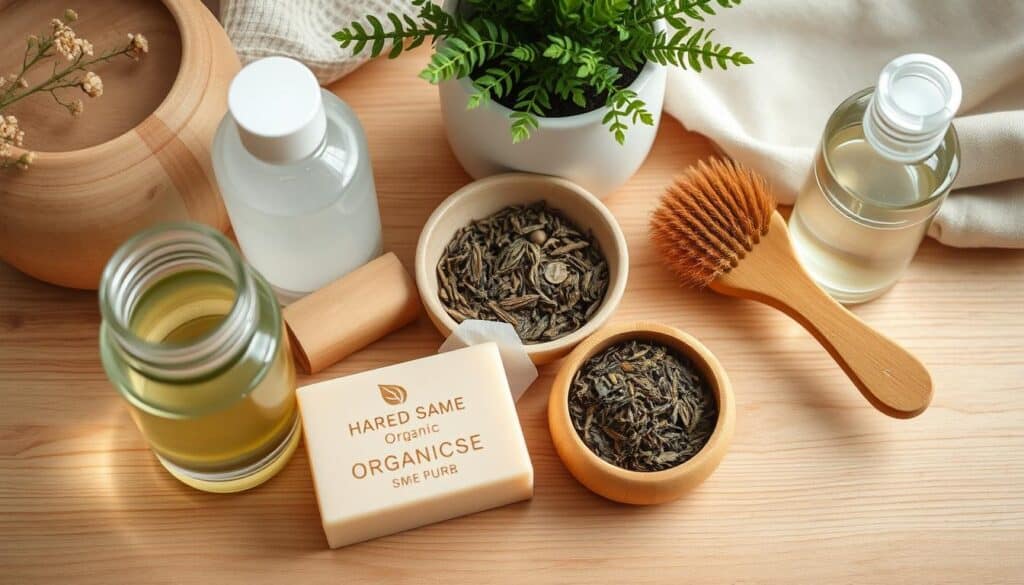
For eco-friendly skincare, keep it simple and effective. You don’t need lots of products for healthy skin. Sustainable skincare habits use quality ingredients that are good for you and the planet.
Start with the basics: a gentle cleanser, a moisturizer, and sunscreen. These three are all you really need. Everything else is extra.
Natural Ingredients to Consider
Your kitchen has great skincare ingredients. These natural items have been trusted for a long time. They are backed by science too.
Honey is a gentle cleanser and fights bacteria. It draws moisture and prevents breakouts without harsh chemicals. Oatmeal gently exfoliates without irritating your skin.
Avocado moisturizes deeply with healthy fats and vitamins. Green tea protects your skin from damage with antioxidants. These ingredients are cheaper than fancy serums.
Homemade Face Masks and Scrubs
Make your own skincare to control every ingredient. You’ll save money and reduce waste from single-use products.
Make a perfect gentle scrub with honey and oats. Use ripe avocado and lemon for a hydrating mask. Mix green tea and aloe for a cheap, antioxidant-rich treatment.
These eco-friendly hygiene tips replace wasteful sheet masks. Your homemade versions are better because they’re tailored to your skin.
Sustainable Brands to Explore
Choose skincare brands that care about the planet and your skin. Look for glass containers, refillable options, and minimal packaging.
Herbivore Botanicals uses glass pots you can reuse. Seed Phytonutrients has recyclable metal tubes. These brands show you can have luxury and sustainability together.
Support brands that are open about their ingredients and how they make things. The best eco-friendly hygiene tips include backing companies that share your values and offer effective products.
Sustainable Hair Care Products

Sustainable hair care makes your daily routine better for the planet. You don’t need lots of plastic bottles for great hair. Choose quality ingredients that moisturize and treat your hair.
Changing your hair care routine is easy and good for the planet. Your hair will look great, and so will the Earth.
Organic Shampoos and Conditioners
Organic hair products have improved a lot. Today, they clean well but use less water and packaging. This means less waste in landfills.
Choose brands with refillable containers or biodegradable packaging. Some offer solid shampoo bars that don’t use plastic bottles. These bars last longer and are easy to travel with.
Good organic formulas avoid harsh chemicals. They use plant-based cleansers and natural oils. This keeps your hair healthy without damaging it.
DIY Hair Treatments
Your kitchen has great hair treatments. Coconut oil makes a deep conditioning mask that’s better than many salon treatments.
Apple cider vinegar is great for removing buildup and adding shine. Mix one part vinegar with three parts water, then rinse with cool water.
Avocado and honey make a protein-rich treatment. Mash half an avocado with two tablespoons of honey. This repairs damaged hair and adds moisture. And you can eat the leftovers!
“The most sustainable beauty routine is one that works with nature, not against it.”
Eco-Conscious Salon Choices
Choosing the right salon is important. Ask if they use organic products and recycle. Some salons offer waterless services and refill containers.
Many salons go green because their clients want it. Look for places with energy-efficient lights, digital receipts, and eco-friendly products.
It’s possible to have beautiful hair and feel good about it. Sustainable choices show that caring for your hair and the planet go together.
Eco-Friendly Bathroom Practices

Small changes in your bathroom can make a big difference. You use your bathroom twice a day. That’s 730 chances to choose eco-friendly options.
Every product change makes your routine better. You’ll save money and reduce waste. Plus, your skin might like the gentler options better.
Biodegradable Toiletries
Switching to biodegradable toiletries is easy. Bar soaps last longer and are easier to carry. They clean your skin better and make your shower less messy.
Bamboo toothbrushes are just as good as plastic ones. But they compost completely. Toothpaste tablets in glass jars also cut down on plastic waste.
Here are some easy biodegradable swaps:
- Shampoo bars that last 2-3 times longer than bottles
- Solid deodorants in compostable packaging
- Bamboo cotton swabs with cardboard stems
- Natural loofahs that biodegrade completely
Water-Saving Measures
Conserving water doesn’t mean less self-care. A long bath uses less water than a 10-minute shower. Try timing your showers to see.
Low-flow showerheads save water without losing pressure. Your water bill will go down. Use a timer or listen to music to keep track.
Pro tip: Turn off water while soaping up or shampooing. This saves gallons without slowing you down.
Zero-Waste Alternatives
Zero-waste swaps are often better than disposables. Reusable cotton rounds are softer than single-use ones. They wash well and last for years.
Refillable containers let you buy in bulk. Glass pump bottles are stylish and cut down on waste. Menstrual cups and period underwear are also great alternatives.
Start with these zero-waste changes:
- Reusable makeup remover pads — softer and more effective
- Refillable soap dispensers — buy bulk liquid soap
- Safety razors — better shave, less waste
- Bamboo toilet paper — same comfort, better conscience
These changes make sustainable self-care easy and enjoyable. You’ll look forward to routines that are good for you and the planet.
Sustainable Eating for Self Care

Sustainable eating makes your self-care routine even more powerful. It’s about nourishing your body with care. This way, you help yourself and the planet.
When you eat fresh, whole foods, you feel better. Your body loves the nutrients from nearby farms. Plus, knowing your food helps the planet feels good.
Plant-Based Recipes for Wellness
Plant-based eating is full of flavor. Colorful Buddha bowls are packed with nutrients. They show how tasty eco-conscious wellness can be.
Lentil soups are great for busy days. They’re full of protein and fiber. You can change them up with different spices or veggies.
Smoothies are great for adding greens and protein. Try spinach with mango and coconut milk. You won’t taste the spinach. Hemp seeds, chia seeds, and plant-based protein powders make smoothies complete.
Local and Organic Ingredient Sourcing
Farmers markets are fun when you try seasonal foods. You find new veggies and save money. Local farmers share tips on their produce.
Buying from local farmers connects you to your food. Many offer Community Supported Agriculture (CSA) boxes. This supports your local economy and cuts down on emissions.
Seasonal eating helps plan your meals. Spring has tender greens and asparagus. Summer brings tomatoes and berries. Fall has squashes and root veggies. Winter has apples and citrus.
Meal Prep Strategies for Reduced Waste
Smart meal prep stops food waste. Batch-cooking grains, chopping veggies, and making snacks keeps you healthy. Future you will thank you.
Prepare parts of meals, not whole meals. Cook quinoa and roast veggies. Then mix and match to avoid boredom and waste.
| Prep Component | Storage Method | Shelf Life | Best Uses |
|---|---|---|---|
| Cooked Grains | Refrigerator containers | 5-7 days | Buddha bowls, salads, soups |
| Roasted Vegetables | Glass containers | 4-5 days | Quick sides, grain bowls, wraps |
| Fresh Herbs | Water glasses or damp towels | 7-10 days | Flavor boosters, garnishes |
| Homemade Sauces | Small jars | 1-2 weeks | Dressings, marinades, dips |
Turning leftovers into new meals is an art. Yesterday’s veggies can be today’s soup. Leftover grains make a tasty breakfast porridge. This saves waste and keeps meals interesting.
Plan meals with what you already have. Check your fridge before shopping. This saves money and supports your wellness goals.
Creating a Calming Eco-Friendly Space

Creating a calm space doesn’t need big changes. Just make smart, green choices. Your home should show your values and help you feel better. These mindful living practices make any room peaceful and good for the planet.
Eco-friendly decorating is simple. It makes your home healthier. Every green choice helps the air, cuts down on waste, and makes life more meaningful.
Indoor Plants for Air Quality
Indoor plants are like air cleaners. They remove bad stuff from the air and make you happy.
Top air-purifying plants for beginners:
- Snake plants thrive in low light and release oxygen at night
- Pothos grow quickly and tolerate neglect beautifully
- Spider plants produce baby plants you can share with friends
- Peace lilies bloom indoors and signal when they need water
These plants are almost indestructible. They’re great for busy people. Put them near windows for some light, but they’re okay with less.
Using Recycled Materials in Decor
Get creative with old stuff. Turn a glass jar into a planter or storage. It’s fun and useful.
Simple upcycling ideas that work:
- Wine bottles become elegant vases with the labels removed
- Old t-shirts transform into soft cleaning rags for your home cleaning routine
- Cardboard boxes covered with fabric create stylish storage solutions
- Mason jars hold everything from dried flowers to bathroom essentials
These mindful living practices make old stuff into cool decor. You save money and help the planet. It feels good every time you see it.
Eco-Conscious Candle Options
Not all candles are the same. Some release bad stuff when lit. But eco-friendly ones are better for your air.
Choose candles made from:
- Soy wax burns cleaner and lasts longer than paraffin
- Beeswax purifies air naturally while providing warm light
- Coconut wax offers excellent scent throw with minimal soot
Look for candles in reusable containers. Glass jars are great for storing things later. Or, make your own candles. It’s fun and you choose what goes in your home.
The goal is to make a space that feels good and matches your values. When your home supports you and your values, self-care is sustainable. These small steps make a big difference in creating a caring home.
Nature Immersion for Mental Well-Being
Step outside and you’re entering the world’s oldest pharmacy. The prescription is free, and the side effects are all good. Nature immersion isn’t just about getting fresh air. It’s about tapping into something that works better than most natural self-care products.
Your brain craves this connection, and your body knows exactly what to do with it.
Benefits of Spending Time Outdoors
The science behind outdoor time is amazing. Reduced stress hormones, improved immune function, better sleep quality, and enhanced creativity all happen. Your cortisol levels drop within minutes of being in nature.
Forest environments change your brain chemistry. They reduce inflammation markers and support mental clarity. It’s like your nervous system gets to exhale.
Even fifteen minutes of outdoor time can reset your day. Your blood pressure stabilizes, your focus sharpens, and that mental fog starts to lift. These aren’t just feel-good benefits. They’re measurable physiological changes that happen every single time.
Activities to Connect with Nature
Connecting with nature doesn’t require hiking boots or camping gear. Simple activities can transform your relationship with the outdoors, even in urban settings. Try eating your lunch outside instead of at your desk, or take phone calls while walking through a nearby park.
Photography walks turn any neighborhood into an art gallery. You’ll start noticing details you’ve walked past hundreds of times. Suddenly, that tree you never really saw becomes fascinating.
Forest bathing — or “shinrin-yoku” as the Japanese call it — means simply being present among trees without any agenda. No fitness goals, no destination. Just you and the natural world, breathing together. Community gardens offer hands-on connection to growth cycles, while rooftop spaces provide green pockets in concrete jungles.
Consider exploring 40 self-care activities that blend outdoor time with personal wellness practices.
How Nature Boosts Mood and Health
Nature works as 24/7 therapy that never requires an appointment. Regular outdoor exposure actually rewires your brain for resilience and calm. The negative ions near moving water boost serotonin production naturally.
Sunlight exposure regulates your circadian rhythm, improving sleep quality and energy levels. Your body clock knows what to do with natural light cycles. Fresh air increases oxygen flow to your brain, sharpening cognitive function and decision-making abilities.
The Japanese recognize nature immersion as essential medicine, not just recreation. When you make outdoor time non-negotiable, you’re accessing healing that’s been available to humans for thousands of years. It’s the most accessible form of wellness — no subscription required, no expiration date.
Building a Sustainable Self-Care Routine
Starting small is key to lasting change. Your eco-friendly journey can begin with just one step.
Habits for Daily Eco-Conscious Living
Choose three simple goals for each day. Maybe use a bamboo toothbrush this week. Or try a DIY face mask next week.
Make these green beauty routines feel like fun. Organize the night before. Include exercise in your daily plan.
Balancing Self Care and Sustainability
Find the balance where caring for yourself also helps the planet. Choose longer baths if they use less water. Spend Sundays making face masks instead of buying them.
Sustainable self-care practices are best when you make choices slowly.
Community Engagement for Support
Join a community that cares about the planet. It could be local groups, online forums, or friends trying eco-friendly tips.
Share recipes and homemade products. Celebrate each other’s small victories. Self-care becomes more fun when shared with others.