

Boost Your Mood with These 10-Minute Self-Care Hacks
What if the secret to a better day wasn’t in fancy spa visits or long meditation? It could be in just 10 minutes of doing something special for yourself.
You’re busy and feel like wellness is too hard. But, busy folks are finding out that mood boosting activities don’t need to take a lot of time. They just need you to be there for yourself, even when things are crazy.
Well-being doesn’t have to wait for the perfect time. You can do these quick wellness practices anytime. They fit into your busy life, even when you’re tired.
Small actions can make a big difference in how you feel. Taking care of yourself is not selfish. It’s key to being your best self every day.
Key Takeaways
- Even 10 minutes of intentional wellness can dramatically shift your mood and energy levels
- Effective self-care practices don’t require expensive tools or perfect conditions
- Small, consistent actions create more lasting impact than sporadic lengthy sessions
- Mood-boosting techniques can easily integrate into existing daily routines
- Quick wellness practices work best when tailored to your specific schedule and preferences
- Taking brief moments for yourself enhances your ability to handle daily challenges
Why Quick Self-Care Matters
Ever wonder why a five-minute break can change your day? It’s because your brain handles stress and recovers fast. Quick self care tips are backed by science and can change your mood in minutes.
Your mind is like a phone battery. It gets tired all day and needs a recharge. Quick self-care moments can change how you handle stress right away.
The Benefits of Short Breaks
Just 10 minutes of self-care a day can greatly improve your health. Taking a five-minute break to breathe deeply or go outside changes your brain. It lowers stress hormones and increases happy feelings.
Short breaks are like mental reset buttons. They help you deal with too much information without feeling overwhelmed. Studies show they improve decision-making and creativity.
Here’s what happens with quick stress relief activities:
- Improved focus and concentration all day
- Better emotional control in tough times
- Enhanced problem-solving skills
- Less chance of afternoon energy crashes
Consistent short self-care sessions work better than long ones. They help you build lasting habits.
Mental Health Boosts in Minutes
Your mental health can improve quickly. When your brain is always busy, it gets tired. Too much stress can take over.
Quick stress relief activities give you mental clarity. They stop stress before it gets worse. Even simple actions like deep breathing or looking out a window can calm you down.
These small moments of care prevent afternoon brain fog. They let your mind rest and reset. Your future self will thank you for these small investments in your well-being.
The best thing about these self care tips is they’re easy to do anywhere, anytime. You don’t need special equipment or perfect timing.
Mindfulness Practices You Can Do Anywhere
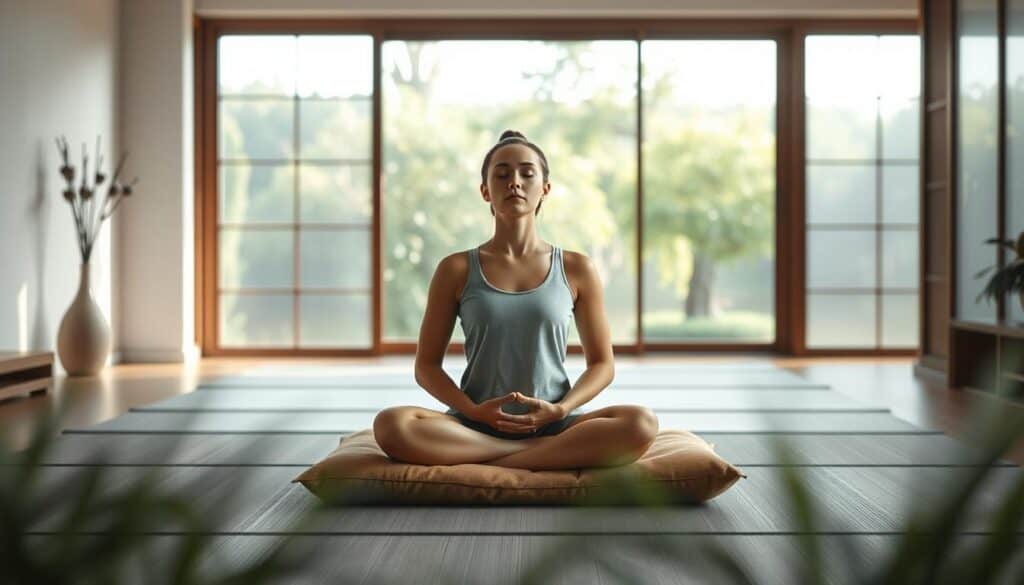
Quick relaxation techniques fit into your life easily. You don’t need special places or things. Just use what’s around you to find calm.
Your breath is always with you. Even when your mind is busy, your lungs can help you relax.
Deep Breathing Exercises
Deep breathing fights stress easily. Try the 4-4-6 technique: breathe in for four, hold for four, then out for six. It works anywhere, like when you’re waiting for coffee.
Stress doesn’t care about real threats or emails. But deep breathing says, “We’re safe here.” This makes your body relax quickly.
Do this while doing daily tasks. Breathe deeply while washing dishes or walking. It’s okay to take a moment anywhere.
Mini Meditations to Try
Meditation doesn’t mean clearing your mind. It’s a short break from thoughts. The 5-4-3-2-1 grounding technique helps fast.
Notice five things you see, four you touch, three you hear, two you smell, and one you taste. This keeps you in the moment.
Apps like Headspace have short sessions. Try a body scan, starting from your toes. Just observe where you feel tense.
| Technique | Time Required | Best Location | Stress Relief Level |
|---|---|---|---|
| 4-4-6 Breathing | 2-3 minutes | Anywhere quiet | High |
| 5-4-3-2-1 Grounding | 3-5 minutes | Any environment | Very High |
| Body Scan | 5-10 minutes | Seated or lying down | High |
| App-Guided Meditation | 3-10 minutes | Private space | Very High |
These practices get stronger with practice. Start with one and use it every day for a week. Your future self will be grateful.
Quick Physical Activities for Energy
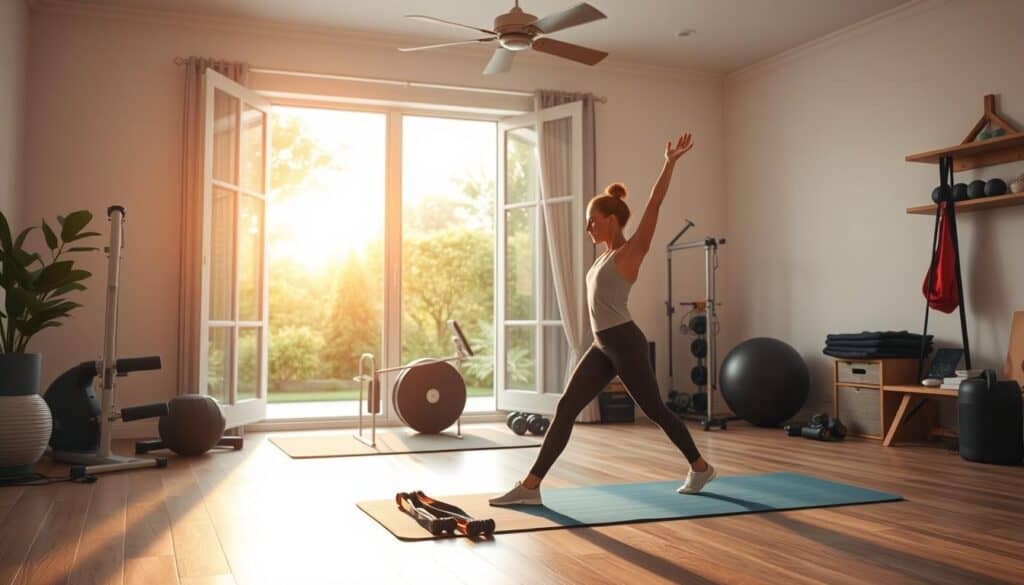
Moving is the fastest way to feel more awake in just minutes. Our bodies weren’t made to sit all day. Yet, we often do. Good news? You can feel better in just five minutes of moving.
Stretching for ten minutes in the morning helps your blood flow. This makes you feel more alert and awake before your day starts. Simple desk exercises and quick workouts can boost energy levels and productivity all day.
Even a few jumping jacks can wake you up fast. A ten-minute HIIT workout or a short walk can stretch your legs and make you feel better. These activities are key for a good self care routine.
“Movement is medicine, and the prescription is surprisingly small doses, frequently administered.”
Five-Minute Stretching Routines
You don’t need yoga to feel great. Start with these easy moves that loosen tight spots:
- Neck rolls and shoulder shrugs — Release that tech-neck tension we all carry around like an unwanted accessory
- Gentle spinal twists — Do these right in your chair to counteract hours of forward hunching
- Forward folds and side stretches — Open up your spine and create space between compressed vertebrae
- Hip openers — Combat tight hip flexors from prolonged sitting
Be consistent, not perfect. Set a reminder to move every hour. Even standing up and squatting three times helps. Your spine and energy will thank you.
Simple Desk Exercises
Turn your desk into a mini gym with these mental wellness exercises. You can do these without sweating:
- Ankle circles under your desk — Keep blood flowing in your lower legs
- Calf raises while waiting — Perfect for printer queues or phone calls
- Seated leg extensions — Strengthen your quads without leaving your chair
- Desk push-ups — Use your desk edge for upper body activation
For a quick energy boost, try thirty seconds each of jumping jacks, high knees, and arm circles. Your heart rate will spike, blood will flow, and you’ll feel instantly more awake. This simple routine proves that movement doesn’t require a gym membership or fancy equipment.
Your circulation improves, your posture resets, and your brain gets the oxygen boost it desperately needs. These micro-workouts fit seamlessly into any busy schedule and deliver maximum impact with minimal time investment.
Nourishment in a Nutshell

Your body needs good food, not junk that makes you tired. You don’t need to be a chef to eat well. Simple choices can boost your energy and mood.
When you feel tired at 3 PM, don’t grab junk food. Your body wants real fuel, not a quick energy boost that fades. Think of food as the gas for your body’s engine. You wouldn’t put low-quality gas in a fancy car, right?
Healthy Snacks to Make in Minutes
Good snacks have protein, healthy fats, and fiber. They keep your energy up and your brain sharp. No more energy crashes.
Here are quick snacks to try:
- Apple slices with almond butter — natural sweetness meets protein power
- Carrots and hummus — crunchy satisfaction with plant-based protein
- Mixed nuts and dried fruit — portable energy that travels anywhere
- Greek yogurt with berries — probiotics plus antioxidants for gut and brain health
These self love activities through mindful eating give you lasting energy. You’ll stay focused at 4 PM instead of getting tired.
Quick Hydration Tips
Did you know your brain is 75% water? Even a little dehydration can make you feel tired and unfocused. Yet, many of us don’t drink enough water.
Start your day with warm lemon water. It wakes up your digestive system and gives you vitamin C. It’s like a gentle wake-up call.
Make drinking water fun with these tips:
- Add cucumber slices and mint for a spa-like experience
- Freeze berries as colorful ice cubes
- Keep your water bottle visible as a constant reminder
- Set phone reminders every two hours
Craving sweets? You might be thirsty. Drink a full glass of water and wait five minutes. Often, the craving goes away. This trick can be as helpful as quick meditation for staying calm.
Creative Outlets for Fast Stress Relief

Your inner artist can help you relax without needing to be a pro. Creativity is a great way to reduce stress because it uses different parts of your brain. When you make something, your mind relaxes.
Being creative is easy and doesn’t cost much. You can use a pen and paper, or even a napkin. It’s all about having fun.
Doodling to Unwind
Doodling is like meditation for your brain. It gives your thinking mind a break. Simple drawings calm you down. Your hand moves while your thoughts calm.
Start with basic shapes like circles and spirals. Let your pen draw freely. There’s no wrong way to doodle, making it great for quick stress relief.
Try these doodle ideas:
- Mandala-style circles with repeating patterns
- Flowing vines with leaves and flowers
- Abstract shapes that connect and overlap
- Zentangle-inspired designs with dots and lines
Keep a small notebook handy or use your phone’s drawing app. Even a few minutes of doodling can change your mood.
Journaling Prompts for Clarity
Journaling helps you sort out your thoughts. It’s a way to process emotions and find solutions. It’s like talking to your wisest self.
Brain dumping is great for stress relief. Write down everything without worrying about grammar. It clears your mind.
Try these journaling prompts:
- “Right now I’m feeling…” and let your thoughts flow
- “Three things that went well today were…”
- “What I need most right now is…”
- “I’m grateful for…” followed by whatever comes to mind
Don’t worry about writing perfectly. This is about releasing stress, not making a masterpiece. Use your phone’s voice memo if writing is too slow.
These creative moments help release stress. They show that self care can be simple and fun. You don’t need special skills.
Quick Ways to Connect with Nature

Nature is the fastest way to feel better and it’s free. You don’t need to go hiking or camping to enjoy nature’s stress-reducing superpowers. Even a short time outside can lower your blood pressure and make you feel more energetic.
These quick relaxation techniques work anywhere. Being near nature calms you down fast. The Japanese “forest bathing” shows that even city trees and plants can help.
Indoor Plant Care in a Jiffy
Your houseplants are more than just decorations. They are living air purifiers and mood boosters. Just two minutes of checking on them can be calming.
Watering or dusting your plants can be meditative. It connects you to nature’s cycles. Even looking at nature photos can help, but real plants are better.
Caring for plants makes you feel needed. It’s a simple way to practice mindfulness indoors.
Breathing Fresh Air Outside
Just step outside for five minutes. Your balcony, porch, or parking lot will do. Take five deep breaths of fresh air and enjoy the sun.
Being outside helps you sleep better and feel more awake. Fresh air makes you happier almost right away. Even city trees and parks can help.
Pay attention to your surroundings outside. Notice textures, sounds, and movements. This mindful walk can be as good as expensive therapy.
Expressing Gratitude in a Few Minutes
Gratitude is simple yet powerful. Small moments of thanks can change how you feel. It’s not about being fake or pretending everything is okay. It’s about noticing the good things in your life.
Think of gratitude as a mental highlighter. It makes the good stuff stand out. By doing these simple things often, you train your brain to see the positive.
These mental wellness exercises help you focus on what you have, not what’s missing. And the best part? You can do them anywhere, anytime, in just a few minutes.
Writing Thank-You Notes
Thank-you notes are a way to show gratitude. They make you and others feel better. Start small and be specific to make it feel real.
Instead of saying “thanks for everything,” say “thank you for listening when I needed to vent about work yesterday.” Being specific makes your thanks feel genuine.
You don’t need fancy paper or perfect writing. A quick text or a sticky note can make someone’s day. These small actions strengthen relationships and are great self love activities.
Try the “gratitude sandwich” from your morning routine. Write a thank-you message at the start and end of your day. This fills your day with positivity.
Sharing What You’re Grateful For
Sharing gratitude makes it even more powerful. When you say what you’re thankful for, you’re not just acknowledging it. You’re multiplying its impact.
Keep a list on your phone of three things you’re grateful for each day. Share one with someone. This makes gratitude feel more real.
Ask positive questions in conversations. Instead of “How was your day?”, ask “What’s one good thing that happened today?” This encourages others to think positively too.
| Gratitude Practice | Time Required | Mood Impact | Best For |
|---|---|---|---|
| Quick thank-you text | 2 minutes | Immediate boost | Strengthening relationships |
| Three-item gratitude list | 3 minutes | Lasting positivity | Daily mindset shift |
| Sharing with others | 5 minutes | Amplified joy | Building connections |
| Gratitude sticky notes | 1 minute | Surprise delight | Brightening someone’s day |
Gratitude isn’t about ignoring problems or pretending everything is fine. It’s about balancing your mental diet with thanks. These simple practices help you see the good things already in your life.
Digital Detox: Unplug for Clarity
People check their phones 96 times a day. This breaks their focus and peace. Your phone might be close, taking away your mental energy with each beep.
A digital detox doesn’t mean hiding from the world. It’s about setting intentional boundaries with tech that work.
Think of your phone as a demanding guest. You wouldn’t let someone interrupt your meals or follow you into the bedroom, right? The same rules should apply to your devices. These stress relief activities start with simple boundary-setting that takes just minutes to implement.
Make your home phone-free zones. Keep devices out of the bedroom, away from the dining table, and in another room for the first 10 minutes after waking up. You’ll be amazed how often you unconsciously reach for your phone when it’s not there.
Setting Time Limits on Your Phone
Your smartphone has tools to fight digital overwhelm. Use screen time controls to set daily limits on apps. When you hit that limit, resist the urge to override it. That’s where the real growth happens.
Start with social media apps, as they’re big attention vampires. Set a 30-minute daily limit and watch how quickly you reach it. These quick meditation techniques work better when your mind isn’t constantly switching between digital stimulation and real-world awareness.
Try the “phone in another room” trick while working or relaxing. Place your device somewhere that requires getting up to reach it. This small friction creates space for intentional choices instead of mindless scrolling.
Social Media Break Ideas
Replace digital consumption with real-world connection. Instead of liking your friend’s posts, call them for a quick chat. Take actual photos of your surroundings instead of scrolling through others’ content. Read a physical book instead of digital articles.
Put your phone on “Do Not Disturb” mode for 10 minutes before bed. This simple boundary helps your brain transition from digital stimulation to rest mode. The goal isn’t to demonize technology but to use it intentionally instead of habitually.
Notice how you feel after 10 minutes without your phone. You’ll probably feel more present, less anxious, and definitely more aware of your surroundings. These mini digital detoxes help reset your attention span and remind you that the most interesting content is often happening in your real life.
Remember to be mindful of your social environment too. Spending time with negative people can drain your energy faster than any app. Choose your digital and real-world connections wisely — both impact your mood and mental clarity.
Fun and Relaxing Activities within 10 Minutes

Sometimes the best self care routine is just plain fun. It makes you smile and is good for your soul. These quick activities can make you feel better fast.
When life feels heavy, we all need a little fun. The beauty of 10-minute fun is it’s easy to do. You don’t need special stuff or a lot of time.
Quick fun can put you in a special state called “flow state.” It’s when you’re focused but not stressed. This state lowers stress and makes you feel happy.
Listening to Favorite Songs
Music is like instant happiness. Make playlists for different times of the day. Your brain likes different songs at different times.
Play one favorite song and really listen. Dance, sing, or just enjoy the music. A 10-minute dance party can change your day.
The right song at the right time can help you deal with stress. Add this to your self-care checklist for women. It’s a great mood booster.
Quick DIY Craft Ideas
DIY crafts don’t have to be perfect. They just need to keep your hands busy and your mind quiet. Try origami, making friendship bracelets, or simple drawings.
Coloring, painting, and DIY activities are great for your mind. They help you relax and focus on the moment. Your hands work while your mind rests.
Brain games like crosswords and Sudoku are fun and good for your brain. They’re like meditation but you can do them anywhere. The best part? You can do them anywhere, anytime.
Remember, fun is a basic need. It makes everything else better. These 10-minute activities show that fun is a key part of mental wellness.
Establishing Self-Care Routines That Stick
Creating lasting habits is key. Your self-care tips need to be used every day.
Scheduling Your 10-Minute Breaks
See your self-care time as important. Put it in your calendar and don’t skip it. Find out when you’re most energetic.
Begin with 10 minutes a day. It’s easy to fit into busy days. Choose the same time every day for consistency.
Combining Self-Care with Daily Tasks
Make self-care part of your daily life. Be thankful while your coffee brews. Breathe deeply during your commute. Listen to soothing music while doing dishes.
This method is easy because it uses habits you already have. Keep track of how you feel with a simple rating system.
Remember, consistent self-care is better than trying too hard. Some days you’ll do great, others you’ll forget. It’s okay. Every little bit helps.